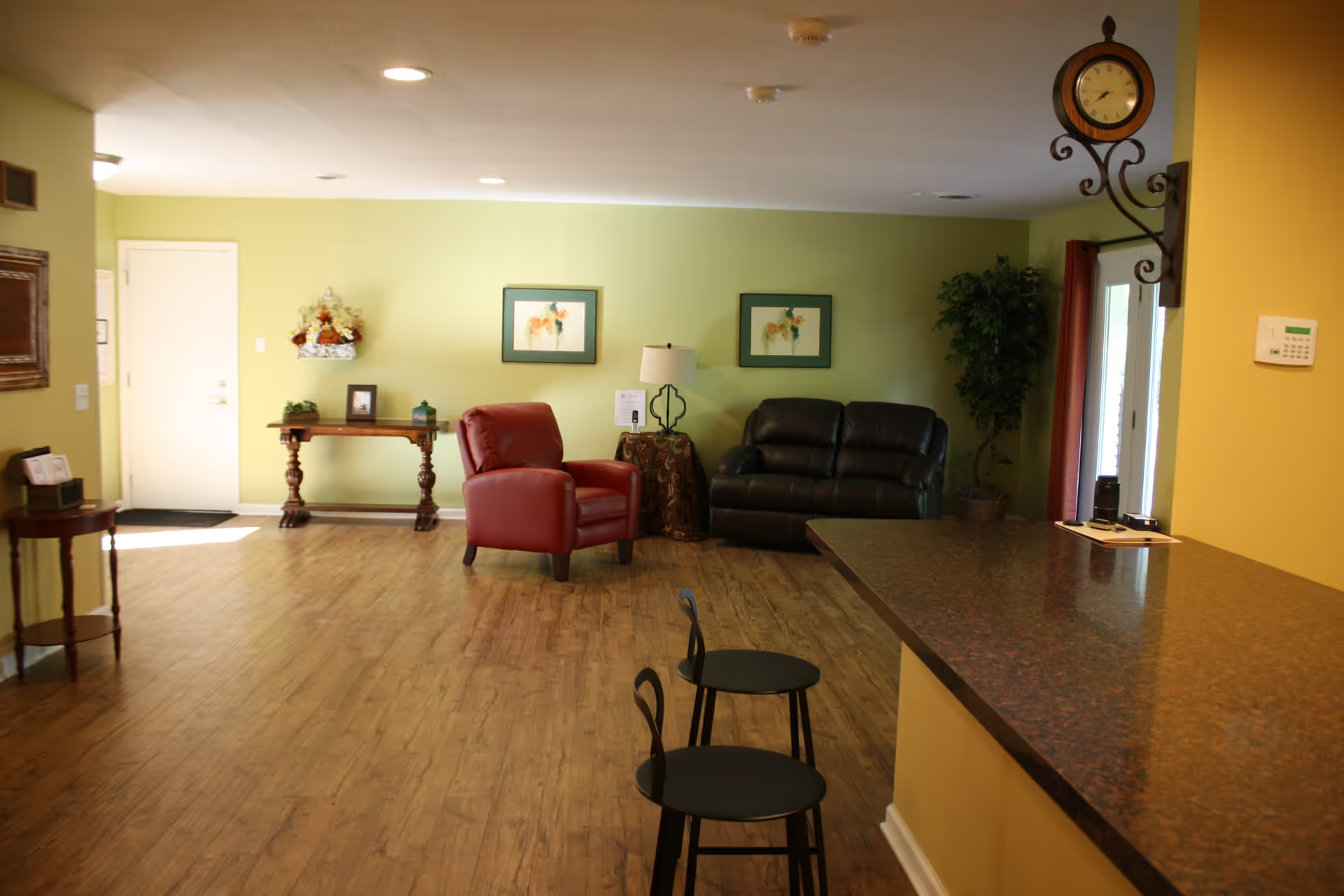
Reviews describe a facility with several notable strengths alongside operational inconsistencies. Rehabilitation services (physical, occupational, and speech therapy) receive consistent praise for restoring mobility and improving function; multiple families specifically credited therapy staff with measurable gains. Direct caregivers are frequently described as kind, respectful and attentive, and reviewers cite good staff retention and a generally cheerful workforce in many shifts. The activity program is active and varied, with walking groups, bingo, outings and tailored activities that several families found appropriate for resident abilities. Interior areas and resident rooms are often described as clean and well maintained, and some admit that rooms are spacious with a hospital-like clinical setting in the skilled-care unit.
At the same time, a recurrent pattern of inconsistent operational performance emerges. Staffing levels appear uneven, with nights and weekends singled out as times when response times and coverage decline. This variability contributes to reports of slower assistance, delayed responses to needs, and differences in care between the assisted-living portion and the nursing unit. Several accounts point to variability in staff professionalism and conduct, producing contrasting impressions: some families describe compassionate, thorough care while others describe discourteous or disorganized interactions.
Dining and nutrition are mixed areas. Many reviewers praise the food when it is well prepared and served, but there are frequent mentions of missed orders, meals served at suboptimal temperatures, and challenges addressing post-stroke or special-diet needs. Medication handling and documentation raise concerns in some accounts: examples include medication-administration inconsistencies and practices that create anxiety for families. Personal-item handling and laundry processes are another operational weakness noted by reviewers, encompassing missing or misplaced clothing and inconsistent linen/towel changes.
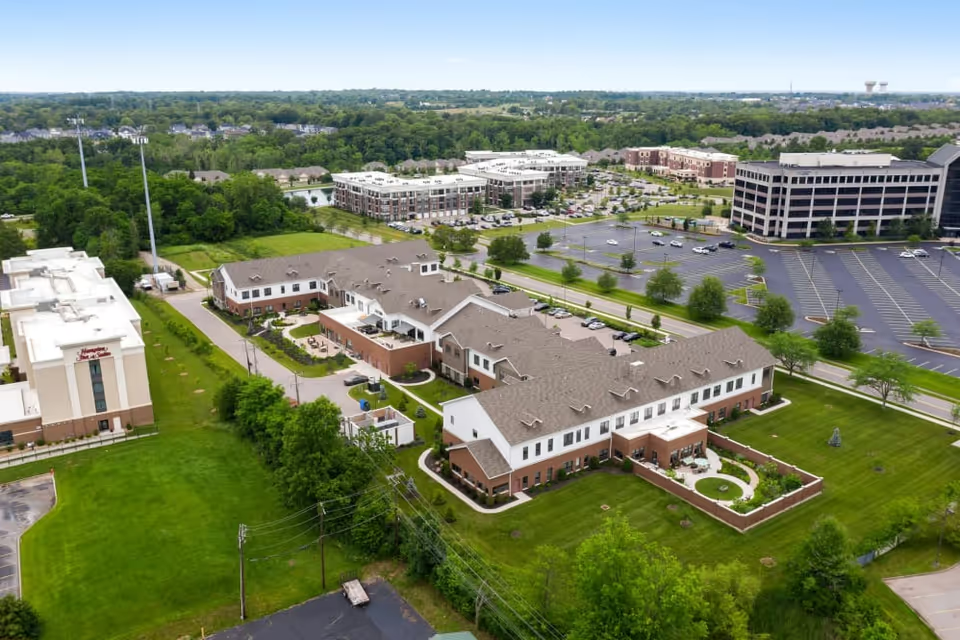
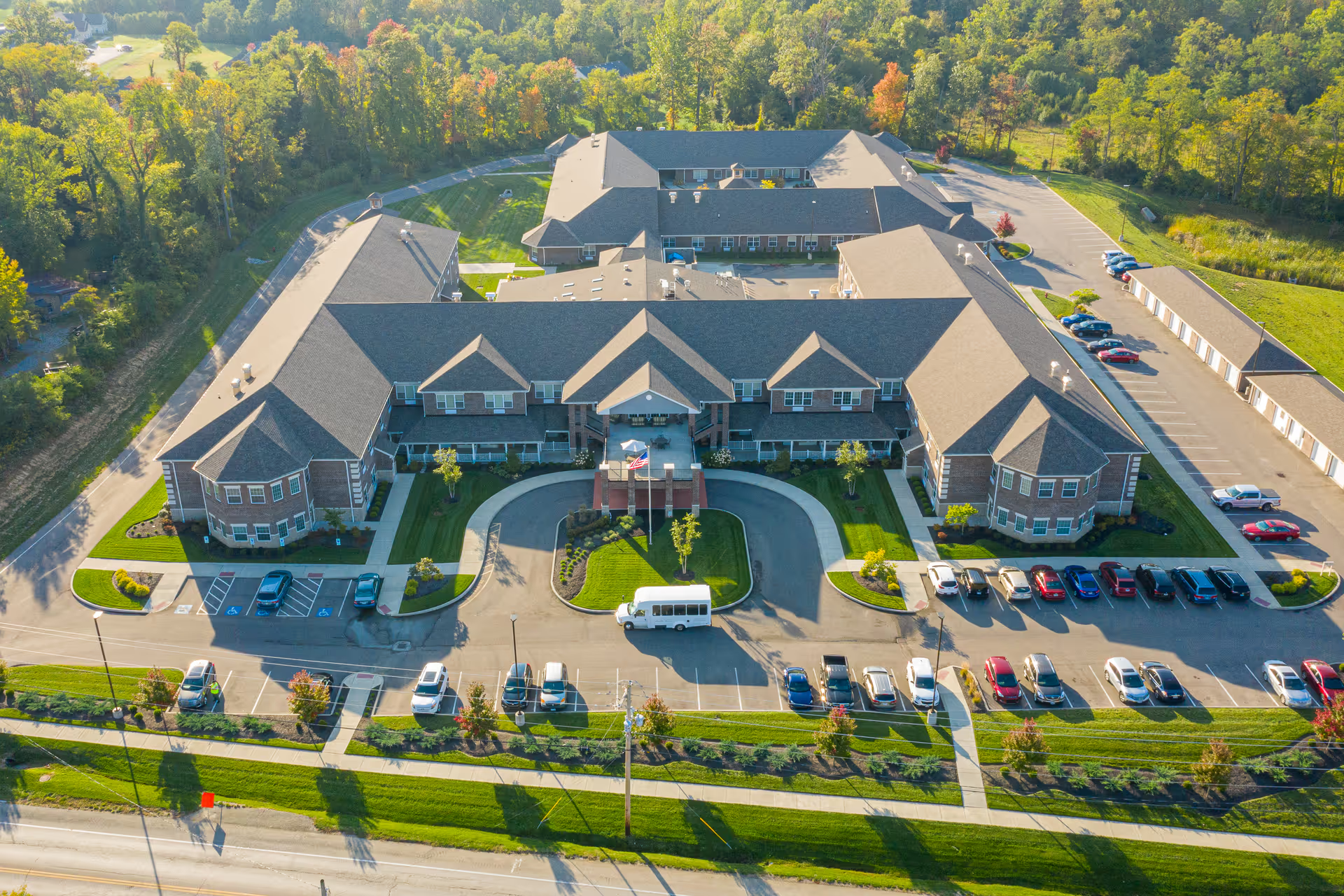
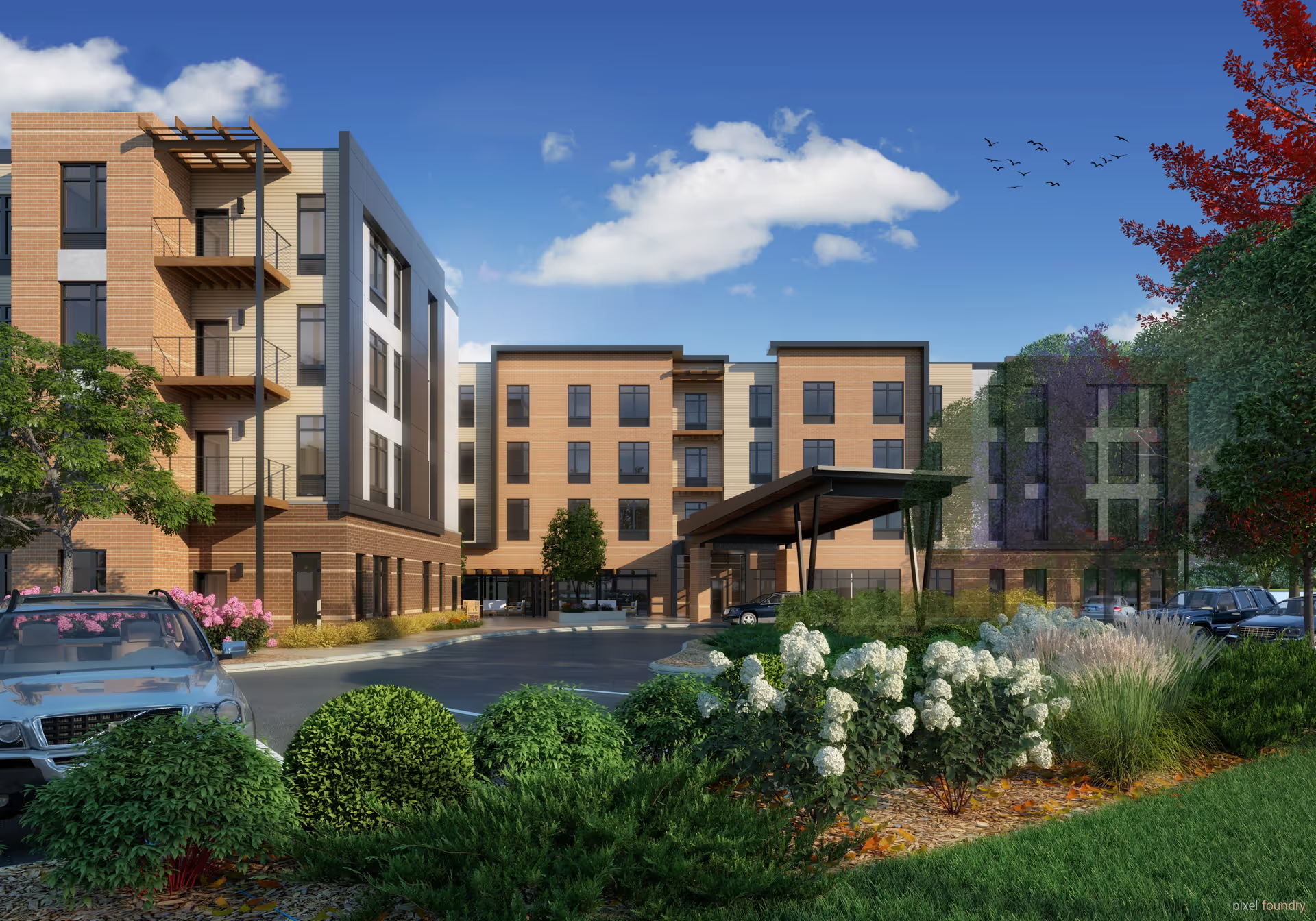
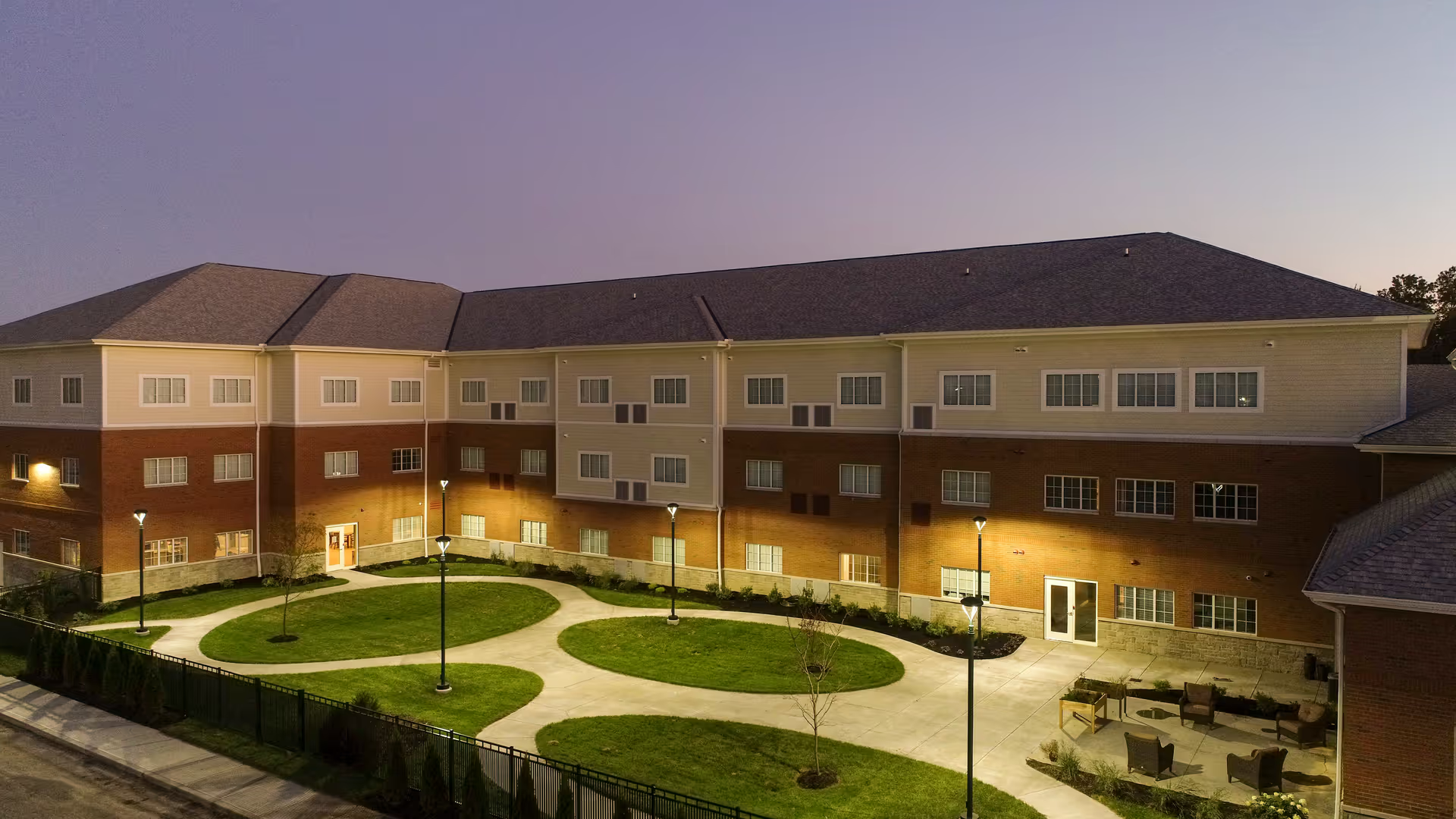
Communication and administrative coordination are persistent themes. Families reported difficulty obtaining resident and medical information, needing to contact multiple staff members, and experiencing infrequent or unhelpful family conferences. Transfer coordination, including payer-driven placement changes and Medicaid-related transitions, is described as problematic in several narratives. Exterior and building-maintenance issues — such as siding, grounds upkeep, ventilation and occasional odor concerns — were recorded alongside generally well-kept interiors, suggesting uneven facility maintenance priorities.
Overall, impressions are polarized: many families strongly recommend the facility based on excellent therapy outcomes, compassionate caregivers, and robust activities, while others advise caution due to staffing variability, administrative shortcomings, and inconsistencies in dining, medication handling, and property management. Prospective residents and families should evaluate the specific unit and shift patterns, ask targeted questions about night and weekend staffing, medication procedures, laundry/property policies, and how the facility coordinates transfers and family communication before making placement decisions.