Overall impression: Reviewers describe a facility that delivers generally effective clinical rehabilitation and attentive nursing care alongside a warm, family-like atmosphere. Therapy services receive consistent praise for improving mobility and helping residents regain independence; reviewers noted a range of equipment, attentive therapists, and visible functional progress. Nursing staff, CNAs and aides are frequently characterized as caring, approachable, and knowledgeable, and several families highlighted strong case-management follow-up and convenient location as practical strengths.
Care quality and clinical coordination: Clinical care and therapy are among the facility's stronger areas. Multiple accounts point to thoughtful therapy plans, good demonstration of progress, and clinicians who explain treatment goals. However, there are recurring concerns about clinical coordination: shift handoffs and communication between the on-site house doctor, surgeons, and nursing staff appear inconsistent at times. A few reviewers described delays in obtaining prescribed medications or in answering calls for assistance, suggesting gaps in medication availability and in responsiveness during higher-demand periods.
Staff and management: Staff are generally described as friendly and diligent, with many families recommending the facility based on interpersonal interactions. Positive experiences with specific caseworkers and nurses were reported alongside examples of quick follow-up. At the same time, operational weaknesses were noted: understaffing was cited as a contributor to slower response times, and front-desk interactions or the tone of some staff communications were described as unprofessional in isolated instances. Overall, management appears to deliver competent clinical oversight in many cases but could prioritize strengthening handoff protocols and family-facing communication practices.
Dining and dietary management: Dining emerges as a mixed area. Several reviewers praised aspects of the food and meal service, while others described inconsistent quality, cold meals, and incidents where meal requests or allergy needs were not accommodated reliably. These patterns point to variability in kitchen operations and meal delivery timing that may affect resident satisfaction and dietary safety if not addressed.
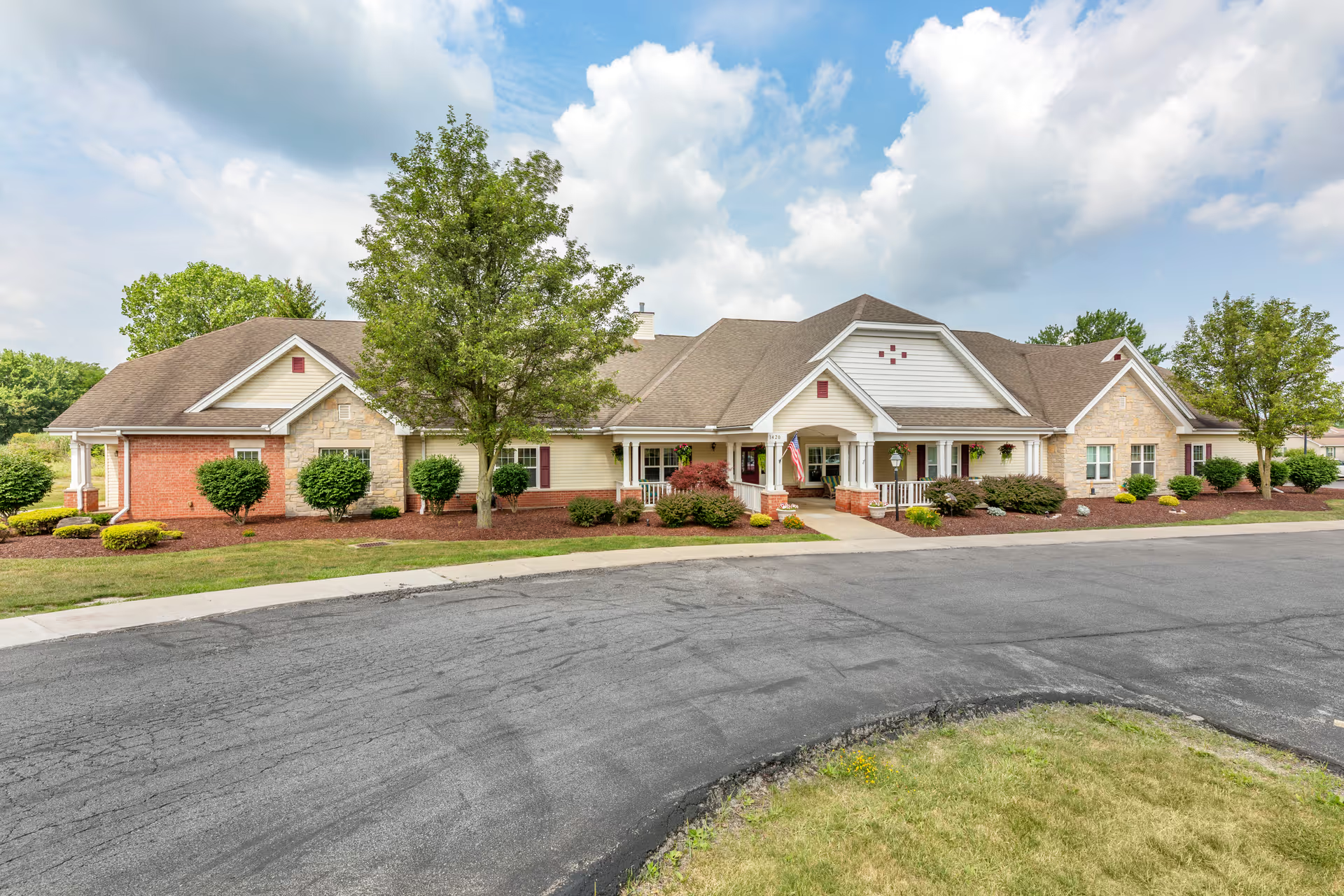
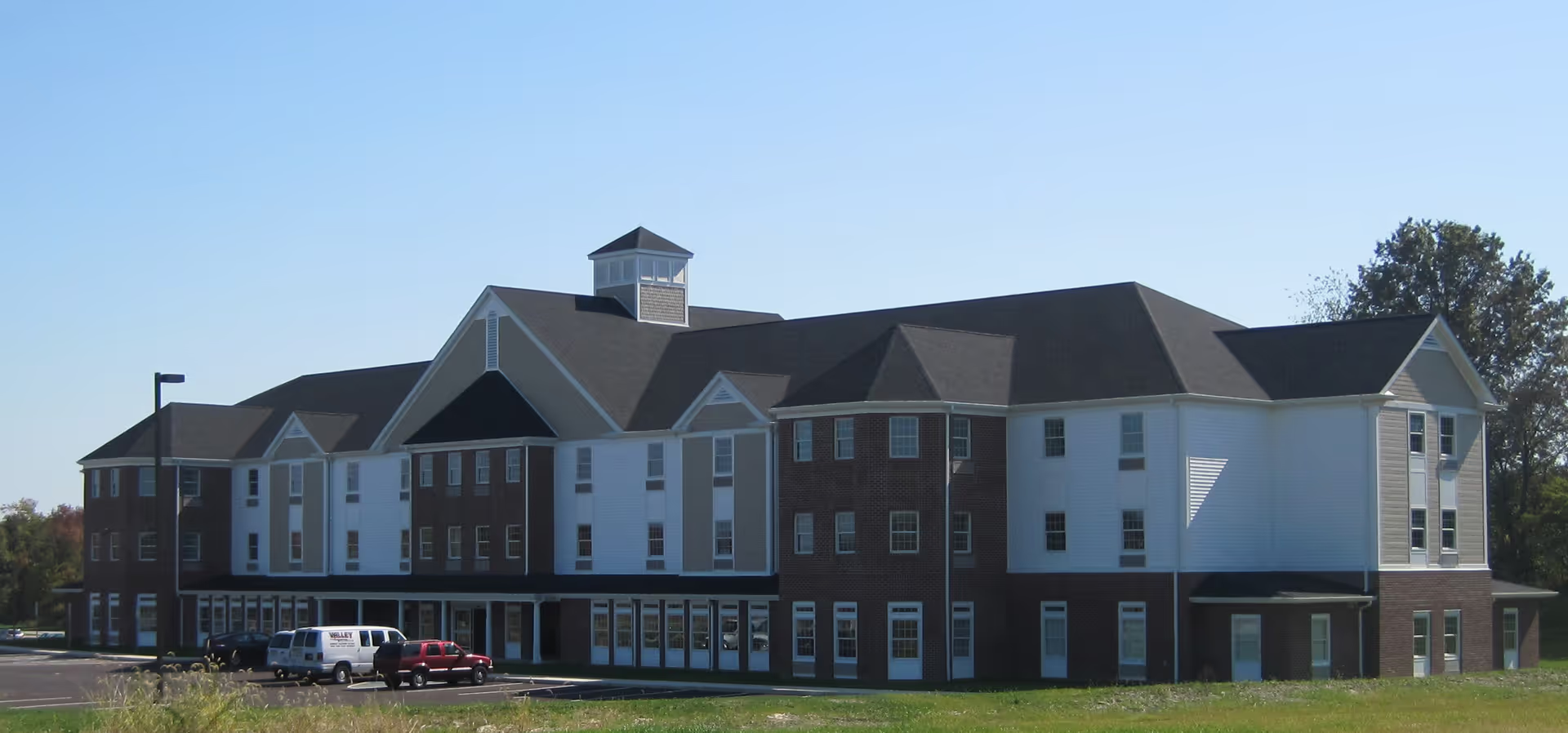
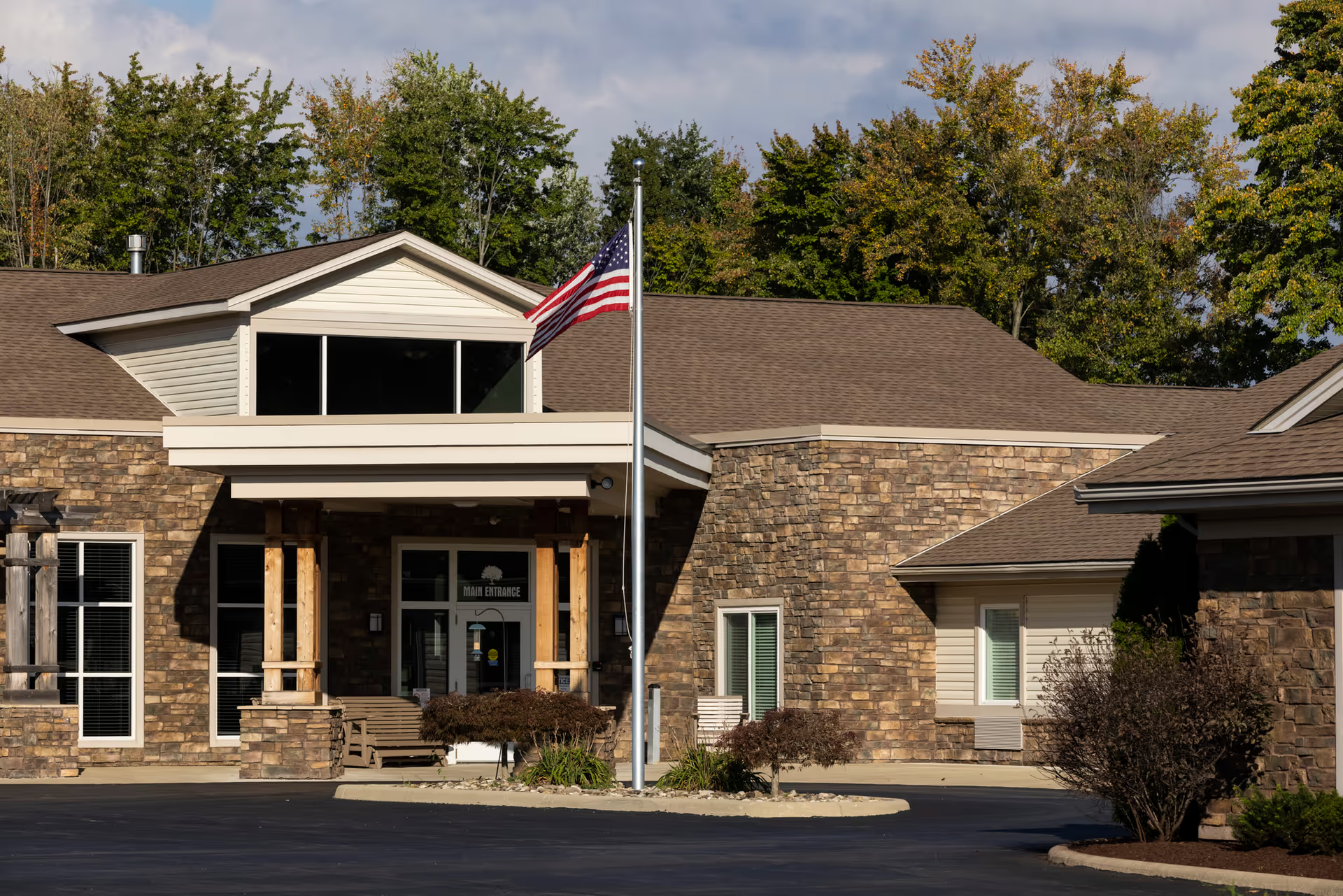
Facilities, cleanliness and logistics: The physical environment is commonly described as clean and well maintained, with positive remarks about room condition and common areas. Nonetheless, some reviewers noted housekeeping lapses (for example, room readiness and unmade beds) and odor concerns in certain areas. Communication infrastructure also showed weaknesses: reports of wing areas lacking phones and calls being misrouted indicate room for improvement in internal call systems and visitor communication channels.
Notable patterns and recommendations: The dominant positive themes are effective rehabilitation, caring direct-care staff, and a generally comfortable, home-like environment. The dominant operational themes for improvement are staffing levels and shift communication, meal-service reliability, medication and response-time processes, and customer-service consistency at reception. Prospective residents and family members would benefit from asking management about current staffing ratios, medication supply protocols, kitchen/dietary accommodations for allergies, and front-line communication procedures during tours. These targeted inquiries should help families weigh the facility's strong clinical and therapeutic offerings against the operational areas that may affect day-to-day experience.