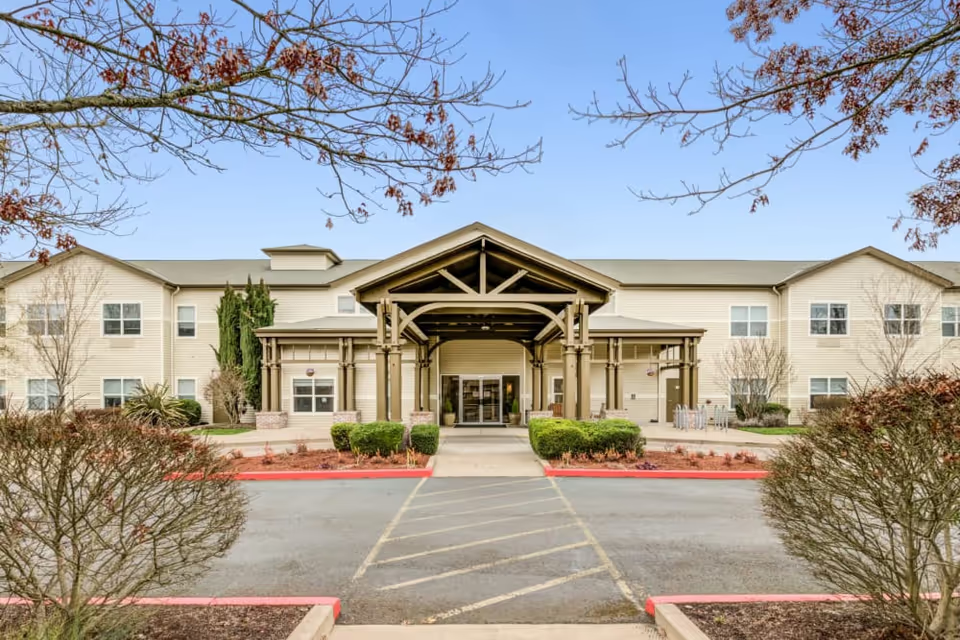
Reviewer feedback presents a mixed picture in which frontline caregiving and organizational operations appear to diverge. Many families singled out nursing assistants and certain nurses as compassionate, attentive, and willing to go beyond routine duties to comfort residents; several comments describe a family-like atmosphere and positive interactions with physicians and office staff. Those positives are an important counterpoint to recurrent operational concerns that appear to affect safety, continuity of care, and family confidence.
Care quality and clinical oversight are areas of clear concern. Multiple accounts describe delays in attending to residents and slow responsiveness to call-button requests, as well as instances that suggest inadequate transfer technique and inconsistent skilled-nursing competency. There are also descriptions of emergency events and situations where families felt clinical deterioration was not communicated proactively; together these indicate gaps in clinical incident response, monitoring, and escalation protocols that prospective families should clarify with the facility.
Staffing and staff conduct are described as uneven. While direct-care staff (especially CNAs) are frequently praised for individual compassion and effort, reviewers also describe variable staffing levels—notably on night shifts—and uneven performance by other employees. This inconsistency appears tied to broader administrative and leadership issues: several comments note ineffective management, poor follow-through on family concerns, and failures in accountability that undermine otherwise strong bedside care.
Dining and nutrition experiences are mixed. Some families appreciated the ability to order meals and noted improved food quality when choices were available; conversely, reviewers raised concerns about inappropriate diet texture management, unintended weight loss, and inconsistency in meal service. These comments point to the need for clear dietary planning, consistent monitoring of weight and intake, and stronger coordination between nursing and dietary staff.
Activity programming and the communal environment were described as limited by a number of reviewers. Descriptions emphasize monotonous or unengaging activities, which may affect residents’ psychosocial well-being. Facility upkeep and sanitation also drew comments: reviewers raised sanitation and odor concerns in shared spaces and questioned cleanliness standards in some areas, suggesting an opportunity for improved environmental management.
Administrative processes and property handling generated persistent concern. There are accounts of poor communication, mislaid personal items and medical records, and unresolved family claims after transitions or a resident’s death; one review referenced concerns following a resident’s death and allegations of mishandled personal effects and records. These issues point to weaknesses in record-keeping, property management, and post-discharge or bereavement communication.
Bottom line: prospective residents and families who value compassionate, relationship-driven bedside care may find caring individuals among the nursing and CNA staff here. At the same time, the facility appears to have systemic operational shortcomings—particularly around staffing consistency, clinical oversight, transfer safety, communication, and environmental standards—that warrant careful inquiry. Families considering this facility should ask for specifics about staffing ratios (including nights), transfer-training protocols, incident-reporting and family-notification procedures, dietary and weight-monitoring practices, activity schedules, and written policies for handling personal property and medical records before committing.