Regency Gresham Nursing & Rehab Center presents a mixed profile: reviewers consistently praise the facility’s admissions approach and its rehabilitative services, while also identifying recurring operational weaknesses related to communication, responsiveness, and environmental maintenance.
Care and rehabilitation: The facility’s therapy program is a clear strength. Multiple accounts describe meaningful functional gains made during short-term rehab stays, including improvements in mobility and increased independence with activities such as eating. Nursing staff are often described as caring and capable, and the rehab area is noted as well-equipped. However, reviewers also flagged concerns about overall clinical oversight: families describe infrequent clinical updates from therapists and physicians, and some felt a lack of proactive RN-led care coordination.
Staffing and responsiveness: Frontline staff receive praise for friendliness and compassion, and individual caregivers were noted as responsive at times. At the same time, a pattern emerges of long response times to call lights and assistance requests, particularly around shift changes, and reviewers perceive a staffing mix that relies more on CNAs than on RNs. These operational features are associated with delays in attention, gaps in routine monitoring, and isolated incidents that raise concerns about timeliness of basic care.
Dining and activities: The dining room and recent interior renovations are positive points; the facility offers both private and shared rooms and a pleasant dining environment. Meal quality and consistency are areas of concern, with reports of cold or unappealing food and variability in meal service. Activity offerings are constrained by limited transportation resources — there is no on-site bus for regular field trips — which may reduce opportunities for off-site engagement.
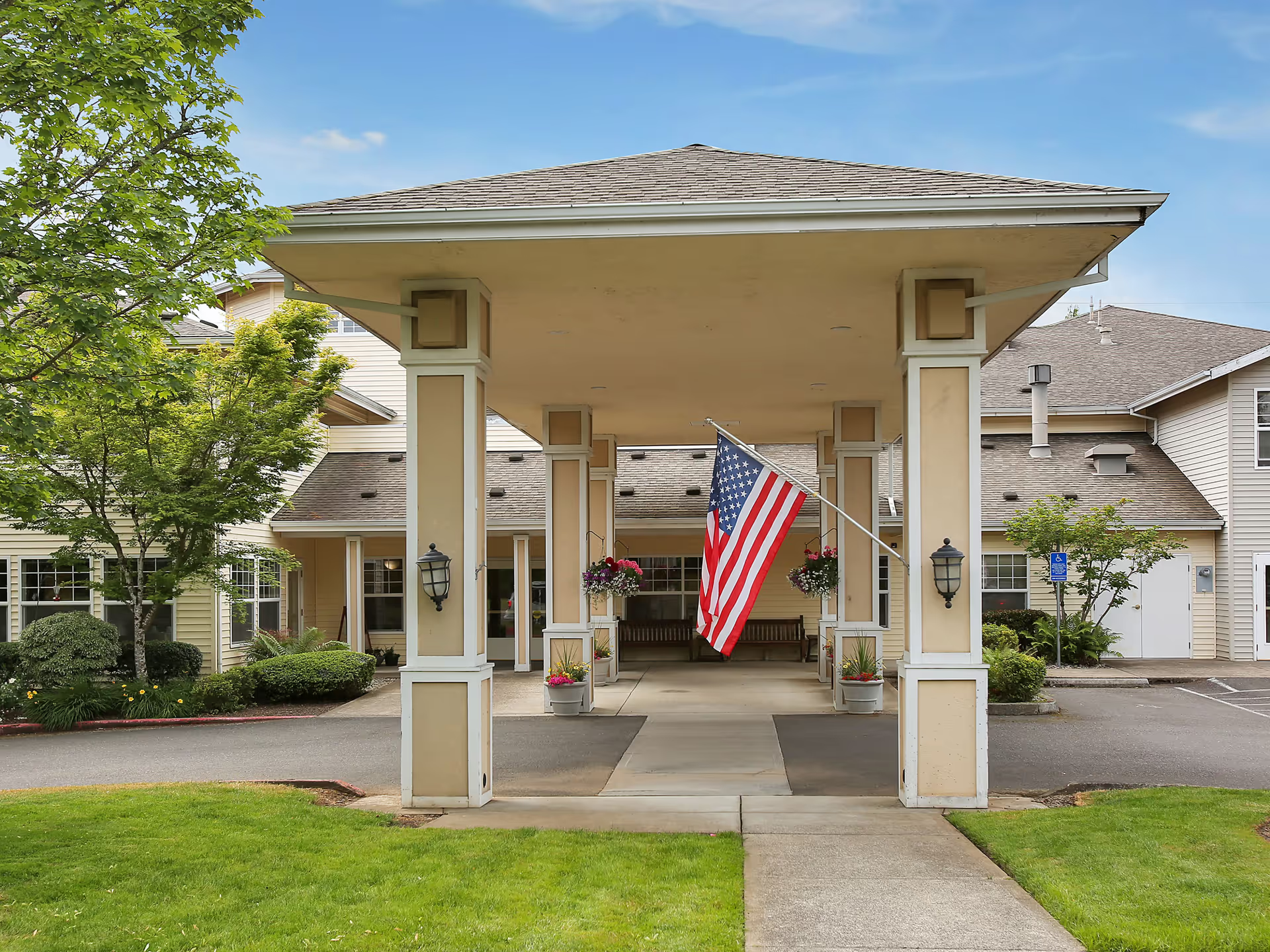
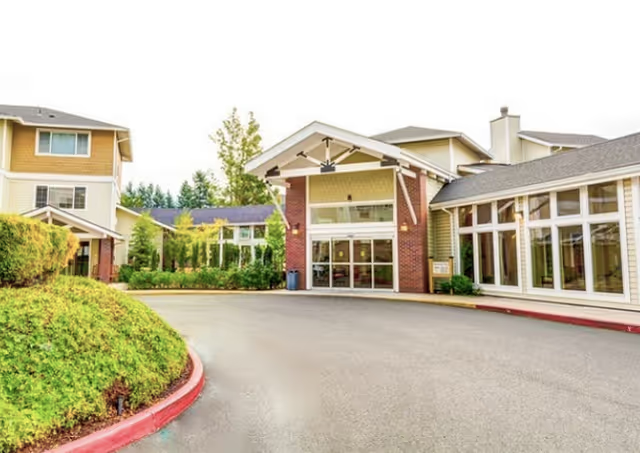
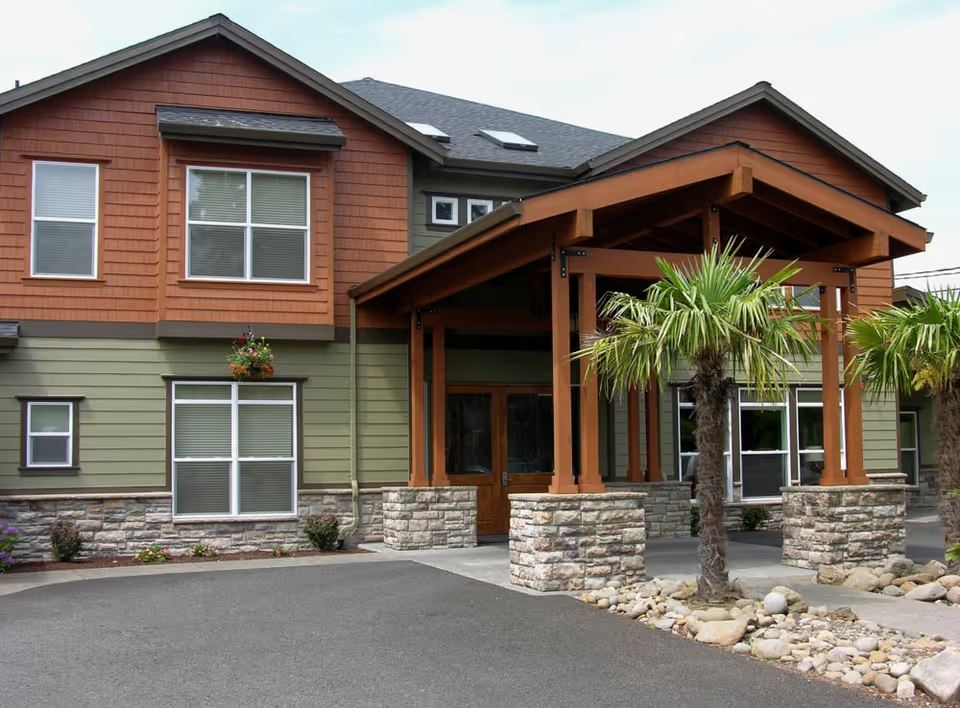
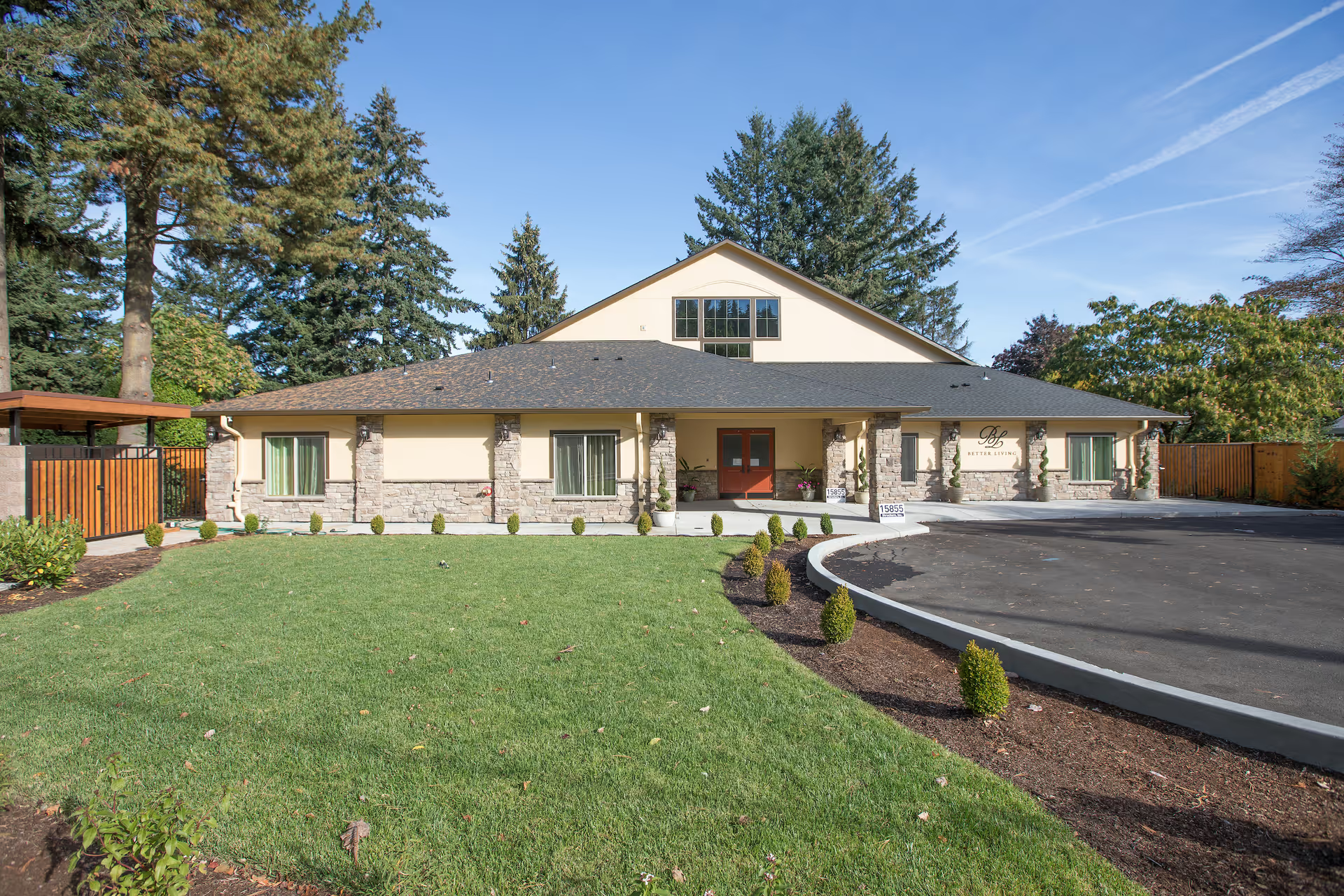
Facilities and maintenance: The center has undergone recent remodeling and offers a comfortable dining area and a good rehabilitation space. Conversely, reviewers cite environmental maintenance issues such as inconsistent room temperature control, broken in-room amenities, and uneven attention to resident belongings. These problems affect perceived comfort and contribute to impressions that maintenance and housekeeping are inconsistent.
Management and communication: The most consistent operational concern is communication. Families described difficulty getting timely updates from staff, limited follow-up from care managers, and frustration with the transfer/admission process. Some noted confusion around timelines and expectations during admissions and transfers. There were also references to visitation limits during infection-control periods, which affected family access in some cases.
Overall pattern and considerations: Prospective residents and families should weigh the facility’s demonstrated rehabilitation strengths and caring individual caregivers against recurring concerns about responsiveness, clinical oversight, communication, and environmental maintenance. If short-term rehab and therapy are the primary needs, the facility’s therapy outcomes may be appealing; if ongoing, highly supervised nursing care and frequent family communication are priorities, it would be advisable to discuss staffing ratios, communication protocols, maintenance response times, and activity/transportation options with management before deciding.