Reviews describe a facility with clear strengths in rehabilitation and resident engagement alongside recurring operational weaknesses. Clinical rehabilitation services, particularly physical and occupational therapy, are frequently described as skilled and effective; reviewers highlight strong therapists, good equipment, and measurable functional improvement for patients (including post-stroke support). Many families and residents praised CNAs and certain nurses for compassionate, attentive care and for going above and beyond to support recovery and morale.
At the same time, several clinically significant process gaps emerge. Concerns about medication management and incomplete clinical documentation appear repeatedly, and reviewers described instances of missed medications and delays in pain-relief. Communication breakdowns are noted around shift changes and handoffs; these lapses appear to contribute to inconsistent care continuity and to family frustration. Discharge planning and coordination also show weaknesses — examples include absent or incomplete discharge instructions, lack of escorts, and failures to follow transport directives — which suggest a need for standardized discharge protocols and clearer family communication pathways.
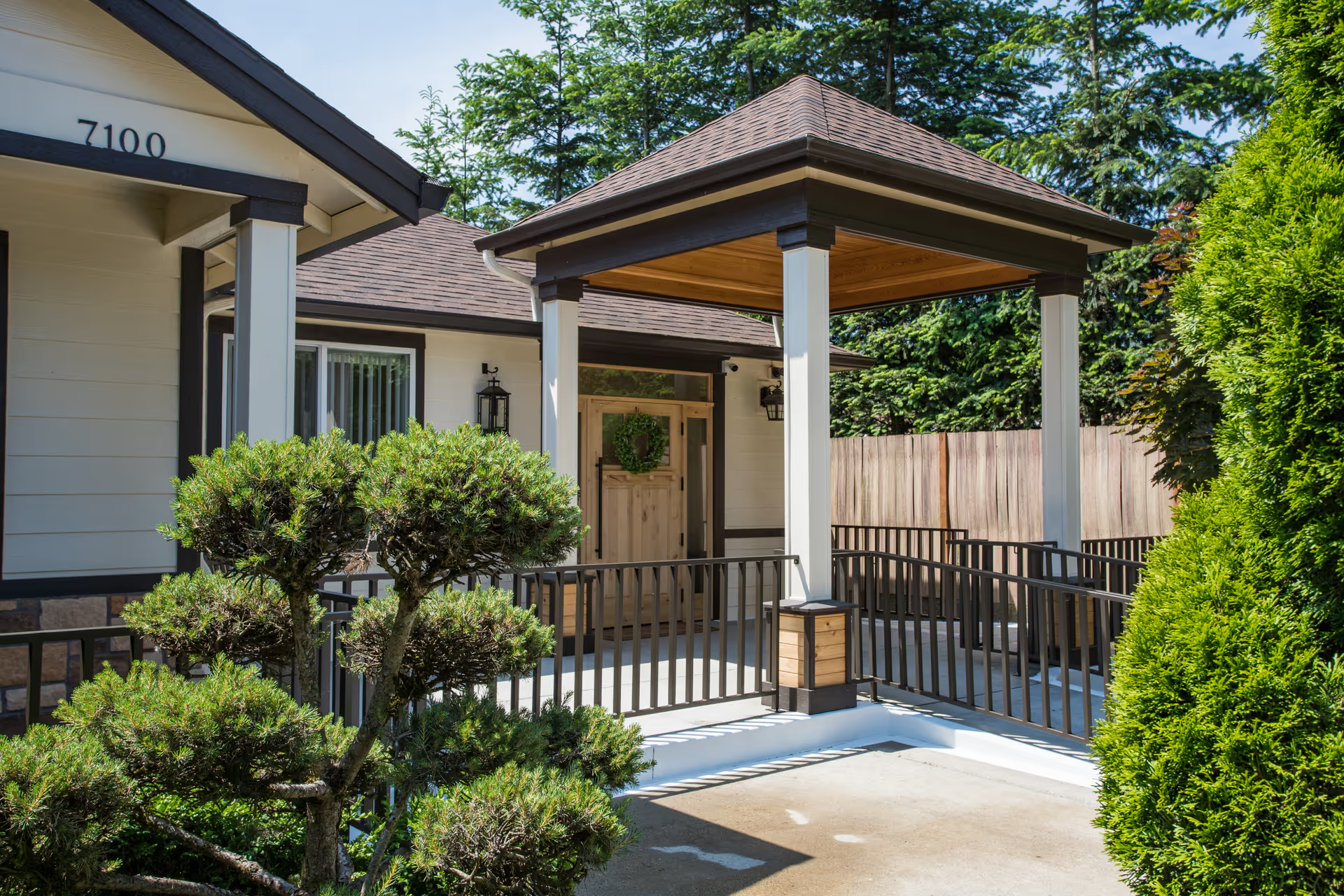
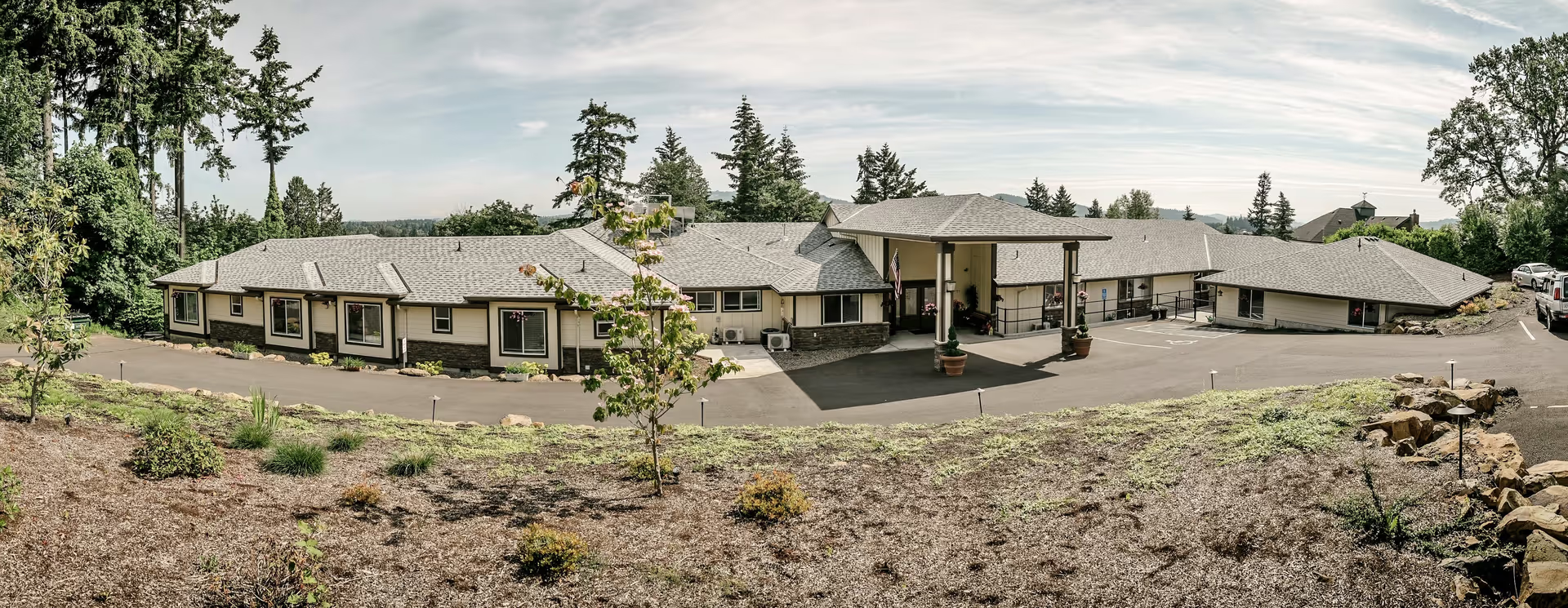
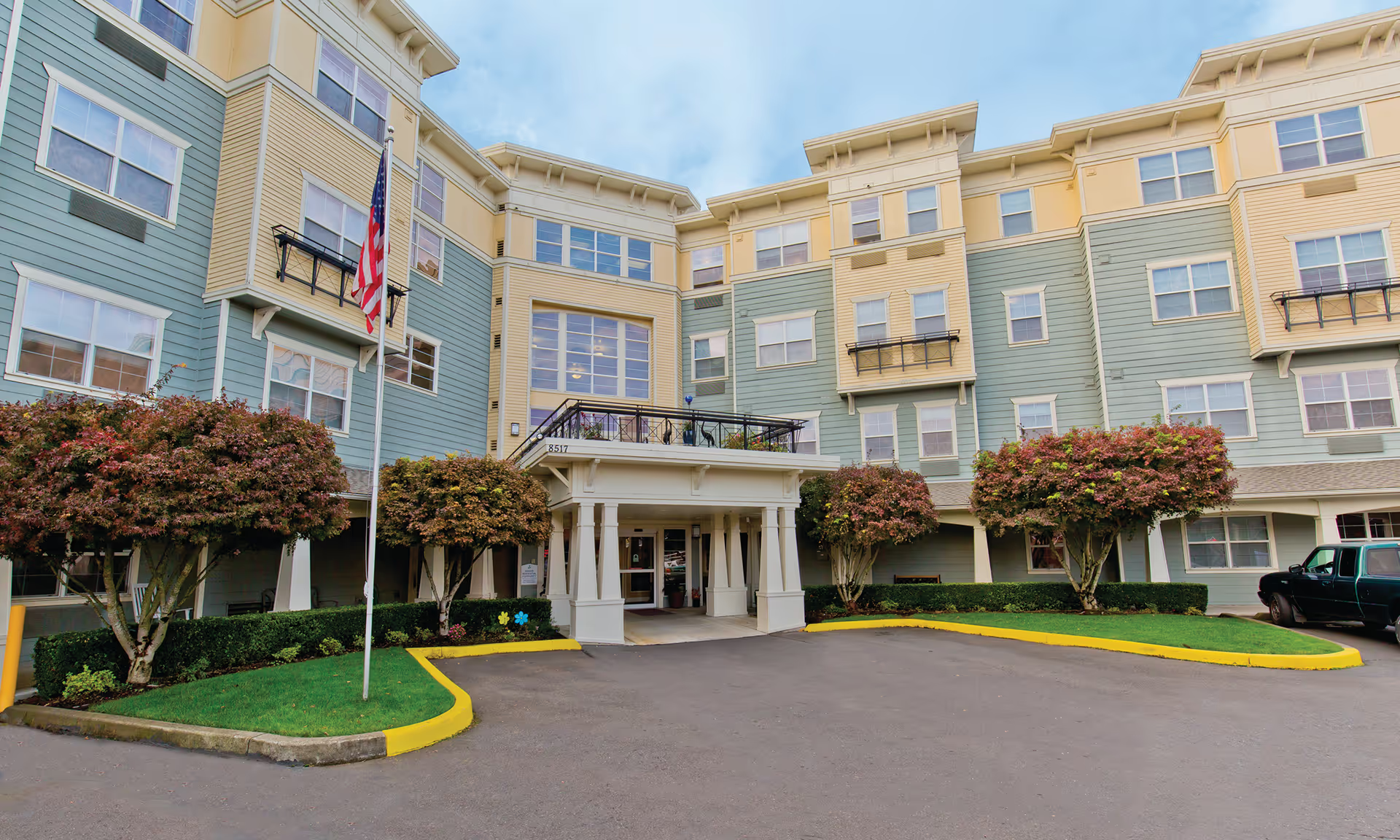
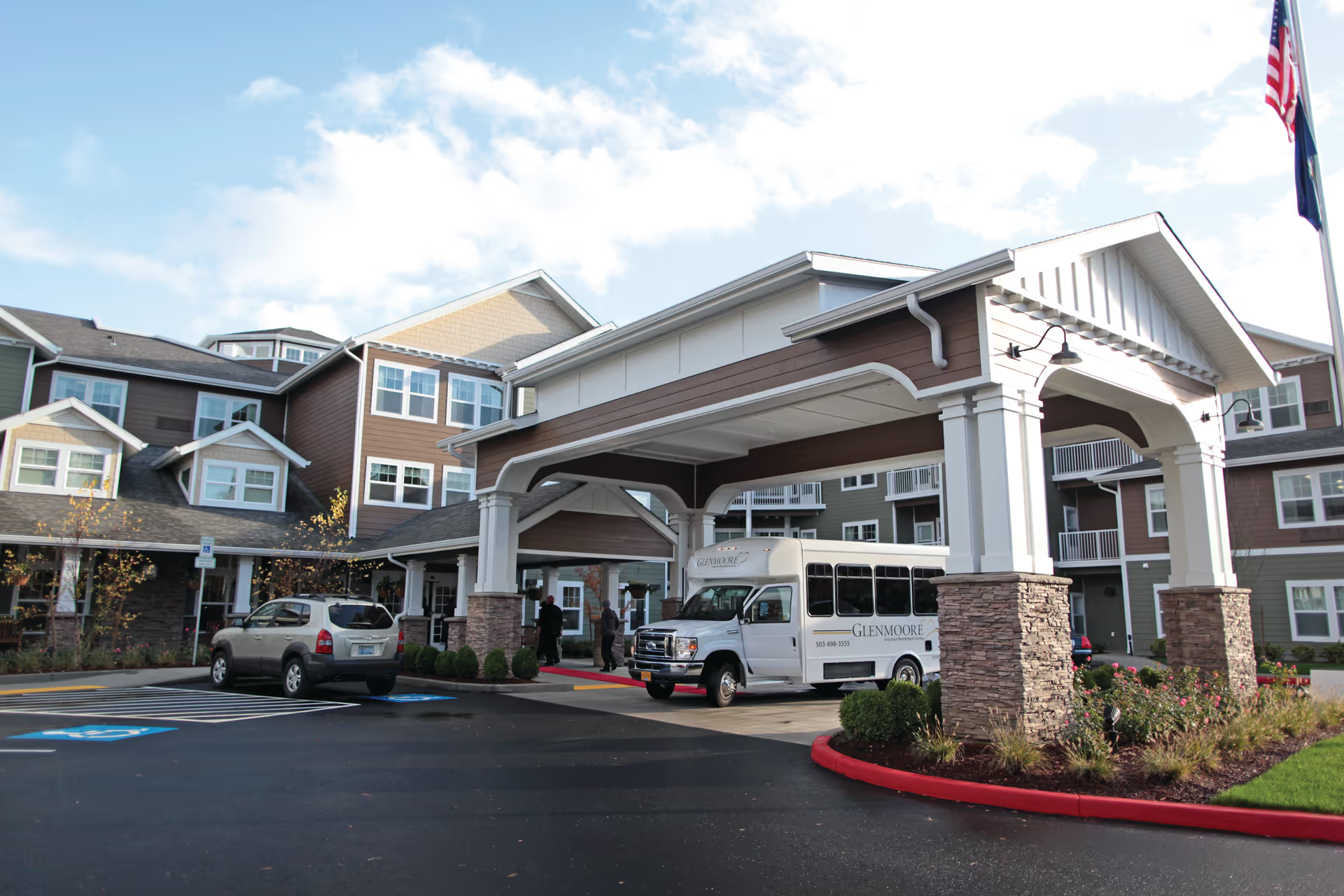
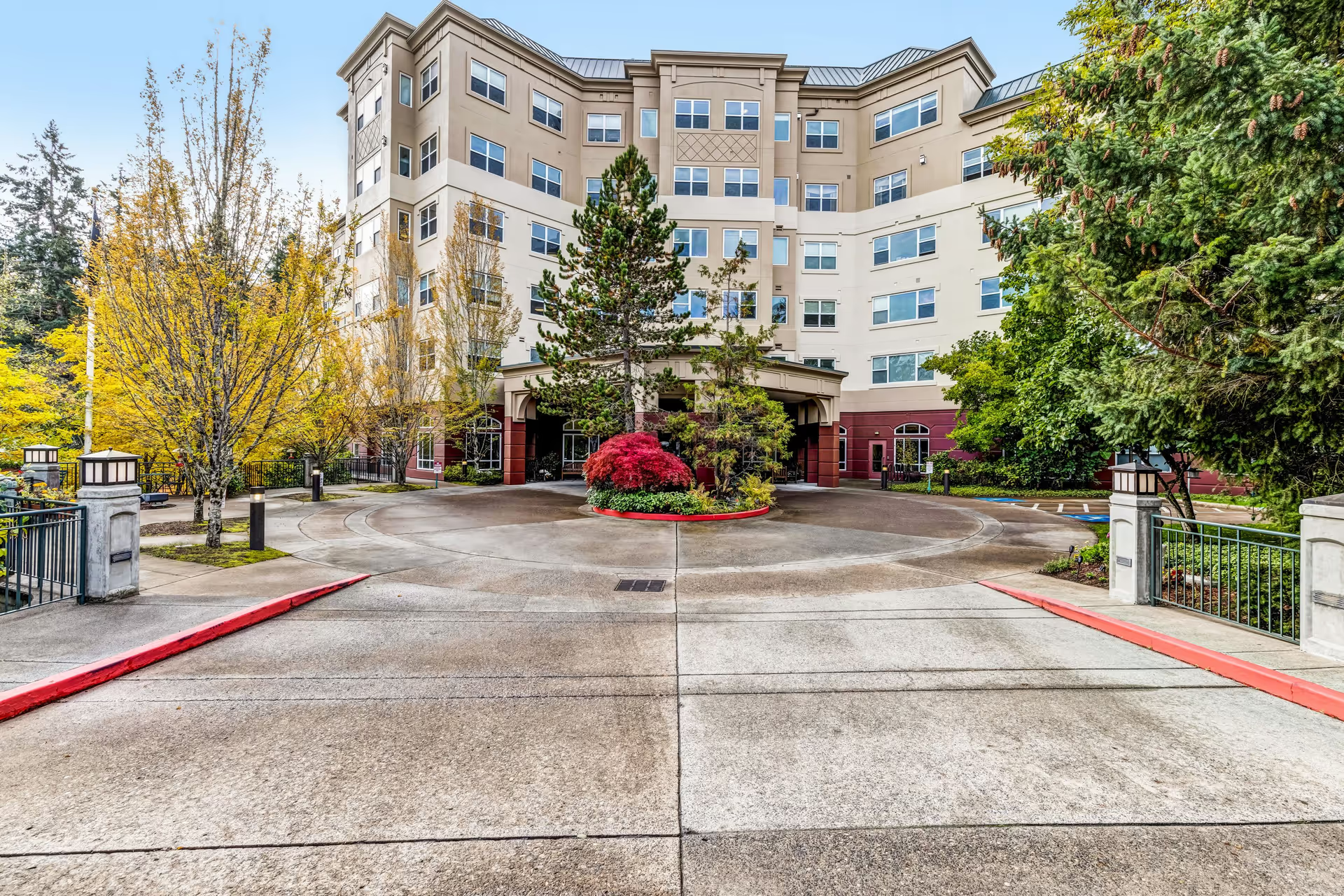
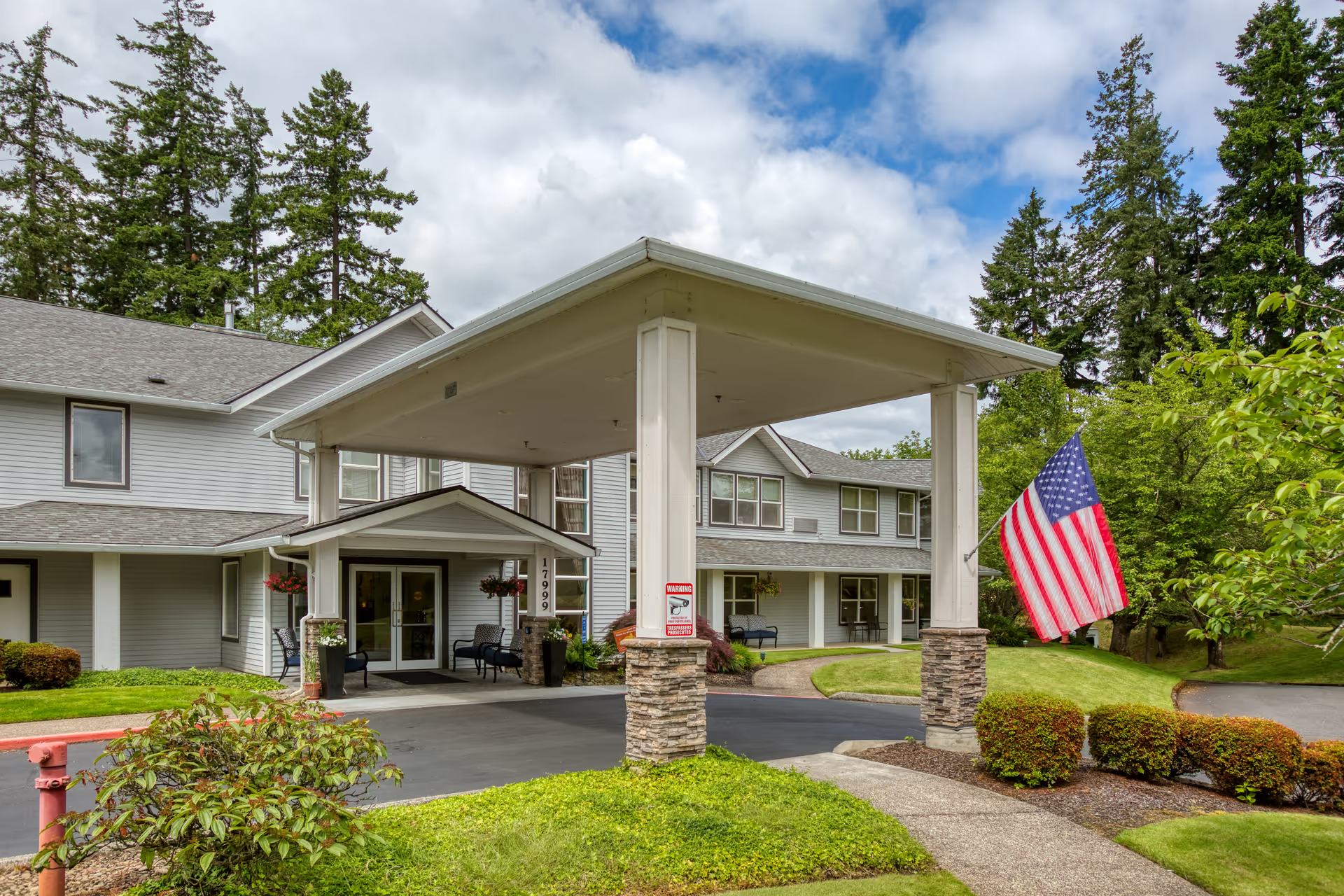
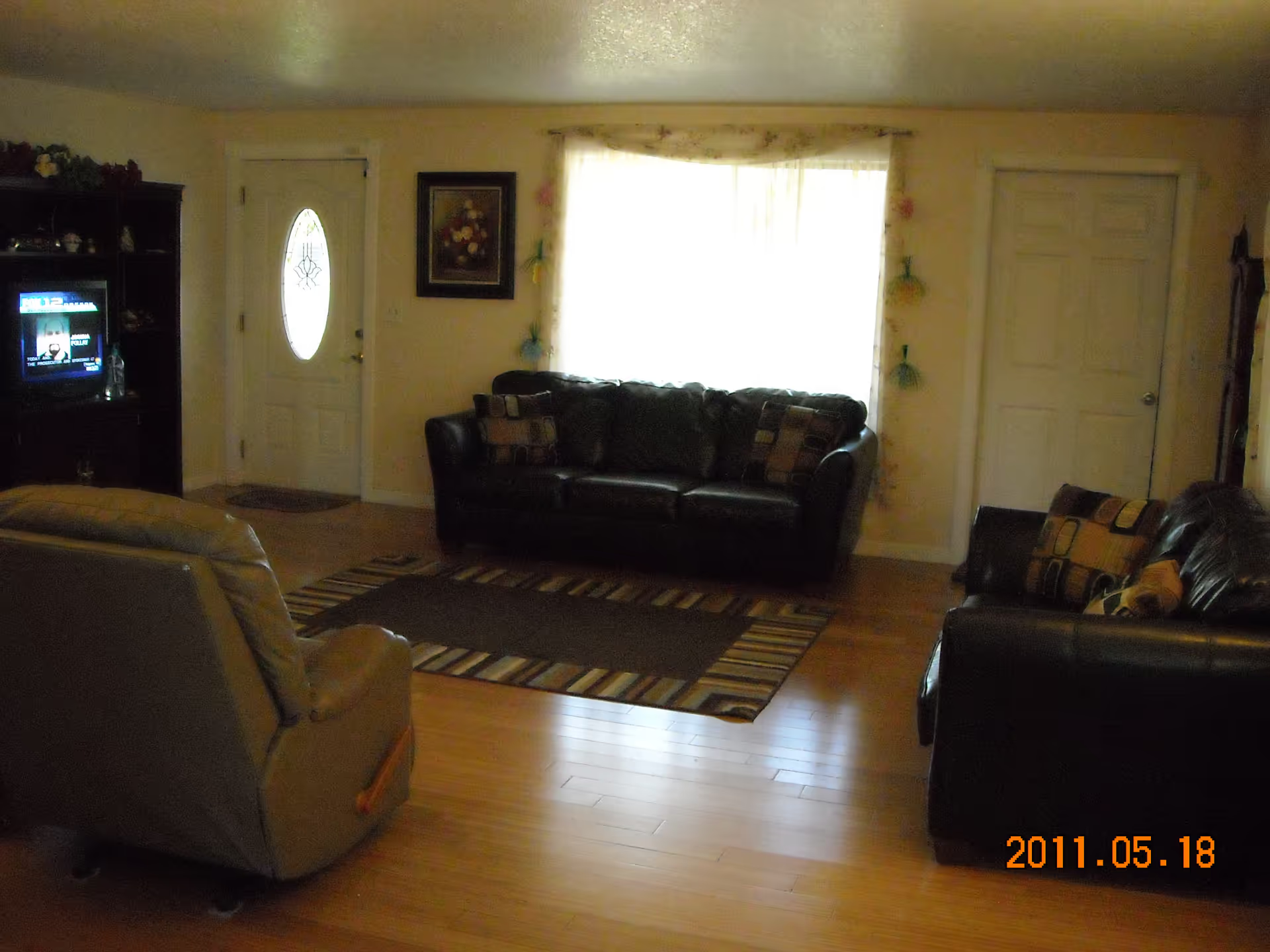
Environmental and housekeeping experiences are mixed. Many reviewers describe clean, bright common areas and well-maintained spaces, while others report sanitation and housekeeping shortfalls in resident rooms and circulation areas (trash not emptied, loose ceiling plaster, stacked linens, and similar maintenance items). Comfort issues are also described: dated or broken beds, inadequate padding or bedding, cramped rooms that limit furniture placement, poor lighting in some areas, and noisy hallways. These conditions point to uneven facility upkeep and environmental comfort across units.
Dining and personal-property handling receive variable assessments. Some residents praise meals as home-style and well prepared, while others report unappetizing or inconsistent food quality. There are also pockets of concern about lost or mishandled belongings and coordination failures when arranging transports or surgeries, indicating opportunities to strengthen inventory and transfer protocols.
Staffing and management impressions are split. Several reviewers commend specific staff and activities personnel by name for fostering a positive, encouraging environment that promotes recovery and social engagement. Conversely, other accounts describe staff who appear overworked or less skilled, and families note that response times and ability to answer clinical questions can vary by shift. Management responsiveness is likewise inconsistent in reviewer descriptions: some families find administrators helpful and cooperative, while others describe poor communication and limited follow-up.
Notable patterns for prospective residents and families to consider: the facility’s rehabilitation and activity programs are a clear asset and may deliver strong clinical outcomes for those seeking therapy-focused stays. However, variability in medication administration, documentation, discharge processes, housekeeping, and staffing levels produces uneven experiences. Before admission, families should confirm current staffing ratios, ask about medication-safety and handoff procedures, review discharge and transport protocols, and inspect the specific room/unit for cleanliness and comfort preferences. These targeted questions can help align expectations and reduce the likelihood of encountering the operational issues cited by reviewers.