Overall impression: Reviews present a mixed but coherent picture. Many families and clinicians describe strong rehabilitation and skilled-nursing capabilities, with a therapy team that produces measurable recovery progress and nursing staff who can be compassionate and attentive. Several reviewers specifically praised improved leadership under recent management changes and named social-work and admissions staff who provided helpful coordination. Commonly cited strengths include effective hospital-to-facility communication, accessible family updates, and a culture described as family-like by some relatives.
Clinical care and staffing: Clinical care is characterized by variability. When staffing is adequate and leadership is engaged, reviewers describe good-quality skilled nursing, timely therapy, and supportive care. However, inconsistent staffing levels and high turnover were repeatedly associated with delays in responsiveness, difficulty contacting staff, and variability in hands-on care. A number of accounts raised concerns about gaps in emergency-response and escalation protocols (for example delayed ambulance activation or slow attention after a fall), which suggests process weaknesses that can affect resident safety when acute events occur.
Medication, infection control, and safety: Several comments indicate potential weaknesses in medication-management controls, including concerns about controlled-substance handling. There are also references to infection-prevention and continuity-of-care lapses and to extended or complicated antibiotic courses; these items point to areas where clinical oversight and handoffs may need strengthening. A few reviews go further, raising allegations of theft and inappropriate staff conduct; those are serious individual claims that would warrant investigation by families and regulators.
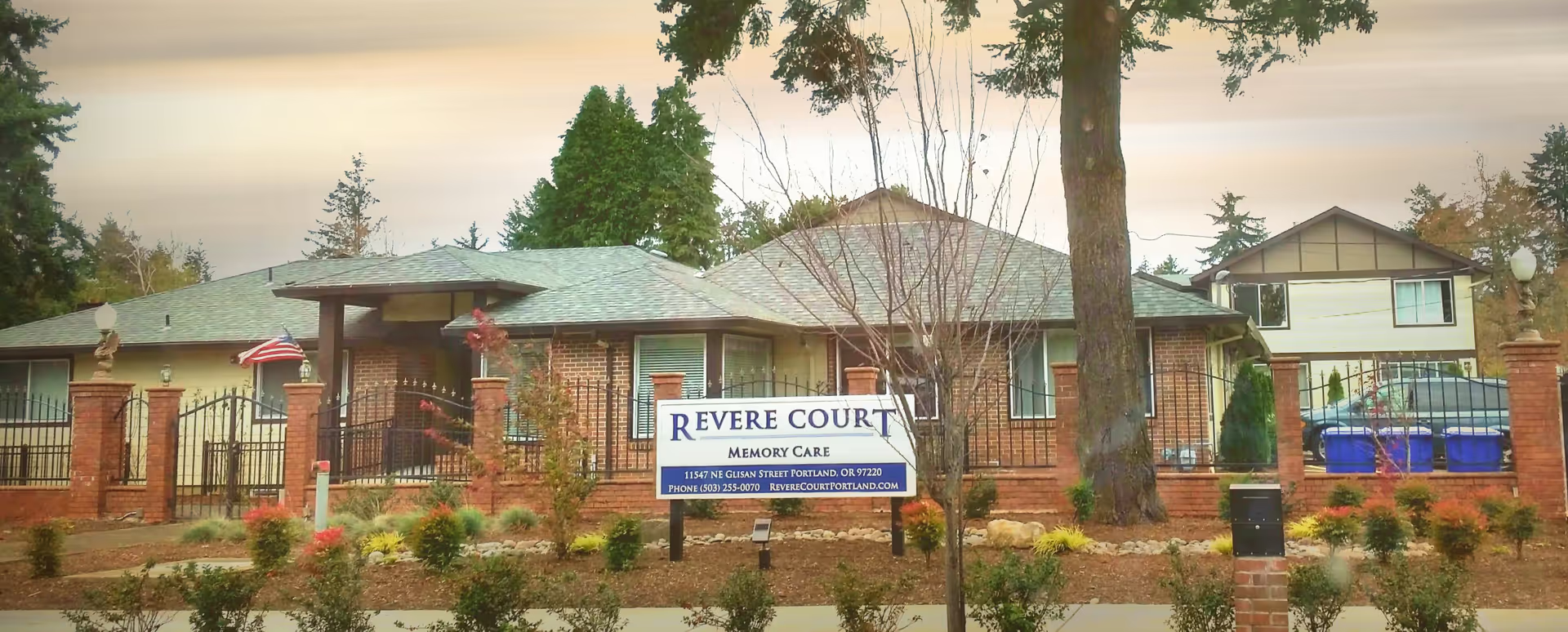
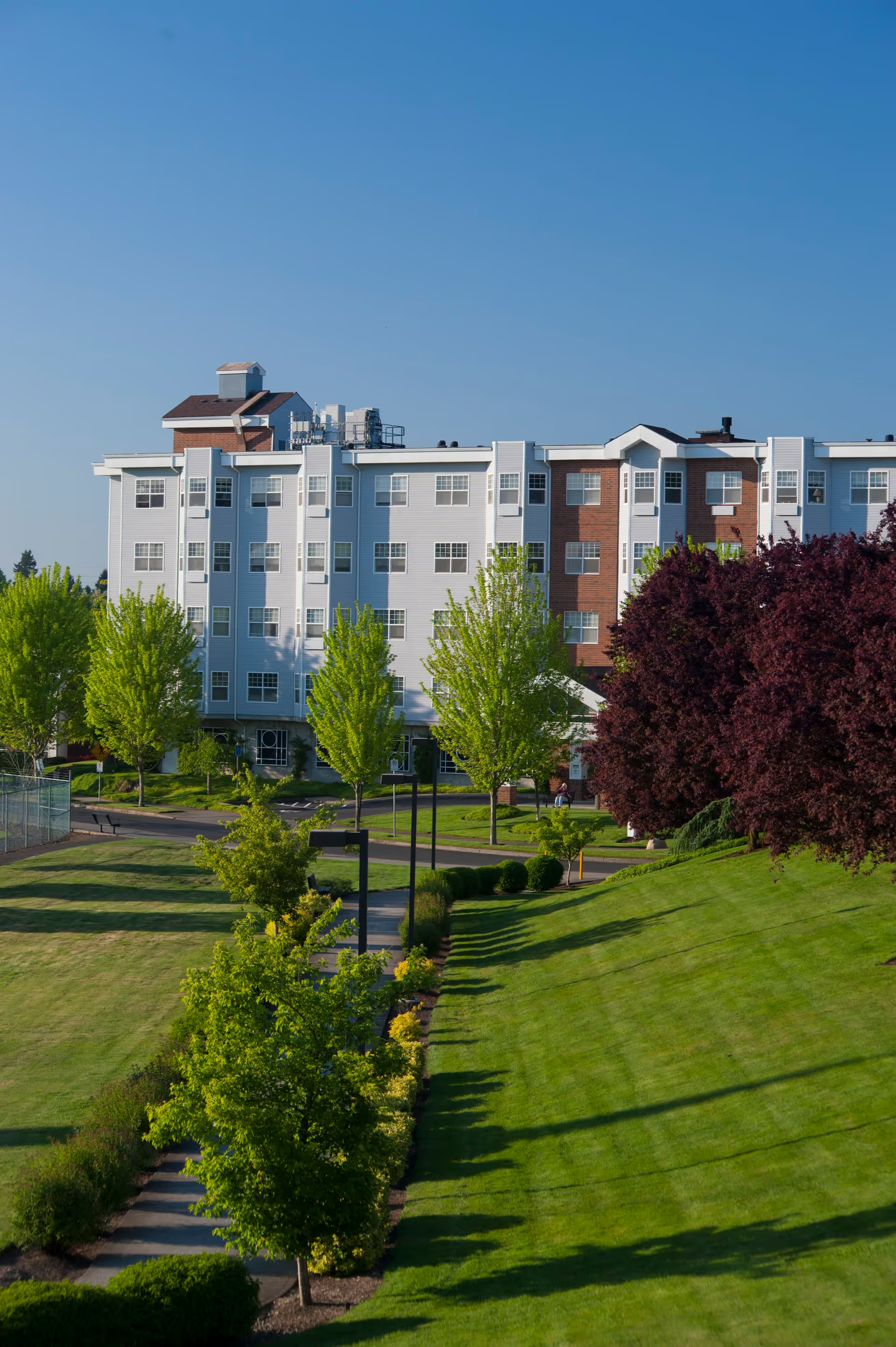
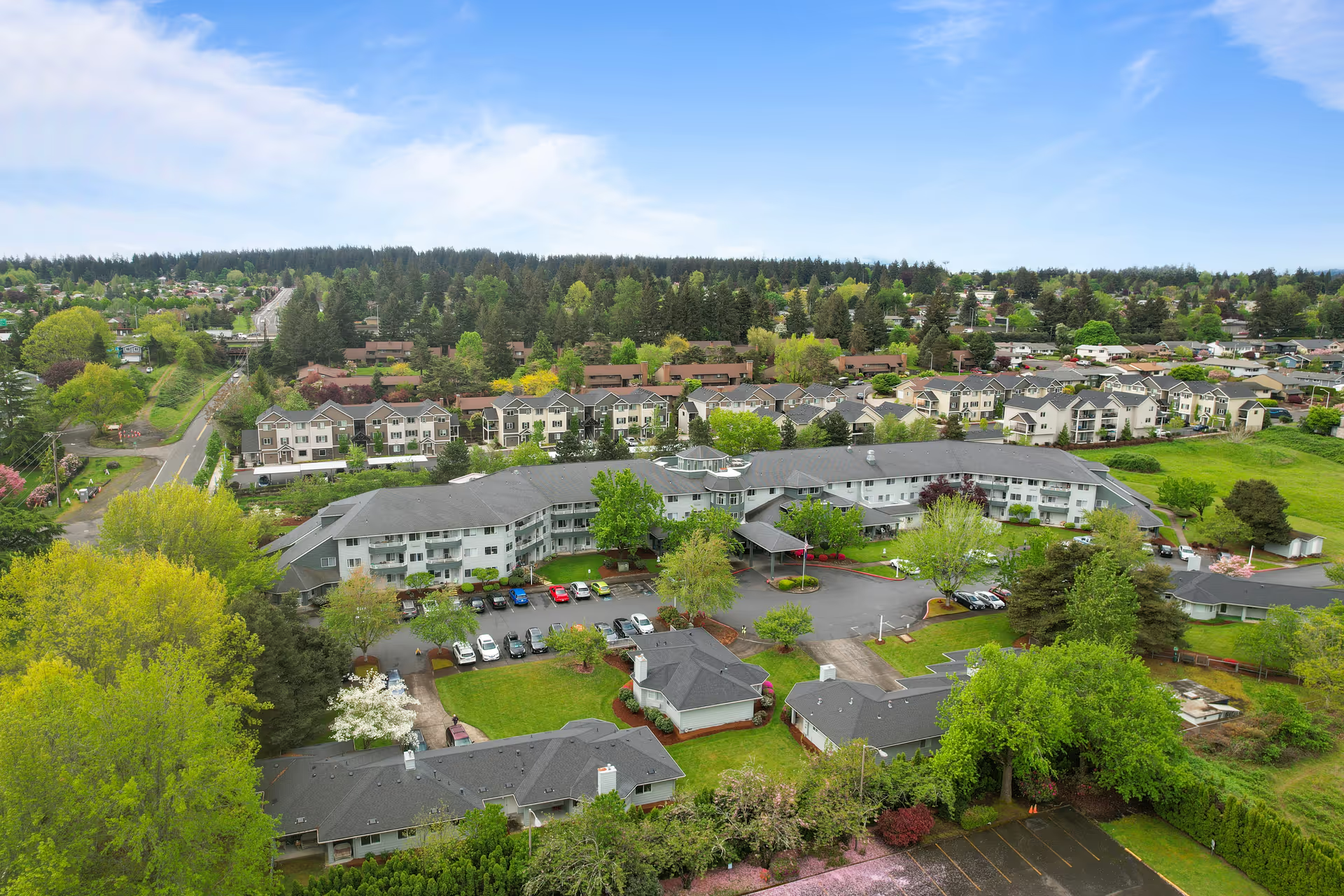
Facilities, dining, and amenities: The physical plant receives mixed feedback. Common areas and general cleanliness are often described positively, but resident rooms are characterized as aging and, in some units, overcrowded due to double-occupancy arrangements. Dining is a recurrent concern—numerous comments cite poor food quality and inconsistent meal service. Minor operational nuisances (for example a malfunctioning reception machine) were also mentioned.
Management and family experience: Leadership changes and an engaged administrator were frequently noted as positive influences on culture and outcomes. Individual staff members (social workers and administrative liaisons) were repeatedly praised for clear communication and practical help. At the same time, communication gaps between shifts and between staff and families were a recurring theme, contributing to frustration and uneven family experience.
Notable patterns and advice for prospective families: The dominant patterns are a facility capable of good clinical and rehabilitative outcomes when staffing and oversight are functioning well, paired with operational inconsistencies that can produce significant variability in day-to-day experience. Prospective families should assess current staffing levels, emergency-response procedures, medication-control practices, infection-control protocols, room availability/occupancy, and meal samples or menus. Asking management about recent quality-improvement initiatives and outcomes since leadership changes may help clarify whether the facility’s positive trends are sustained.