The Pines at Philadelphia receives predominantly positive feedback, particularly for short-term rehabilitation. Residents and families frequently describe kind, attentive staff and report progress with physical and occupational therapy, including improvements in walking, strength, and independence. Several accounts also emphasize respectful treatment, a sense of familiarity with staff, and help preparing for the transition home. However, experiences are not uniform: a smaller group describes gaps in basic assistance and clinical follow-through, so families may wish to ask about current staffing, response practices, and how care concerns are escalated.
Staff are the most consistently praised aspect. Nurses, aides, therapists, housekeeping, dietary, and social-services staff are often described as approachable and compassionate, with particular appreciation for individual employees who provide encouragement or help coordinate care. Other accounts describe variable courtesy and delayed help with daily needs, especially when residents require mobility or bathroom assistance. Several reviewers also raised concerns about staffing levels and workload, which may affect response times.
Rehabilitation is a notable strength in many accounts. Reviewers describe structured therapy, attentive therapists, and meaningful progress toward individualized goals. Positive comments also cover assistance arranging follow-up services and, in some cases, coordination for outside treatment. In contrast, some families questioned whether clinical needs were consistently monitored or whether changes and incidents were communicated promptly. Medication administration and reconciliation concerns appear in more than one account. One family raised serious concerns about medication continuity and unanswered questions following a resident's death; the review does not establish the cause. Other accounts questioned the handling of falls, infection-control concerns, and escalation of symptoms. These are important issues for families to discuss directly with facility leadership.
Dining feedback is generally favorable, with residents describing meals as good, varied, or served hot. Some reviewers appreciated alternative choices and dietary adjustments. Others report incorrect meal requests, limited accommodations, or insufficient help with setup and eating. Activity feedback includes praise for bingo, games, music, and holiday gatherings, while one account found programming limited during weekends. Families may want to ask what activities are available during the expected stay and how residents are assisted in participating.
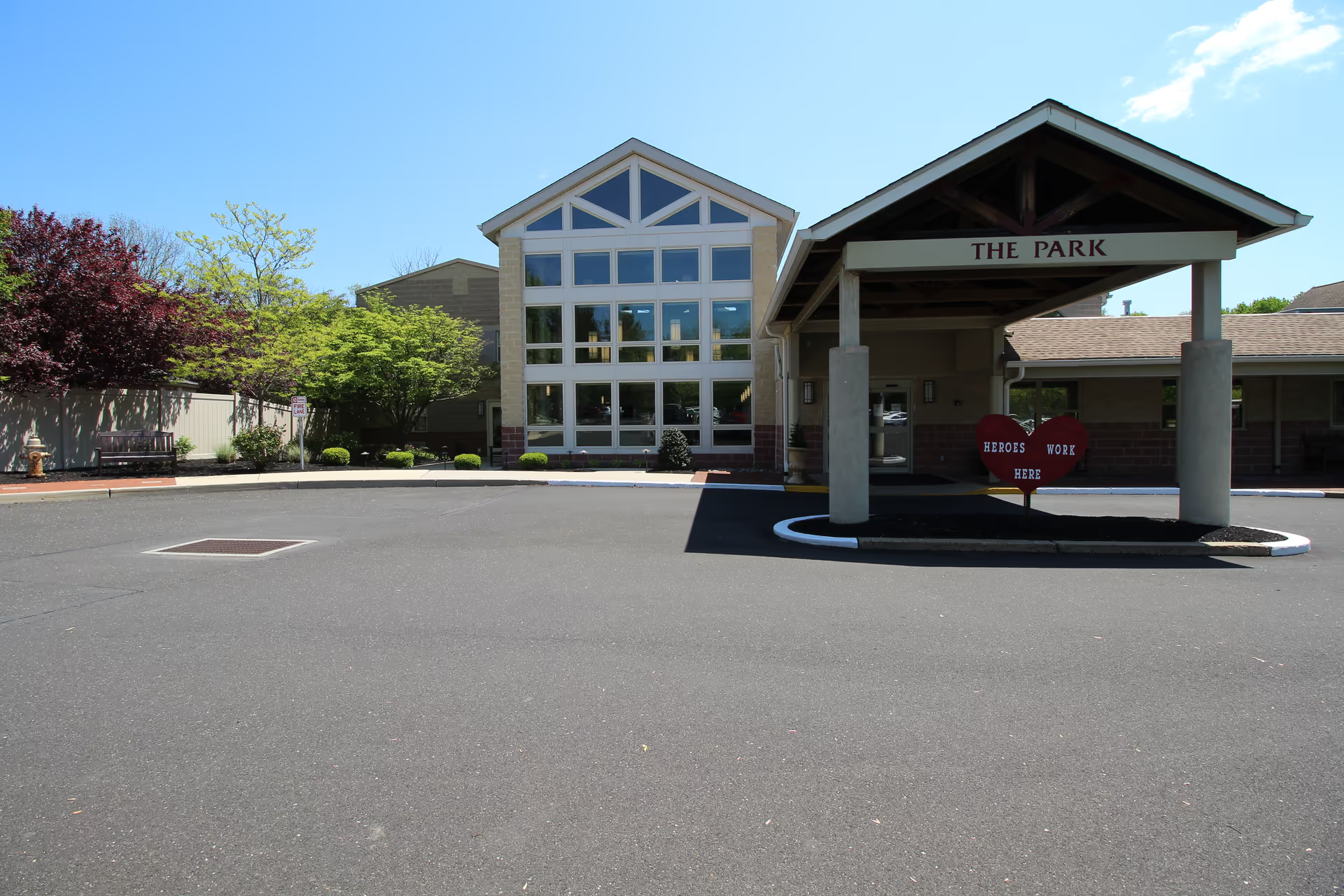
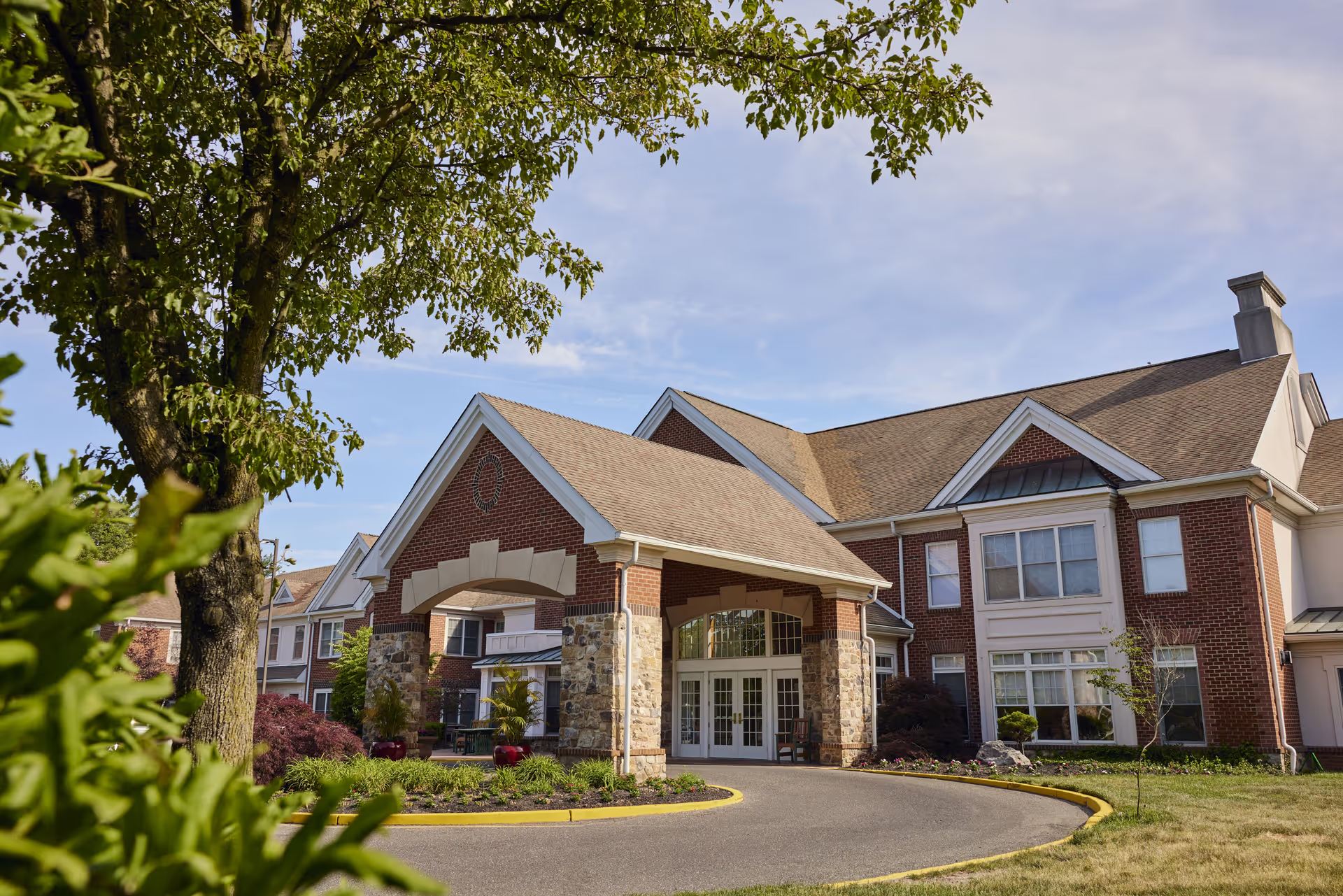
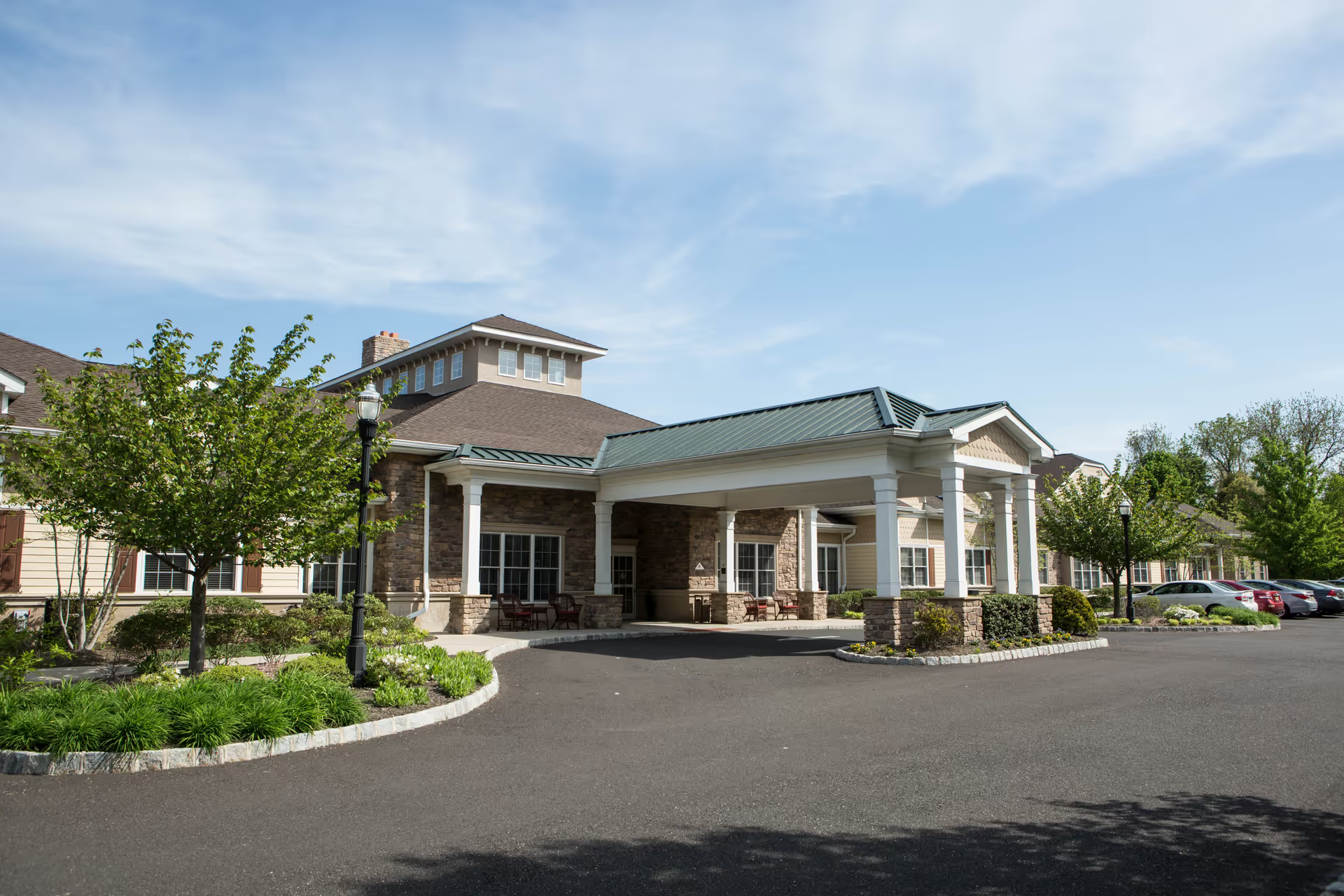
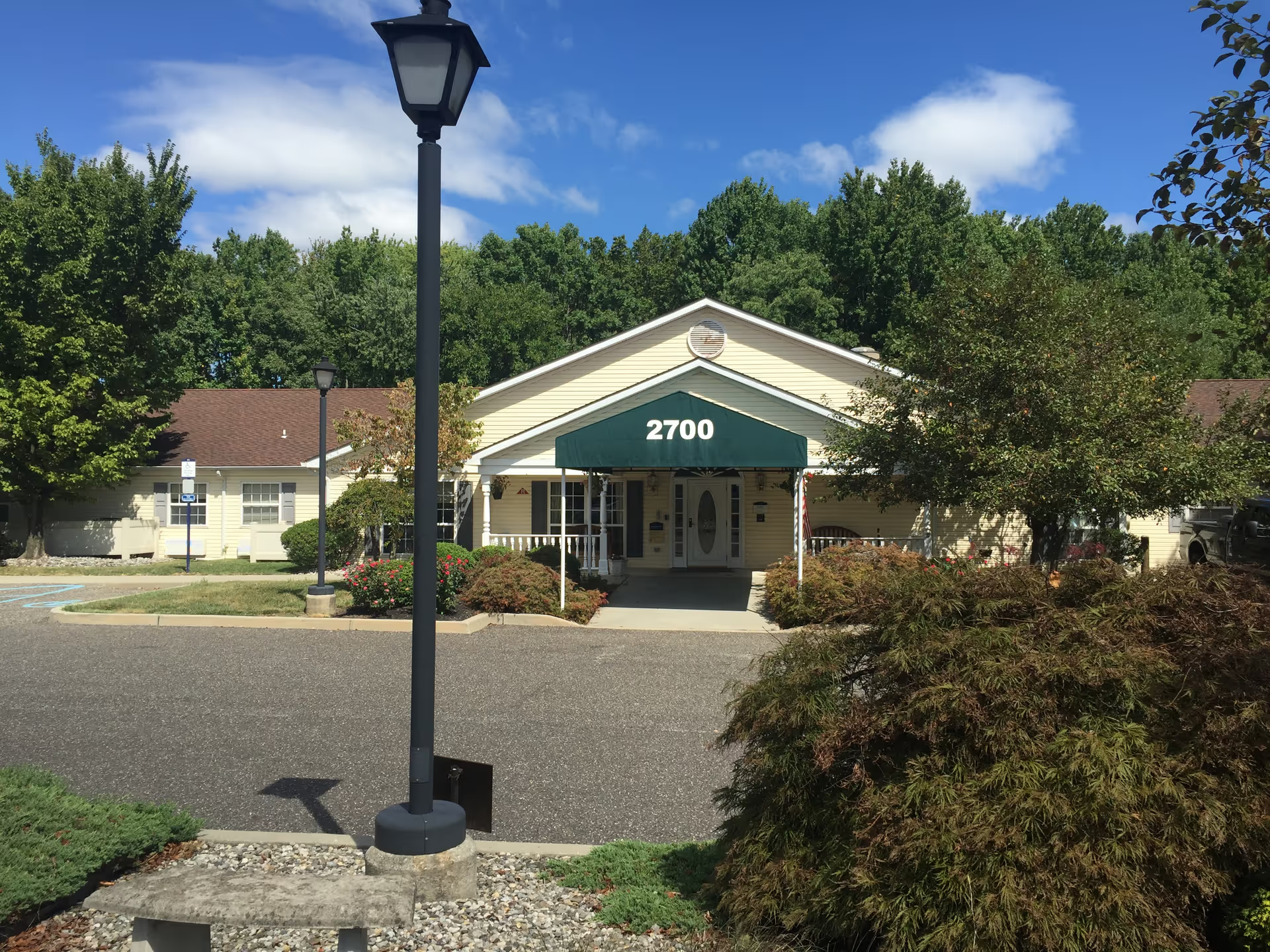
The building is often described as clean, bright, comfortable, and welcoming, with spacious rooms and convenient parking. A number of visitors specifically praised the overall upkeep and fresh environment. A few accounts, however, describe room or linen-management issues and odor concerns, indicating that standards may vary by room or time. Management and social-services experiences are mixed: some families found leaders accessible and responsive, while others described difficulty reaching decision-makers, unclear coverage explanations, or dissatisfaction with discharge communication. Overall, the reviews suggest a facility with frequently praised rehabilitation and interpersonal care, alongside recurring concerns about staffing capacity, response consistency, medication processes, and communication. Prospective residents and families may benefit from discussing these areas during a visit and confirming how concerns are documented and resolved.