The reviews reflect a facility with a mixed performance profile: a number of families describe positive clinical and rehabilitative outcomes delivered by therapists and certain frontline staff, while an overarching pattern of inconsistent operational practices raises sustained concerns. Positive experiences emphasize effective therapy, coordinated aftercare, medication continuity during transitions, and individual staff members who are caring and attentive. However, these strengths appear unevenly distributed across the facility.
Care quality and clinical oversight are recurrent themes. Many accounts indicate delays in responding to resident requests and call bells, as well as lapses in attending to toileting and hygiene needs in a timely manner. Reviewers also describe inconsistent follow-up on treatments and medications, and limited on-site physician availability; these operational gaps can create uncertainty about ongoing medical management. Families reported situations where planned treatments required additional family involvement to ensure completion.
Staffing and communication present a mixed picture. Several reviewers highlighted compassionate, hardworking aides, therapists, and administrators who contributed to recoveries and social engagement. At the same time, there are repeated concerns about staff tone, unprofessional communication, occasional profanity, and perceived indifference. The front desk is frequently described as unattended, producing entry delays and reduced visibility of leadership on the floor.
Dining and rehabilitation services are similarly inconsistent. Multiple reviews note poor food quality, removed meal trays when residents did not finish, and limited or uneven feeding assistance for residents who require help. Rehabilitation outcomes are often singled out as a strength when therapy is delivered, but access to consistent rehab schedules and activity programming appears variable; some residents benefited from substantial improvement, while others received minimal activity or limited therapy availability.
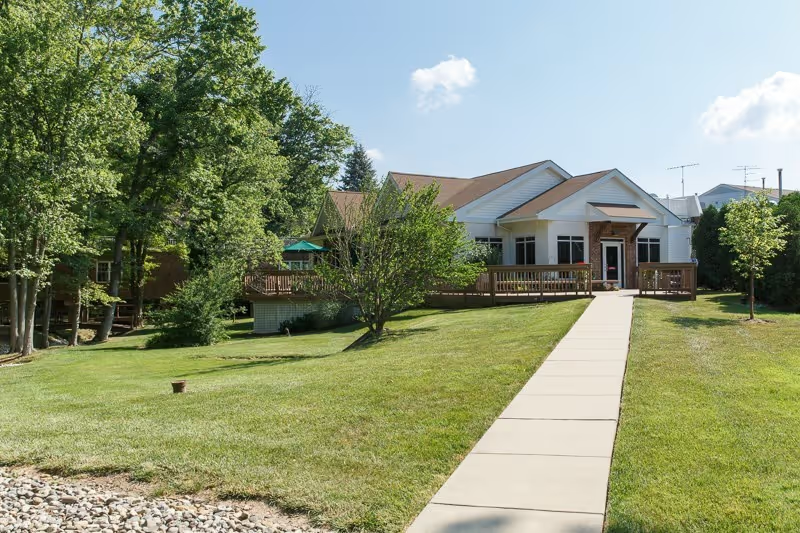
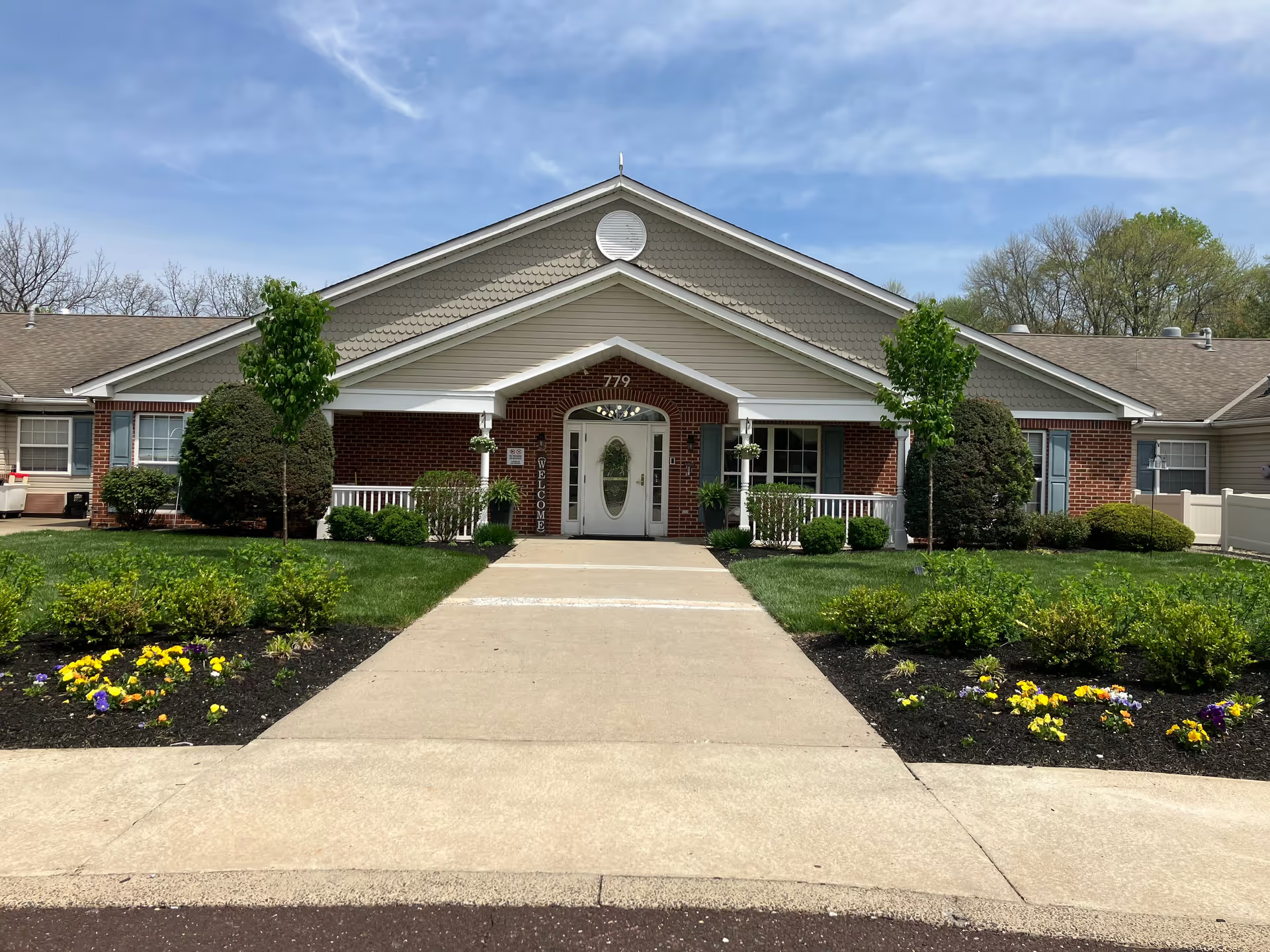
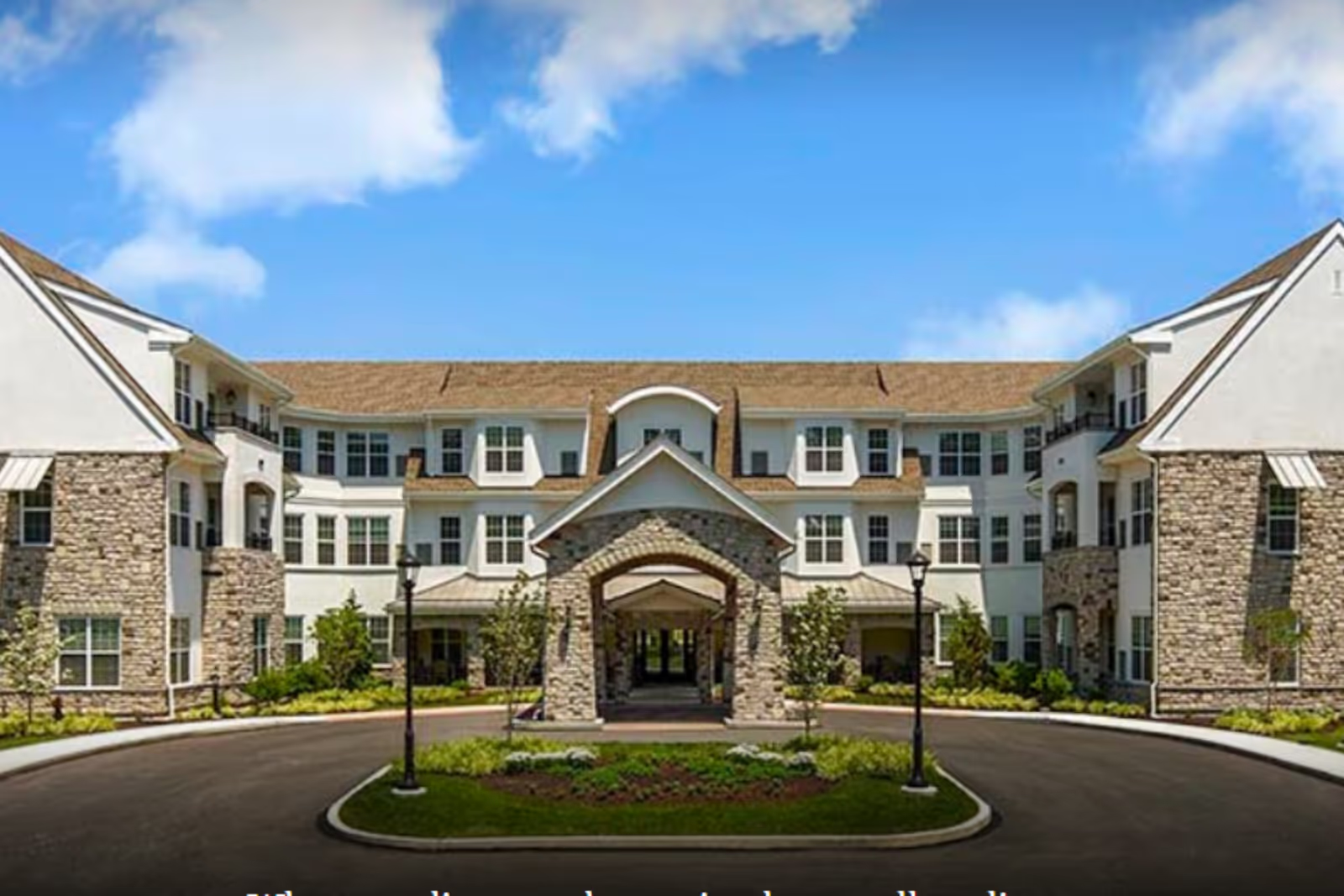
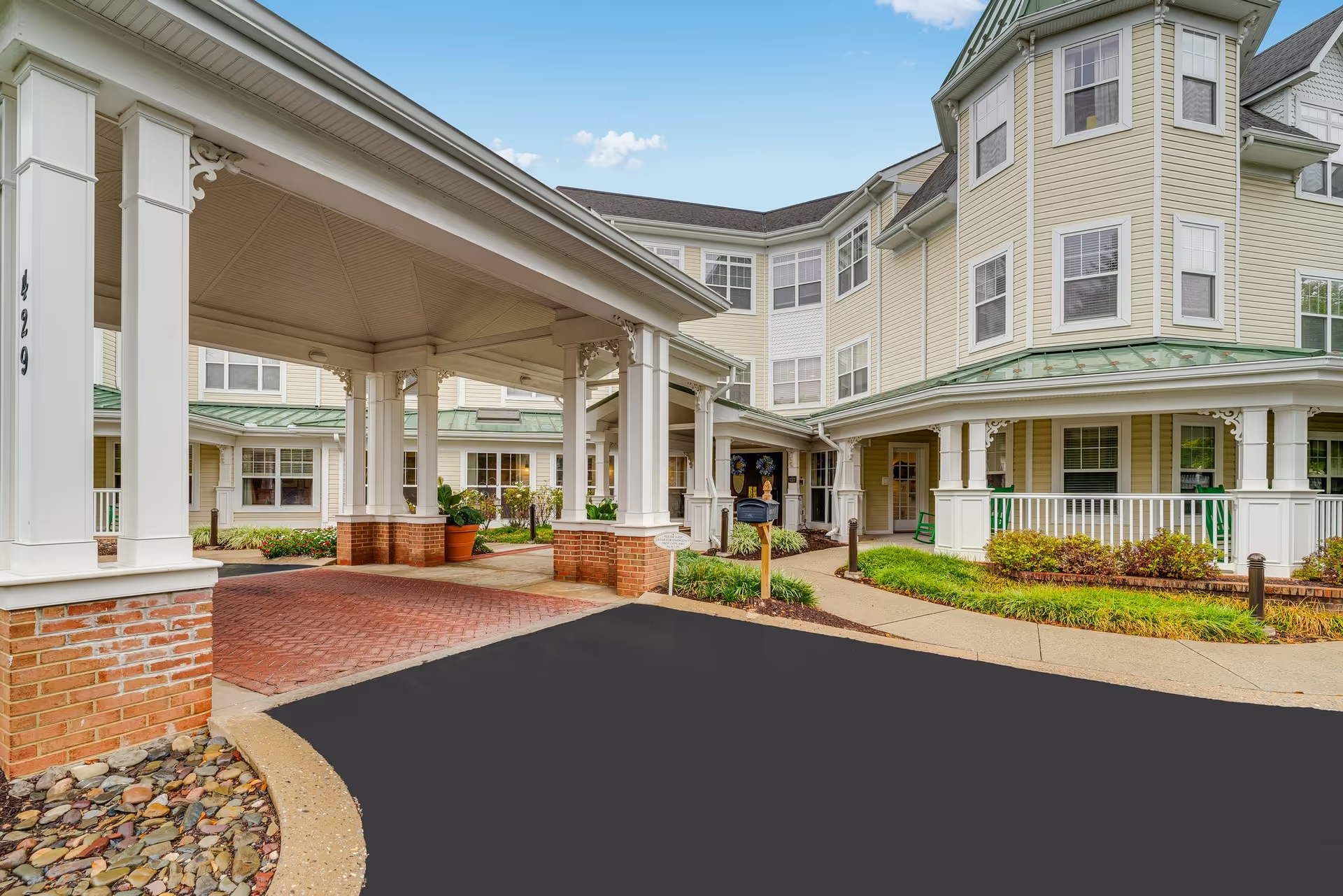
Facility condition and safety issues are raised across reviews. Reported sanitation and odor concerns in rooms and common areas, pest-control concerns, leaking fixtures, and cluttered, narrow hallways were described as affecting comfort and mobility. These environmental issues, combined with staffing gaps on the floor, were cited as contributing to safety and infection-control worries.
Management and administrative patterns warrant attention. Reviewers describe a perceived emphasis on insurance and financial processes, disputes over coverage or discharge decisions, and occasional resistance to family requests. Several families expressed frustration with communication and accountability when problems arose, and some suggested the need for regulatory review or investigation to address systemic deficiencies.
For prospective residents and families: consider an in-person tour focused on operational details (call-bell response times, front‑desk staffing, visible clinical leadership, infection-control practices, pest-control measures, dining samples, and the facility’s process for feeding assistance). Ask about on-site physician coverage, average staffing ratios on each shift, formal complaint and escalation procedures, and specific rehabilitation schedules. The facility demonstrates clear clinical strengths in therapy and certain staff members, but the pattern of inconsistencies across care, environment, and administration suggests that family involvement and careful evaluation will be important when deciding whether this facility is an appropriate fit.