Overall impression: Reviews describe a facility with clear strengths in rehabilitation, certain clinical specialties, and a renovated, comfortable environment, alongside recurring operational weaknesses that affect a subset of residents. Families and patients frequently praised the physical and occupational therapy teams, named nursing staff and aides who provided compassionate care, and noted attractive rooms and amenities. At the same time, many accounts describe variability in everyday care delivery and administrative follow-through.
Care quality: Clinical care appears mixed. The therapy program (PT/OT/speech) receives consistent positive feedback for meaningful progress and encouragement; therapy staff are often described as a core strength. Wound-care expertise is available and in some cases highly effective. Conversely, reviewers described inconsistent medical knowledge among some staff and physicians, delays or errors in medication administration, and instances where medication changes or consent were not clearly communicated to families. These patterns suggest reliable rehabilitation outcomes for many patients, but uneven medical-management processes that families should monitor closely.
Staff and responsiveness: Numerous reviews highlight compassionate, attentive nurses and CNAs who go above and beyond, and several frontline staff members received individual praise. However, staffing variability—especially between day and night shifts—was a repeated concern. Common operational issues include slow responses to call bells, long waits for assistance, and uneven coverage during breaks. These responsiveness problems are linked to perceived declines in dignity and comfort for some residents and merit attention from leadership.
Dining and nutrition: Feedback on food is mixed. Some families described meals as adaptable and palatable, with dietitians willing to tailor options for preferences. Others reported cold meals, limited menu choices, and dietary accommodations not always implemented as instructed. Prospective residents with specific dietary needs should confirm nutrition plans and follow-up processes.
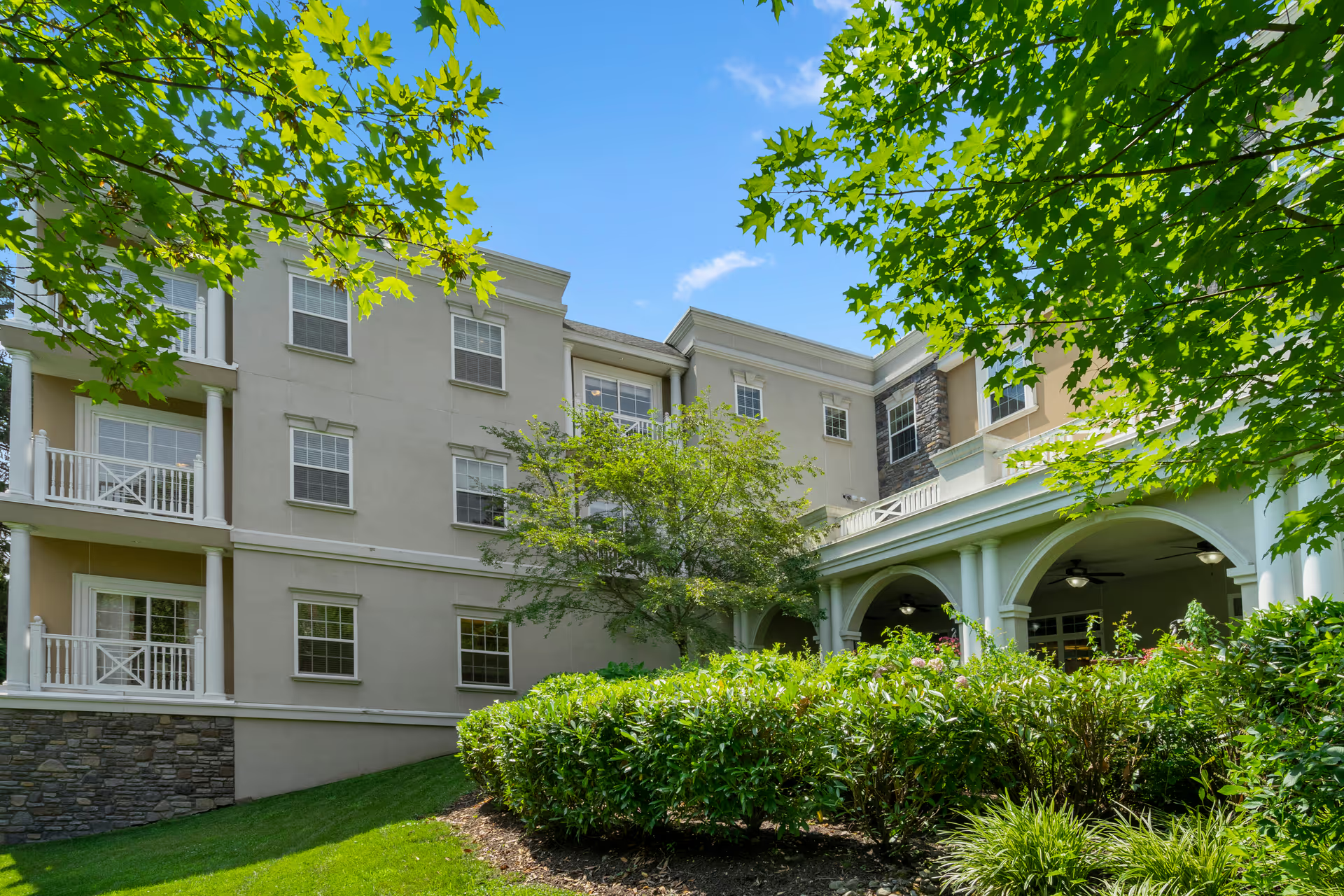
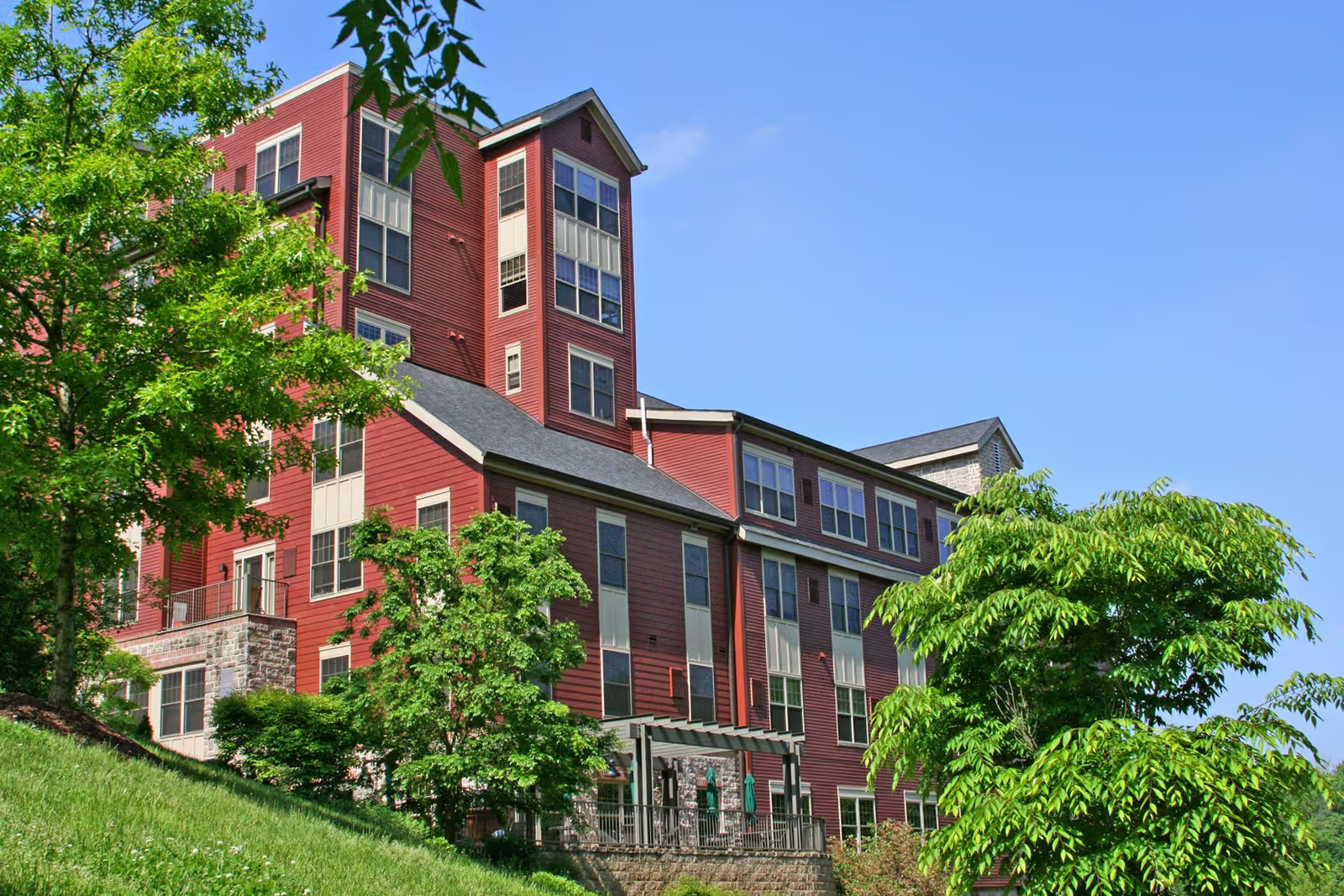
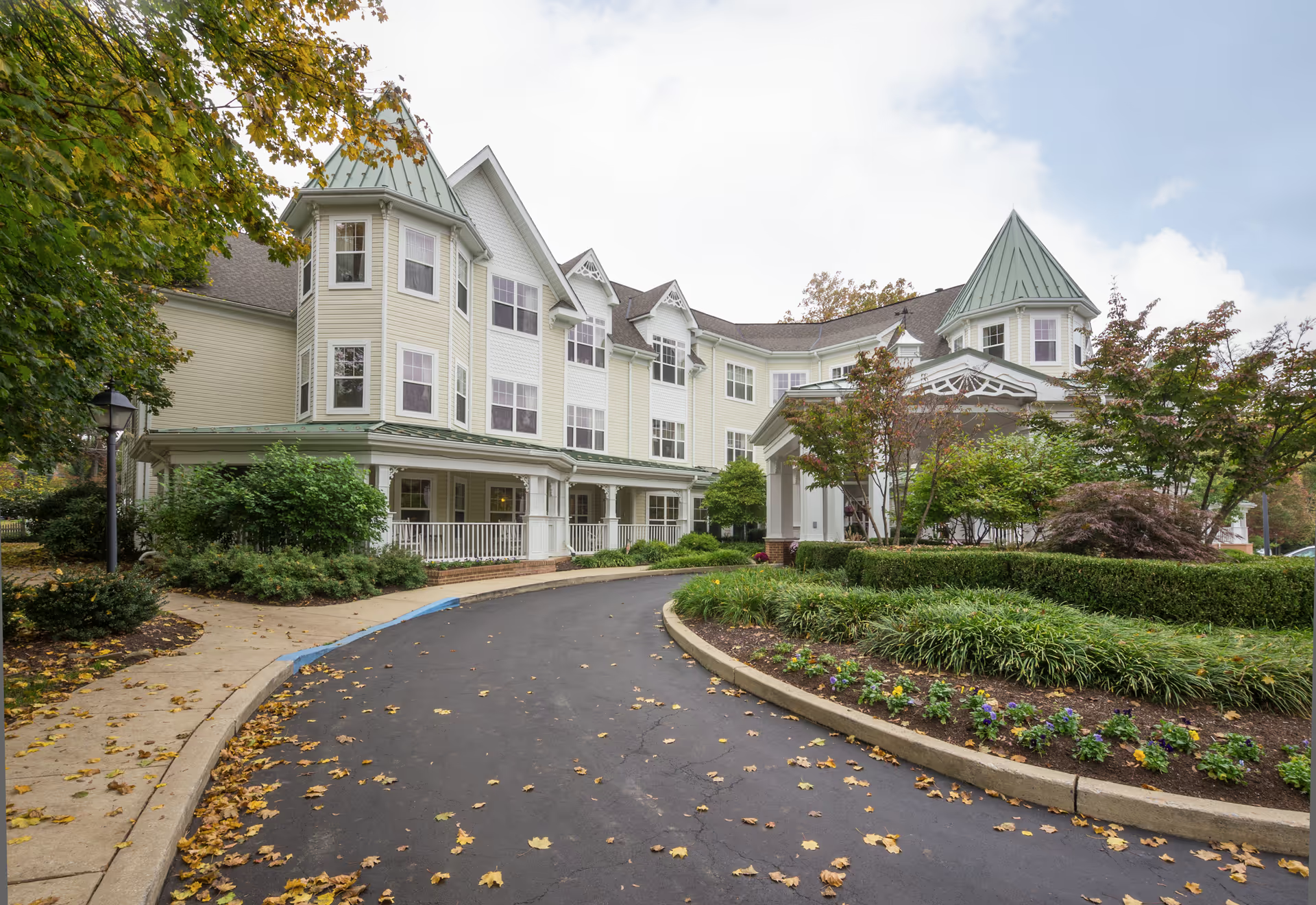
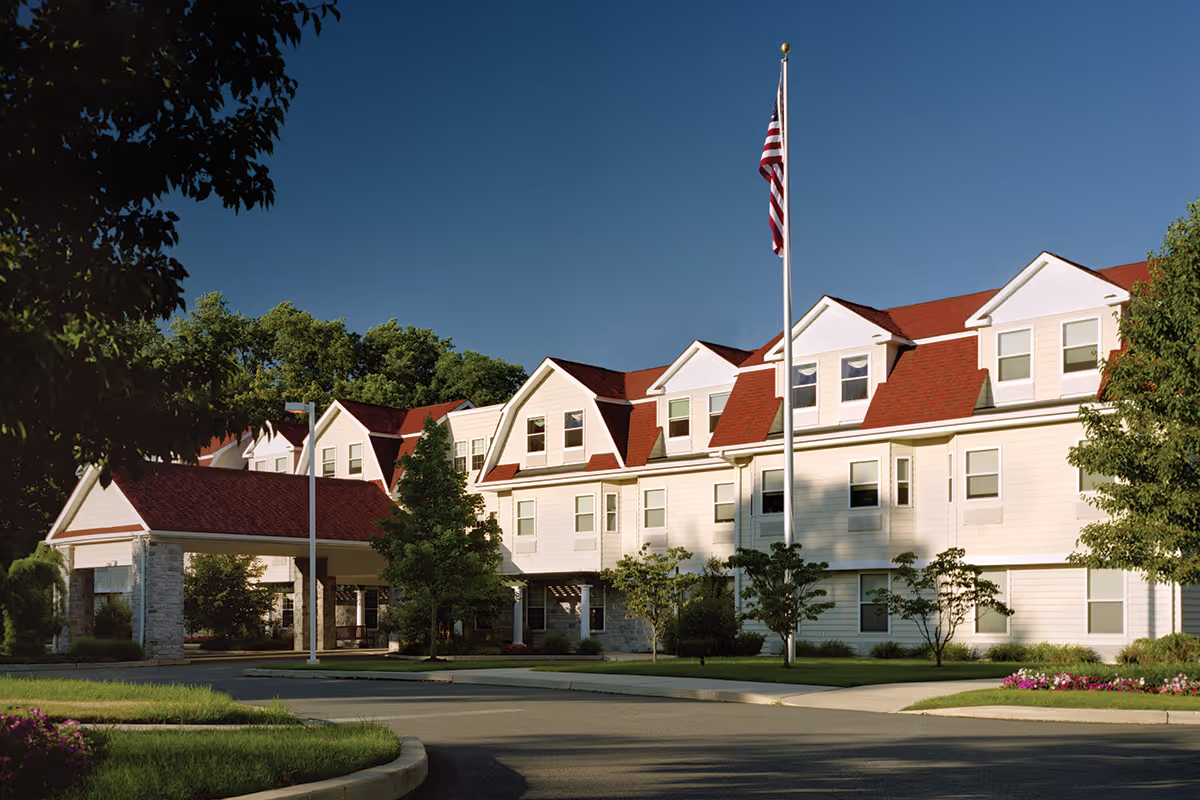
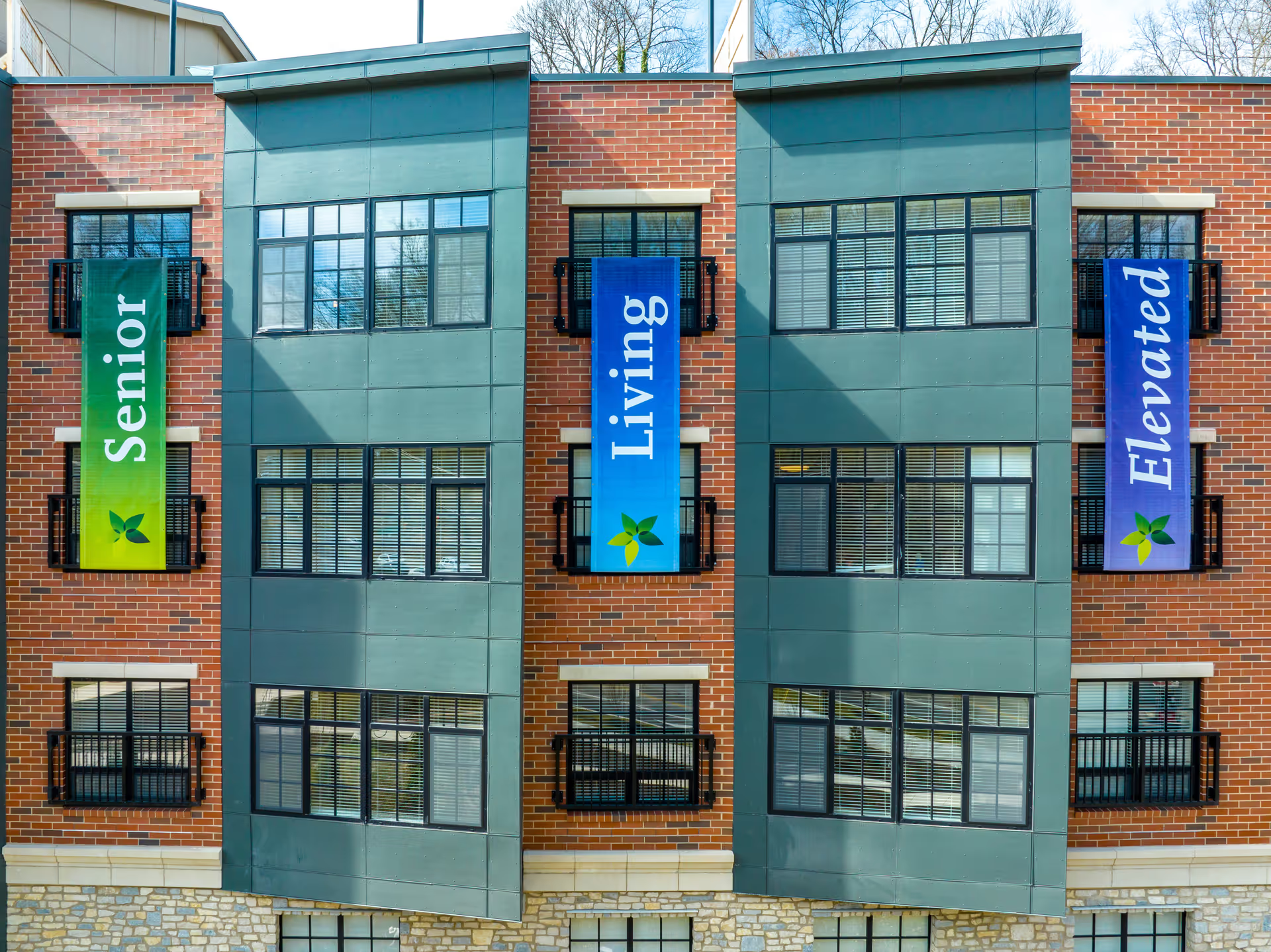
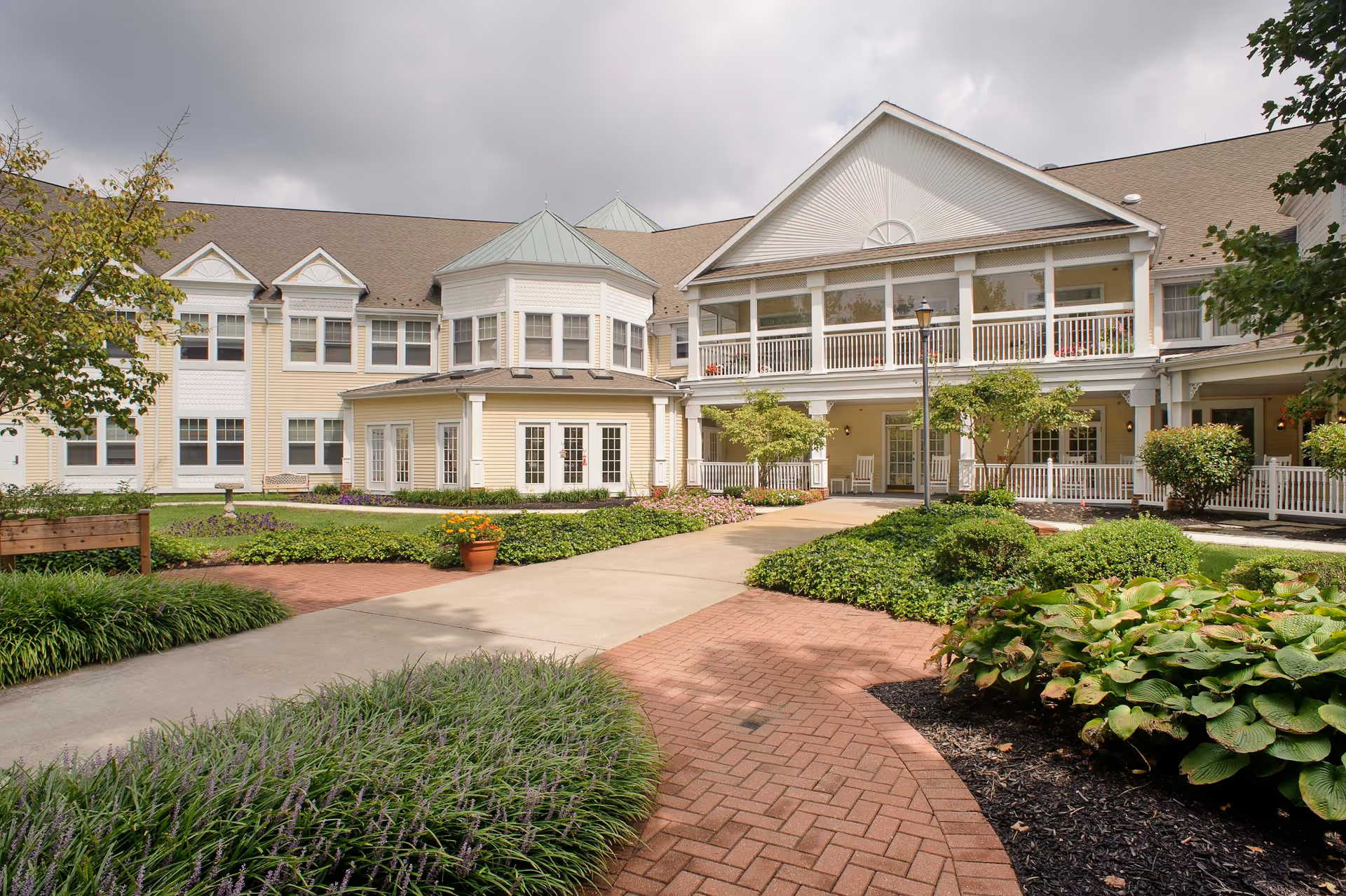
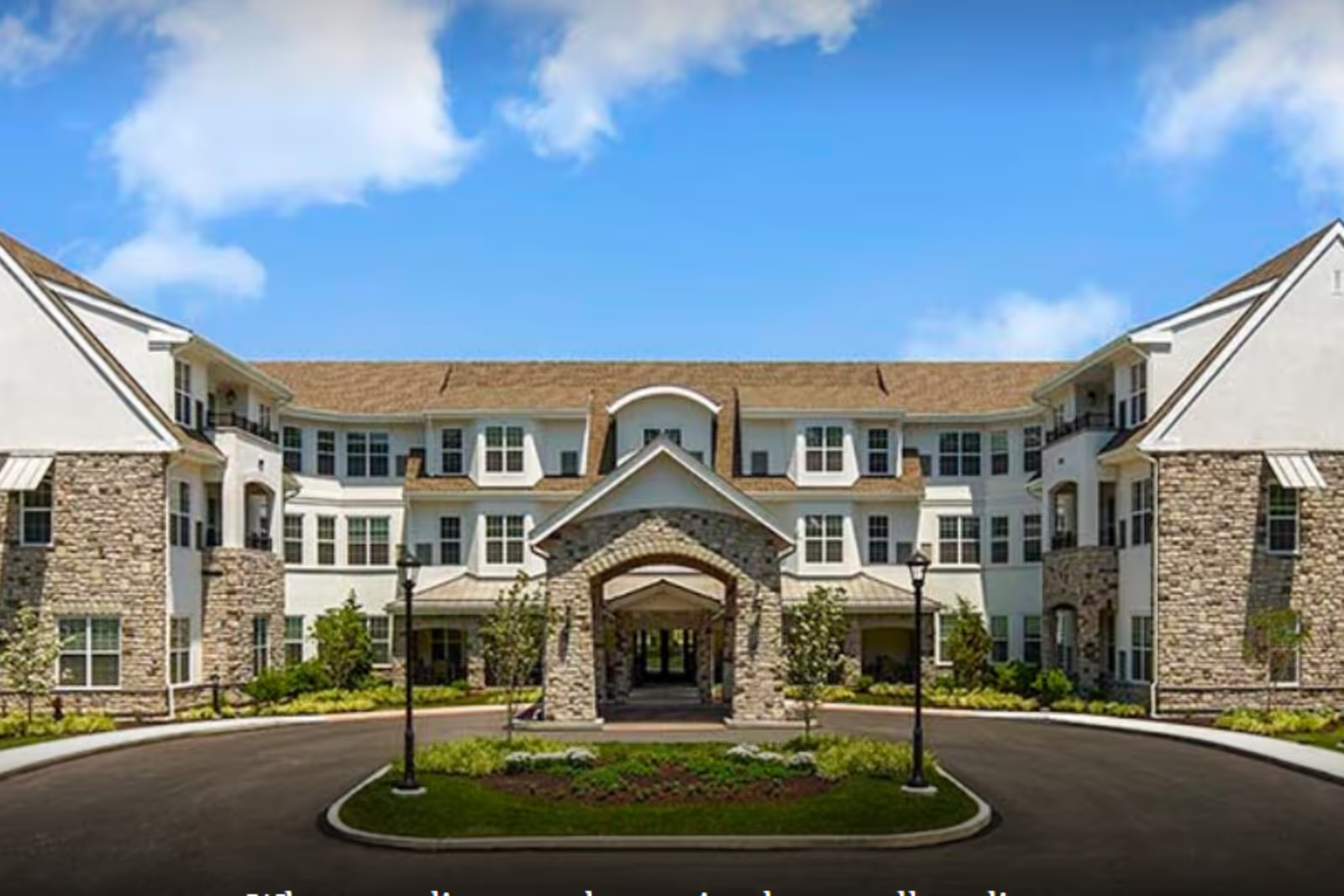
Activities and environment: The facility’s activities program and communal spaces receive positive marks. Many reviewers appreciated a lively activities calendar, outings, and a well-equipped rehab gym. The building’s renovation, hotel-like aesthetic, and comfortable rooms are frequently cited as positives that contribute to a more pleasant recovery environment.
Facilities, cleanliness, and safety: Housekeeping and maintenance are often praised, and many found the building clean and well-kept. However, a notable subset of reviews raised sanitation concerns, localized odor issues, and pest-control concerns in specific units. There are also reports indicating lapses in incontinence care and hygiene schedules. Equipment readiness and emergency preparedness were singled out in some accounts (for example, concerns about oxygen supply and defibrillator functionality). These are operational safety areas families should verify during a tour and on admission.
Management and communication: Communication quality appears inconsistent. Some families praised responsive administrators and social workers who coordinated discharge planning effectively. Others described poor communication, delayed or missing discharge paperwork, unreturned calls from social services, and a perception of administrative buck-passing. Discharge coordination and aftercare planning were specifically noted as areas with potential for improvement.
Notable patterns and risk areas: The overall pattern is one of strong rehabilitative capability and many dedicated caregivers but uneven reliability across other operational domains. Recurrent themes for follow-up include staffing stability (particularly overnight), call-response times, consistent medication practices and consent communication, incontinence-care protocols, pest-control and sanitation monitoring, and equipment maintenance. There are also serious individual claims—including allegations of theft and financial misconduct—that families may want to evaluate further through direct inquiry and by reviewing regulatory or grievance records.
Recommendation for families: For those considering this facility, a focused intake conversation is advisable. Ask about current staffing ratios by shift, medication-administration and consent protocols, infection-control and pest-management measures, emergency-equipment checks, and the unit’s discharge-planning process. If rehabilitation is the primary need, the facility’s therapy strengths may be a strong fit; if 24/7 medical consistency and responsiveness are paramount, request specific examples of how management addresses night-shift coverage and rapid-response concerns before admission.