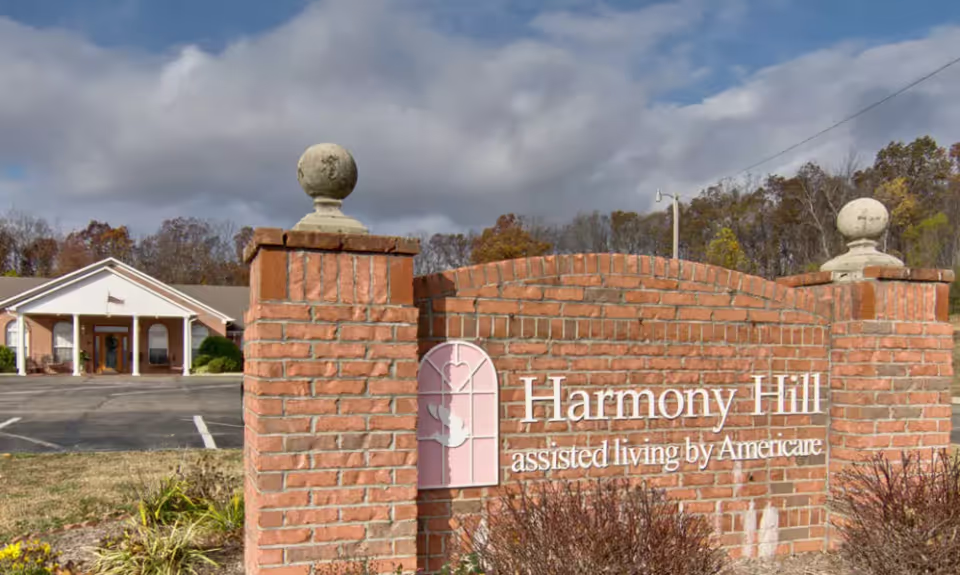
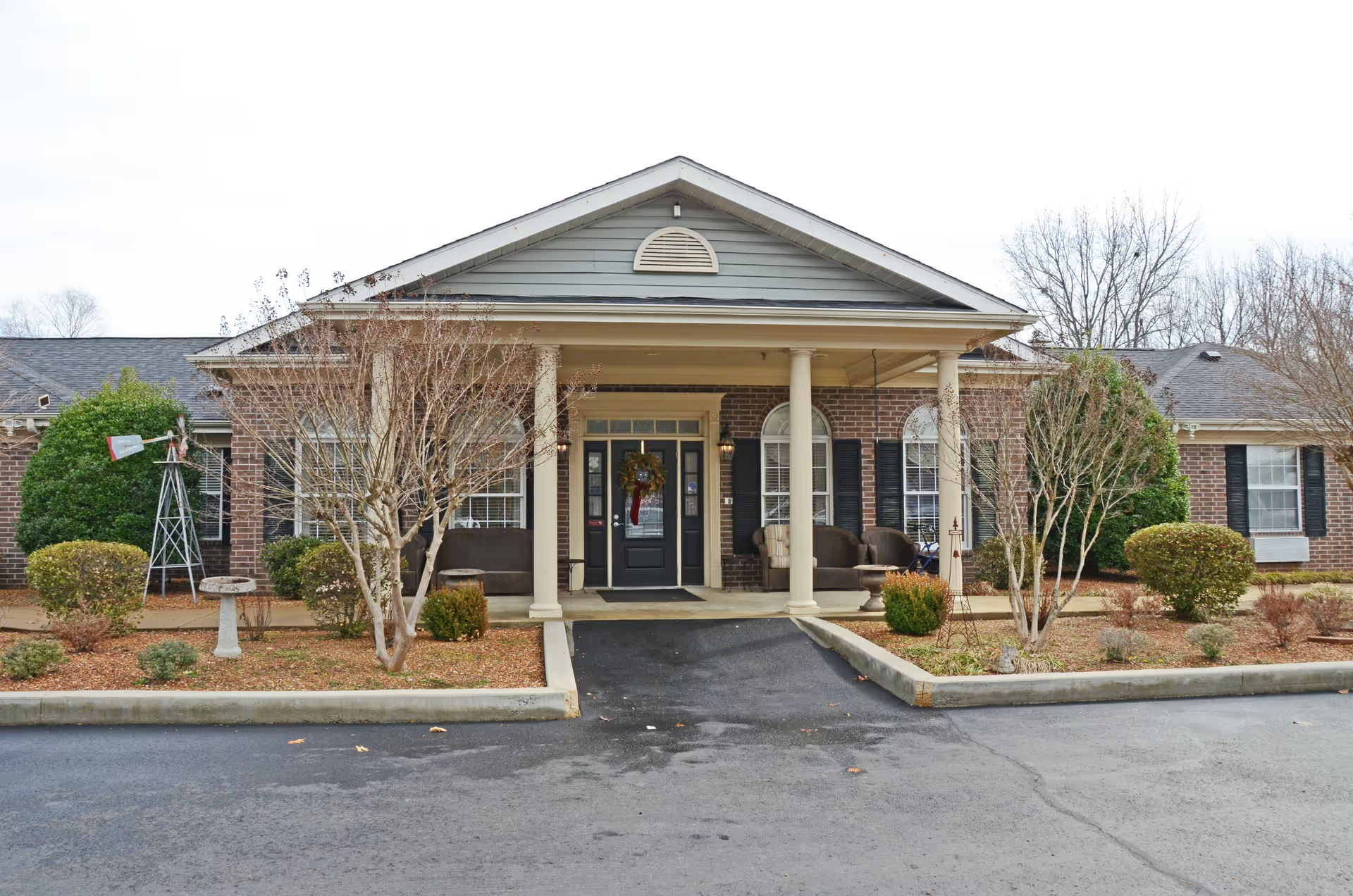
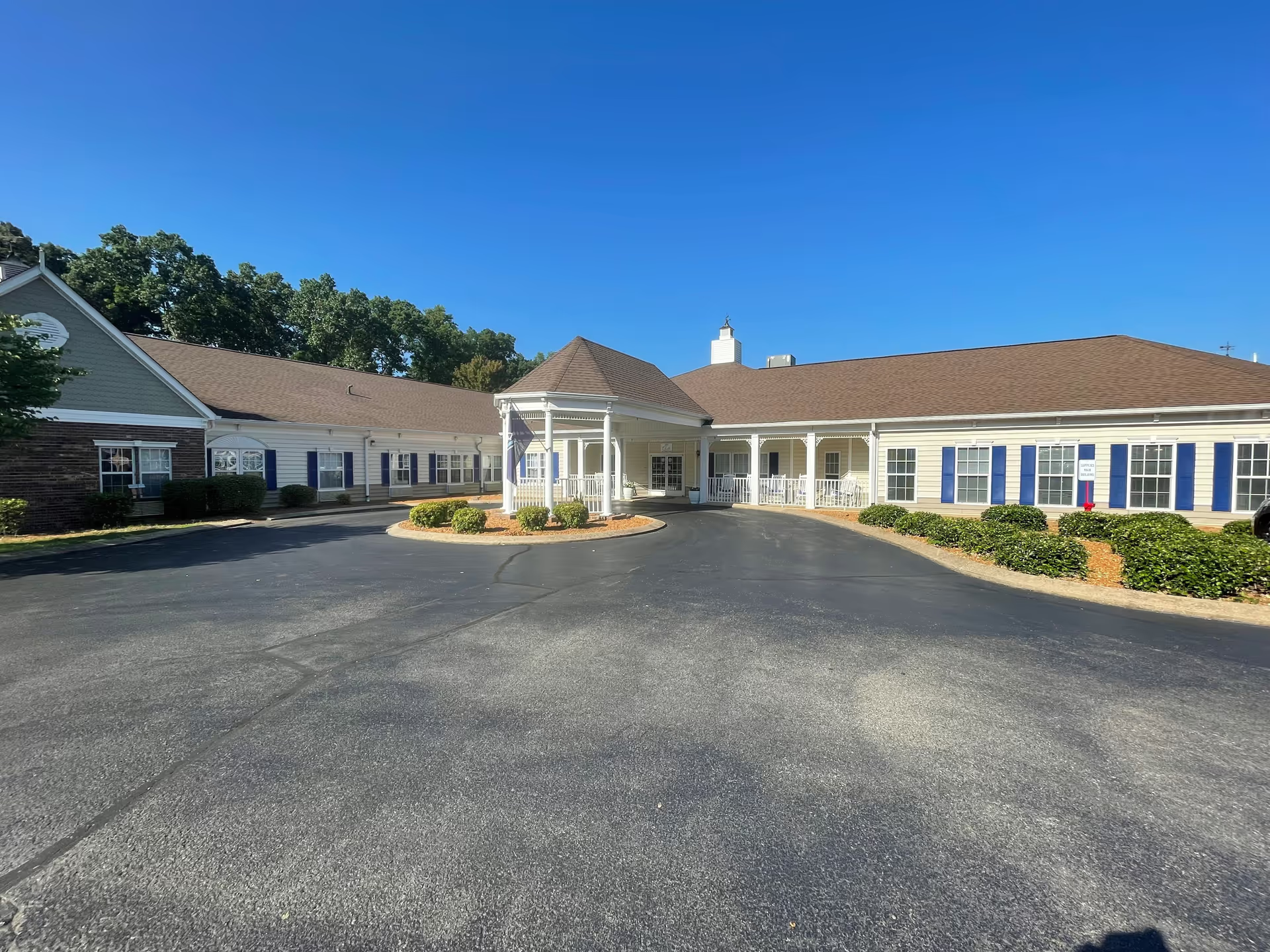
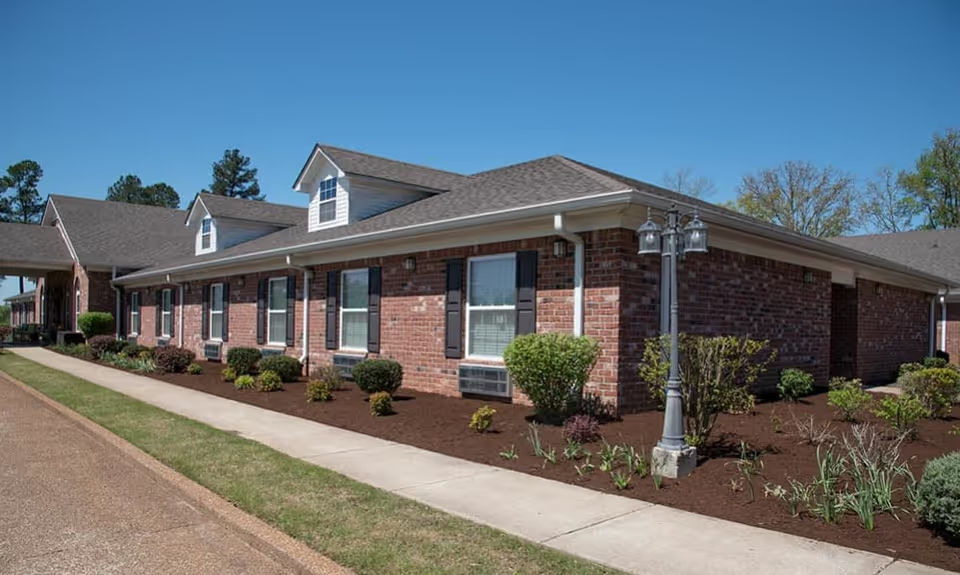
Overall impression: Reviews present a facility that offers a largely positive, family-like environment with many strengths in direct caregiving, therapy services, and leadership visibility. Many families highlight a clean, updated campus and a welcoming dining area, and they frequently describe staff as warm, attentive, and compassionate. These strengths appear to provide many residents and families with reassurance and a sense that individualized attention is available.
Care and staff: The dominant theme is attentive, compassionate caregiving delivered by staff who make an effort to personalize interactions (greetings, one-on-one support, and family-style attention). The therapy department receives particular praise for its effectiveness. Leadership is described as engaged and proactive; families noted clear communication and a Resident Voice program that aims to involve residents in care decisions. However, operational strains are evident: reviews indicate persistent staffing shortages among nursing assistants that correlate with delays in basic tasks. Several comments point to delayed medication administration and intermittent concerns about staff professionalism and responsiveness, suggesting variability in day-to-day clinical reliability.
Dining and clinical-meal accommodations: Dining atmosphere and the physical dining space are seen as positives, with events such as holiday dinners noted as enjoyable. At the same time, there are consistent remarks about variable meal quality and challenges meeting specialized diet needs (for example, heart-diet pureed options not meeting expectations). This pattern suggests that while meal service is socially successful, clinical diet accommodation and consistency could be improved.
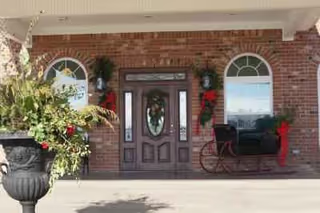
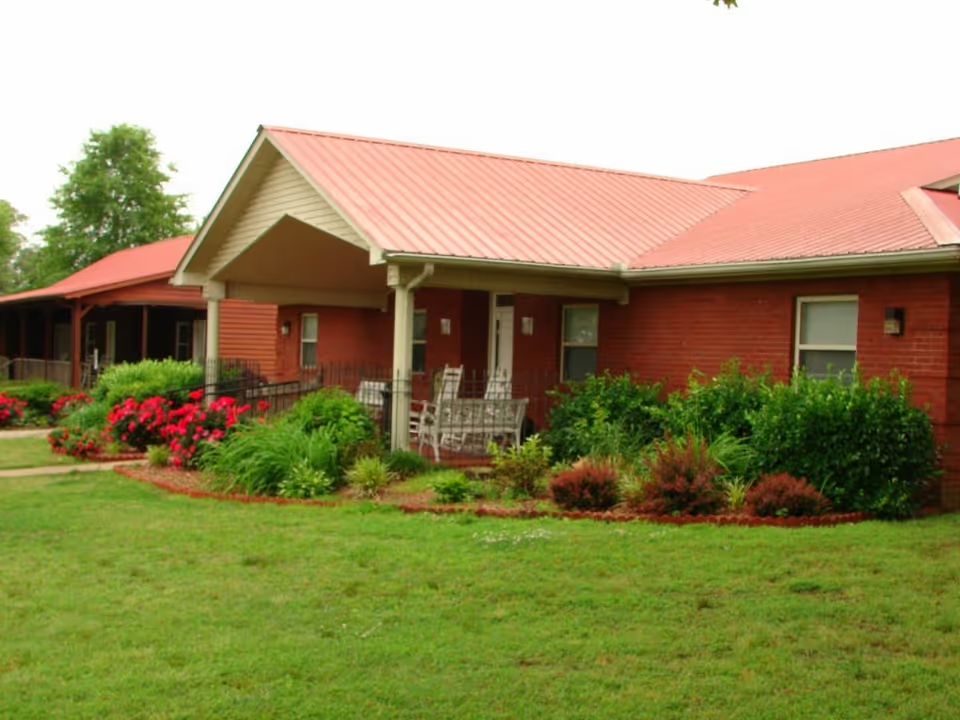
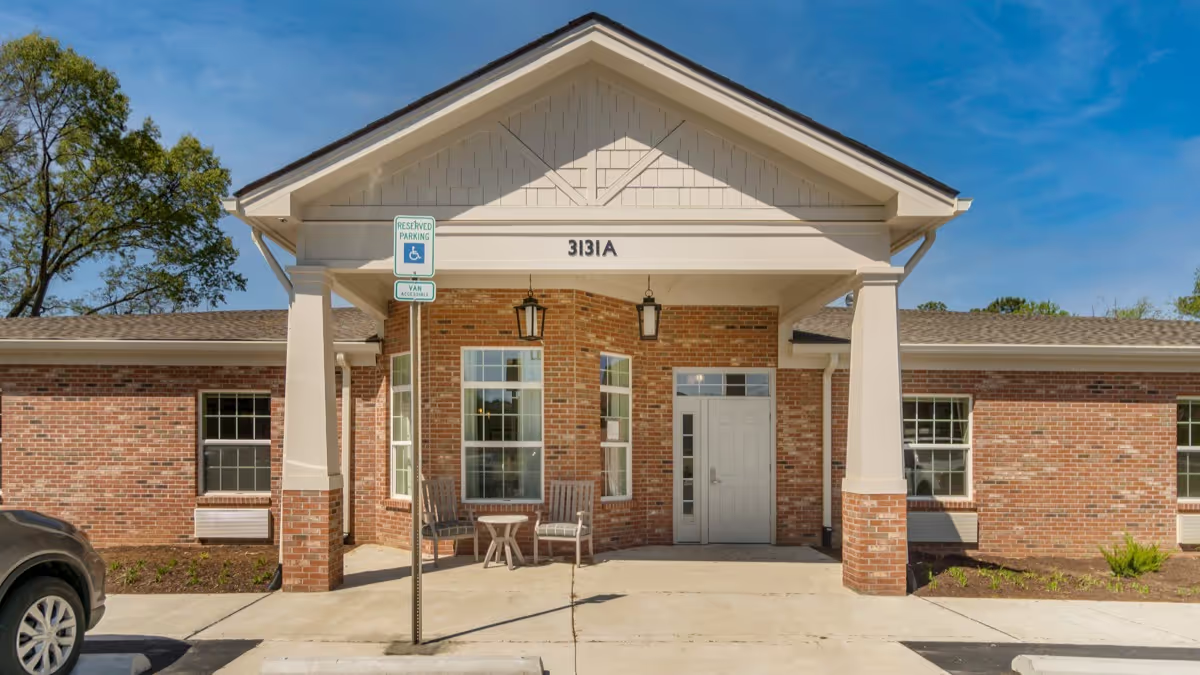
Activities and facilities: The facility’s physical environment is described as updated, inviting, and home-like. Activities and social events (including photo displays and holiday programming) are appreciated and contribute to resident engagement. Some reviews provide limited detail about the full activity calendar or amenities, indicating variability in how well activities are communicated or in their perceived breadth.
Operations, safety, and clinical processes: A minority of reviews raise operational concerns that cluster around clinical-process reliability—namely, medication timing, housekeeping consistency, and continence/catheter-care practices. These are not framed as pervasive across all feedback but are important because they point to process gaps: understaffing appears to strain routine clinical and housekeeping workflows, and that strain is linked to safety and comfort-related concerns. There is also occasional mention of lapses in response or conduct that may reflect training or supervision needs.
Conclusion: Prospective residents and families should weigh the facility’s clear strengths in compassionate, personalized care, therapy services, and an inviting physical environment against operational weaknesses tied to staffing levels and process consistency. Those considering placement may want to ask about current staffing ratios, medication-administration protocols, diet accommodation procedures, continence-care policies, and examples of recent quality-improvement actions led by management to address the cited gaps.