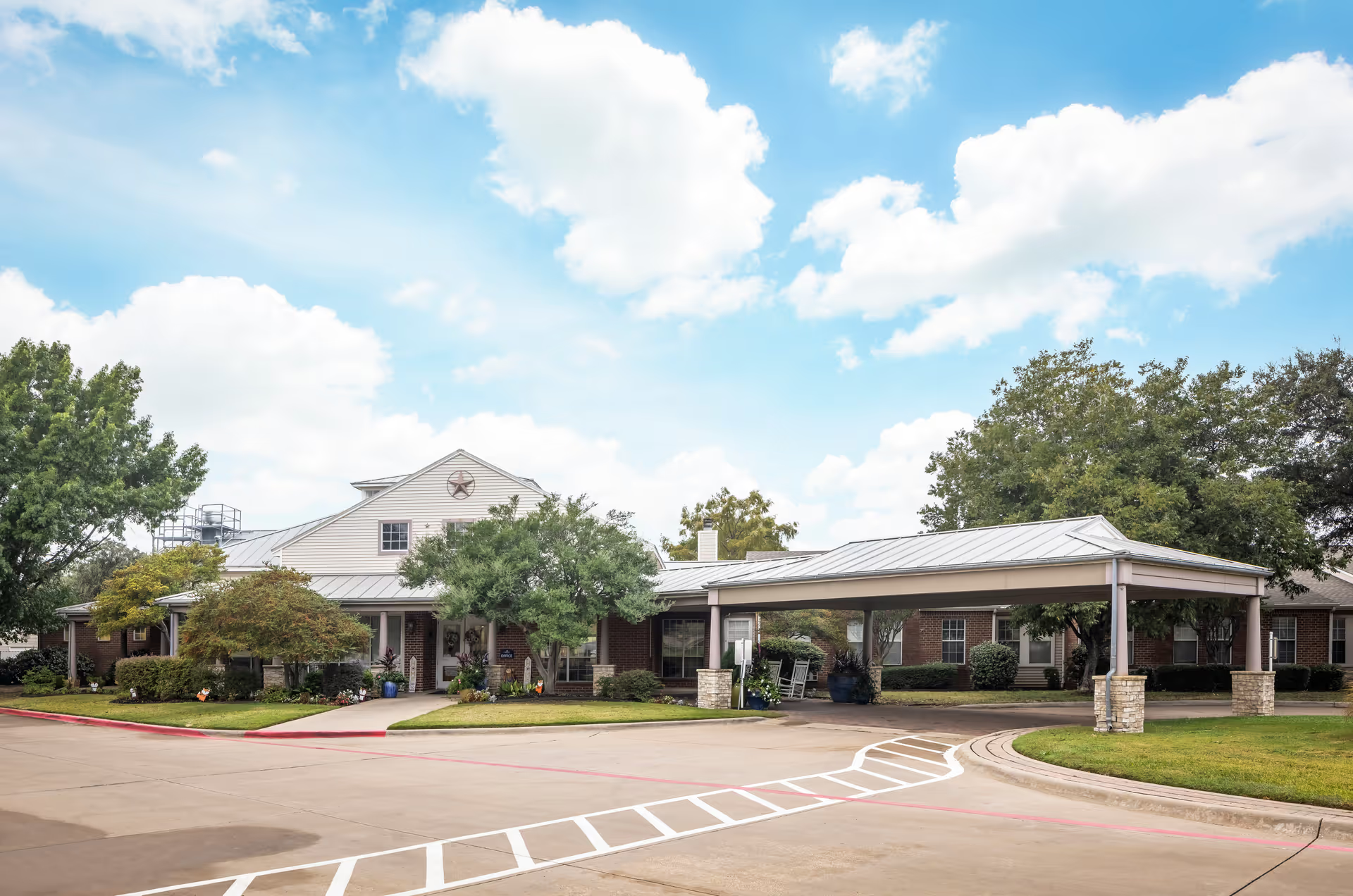
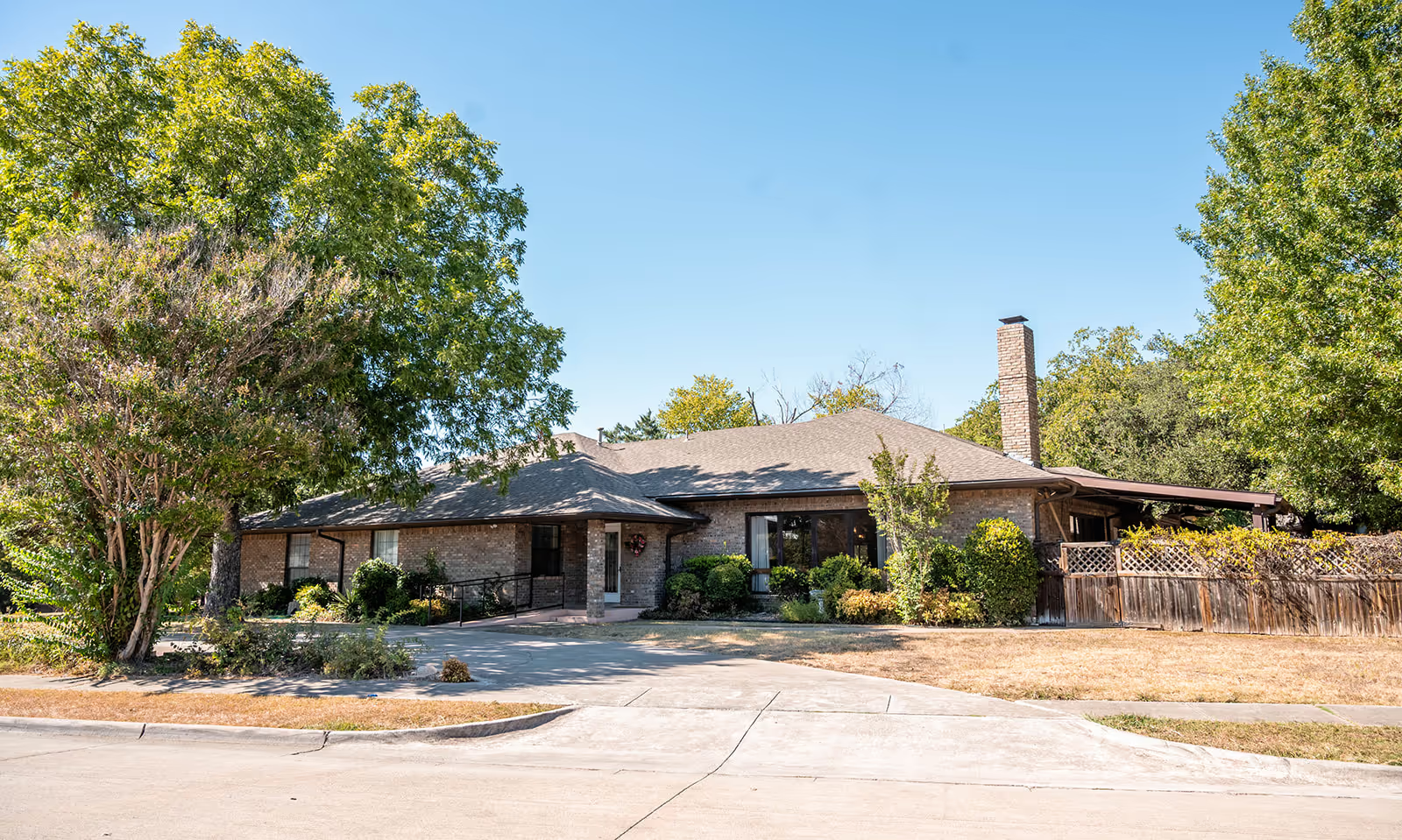
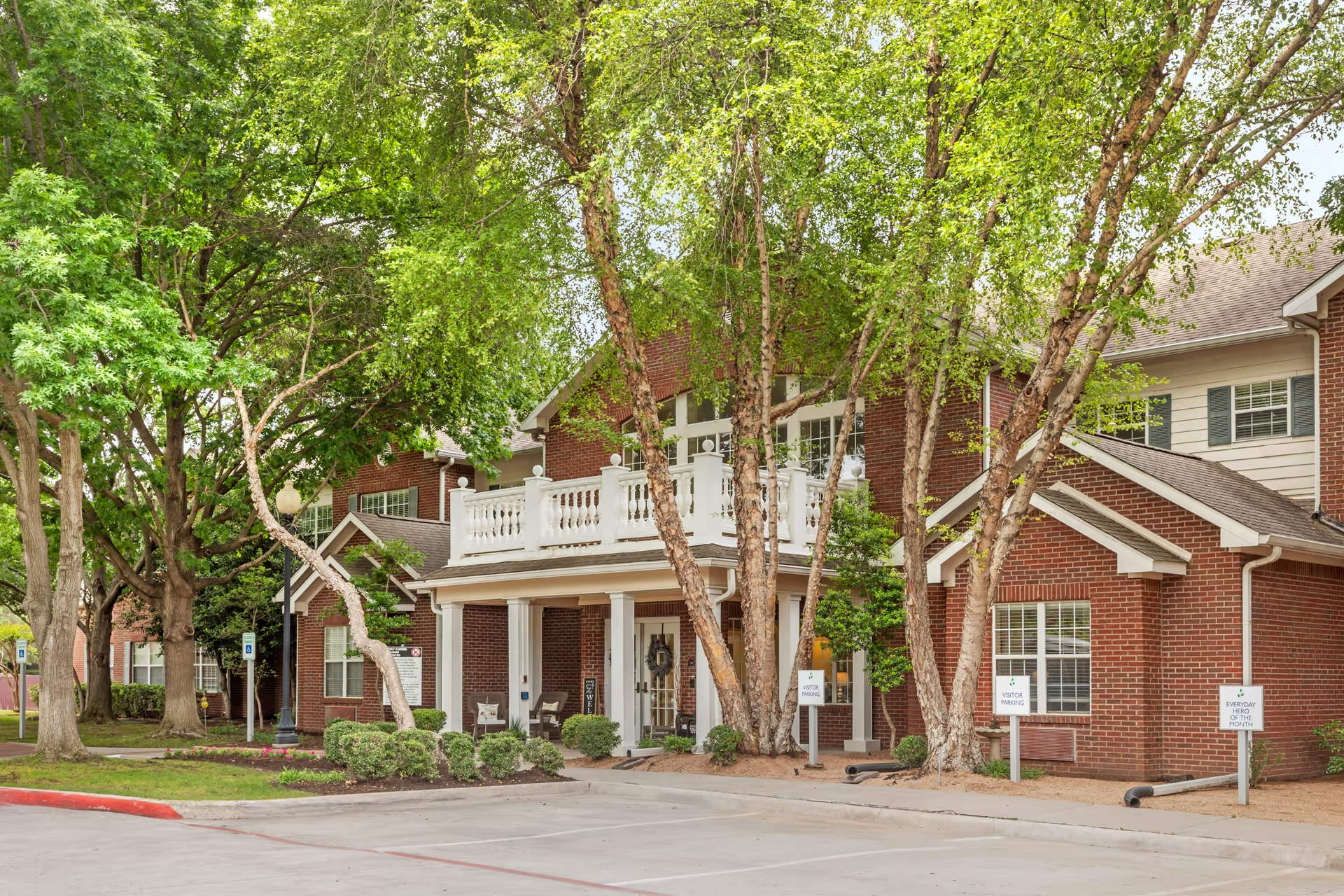
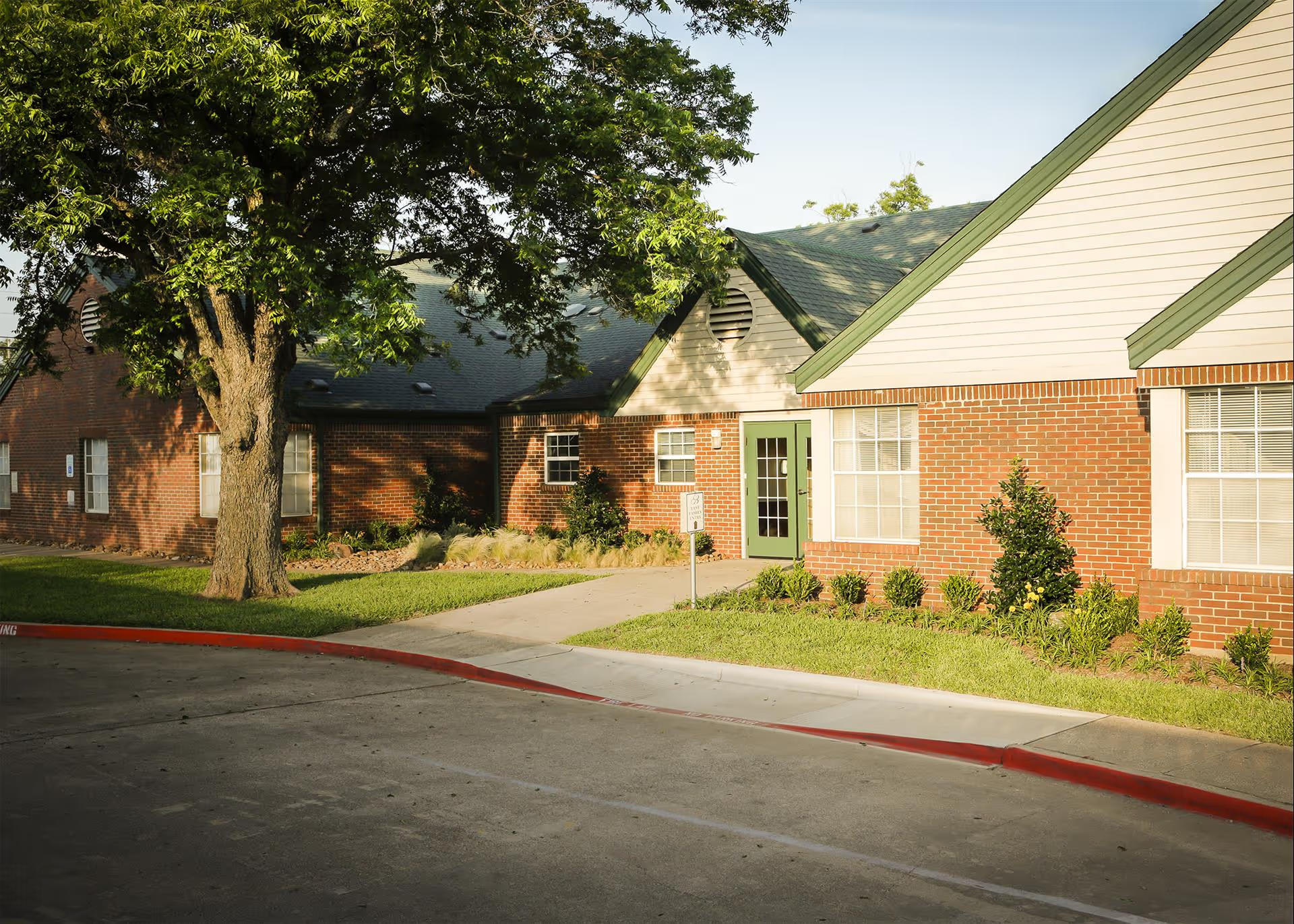
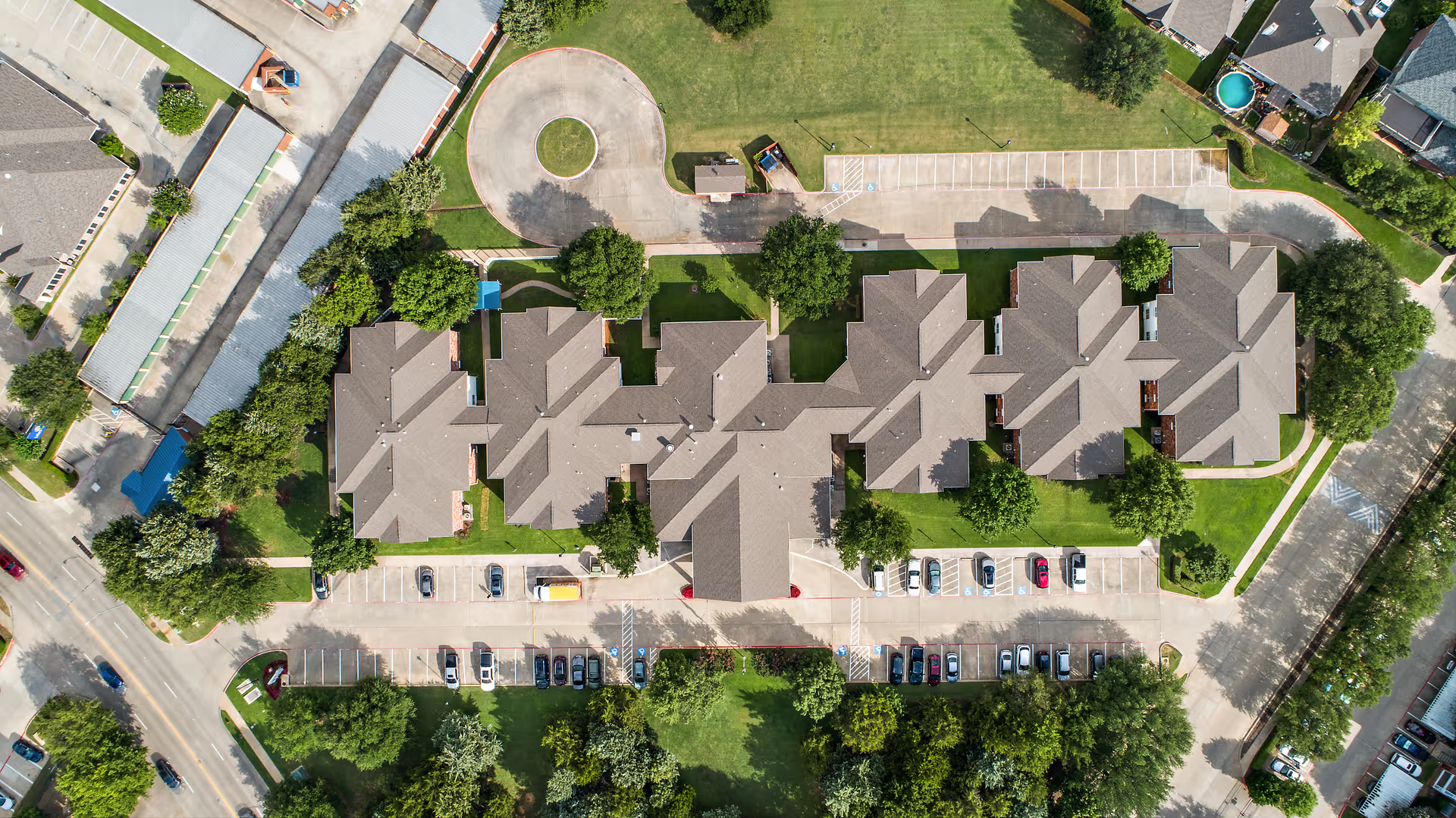
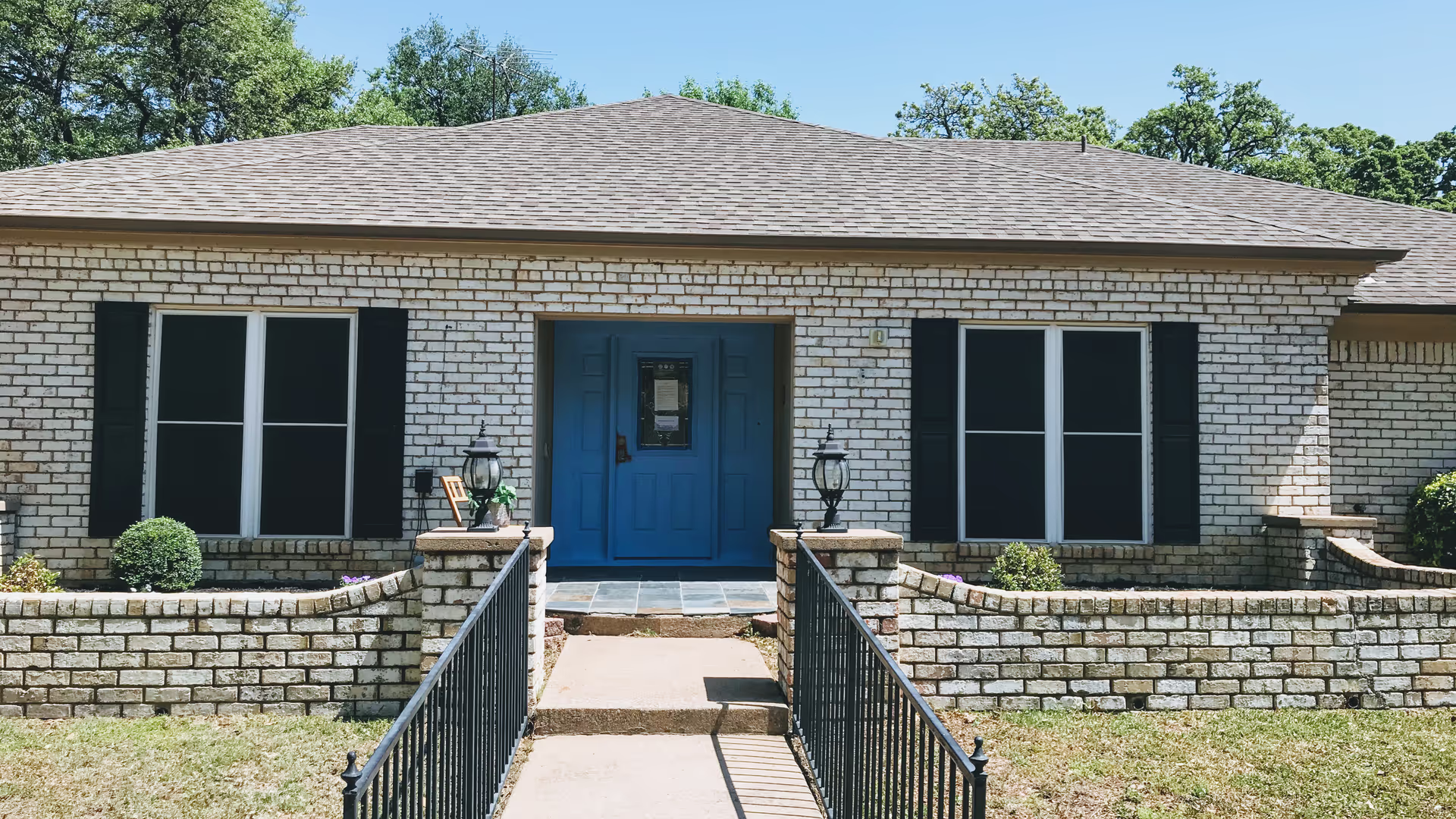
The reviews present a polarized picture of Arlington Residence and Rehabilitation Center: many families describe compassionate, capable care and strong therapy services, while others highlight persistent operational problems. Positive accounts emphasize attentive nurses and aides, effective PT/OT rehabilitation, a welcoming locked unit, helpful social-work and front-desk staff, and improvements attributed to new ownership or administration. Several reviewers specifically praised follow-up communication after discharge, holiday programming and occasions when the facility felt clean and well organized.
Clinical care quality appears inconsistent across reports. Multiple accounts note timely, thoughtful nursing care and good recovery progress under therapy staff; however, other accounts describe delays in clinical response, missed physician orders, medication-administration errors, and extended delays in emergency escalation and family notification. These discrepancies suggest variability in clinical reliability that prospective families should evaluate directly—ask about staffing ratios, on-call procedures, medication-administration checks, and emergency escalation protocols during a visit.
Staffing and conduct are recurring themes. Many reviews call out caring, professional individuals (including named nurses and social workers) and praise leadership changes that improved morale and responsiveness. Conversely, other reviews document understaffing, slow response times, inconsistent attention to basic care tasks, and concerns about staff professionalism. There are also serious individual claims, including allegations of staff substance misuse and breaches of privacy or security; such claims are notable and merit direct inquiry with administration and inspection of facility policies and any regulatory history.
Dining, activities and amenities are similarly mixed. Positive comments highlight pleasant meals at times, meaningful activities, and seasonal events; negative comments describe inconsistent food quality and limited meal options. Facility upkeep shows a split pattern as well: some families describe a clean, welcoming environment, while others report sanitation and odor-control issues in certain areas, graffiti or neglect in specific spaces, and dated paint, furniture and flooring. Renovations and improvements were mentioned by multiple reviewers, indicating ongoing repair or upgrade efforts in some parts of the building.
Management and communication present both strengths and weaknesses. Several reviewers describe an improved experience under new administration, with more responsive leadership, clear discharge planning, and helpful social-work engagement. At the same time, recurring concerns include unreliable phone/contact systems, poor family notification following incidents, inconsistent admission/discharge practices, and weaknesses in safeguarding residents’ personal items. There are also accounts of serious incidents that prompted state reporting or family escalation; while these appear to be less uniformly described than daily-care items, they point to gaps in oversight that families should verify when evaluating the facility.
Overall, Arlington Residence demonstrates capacity for good clinical rehabilitation and compassionate caregiving in many cases, but the facility also shows patterns of operational inconsistency—especially around staffing, sanitation/maintenance, medication and emergency response, and certain aspects of professional conduct. Prospective residents and families should pursue an in-person tour, request current staffing ratios and recent inspection reports, ask about medication and emergency protocols, confirm contact methods and escalation procedures, and observe unit cleanliness and security measures before making placement decisions.