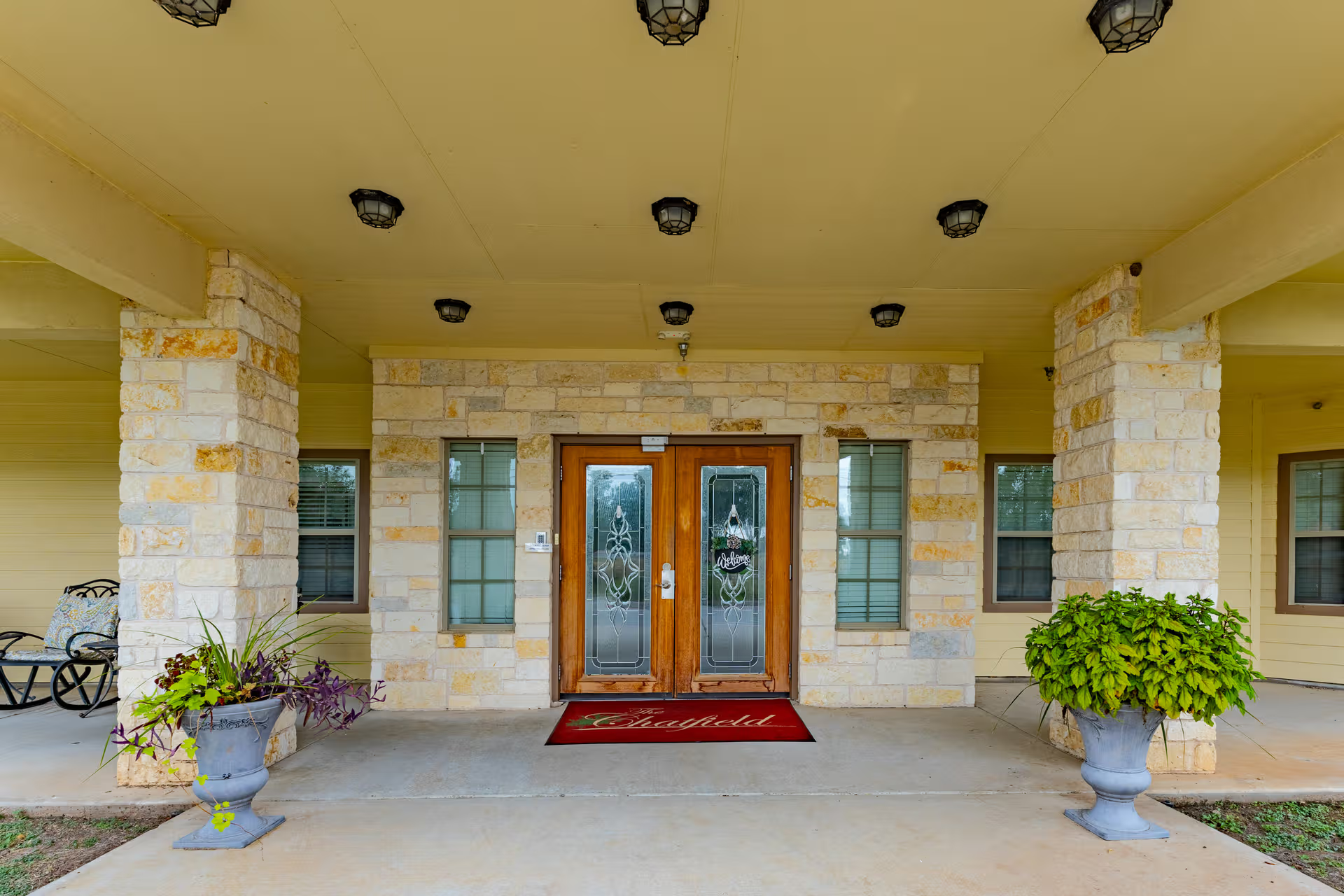
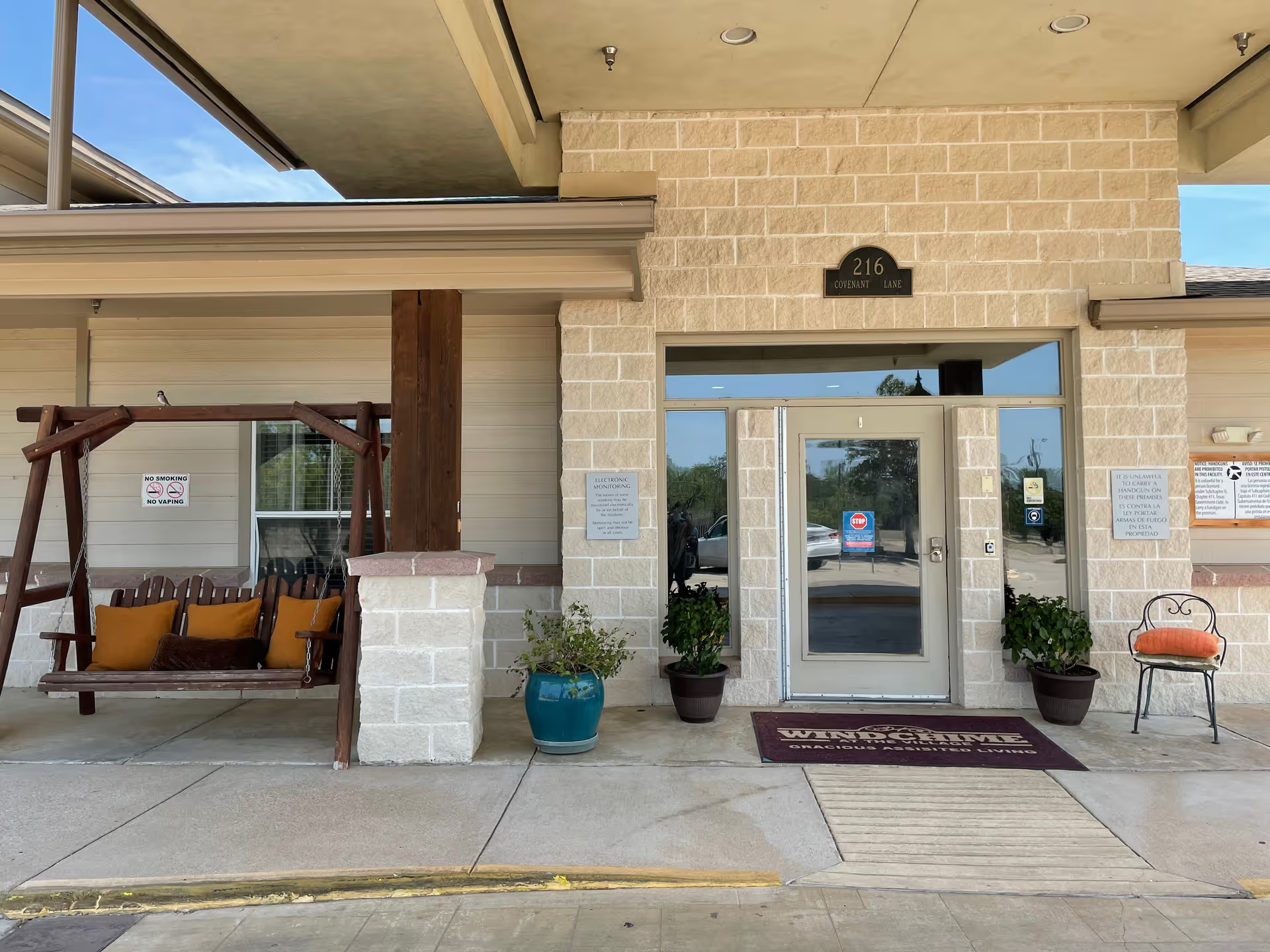
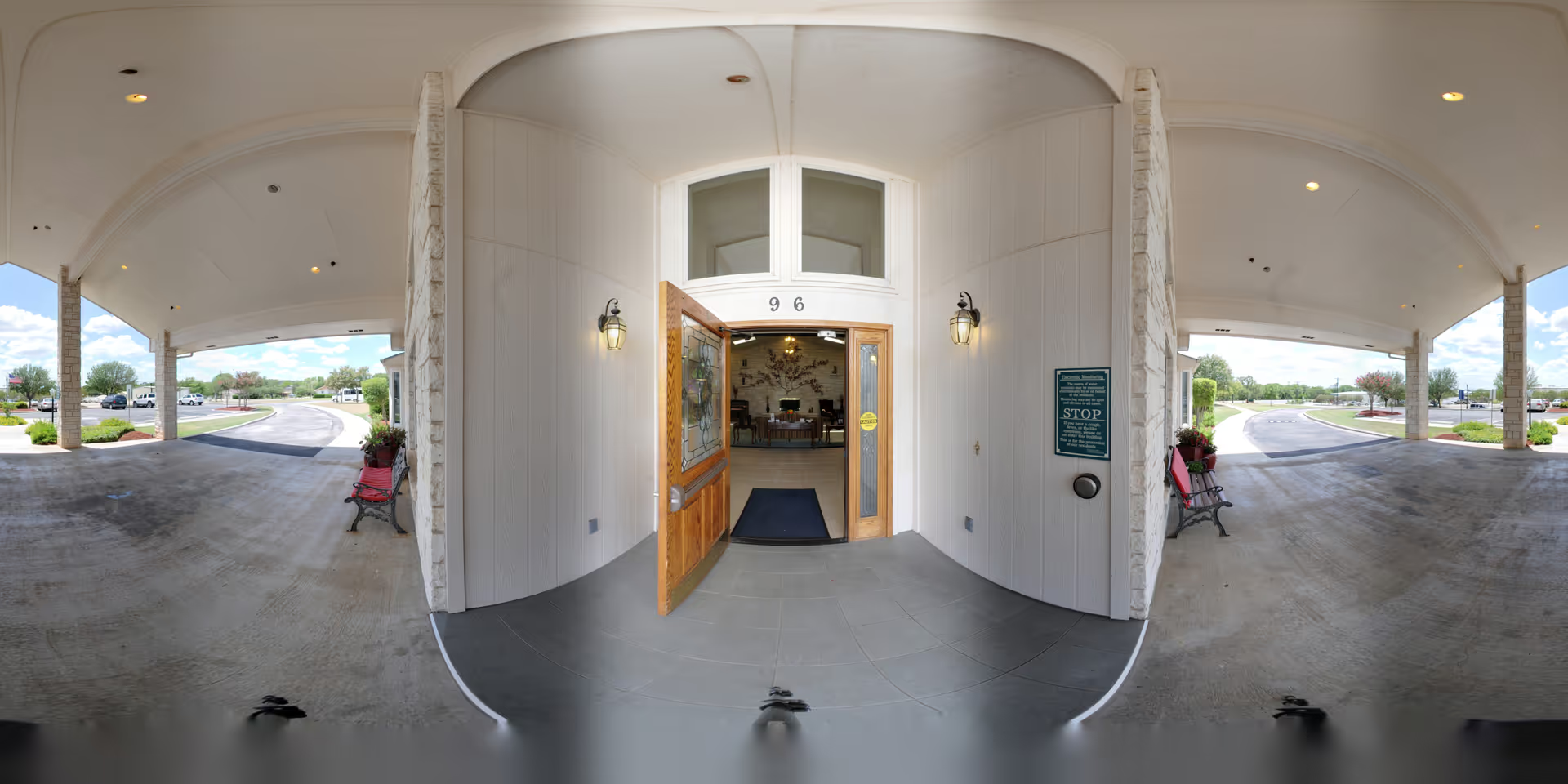
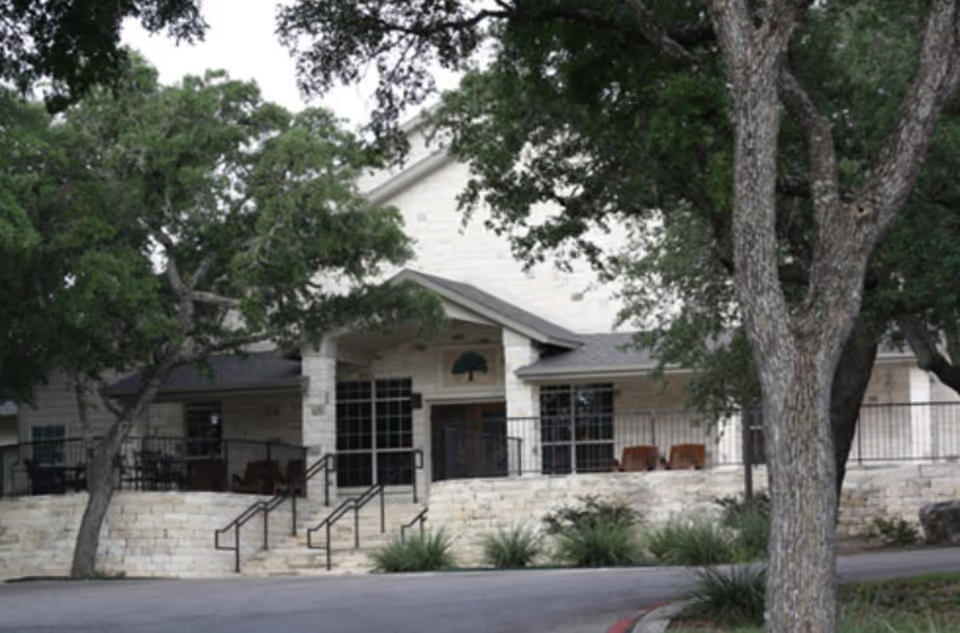
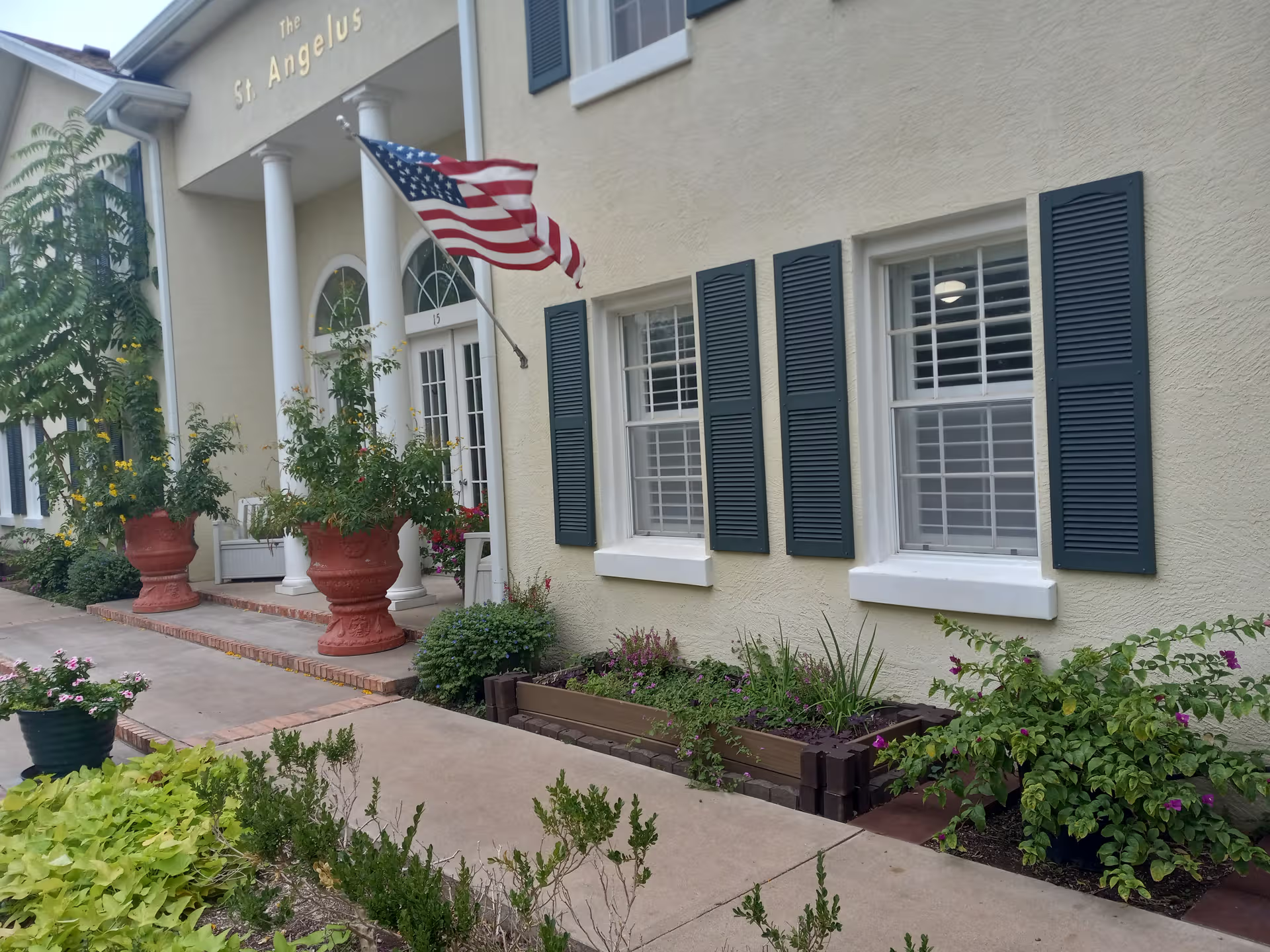
Overall impression: The reviews indicate a facility with many strengths—particularly in staff culture, rehabilitation services, and a clean, welcoming atmosphere—alongside a small but meaningful set of operational weaknesses. Families consistently describe compassionate, personable caregivers, a therapy team that produces measurable strength and function gains, and administrative leadership that has directed recent improvements. Many comments emphasize a warm, family-like environment and high satisfaction with day-to-day clinical care.
Care quality and clinical services: Clinical and rehabilitative services are frequently praised. Reviewers highlight effective therapy programs, an attentive nursing presence, and clinicians who are described as professional and compassionate. These accounts suggest that residents benefit from structured rehab programming and individualized attention. However, several reviews raise concerns about medication-administration processes and gaps in monitoring basic care needs such as hydration and toileting assistance; these point to operational risks that could affect clinical safety if not addressed systematically.
Staff and management: Staff are routinely characterized as caring, dedicated, and willing to go beyond routine duties. Administration and specific staff members (including therapists and unit leaders) receive positive mentions for responsiveness and leadership. Reviewers also note visible, recent improvements under management, suggesting active quality efforts. At the same time, there are indications of inconsistent staff responsiveness in certain situations and occasional boundary-enforcement issues with outside trainers or visitors; these reflect areas where policy reinforcement and staff training might be beneficial.
Facilities, housekeeping, and maintenance: The facility is commonly described as clean, cozy, and well cared for, with improvements evident in common areas. Contrasting reports describe inconsistencies in room preparation and housekeeping routines (for example, trash and personal laundry handling), and delays in maintenance or repair response for plumbing and similar issues. These operational gaps have created sanitation concerns and discomfort for individual residents in isolated instances, even though the overall facility cleanliness is often praised.
Activities and amenities: Activity programming and social engagement receive positive feedback; reviewers note fun activities and a generally engaging environment that contributes to residents’ well-being. One recurring operational weakness involves audiovisual/entertainment continuity—outages tied to external cable providers have reduced available in-room entertainment at times, underscoring a dependence on third-party infrastructure.
Notable patterns and takeaways: The dominant theme is a strong, compassionate workforce and an effective rehab program within a clean, improving facility. Contrastingly, the most significant operational themes to monitor are medication-management controls, consistent housekeeping and room-turn procedures, timely maintenance response, and reliable monitoring of basic care needs. Families considering this facility should weigh the facility’s clear strengths in staff culture and therapy against these operational issues, while asking management about corrective actions already implemented to address medication safety, maintenance responsiveness, housekeeping consistency, and entertainment redundancy.