Cedar Pointe receives consistently strong feedback for its rehabilitation services. Therapists — particularly physical therapists — are cited as knowledgeable, attentive, and effective in producing functional improvements. Many families and residents described personalized therapy plans, active follow-up, and marked gains after starting therapy. Therapy resources and equipment are also described positively, and therapy staff are commonly mentioned as a key strength of the facility.
Nursing and direct-care staff elicit mixed but generally positive commentary. Numerous reviews praise caring, cooperative nurses and attentive aides who support daily needs and contribute to a warm resident atmosphere. At the same time, reviewers describe variability in nursing follow-through and responsiveness, with particular concerns about staffing levels during night shifts and instances where tasks required family prompting. These patterns suggest that while many staff perform well, staffing consistency and adherence to care plans are uneven across shifts.
Dining and dietary management are areas of notable divergence. Some families report good meals, accommodating substitutions, and sensitivity to certain dietary restrictions; others describe cold or boxed meals, limited diabetic/menu options, slow kitchen service, and inconsistent observance of prescribed diets. Meal-service timing and dining-room accessibility (including wheelchair accommodation) were also cited as operational issues affecting mealtime experience and resident choice.
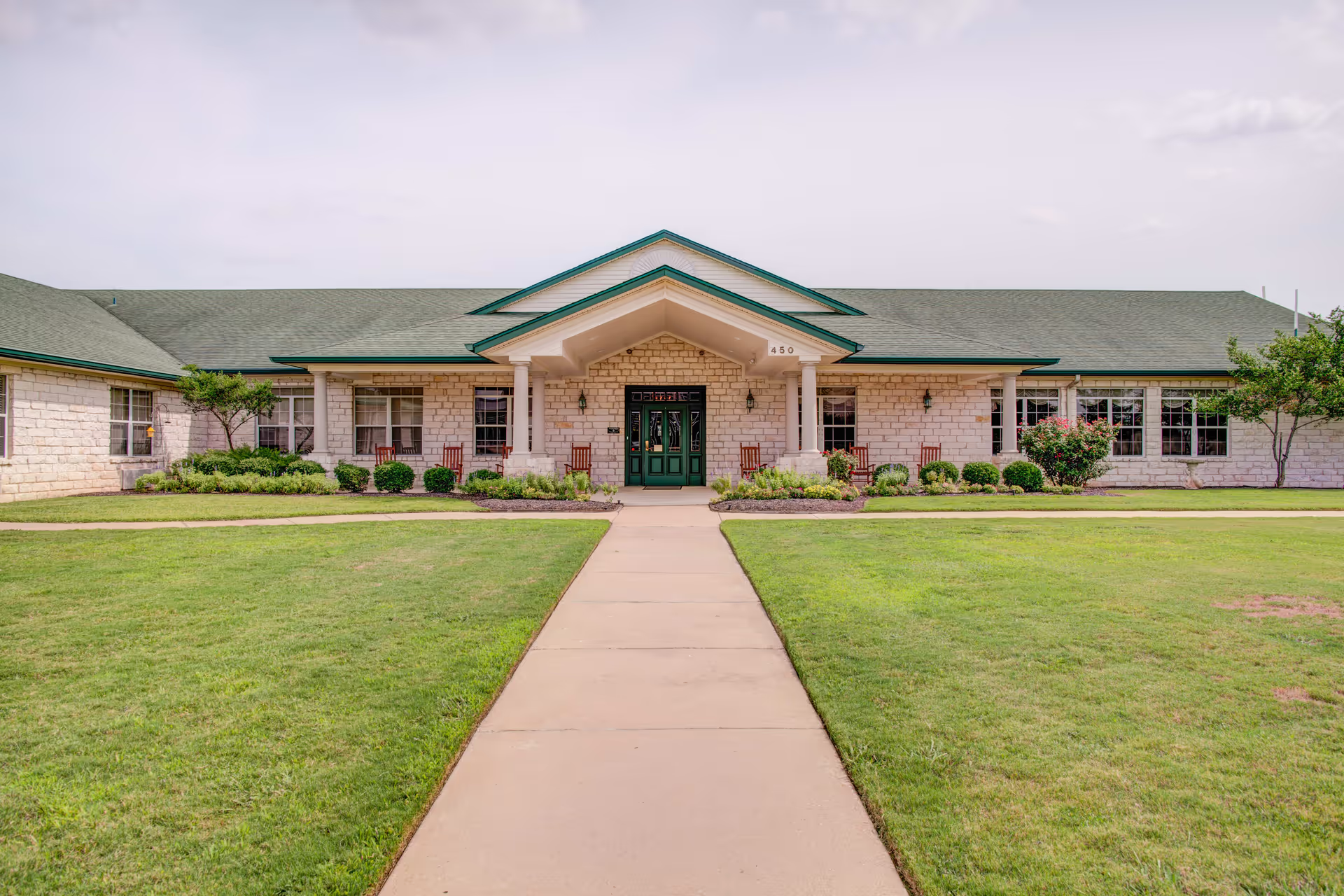
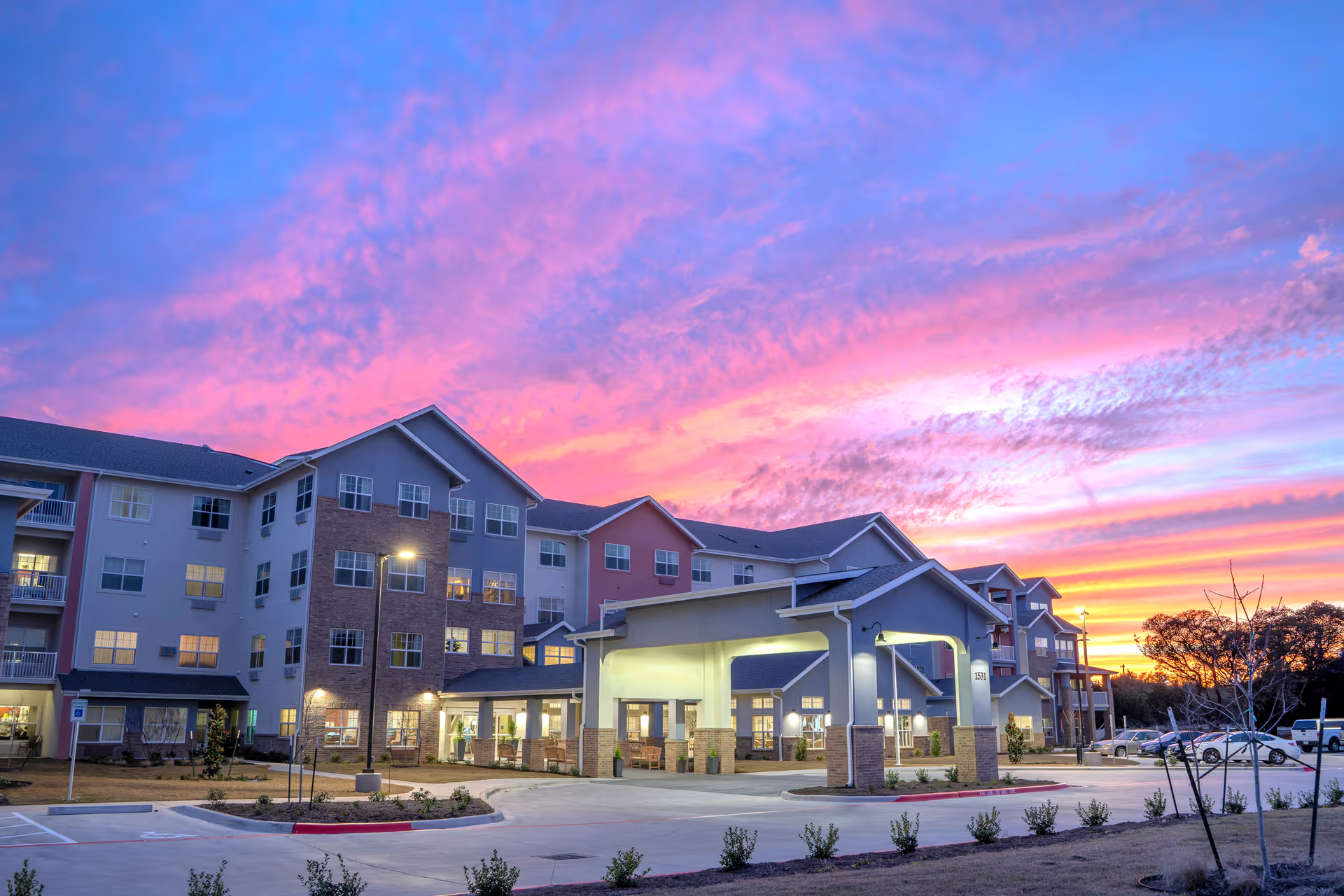
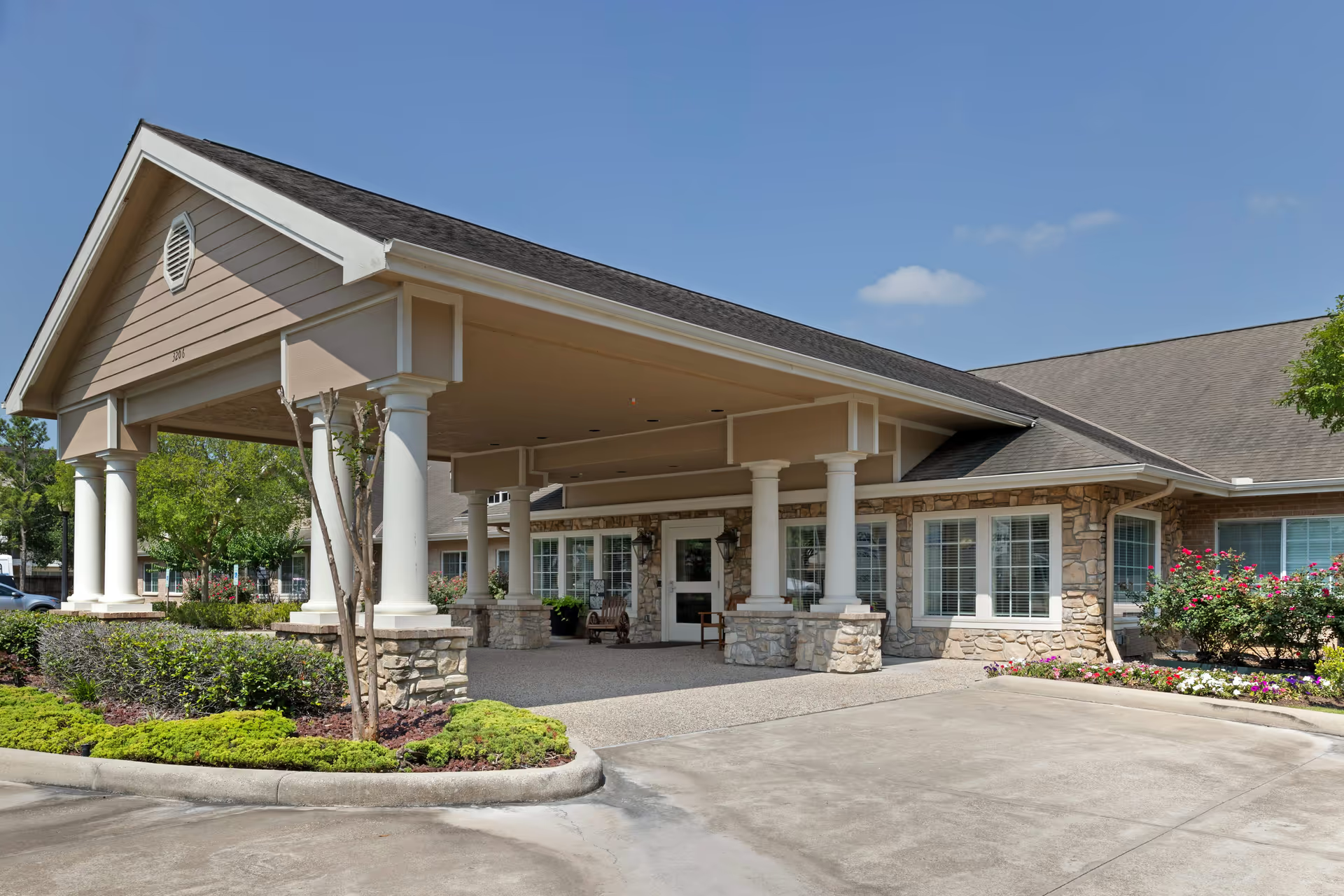
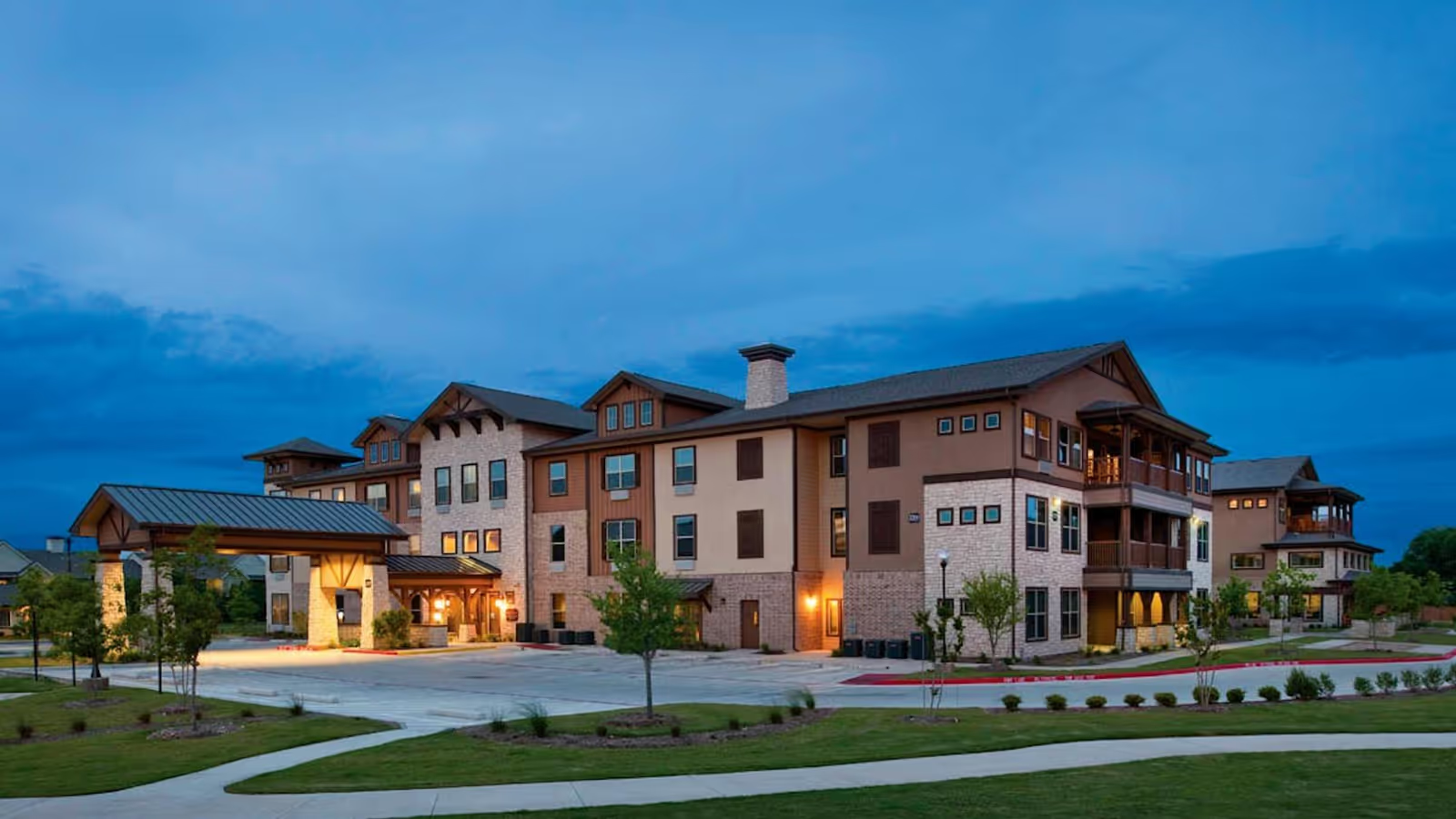
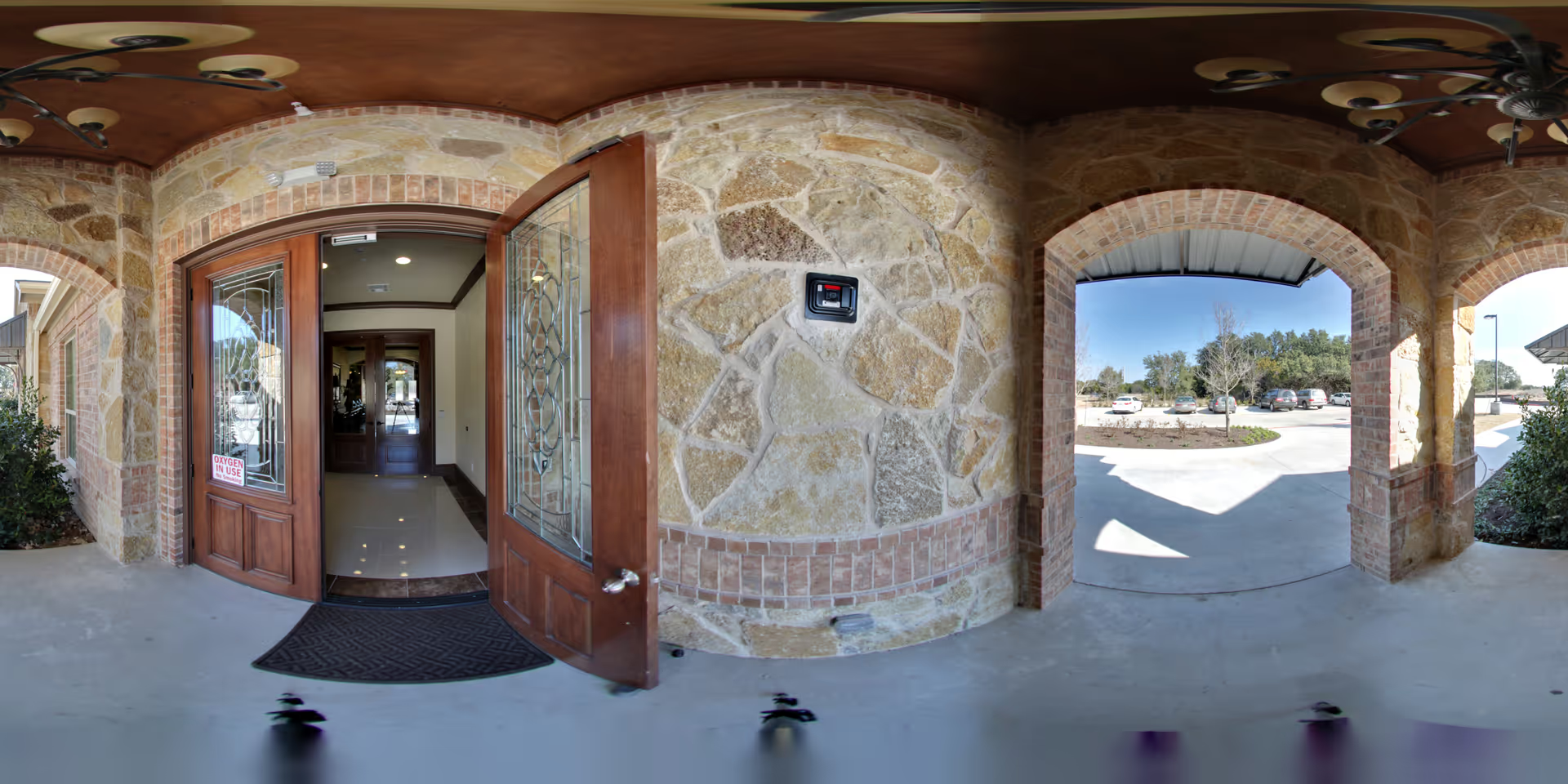
Housekeeping and facilities are frequently praised for the new, attractive building, well-maintained common areas, and overall cleanliness. However, there are recurring comments about inconsistent room-level housekeeping — delayed bedding/towel changes, floors not consistently swept or mopped, and sanitation concerns in certain rooms. Pest-control concerns were raised in at least one account and should be addressed as a facility-level sanitary matter.
Administrative and communication processes show a mixed pattern. Admissions and social-work staff are often described as helpful and responsive, and some families noted good communication from leadership. Conversely, many reviews point to weak inter-shift communication, difficulty reaching nursing staff, delayed or inconsistent family meetings, and problems getting orders or discharge paperwork routed correctly. Discharge planning and coordination (including transportation and belongings for appointments) were identified as recurrent operational gaps.
Several reviewers described medication delays, errors in medication handling, and difficulty obtaining medications in a timely way. A small number of reviews described serious clinical incidents and concerns following adverse outcomes; these appear to be individualized but significant, and they underline the need for robust clinical oversight and incident-response processes. Relatedly, oversight of personal-care tasks (bathing schedules, bathroom assistance, mobility assistance) and transfer safety were mentioned as areas needing stronger, more consistent protocols.
In summary, Cedar Pointe's principal strengths are its rehabilitation program, many skilled therapists, friendly direct-care staff, and generally attractive and clean facility environment. The principal operational weaknesses cluster around staffing consistency (especially nights), uneven nursing follow-through, lapses in room-level housekeeping and sanitation, variability in dining quality and dietary accommodations, and administrative/communication breakdowns that affect discharge, medication and appointment coordination. Prospective residents and families who prioritize strong therapy services and a modern facility may find Cedar Pointe a good fit, but those for whom consistent nursing availability, reliable meal-service, and tightly coordinated care transitions are critical should seek assurances about staffing levels, quality-control measures, and specific communication protocols before committing.