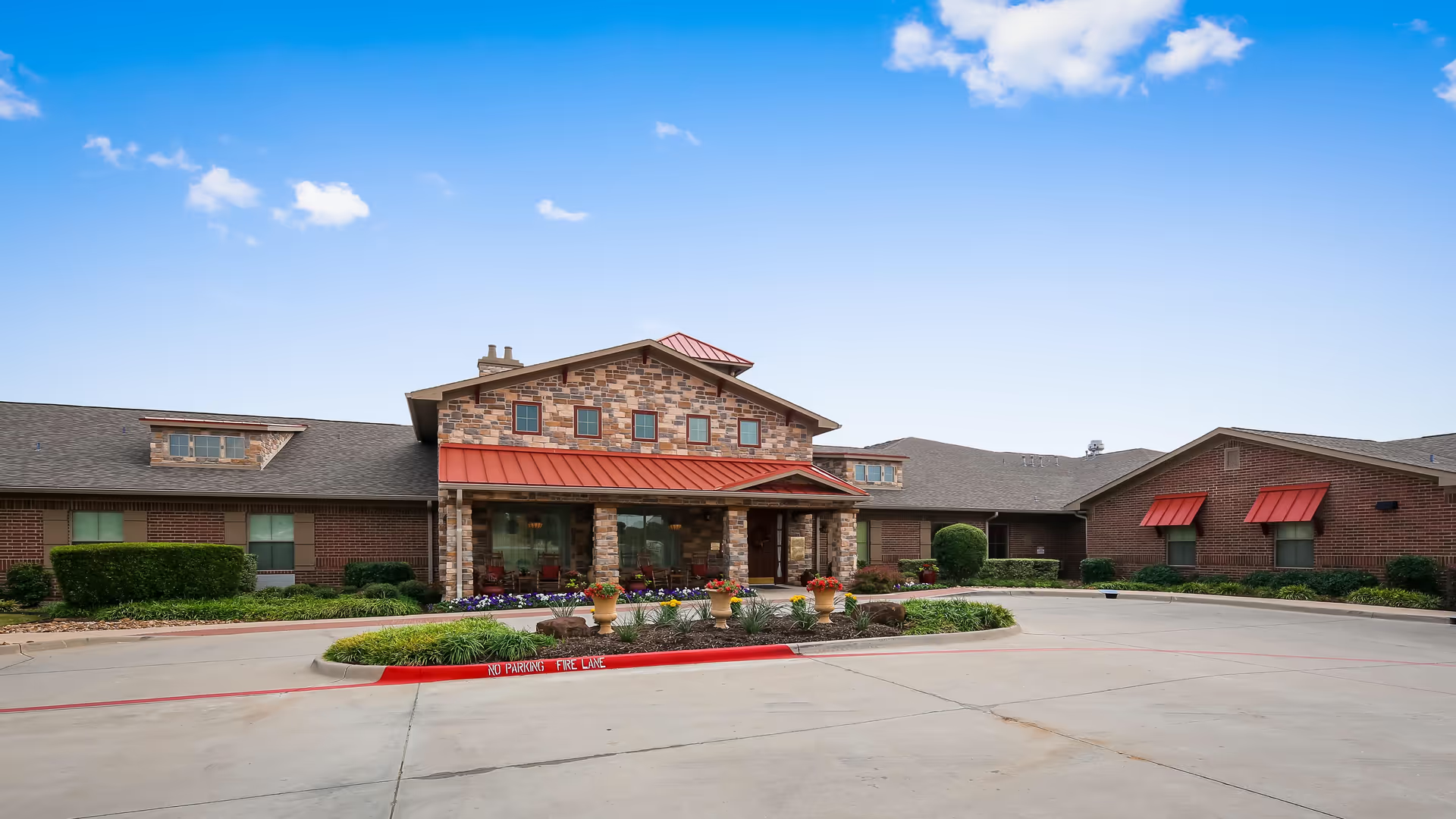
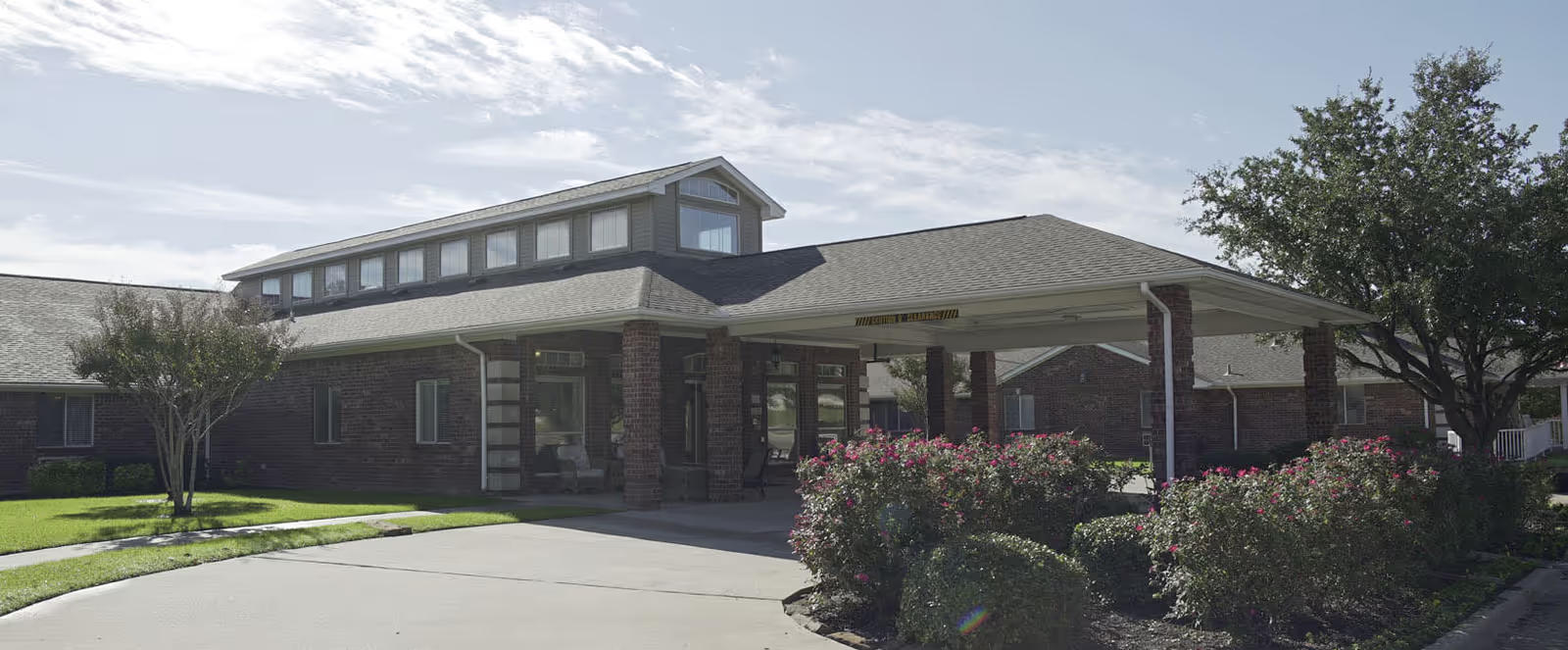
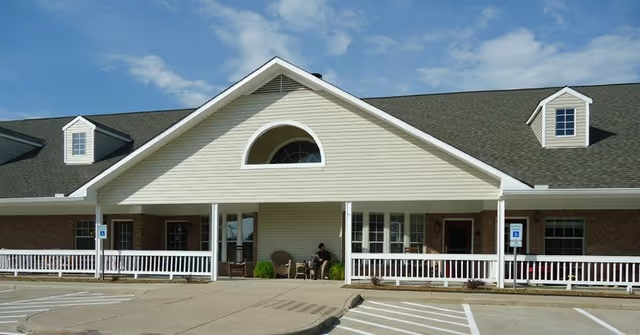
Corinth Rehabilitation Suites on the Parkway receives consistent praise for its rehabilitative services and many aspects of daily life, but families and patients also describe recurring operational weaknesses. Therapy services — physical, occupational, and speech — are a facility strength: therapists are regularly described as skilled, motivating, and effective at restoring mobility and function. Reviewers frequently cite measurable progress during rehab stays and positive interdisciplinary coordination when therapy is driving the care plan. The building and routine maintenance are also commonly noted as clean and well‑kept, with responsive staff who address maintenance issues promptly.
Nursing and direct-care staffing present a mixed picture. Many reviewers describe compassionate, attentive CNAs and nurses who go above and beyond, and some nursing leadership and case managers are specifically commended for clear communication. However, there are frequent accounts of inconsistent staffing levels (notably on night and weekend shifts), high staff turnover, and marked variability in care quality between shifts. These patterns have been associated with delayed responses to call bells, irregular bathing and toileting assistance, and occasional lapses in supervision during transfers and mealtimes.
Medication management and clinical oversight are important areas of concern. Multiple accounts reference late or missed medications, insufficient medication-administration training, and procedural gaps that have led to adverse events or near-misses. Families describe issues with timing (medications arriving late), coordination (medication reconciliation during transitions), and adherence to diet-related medication protocols. Several reviewers also raised concerns about incident documentation and escalation — including events that prompted further inquiry — indicating room for improvement in clinical-incident response systems and family notification practices.
Dining and nutrition receive mixed reviews. The dietary team and director are frequently praised for effort and menu variety, and many families find the food better than expected or preferable to hospital fare. At the same time, reviewers report inconsistent meal execution, diet-adherence errors, trays left outside meal times, and occasional instances when residents supplement with outside food. Supervision during meals is another recurring theme; some families felt additional staff presence would improve safety and intake for residents who need assistance.
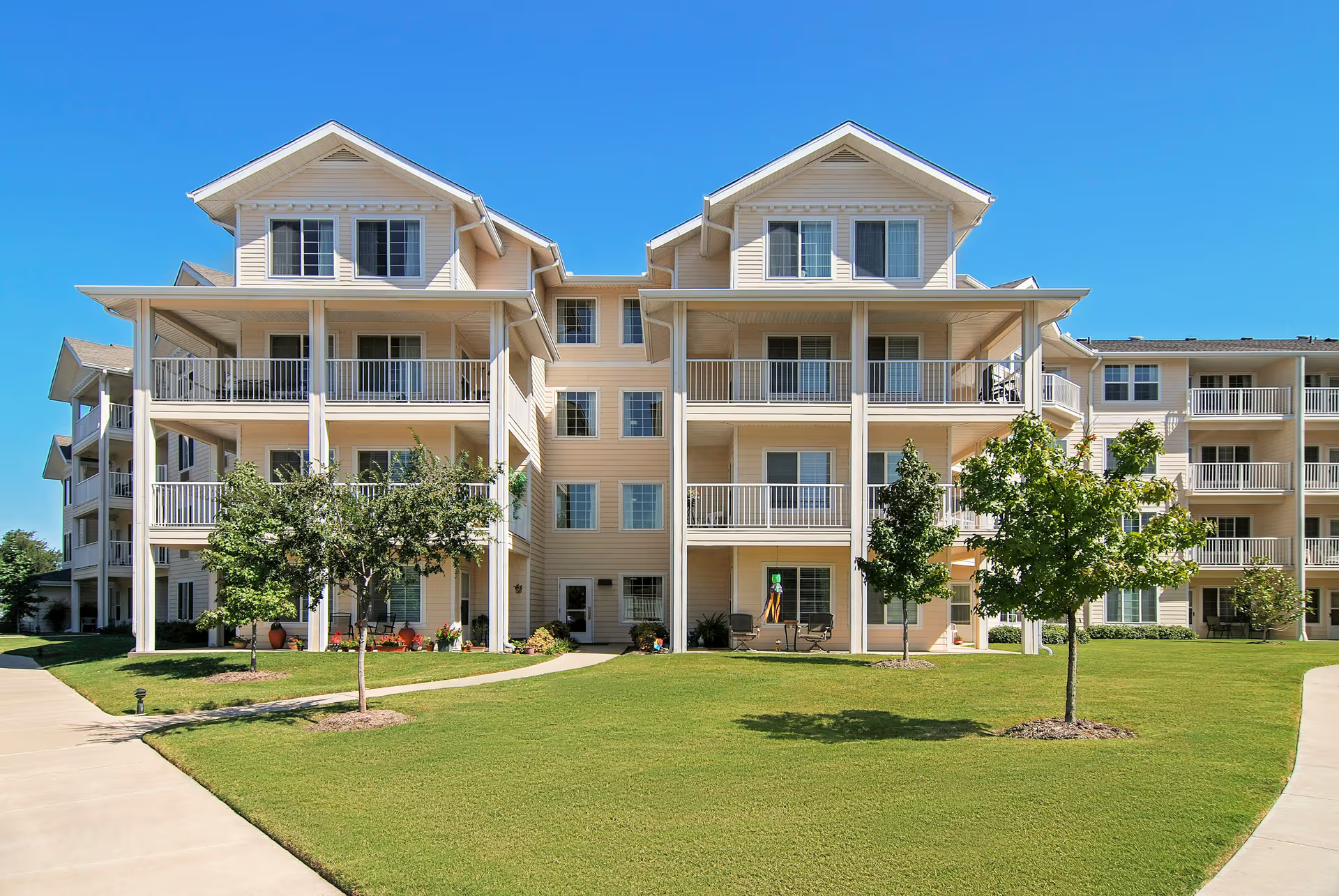
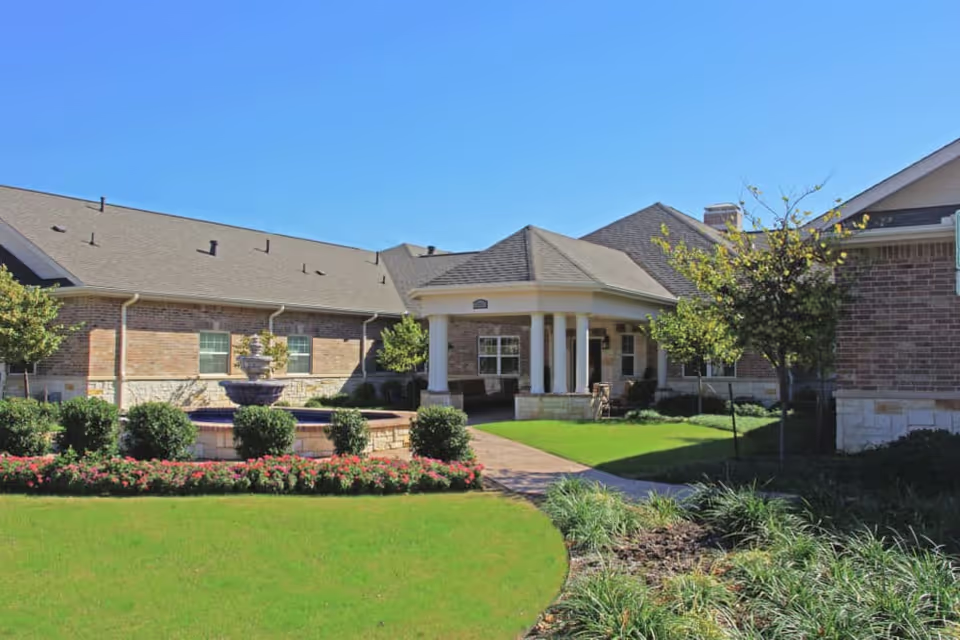
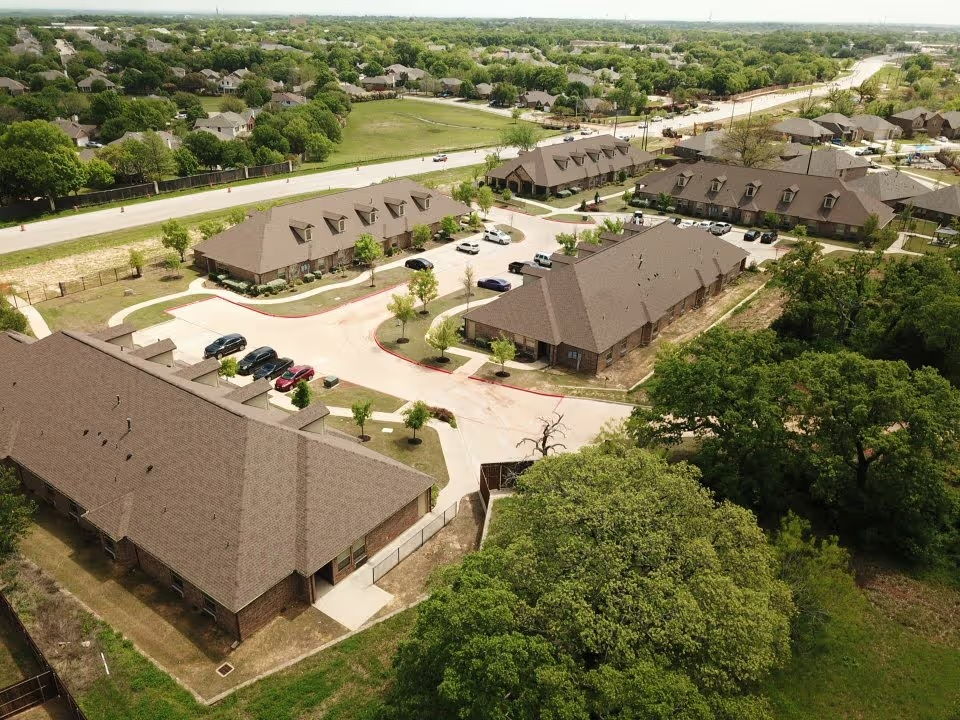
Activities, amenities, and administration show positive elements alongside operational gaps. The facility offers recreational programming, a gym, and outdoor spaces that families appreciate. Admissions, billing, and maintenance functions are often responsive, though reviewers note confusing paperwork at intake and uneven communication from admissions staff or social workers in a minority of cases. Management engagement is variable: some administrators are singled out for proactive problem-solving, while turnover in leadership is seen to exacerbate continuity issues.
Overall pattern: Corinth demonstrates clinical strengths in rehabilitation, an overall clean environment, and many caring staff members. Persistent operational weaknesses — especially inconsistent staffing, medication and communication gaps, and irregular housekeeping — have produced variable family experiences. Prospective residents and families who prioritize strong therapy services and a clean facility will find many positive attributes here, but those for whom consistent nursing coverage, strict medication controls, and reliable night/weekend staffing are critical should probe staffing policies, medication protocols, incident-reporting practices, and after-hours supervision during the tour and pre-admission discussions.