Overall impression: Reviews describe a facility with several operational strengths alongside notable variability in care. Daytime clinical and therapy teams are frequently characterized as capable and helpful: nursing staff and therapists (physical and speech) receive positive mentions, medication timing and transportation to medical appointments are often dependable during daytime hours, and common areas are described as clean. The kitchen has undergone recent improvements, and basic recreational programming such as movie showings is available.
Care quality and staffing: There is a clear pattern of shift-to-shift inconsistency. Day shifts are generally reported as attentive, with examples of effective nursing (for example, blood-sugar management) and engaged therapy staff. However, multiple accounts describe reduced responsiveness and lapses in care on some night shifts. These lapses include missed medication administration, delayed personal-care assistance, and problems with call-button responsiveness. Taken together, the reviews suggest an operational weakness in maintaining consistent staffing levels and oversight across all shifts.
Clinical oversight and safety: Several reviewers raised concerns about gaps in clinical monitoring and follow-up, including missed laboratory tests related to anticoagulation management (INR/PPT). One reviewer connected missing monitoring to a serious adverse outcome. These statements indicate potential weaknesses in care coordination and clinical follow-through that prospective families should verify with the facility, particularly for residents needing complex medical monitoring.
Dining and activities: Dining receives mixed feedback. Some improvements in the kitchen are noted, but meal service is described as frequently relying on canned or packaged items, with lower-quality or fast-food options on weekends and limited sugar-free dessert selections. Activity offerings appear modest (for example, movies) rather than extensive; families seeking a broad activity program should inquire further.
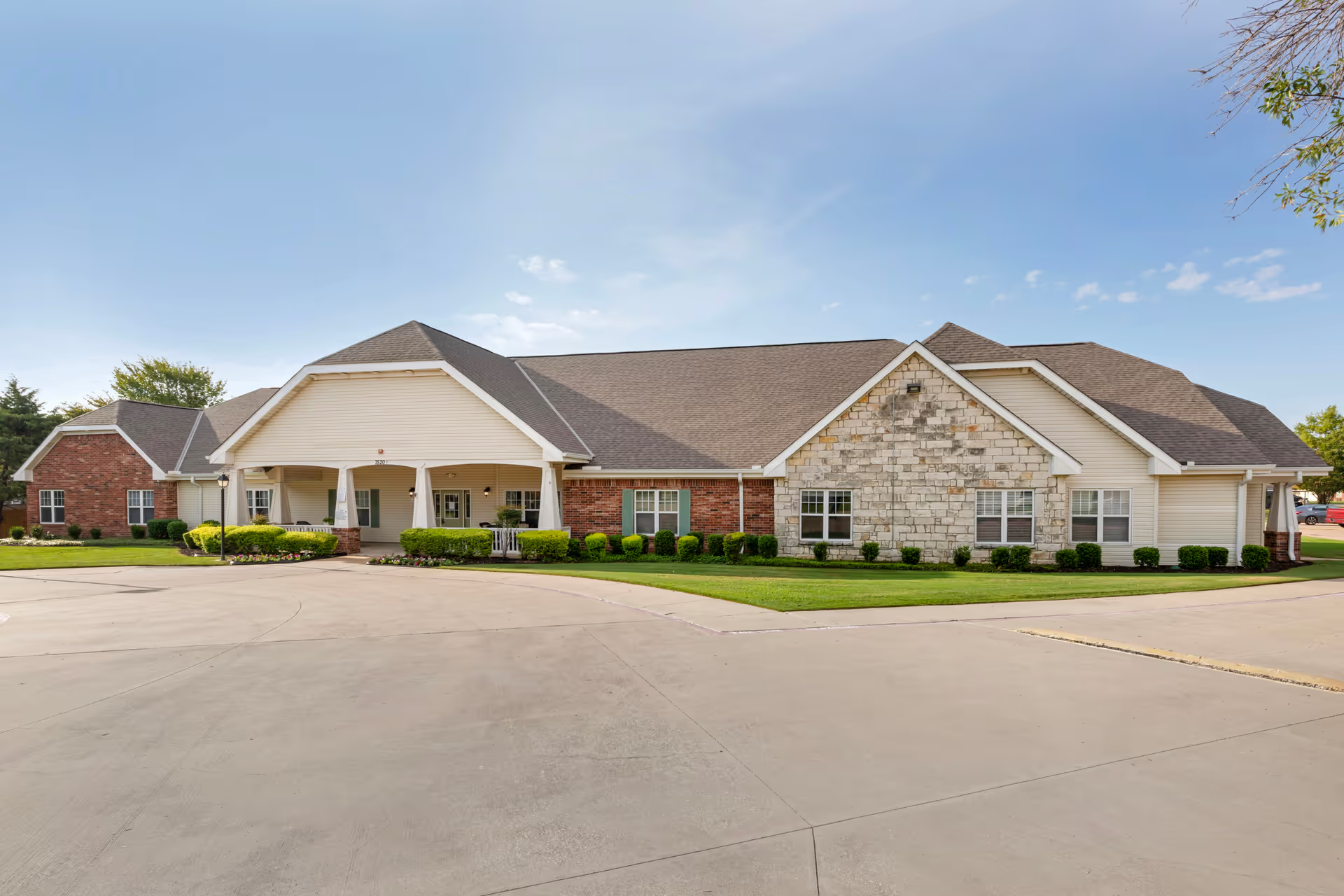
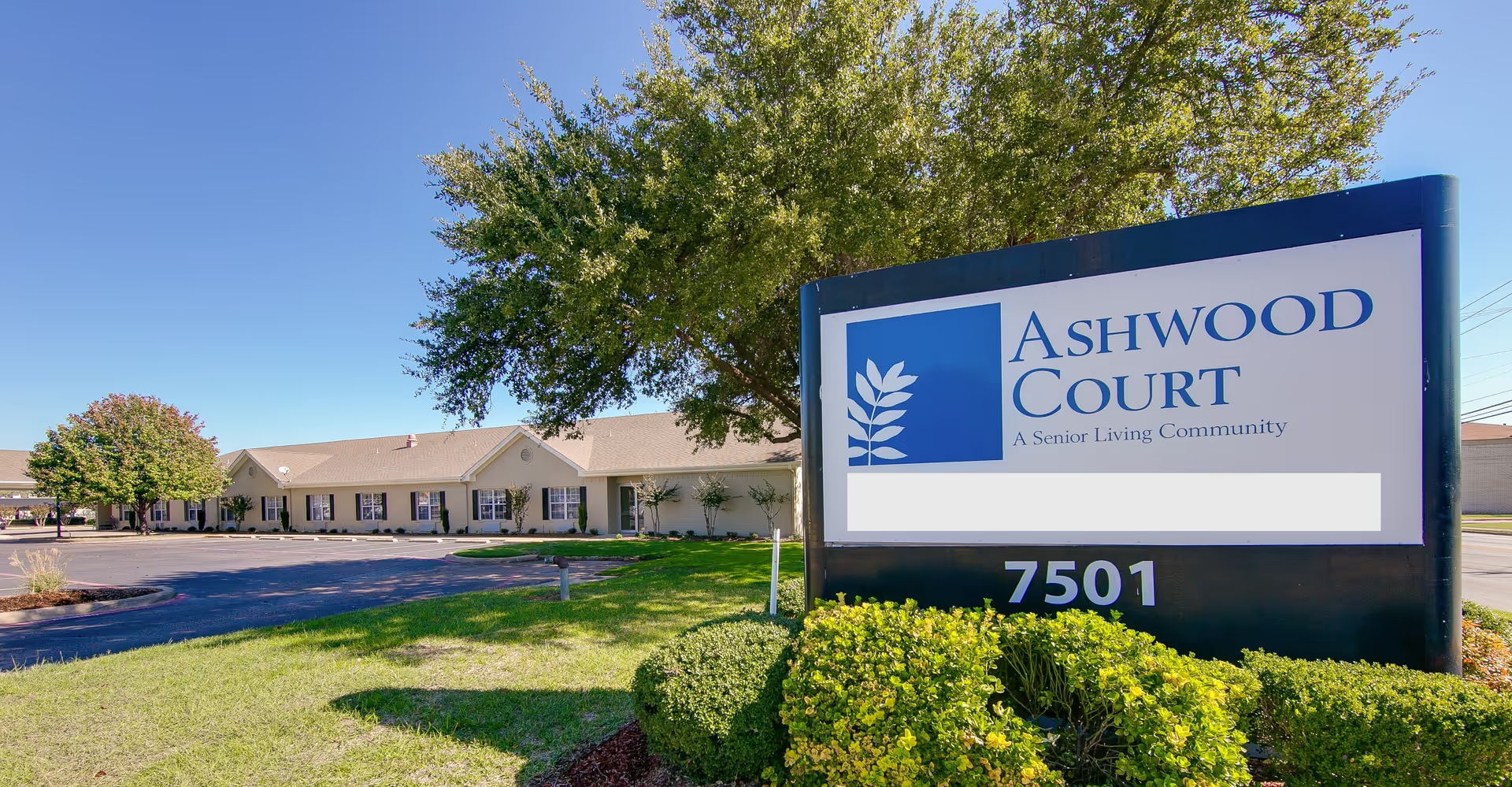
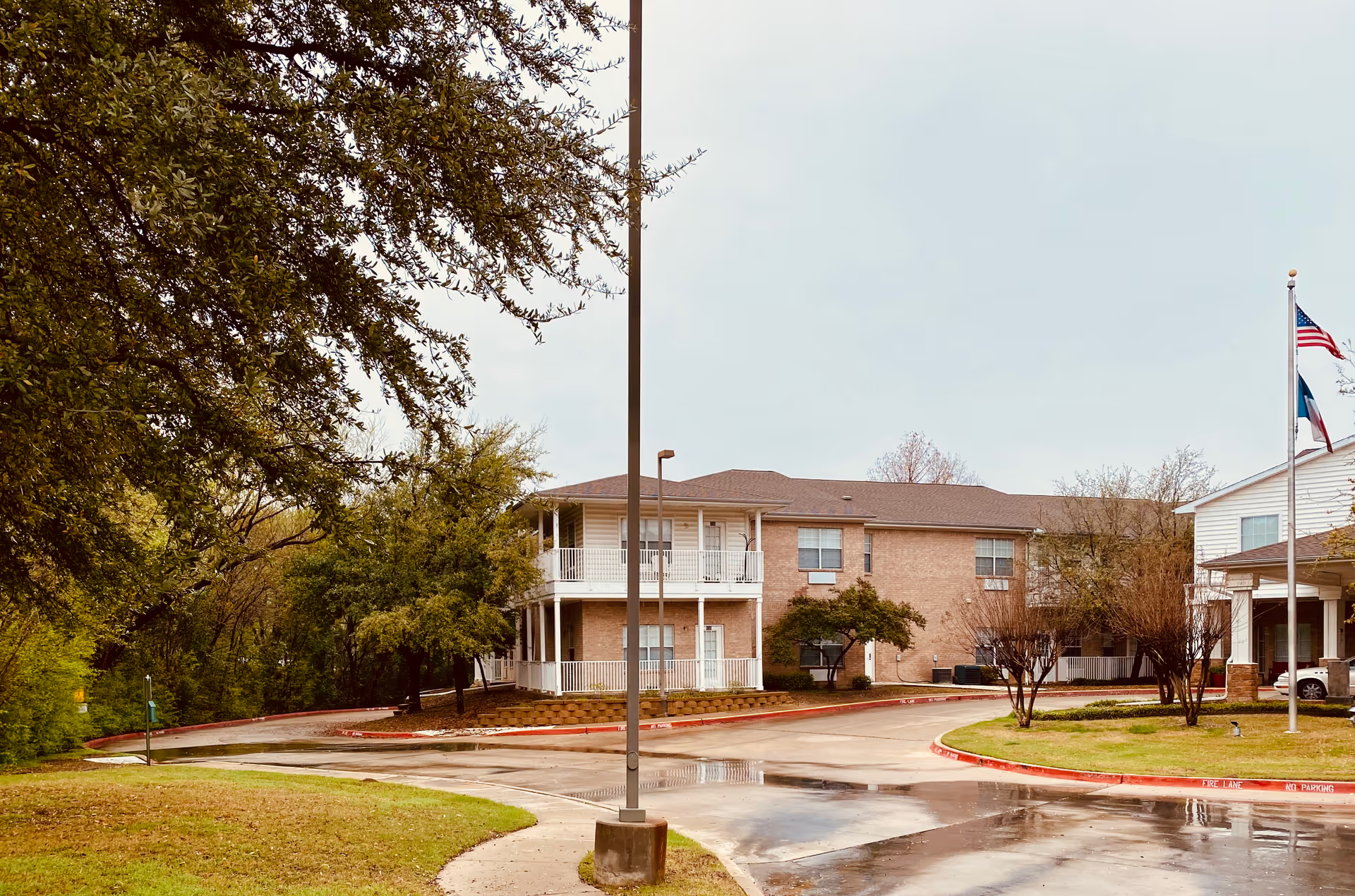
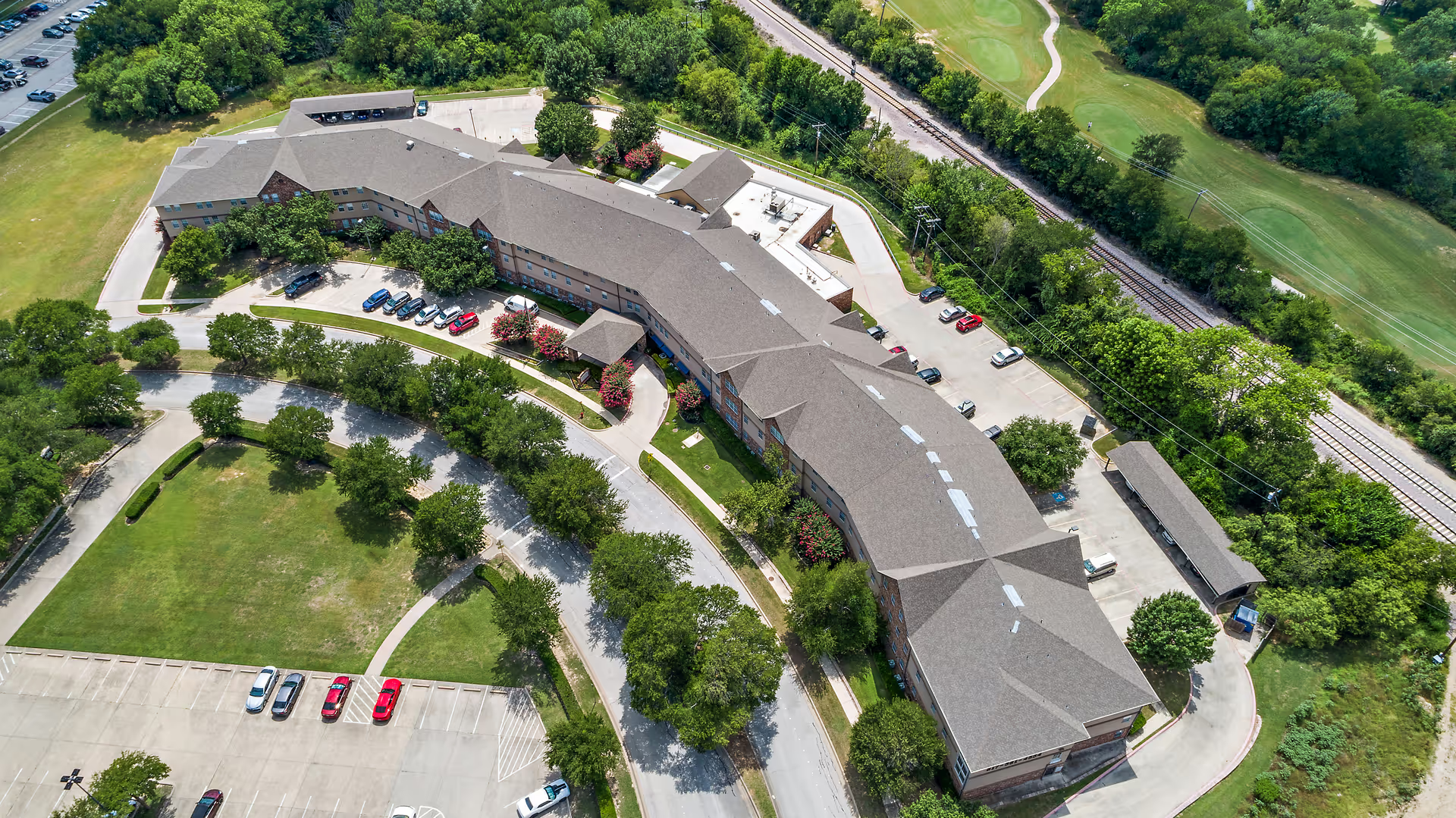
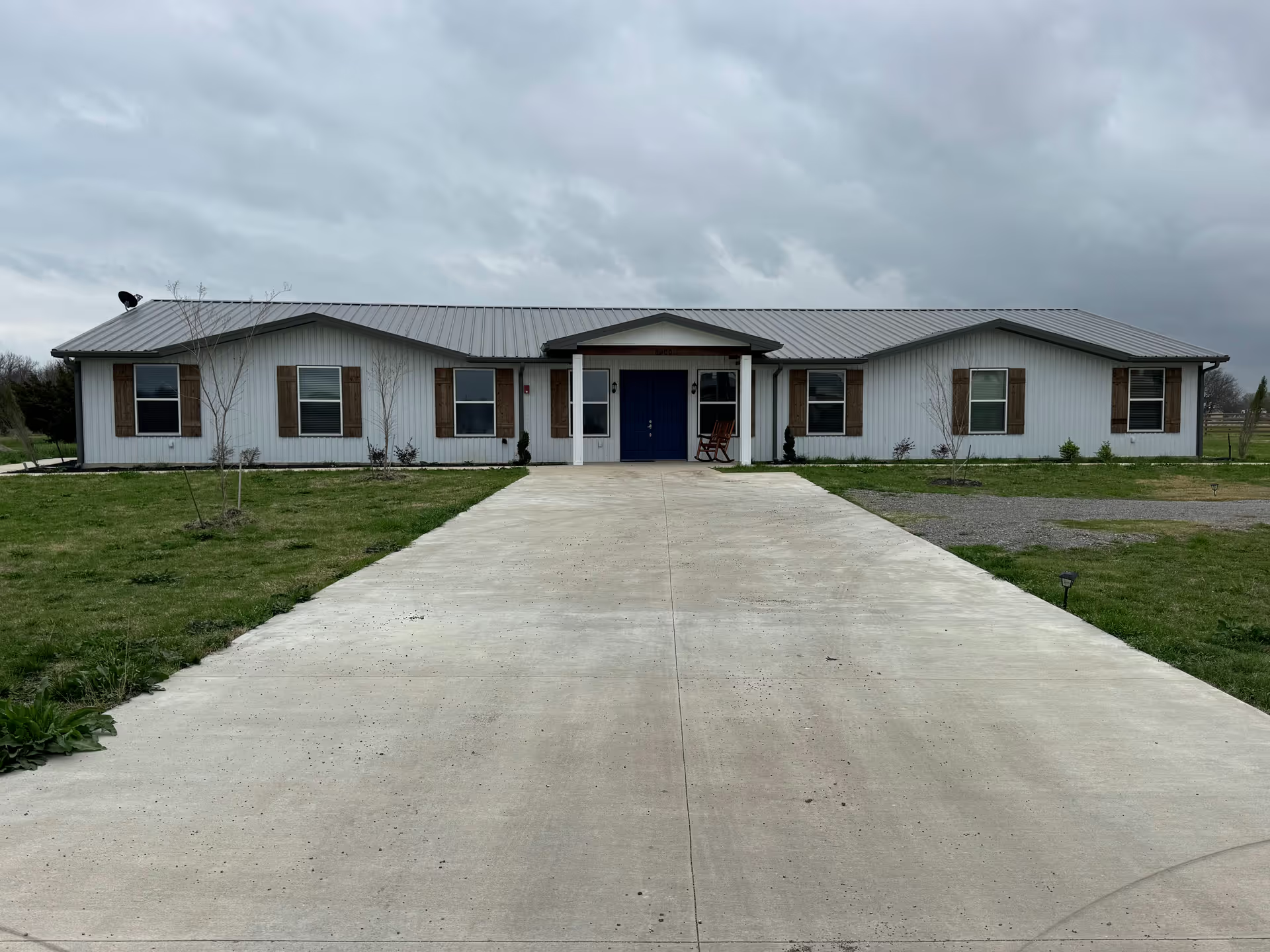
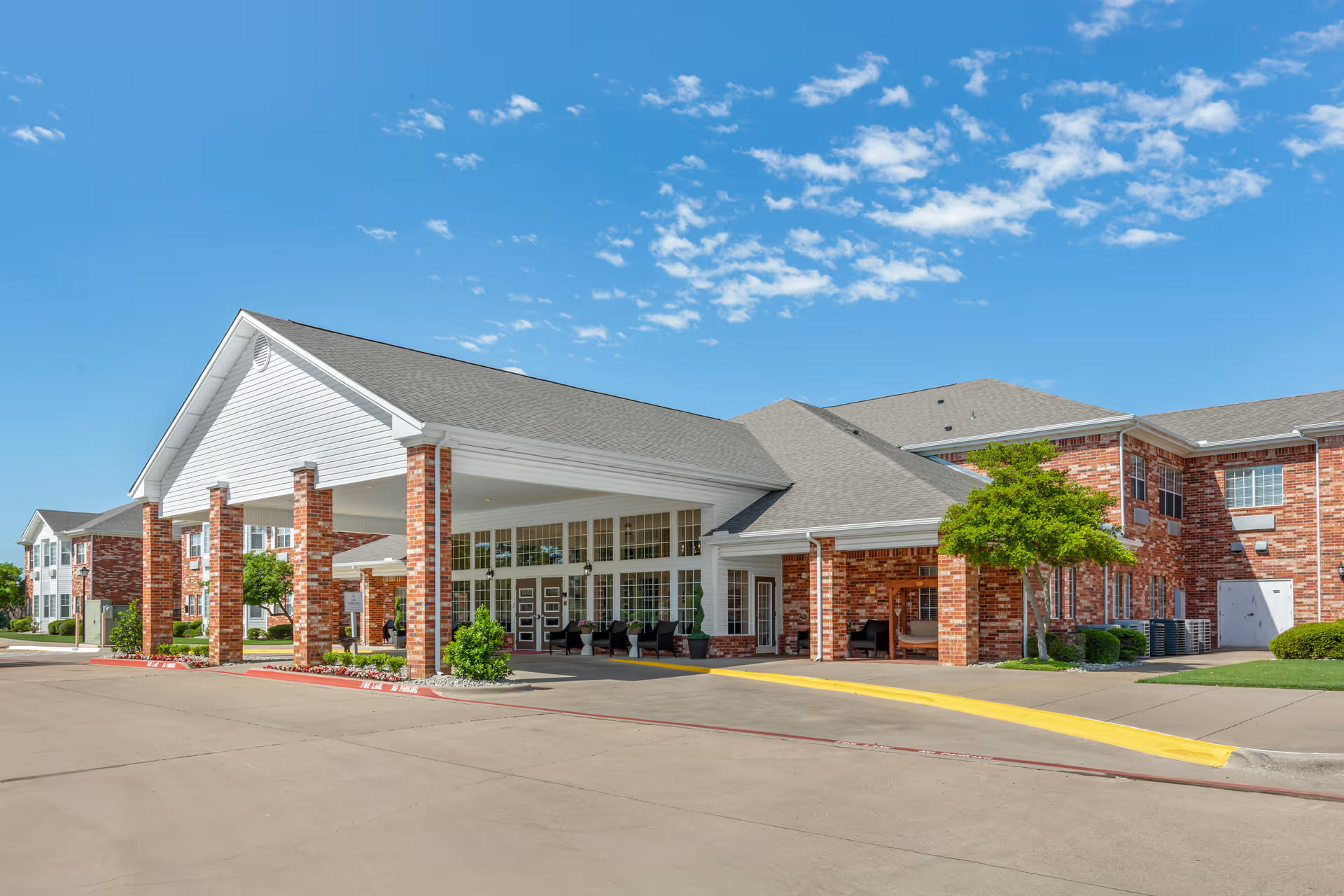
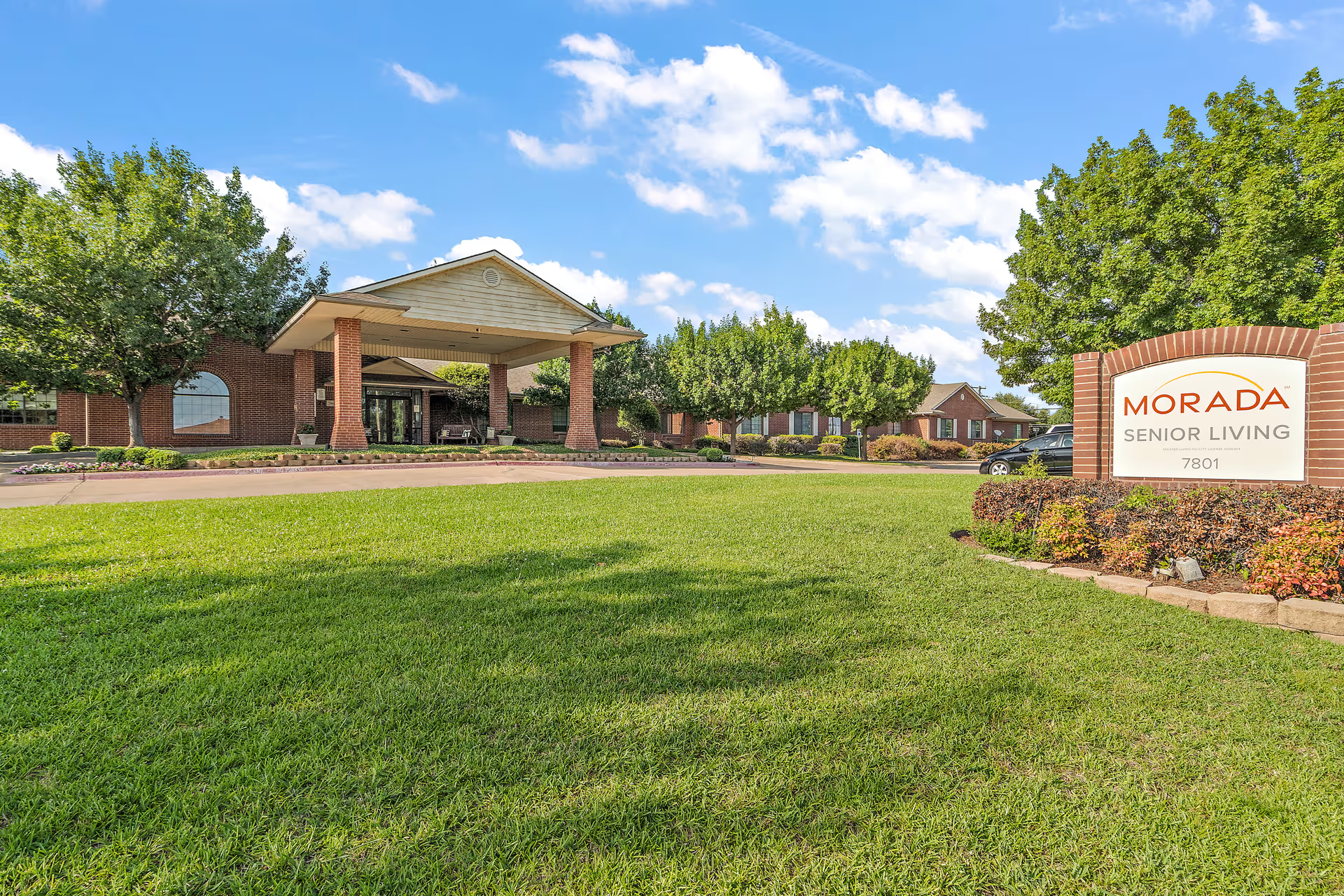
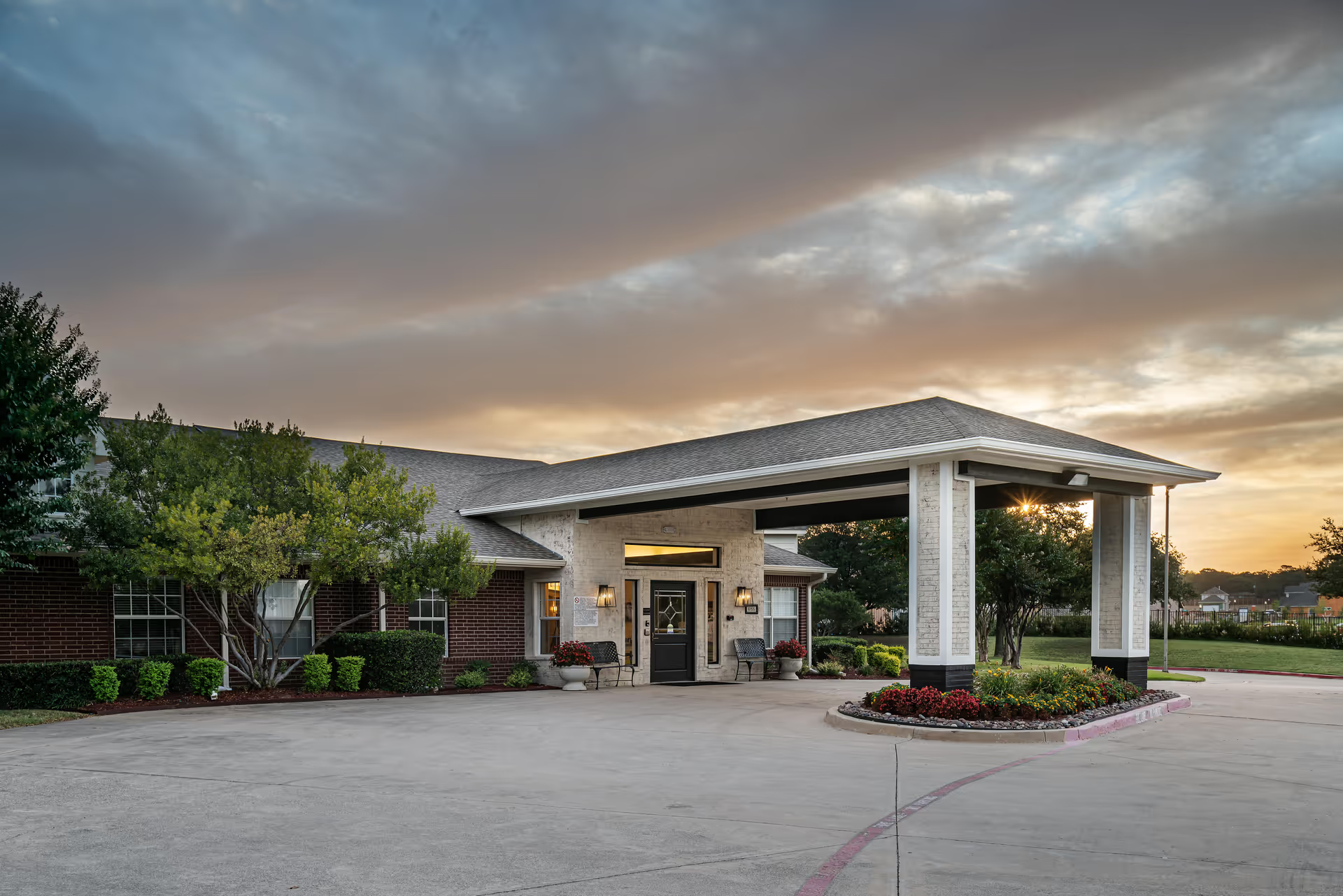
Facilities and accessibility: The building is described as older and visually dated, though common areas are kept clean. Resident rooms are commonly small and in some cases double-occupancy with limited closet/storage space. Some fixtures (for example, mirrors or bathroom fittings) are placed at heights that may present accessibility challenges. Prospective residents who prioritize private rooms, storage, or modernized accommodations should assess room options in person.
Management and communication: Multiple reviews describe management as difficult to reach or unresponsive at times, and families report communication breakdowns when raising concerns. There is also mention of questions about the facility’s regulatory or licensing status; prospective families should request current licensing information, recent inspection reports, and the facility’s response history to complaints.
Notable patterns and recommendations: The dominant pattern across reviews is strong daytime clinical and therapy performance paired with inconsistent night-shift responsiveness and gaps in clinical monitoring. For families considering this facility, recommended steps include: touring the community at different times of day (including evenings/nights and weekends), asking for written staffing schedules and medication-administration protocols, confirming lab-monitoring procedures for high-risk conditions (such as anticoagulation), reviewing current license and inspection records, and sampling meal options. These checks will help clarify whether the facility’s strengths align with an individual resident’s needs and whether operational gaps can be mitigated.