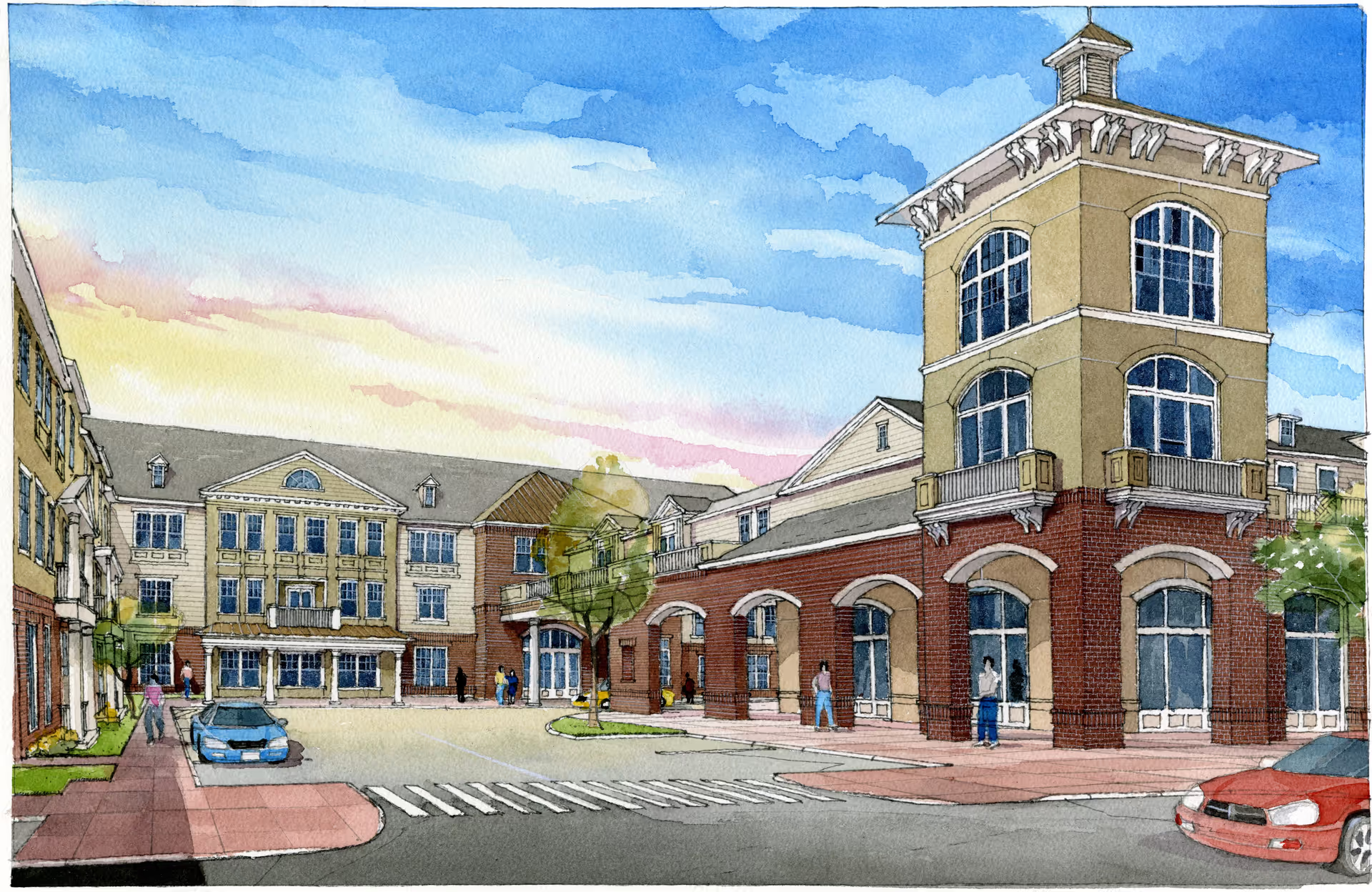
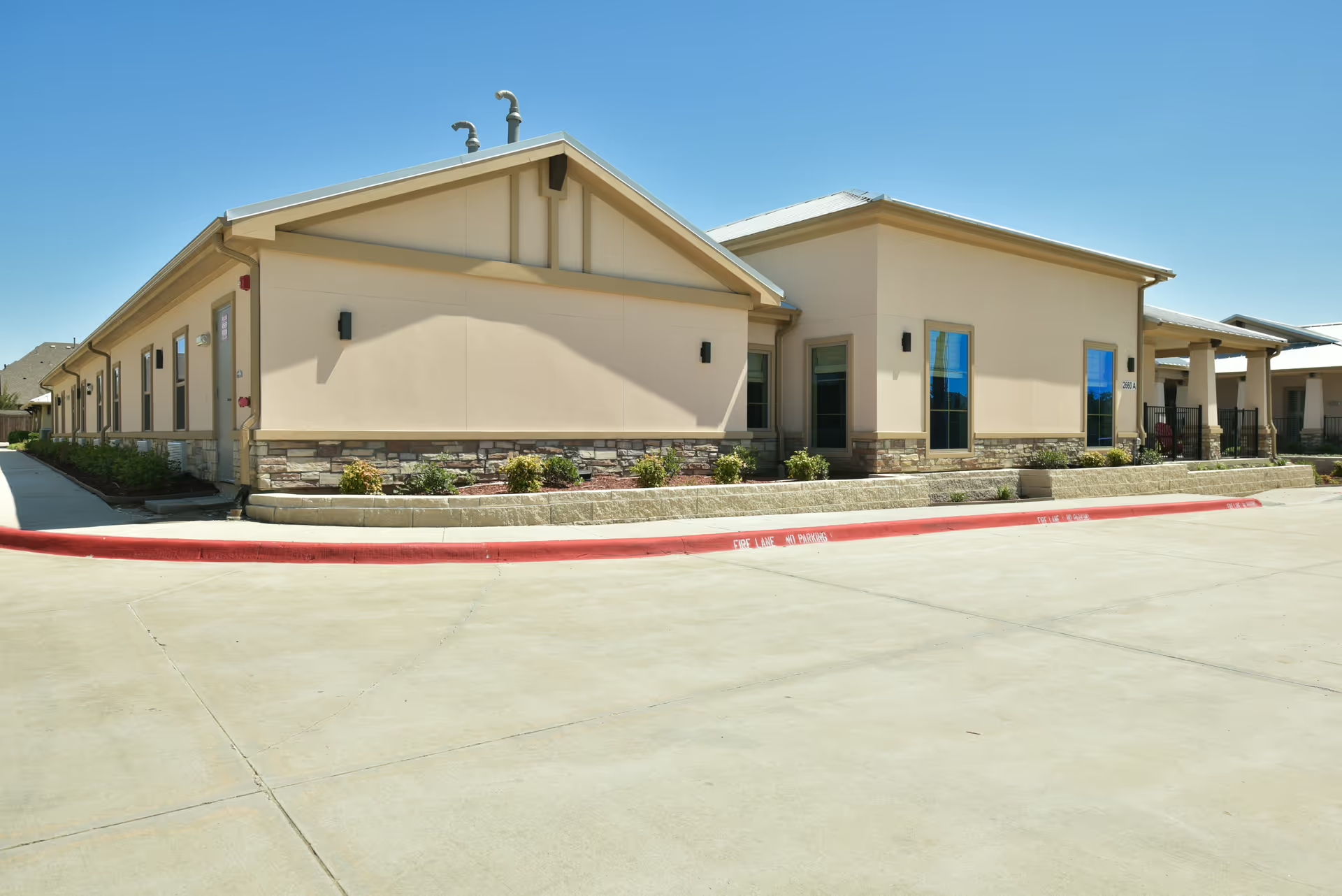
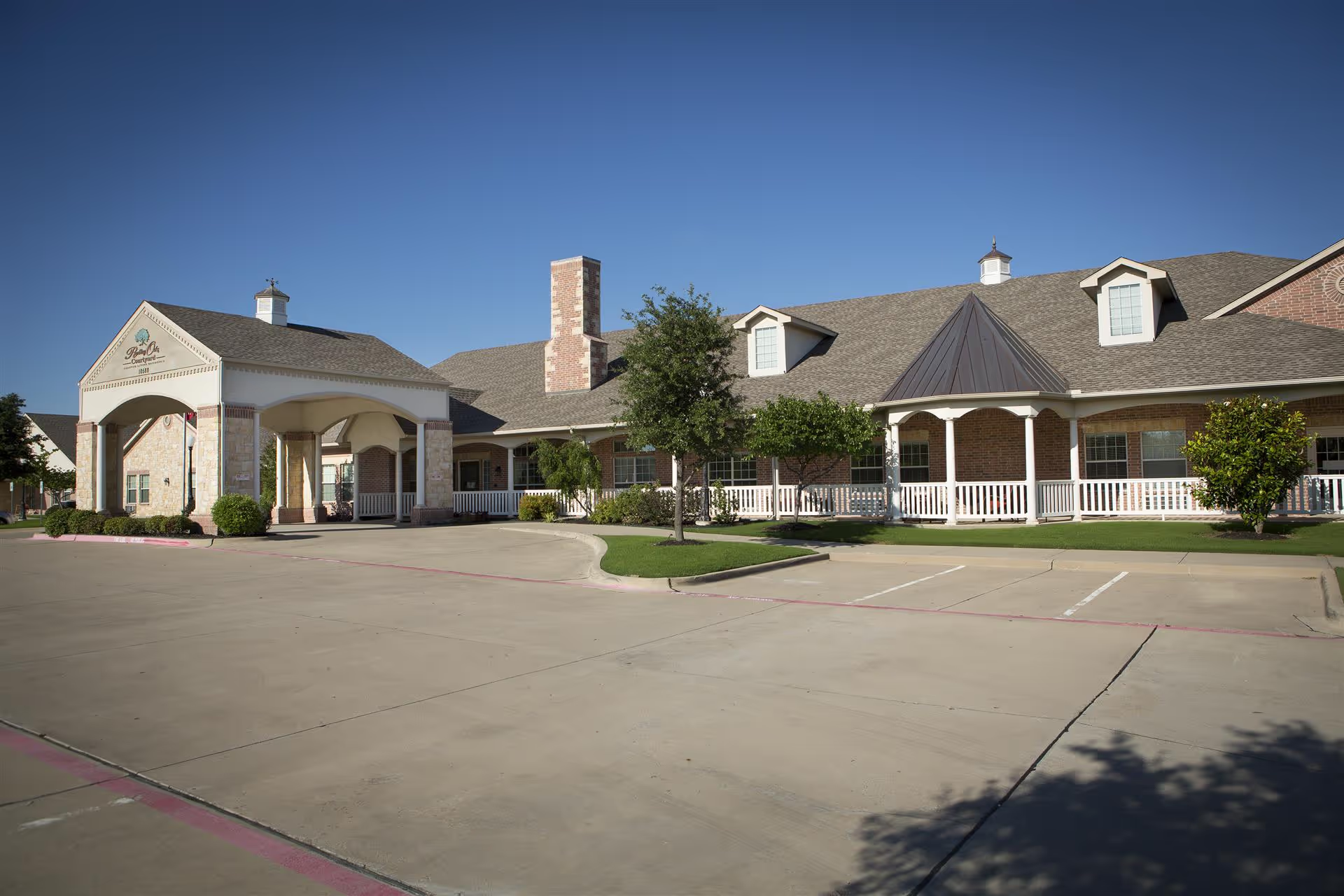
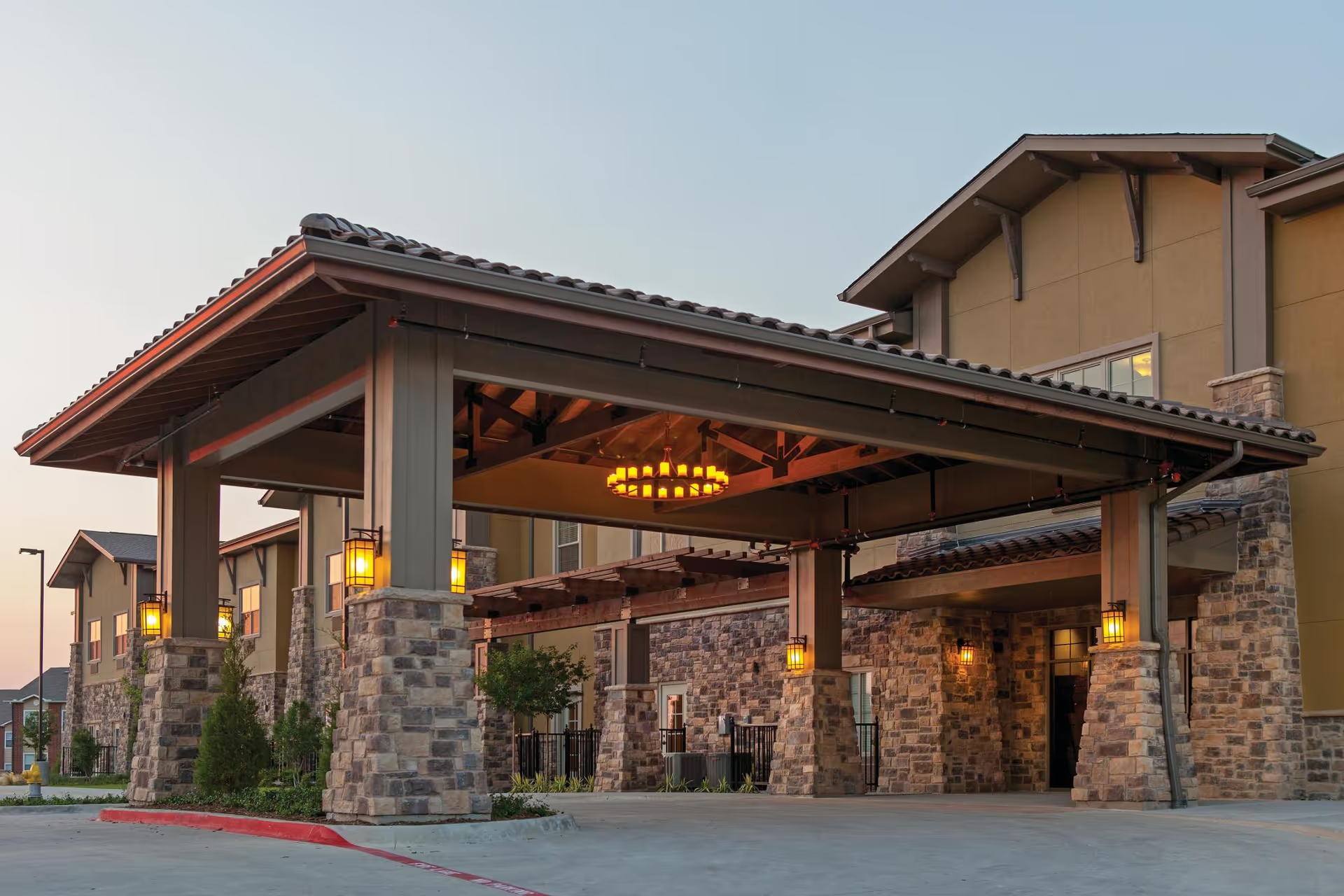
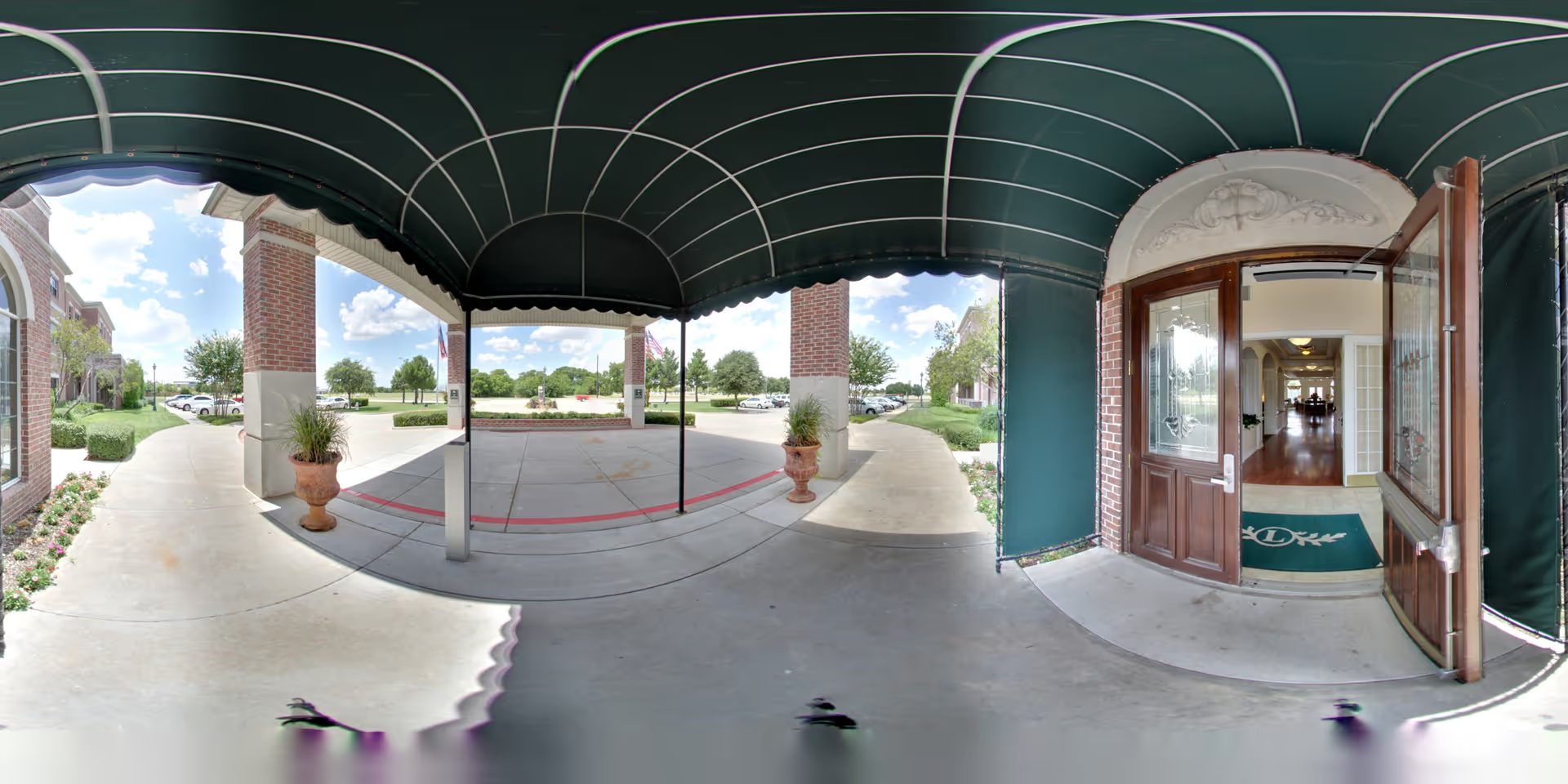
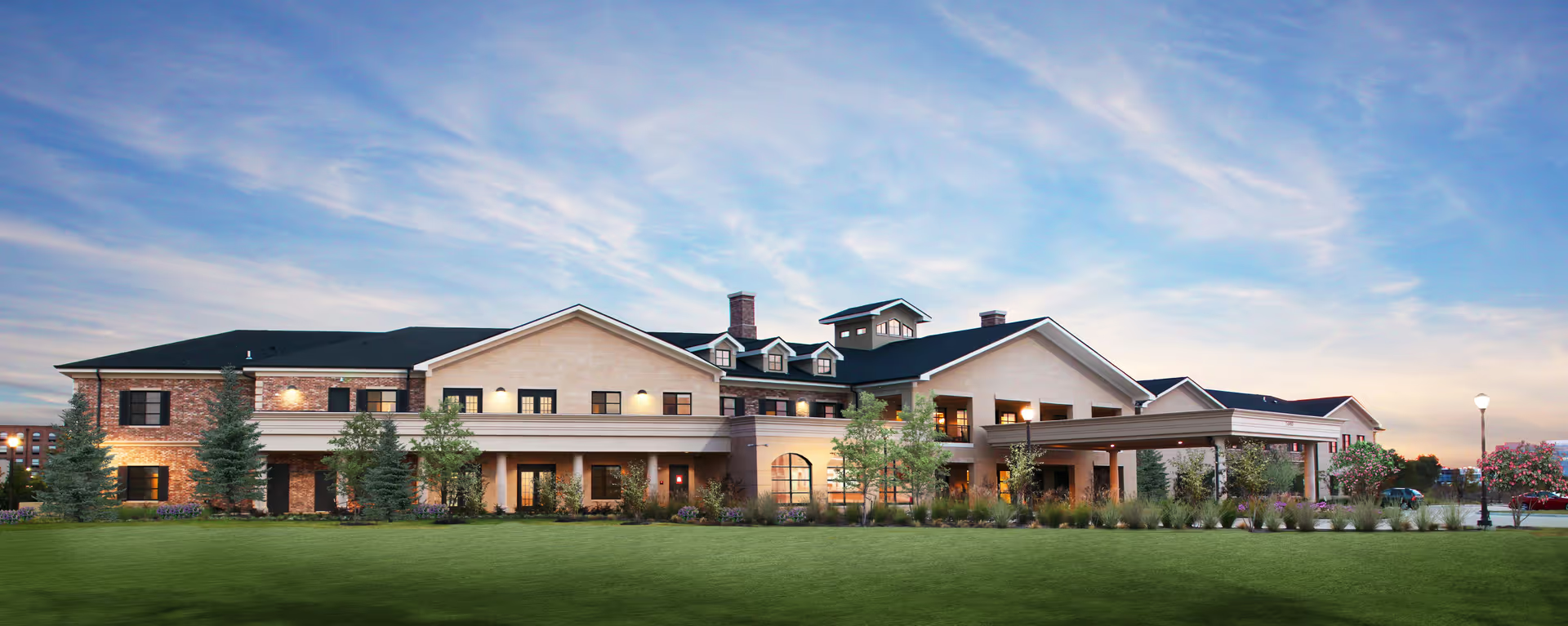
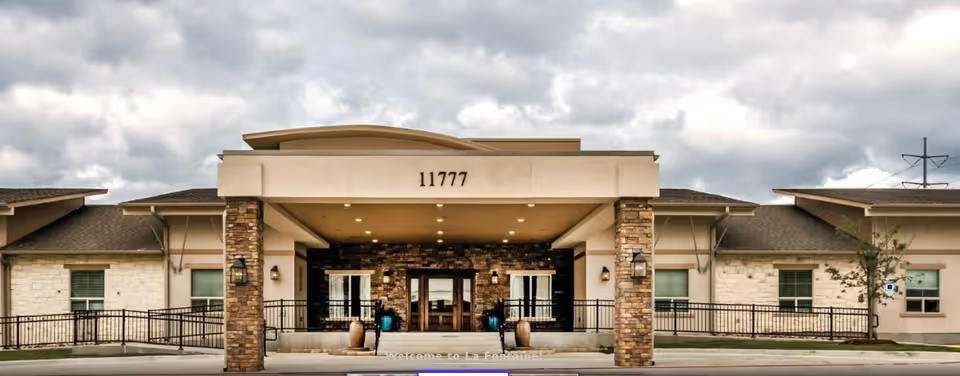
The reviews present a mixed picture: the building, therapy services and programming are consistently cited as strengths, but operational and clinical concerns recur. The facility is frequently described as attractive and well maintained, with solid rehabilitation and therapy teams, active recreational programming, and private-room accommodations. Several families also praised individual caregivers and aspects of dining and security, and the facility accepts Medicaid which can be important for placement options.
Care quality and clinical management are uneven. A recurring operational theme is chronic understaffing, which reviewers link to long call-light response times, inconsistent nursing follow-up, and delays in attending to basic resident needs. Medication administration and monitoring are described as inconsistent — including late doses, missed or incorrect medications, and medication-related sedation or somnolence in some cases — raising concerns about medication-safety systems. Some accounts describe safety lapses related to transfers and falls; these suggest gaps in transfer-safety protocols and supervision during high-risk activities such as dining and mobility assistance.
Staff behavior and supervisory oversight are variable. Many reviewers reported unprofessional conduct or low attentiveness among staff (for example, staff spending time on personal devices, limited follow-through, or limited clinical initiative), while others named specific caregivers and managers who provided compassionate, attentive care. High staff turnover and reports of low morale are common and appear to affect continuity of care. Management responsiveness also emerges as an operational weakness: families describe difficulty getting timely answers, inconsistent follow-up after complaints, limited after-hours accessibility, and confusion around discharge and billing processes.
Dining, housekeeping, and infection-control practices show mixed performance. Meal programming and menu variety are noted positively by some, but there are frequent complaints about late, incorrect, or inappropriate meals for special diets. Housekeeping and incontinence-care inconsistencies are cited, including delayed room readiness, linen and clothing issues, and odor concerns in some areas. Several reviewers raised concerns about infection-control communication and COVID-related transparency and protocols during outbreaks.
Overall, the facility may suit someone whose primary need is short-term rehabilitation or an attractive environment with a capable therapy department, provided families confirm operational safeguards. Prospective residents and their families should evaluate staffing levels and schedules, medication-administration safeguards, special-diet procedures, fall-prevention and transfer protocols, housekeeping and incontinence-care routines, infection-control plans, and billing/discharge processes during a tour. Asking for current staffing ratios, examples of medication-safety checks, and how management follows up on family concerns will help assess whether the facility’s operational practices meet the resident’s needs.