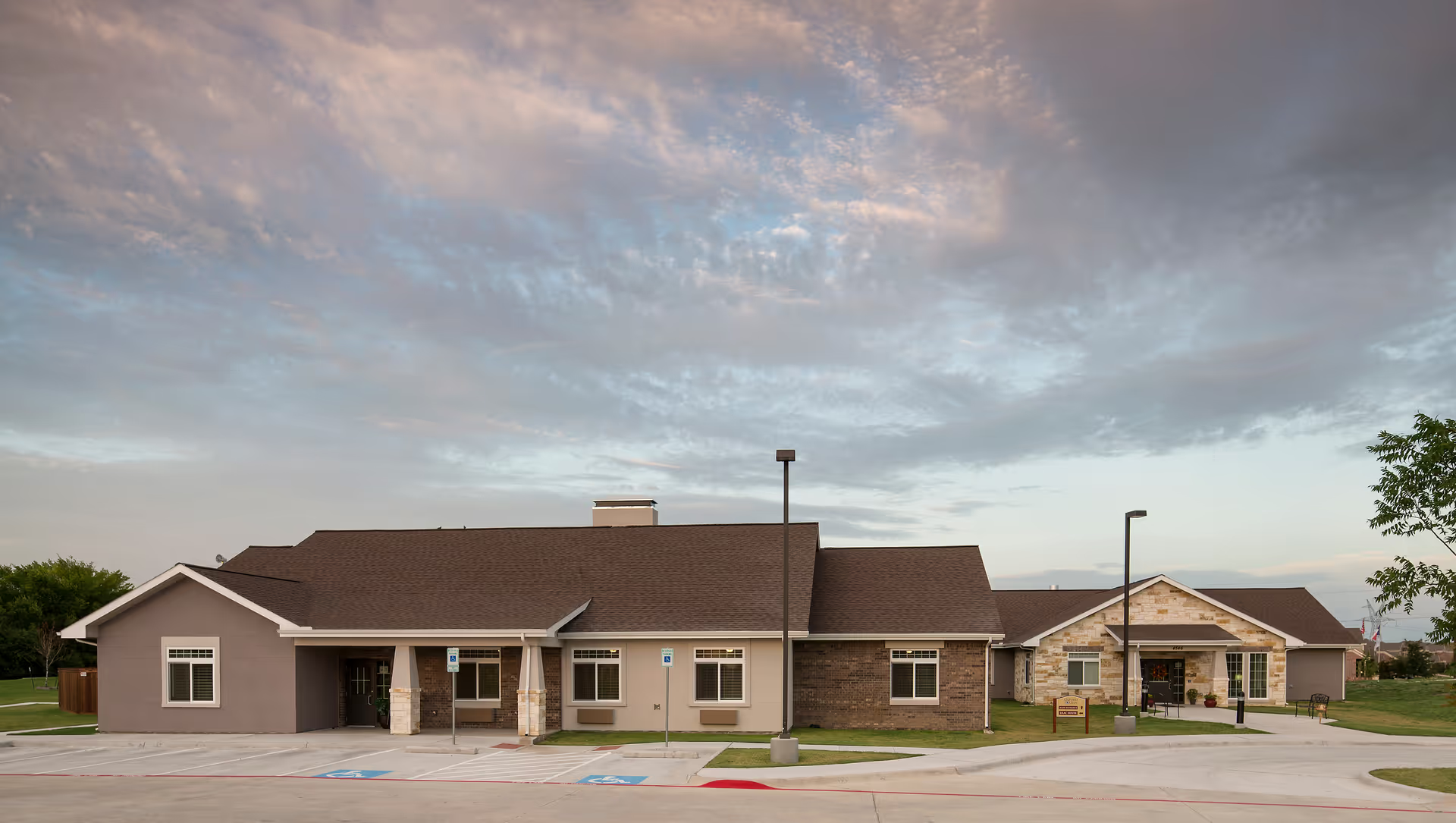
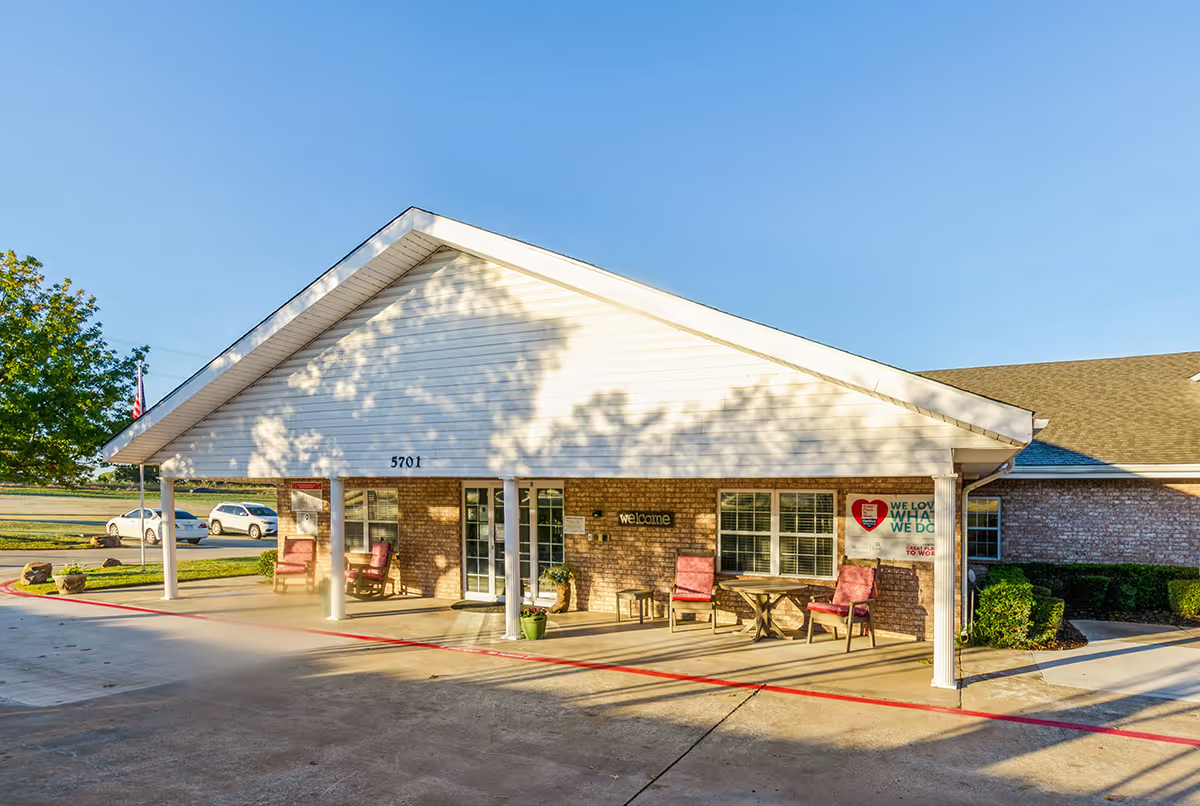
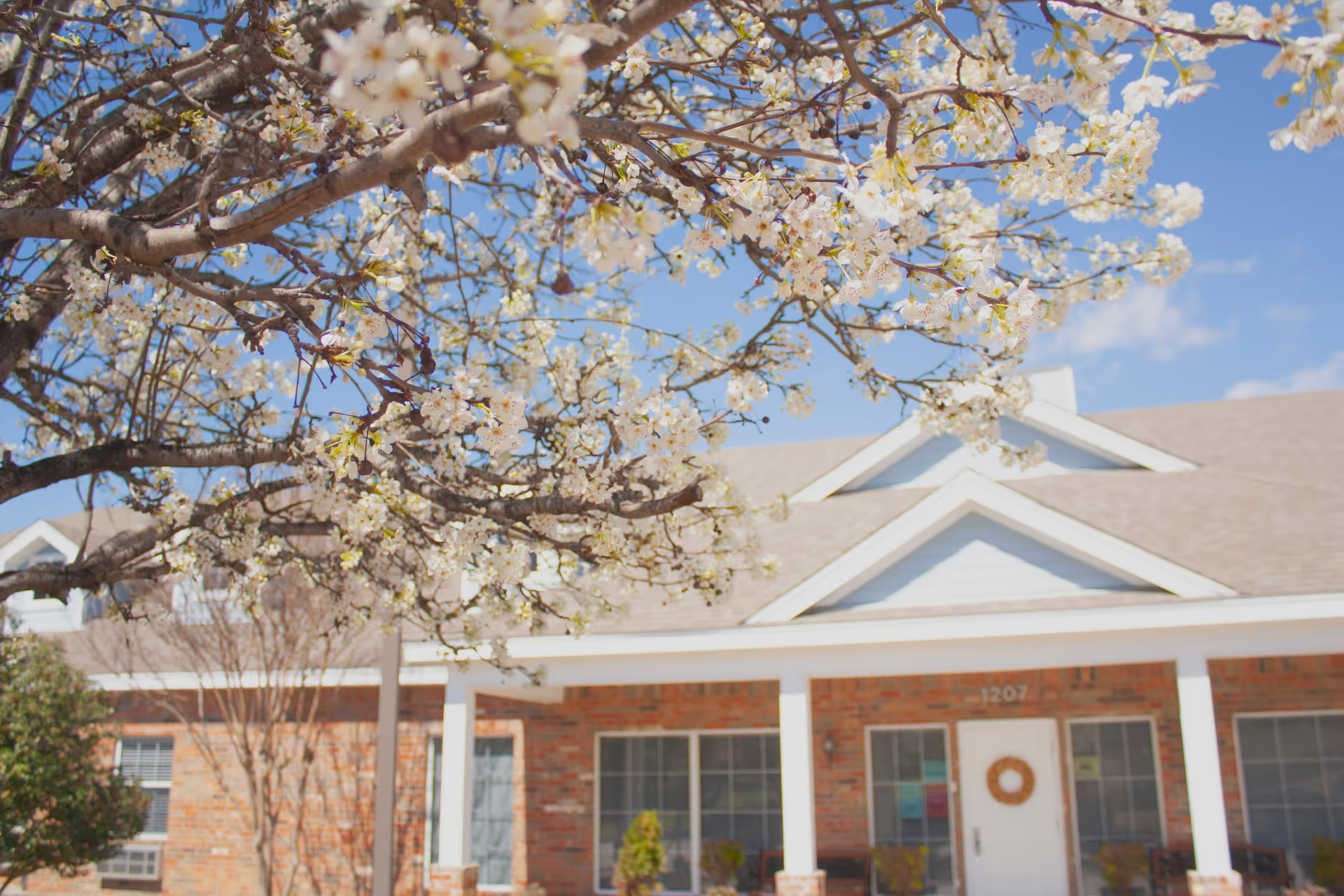
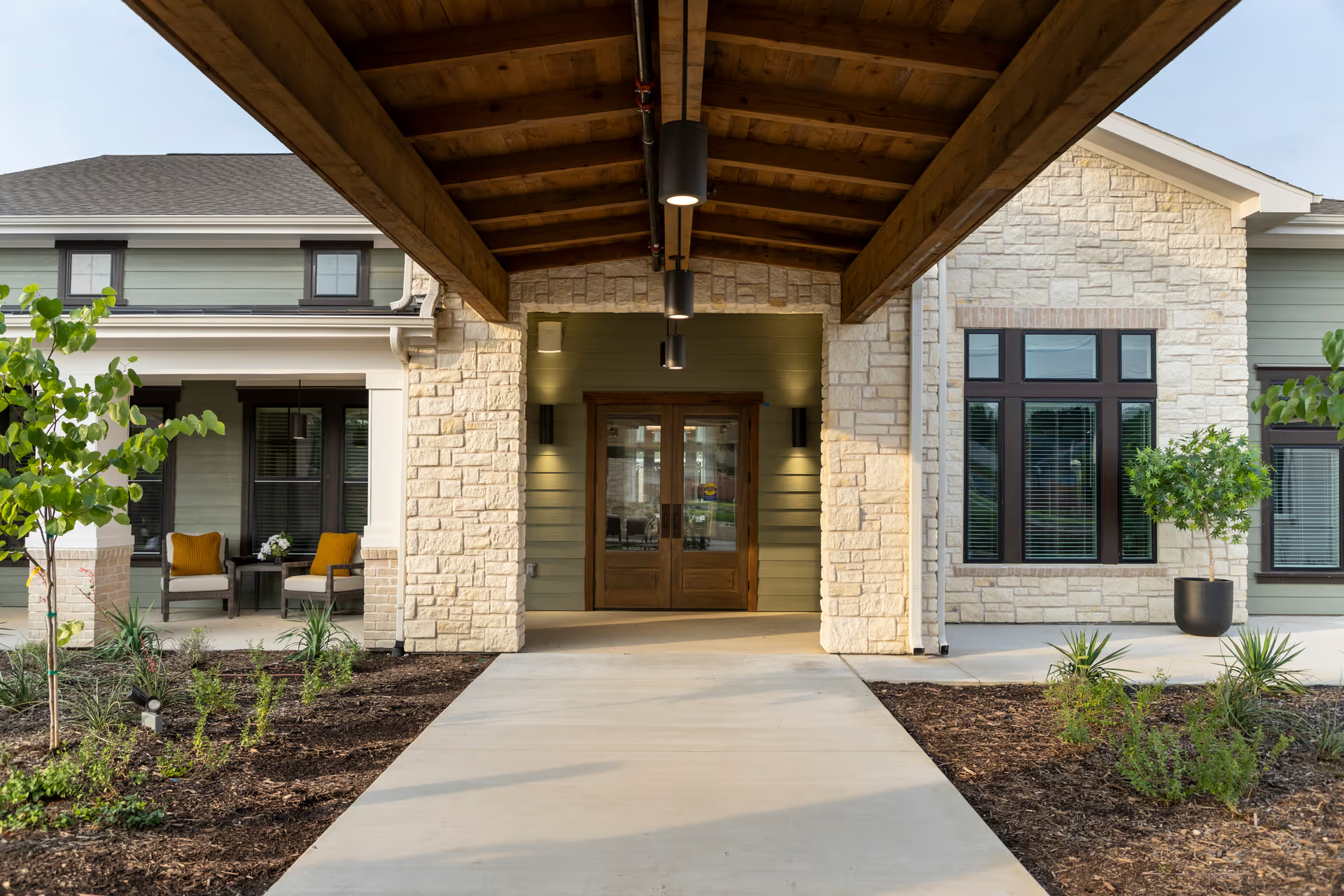
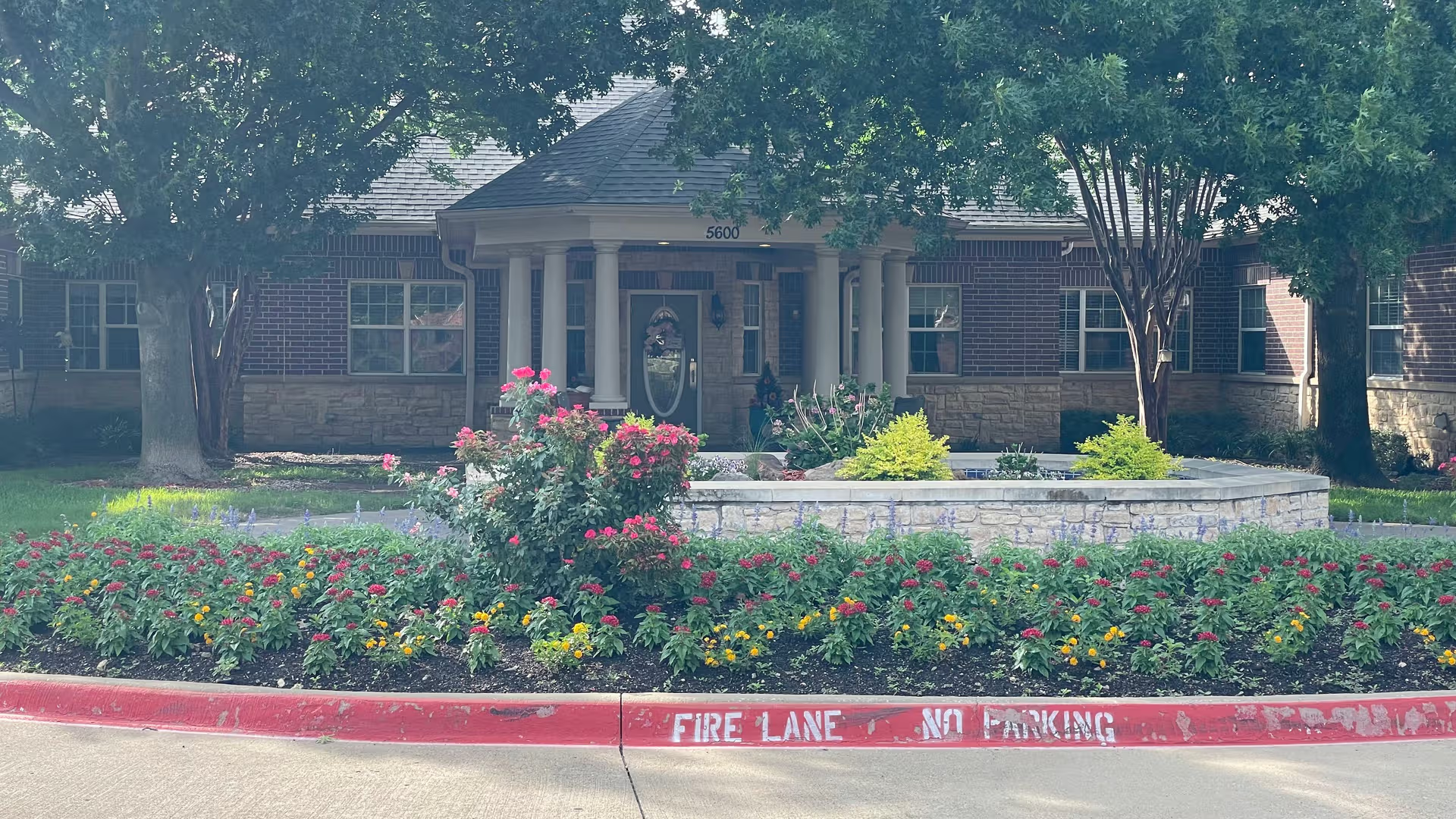
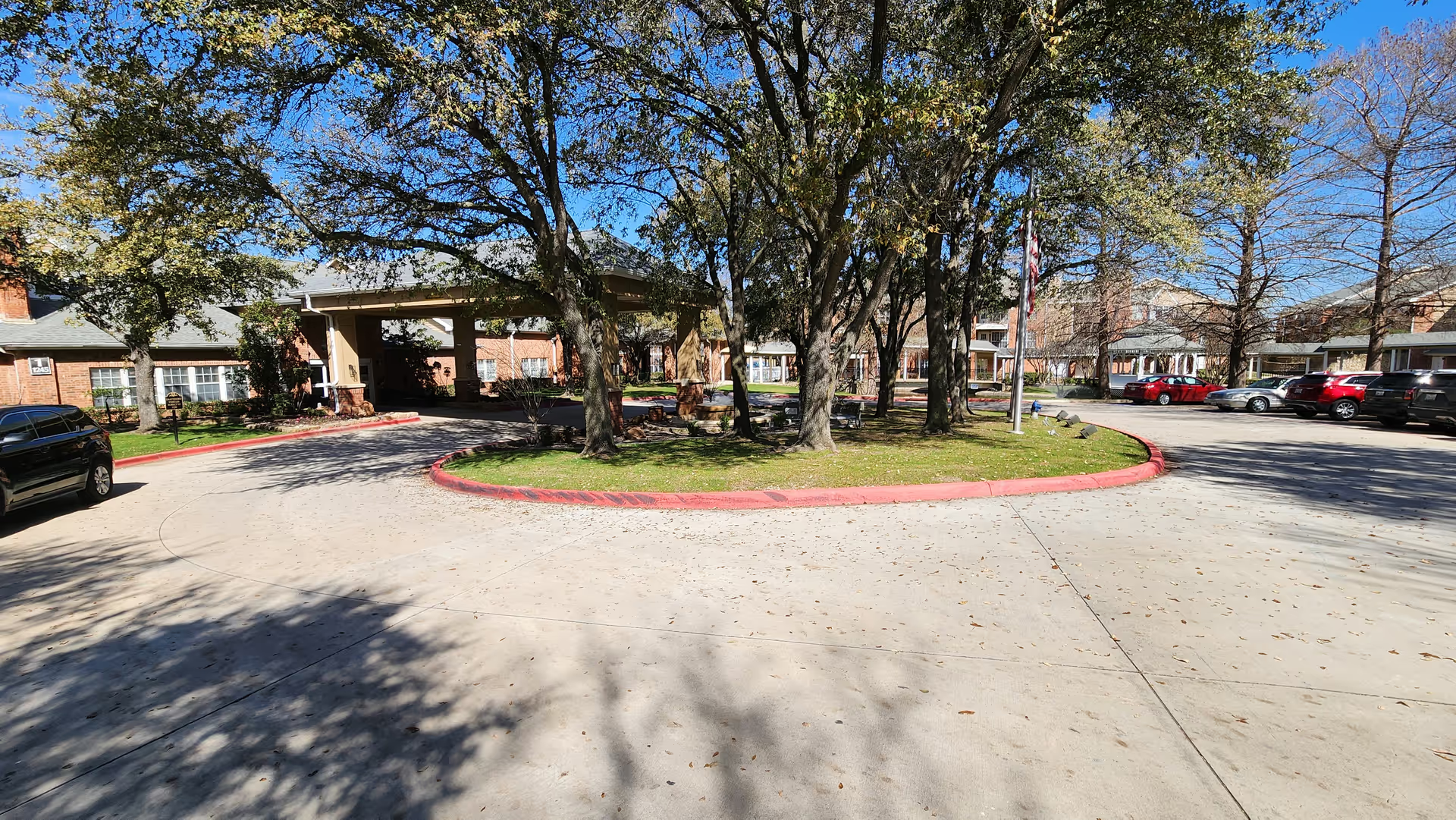
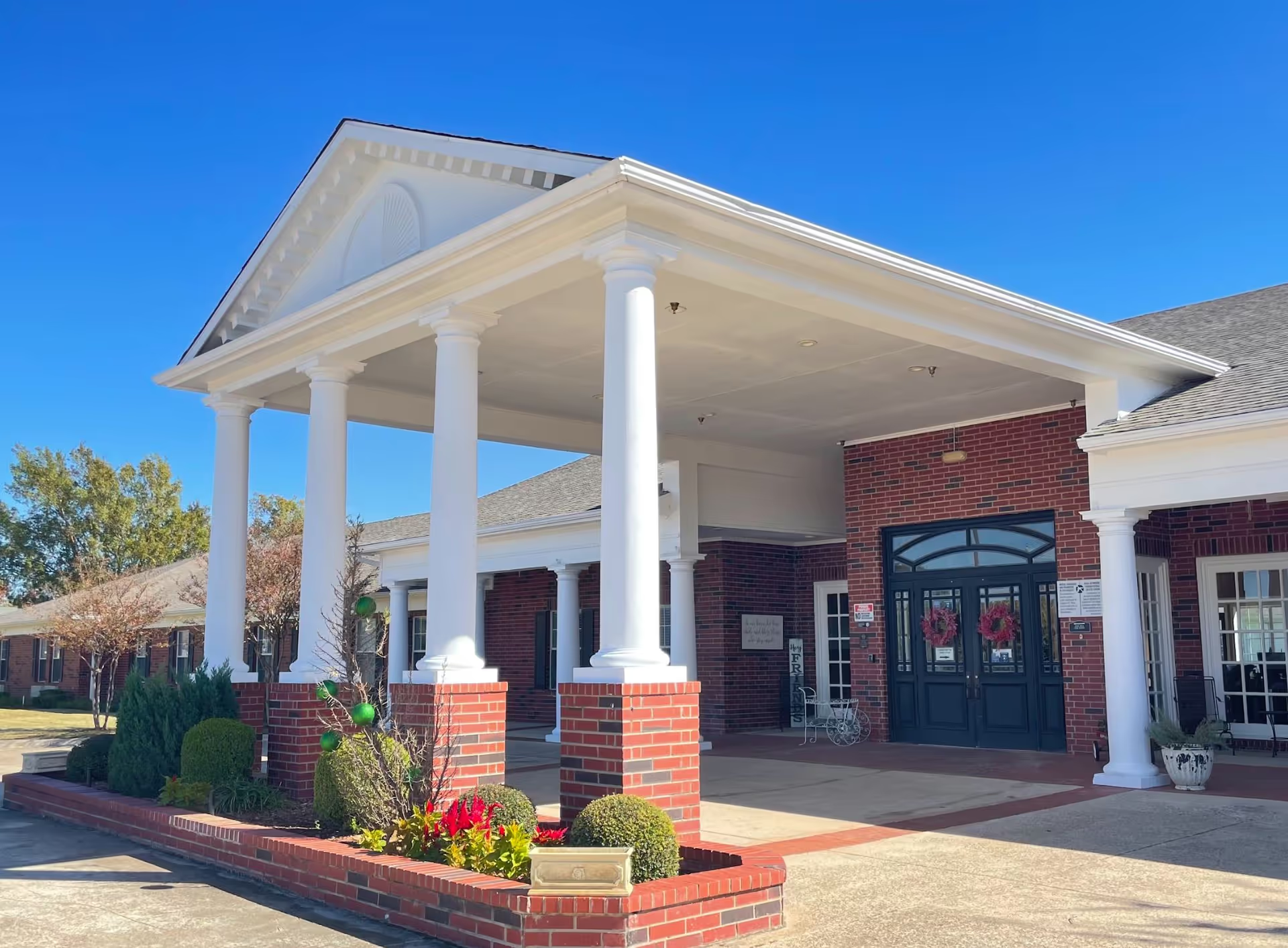
Pleasant Valley Healthcare Rehabilitation Center presents as a therapy-focused skilled nursing facility with strong strengths in rehabilitation, individualized therapy, and a generally warm, homelike culture. Multiple comments highlight a dedicated therapy team and clinicians who pursue return-to-function goals; families credited therapists and liaisons with helping residents regain activities such as hunting or dancing and with attentive discharge planning. Admissions and front-desk staff are often described as friendly and helpful, and several notes emphasize a welcoming communal environment and well-kept rooms and corridors, including recent flooring improvements that aid accessibility.
Care quality assessments are mixed. Daytime clinical teams and therapists receive consistent praise for being compassionate and responsive, and some families described above-and-beyond attention and inclusive family communication. However, reviewers identified operational inconsistencies that affect perceived quality of care: overnight staffing levels and responsiveness to call lights were described as inadequate at times, producing delays in assistance with personal-care needs. Medication management and monitoring also emerged as an area of concern for some families; while others noted medication issues were addressed when raised, there are enough observations to indicate variability in how medications are handled and documented.
Dining and housekeeping present a mixed picture. Many reviewers praised clean rooms and routine housekeeping, but others raised specific sanitation and food-quality issues such as unappetizing or poorly cooked meals and occasional quality lapses (for example, dated fruit mentioned by a reviewer). Prospective families should expect generally clean facilities with intermittent dining quality variation and may wish to sample a meal and review current menus during a tour.
Management and administrative practices show conflicting impressions. Positive comments cite supportive leadership and clear admissions support, while negative feedback centers on billing and documentation problems (including delayed refunds and unclear post-discharge charges) and communication breakdowns between families and administrative staff. A subset of comments also referred to staffing-model and morale pressures, which reviewers linked to inconsistent nursing attention and an impersonal tone from some staff members.
For families considering Pleasant Valley, the dominant positive themes are the strength of the therapy program, compassionate daytime staff, and a warm community atmosphere. The main operational risks to examine on a tour are overnight staffing ratios and response times, medication-administration and documentation protocols, meal-service practices, and billing procedures. Practical steps for due diligence include asking for night-shift staffing levels, inquiring how medication changes and incidents are documented and communicated, observing meal service, and requesting clarification of billing policies and a sample account statement. These checks will help determine whether the facility’s therapy strengths and community environment align with a prospective resident’s clinical and administrative needs.