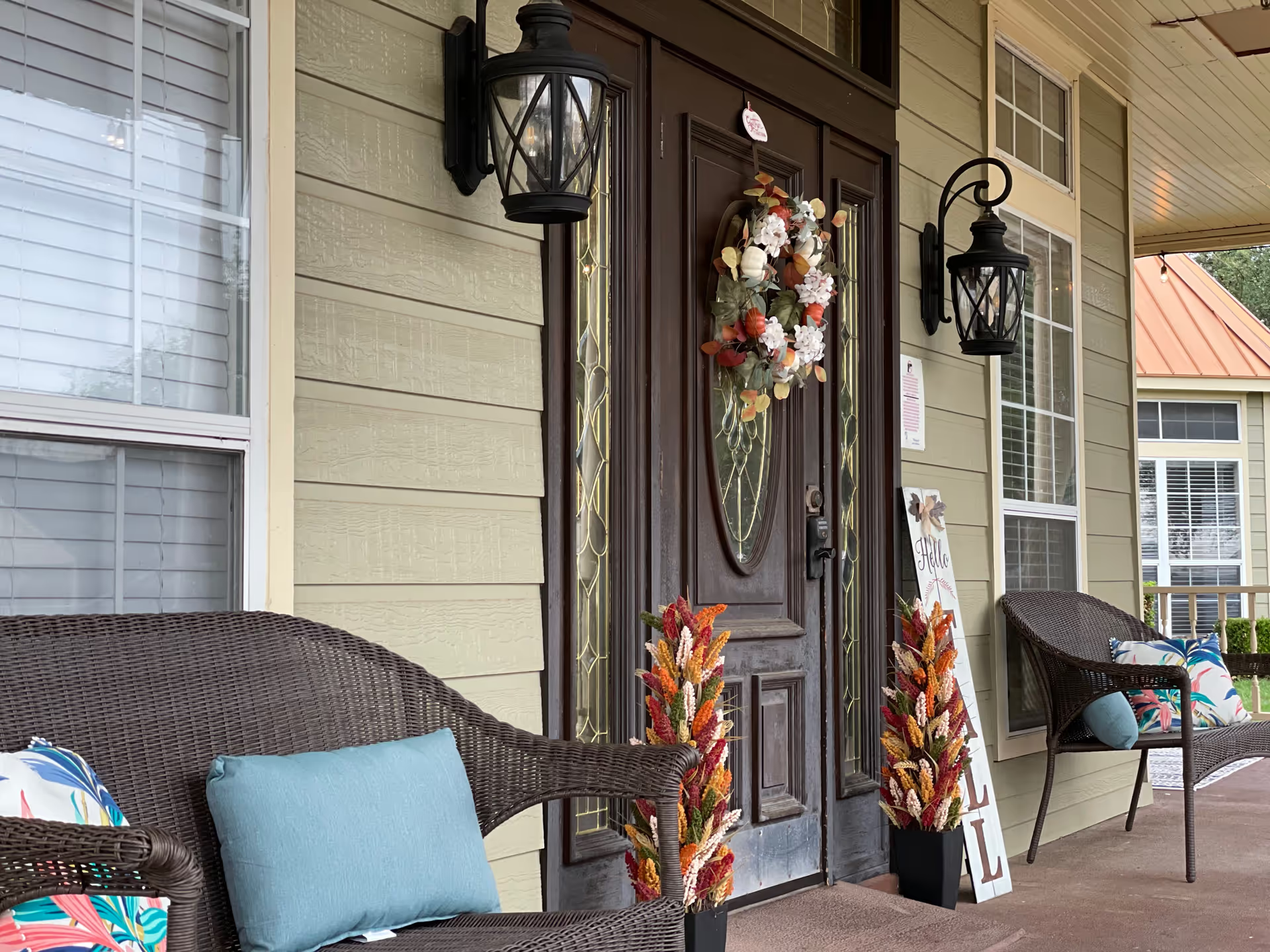
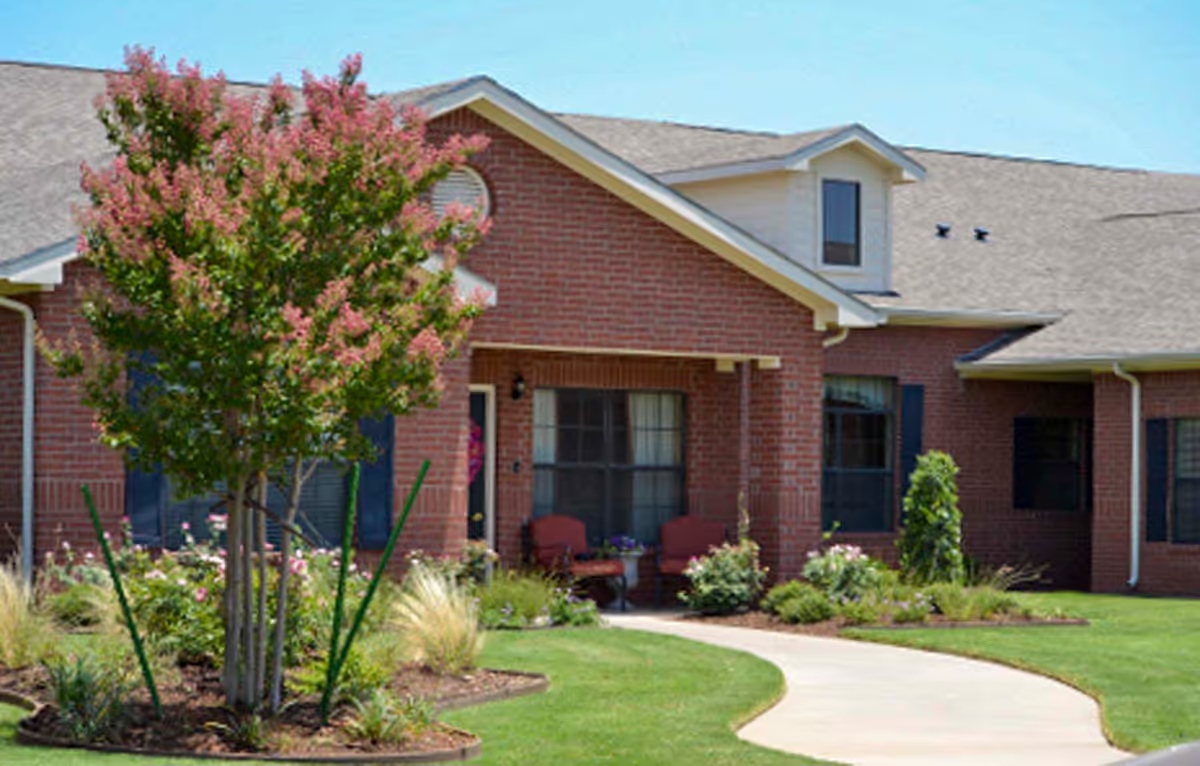
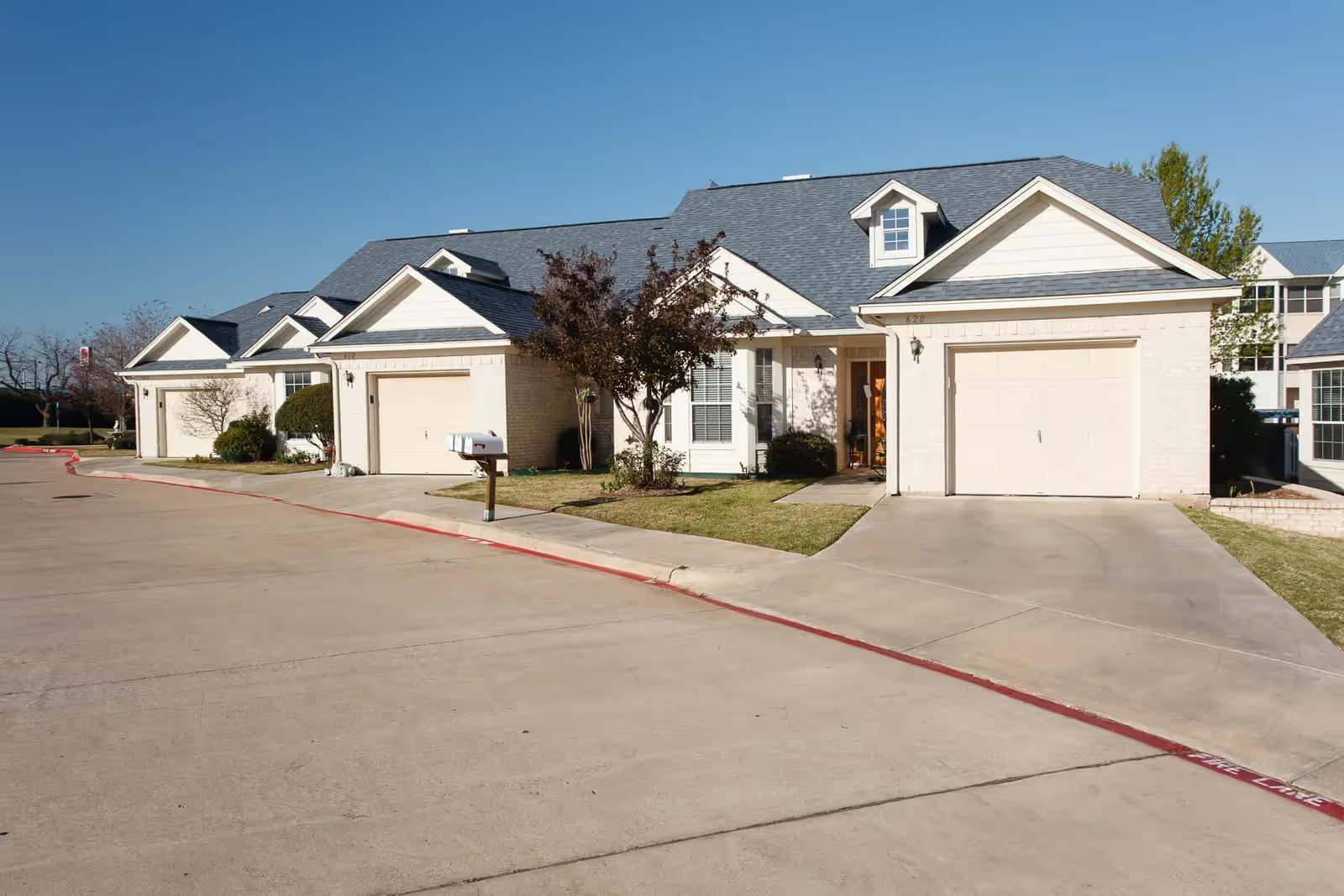
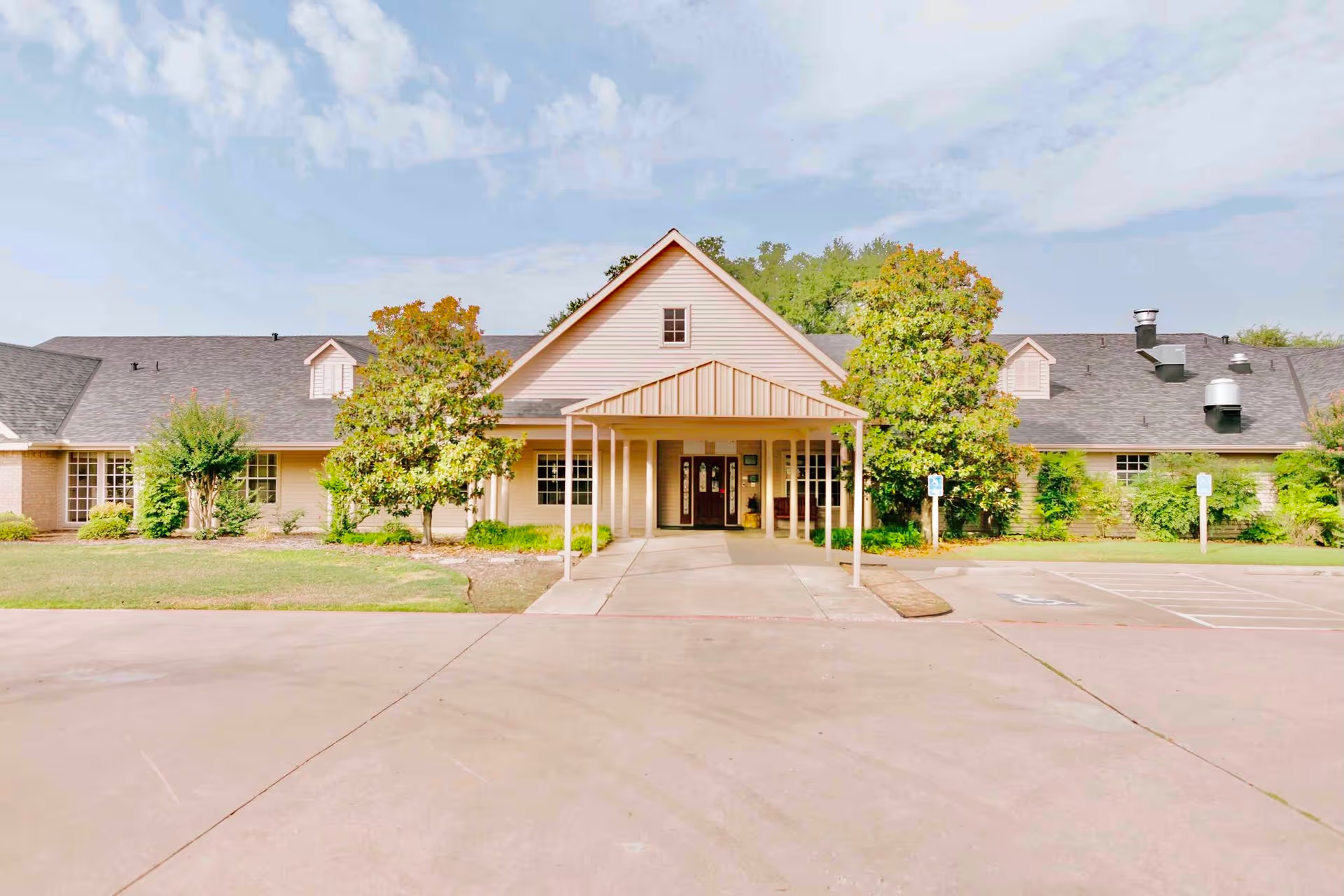
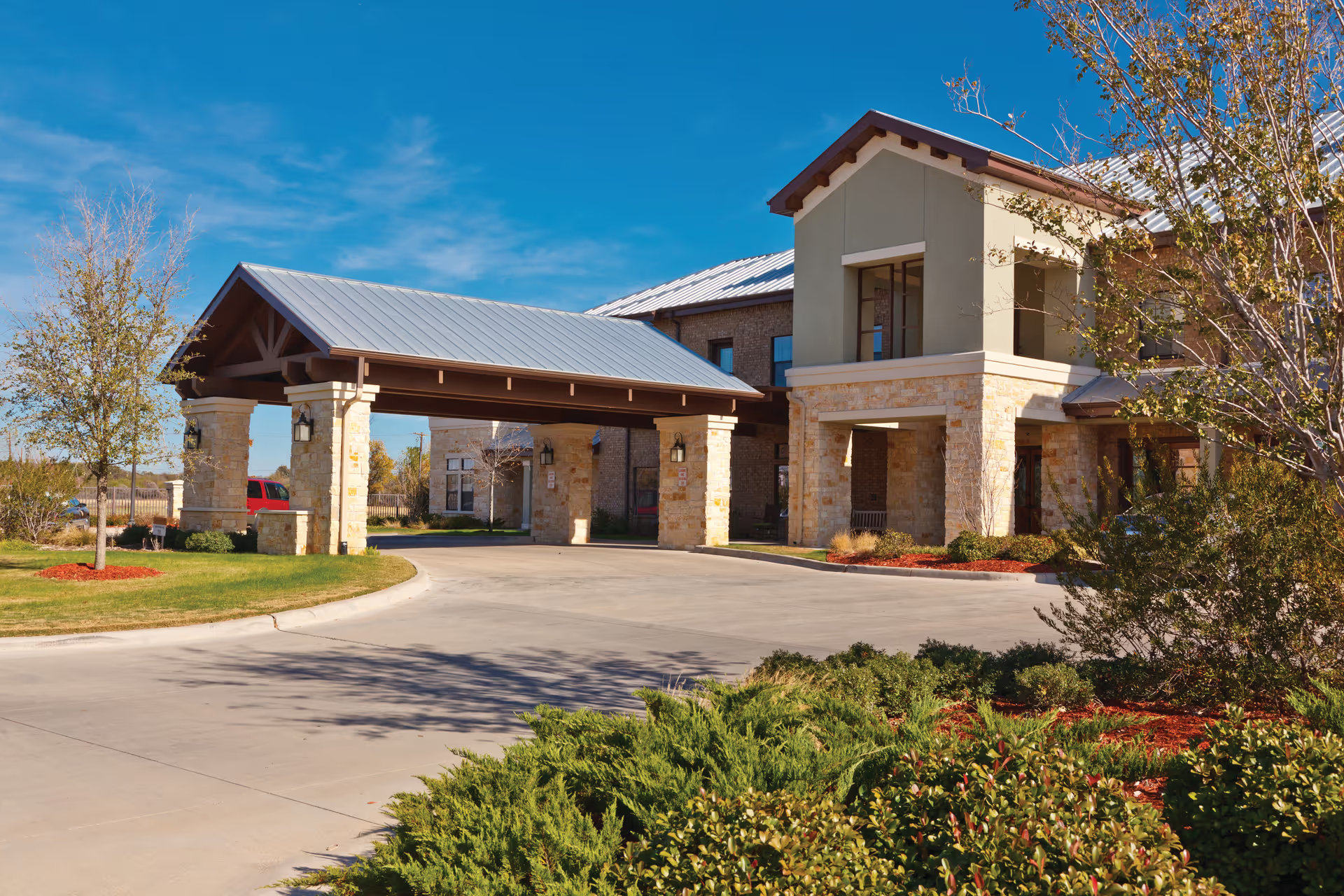
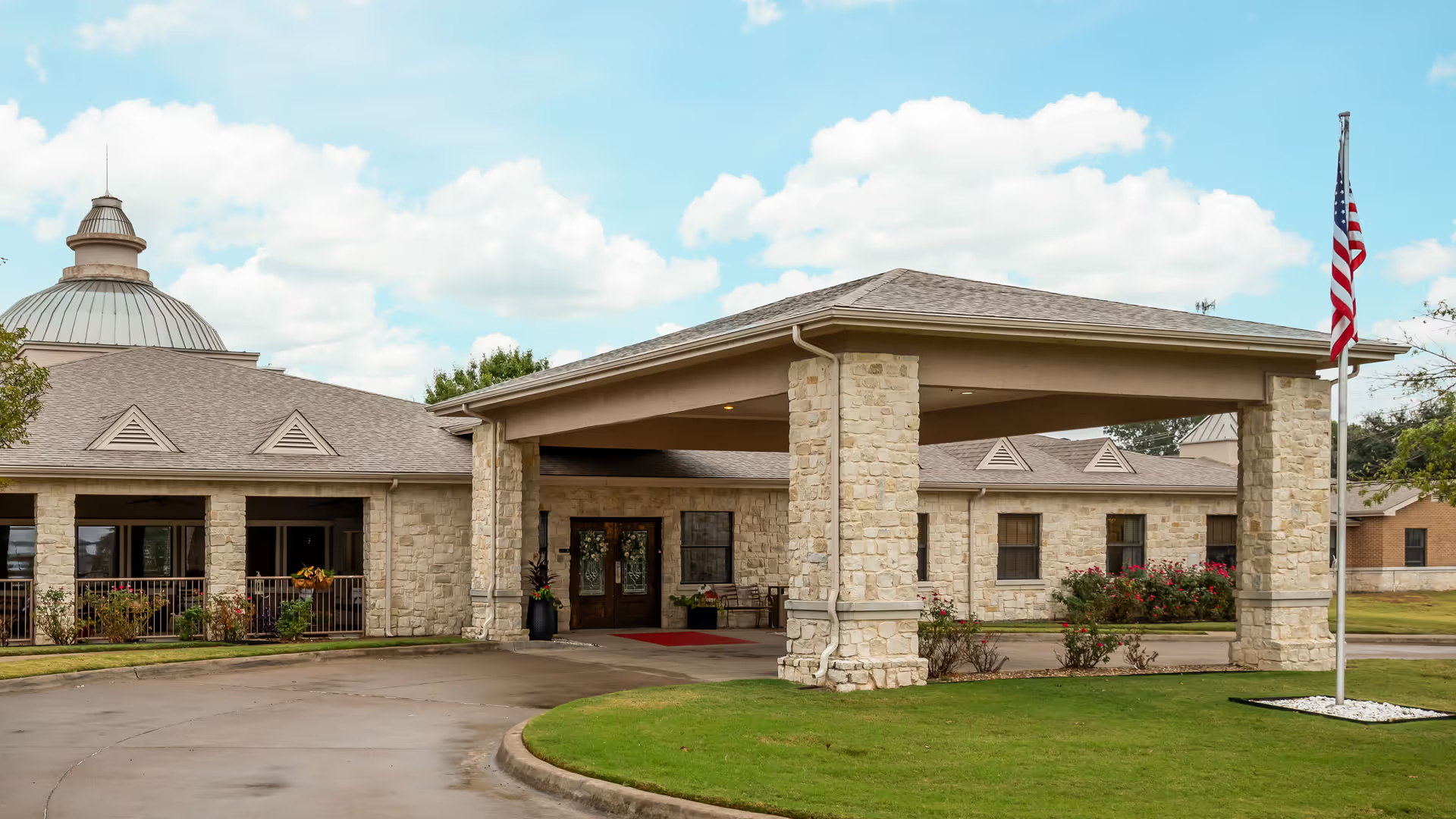
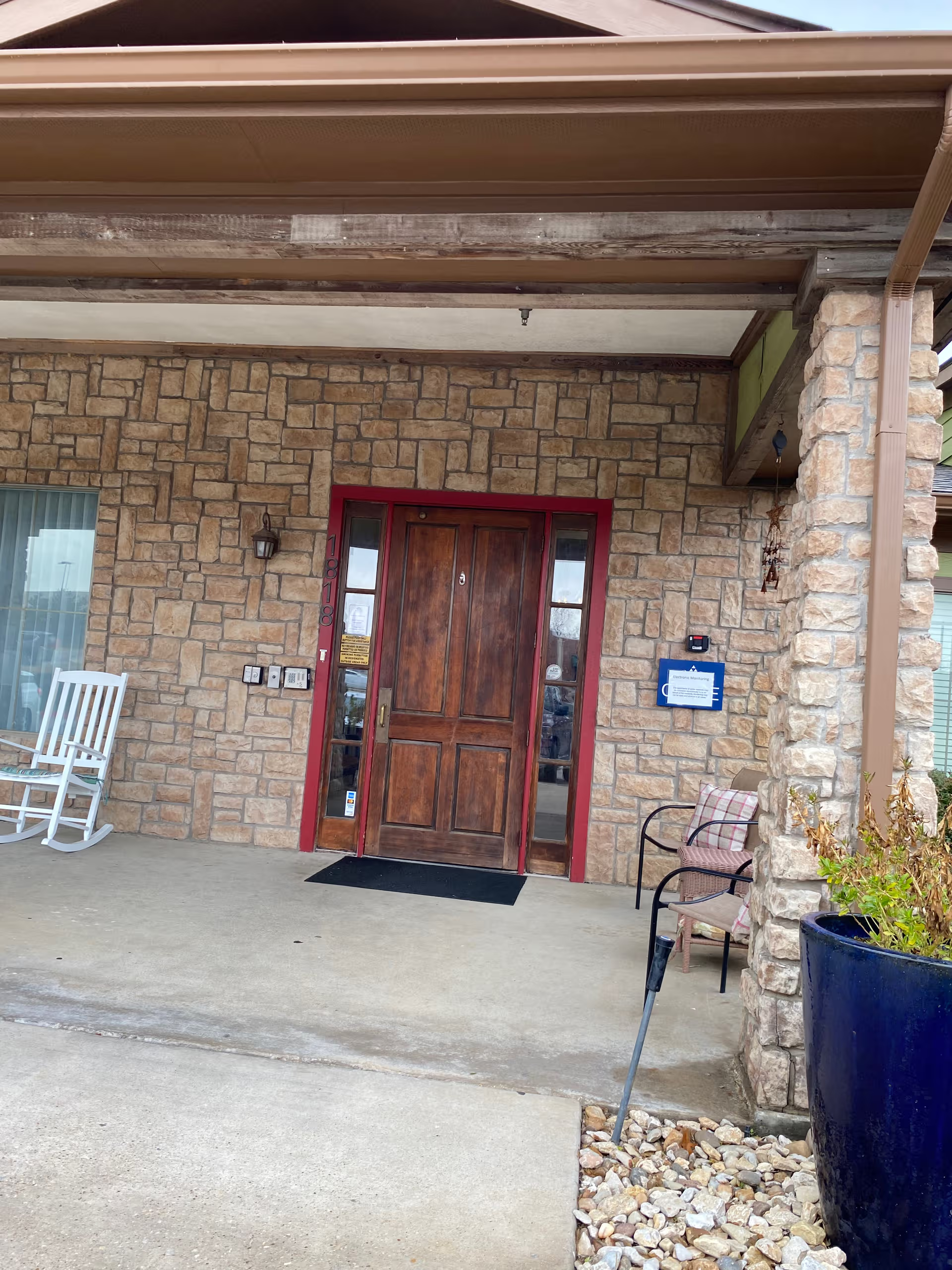
The reviews present a strongly polarized view of Granbury Rehab & Nursing. On the positive side, many families and residents describe compassionate, attentive caregivers and nursing staff, strong rehabilitation and therapy outcomes, and an active, engaging activities program that includes bingo, live music, and library resources. Several accounts highlight pleasant meals, accommodation of dietary preferences, a welcoming, home-like atmosphere, clean private spaces, and attractive outdoor grounds. The facility also benefits from a high CMS five-star rating and local demand that has produced a waiting list in some cases.
At the same time, a significant set of concerns emerges around operational consistency. Staffing levels are frequently described as insufficient for the census, which reviewers link to delays in care, limited supervision, and decreased responsiveness. Related clinical issues include inconsistent monitoring (for example, vital-sign checks and oxygen administration), lapses in medication management and medication continuity, and nutrition and hydration oversight that some families found inadequate. These clinical-process concerns are coupled with supply shortages for routine personal-care items, which reviewers felt affected day-to-day resident care.
Facility and environmental issues were mixed. Many reviewers praised clean rooms and attractive grounds, but others described sanitation and odor concerns in certain units or hallways, along with laundry and trash management problems. Infection-control practices, particularly in isolation or COVID-unit contexts, were noted as an area of concern by some families. Space constraints were also mentioned—rooms described as small with limited private-room availability can reduce privacy and comfort for residents who require it.
Management and communication present a divided picture: several reviews commend supportive and responsive administrative leadership and coordination with hospice and benefits services, while others criticize management decisions, perceived cost-cutting, and insufficient communication with families. A few reviewers also raised issues about the facility’s memory-care capabilities and external therapy-contract arrangements that they felt affected care quality.
Overall pattern: reviewers consistently point to strong, compassionate front-line staff and effective therapy for many residents, paired with recurring operational weaknesses—most prominently understaffing, variable clinical monitoring, and inconsistent environmental management. Prospective residents and families should weigh the facility’s positive clinical strengths and activity offerings against the potential for inconsistent day-to-day care and administrative variability. When considering placement, families may wish to ask the facility about current staffing ratios, clinical-monitoring protocols, infection-control procedures, memory-care staffing and programming, availability of private rooms, and contingency plans for supply or medication continuity.