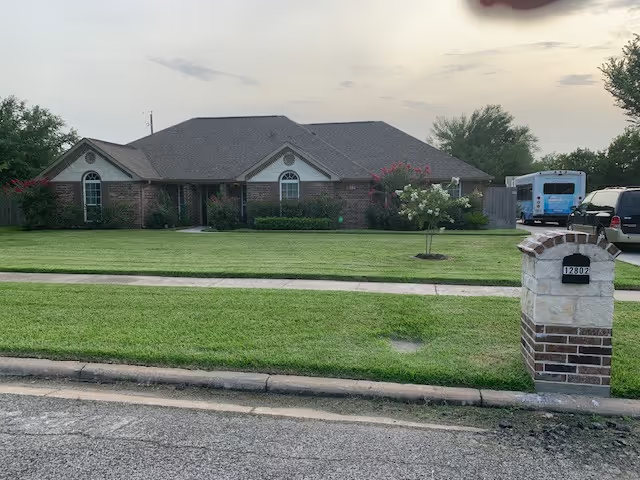
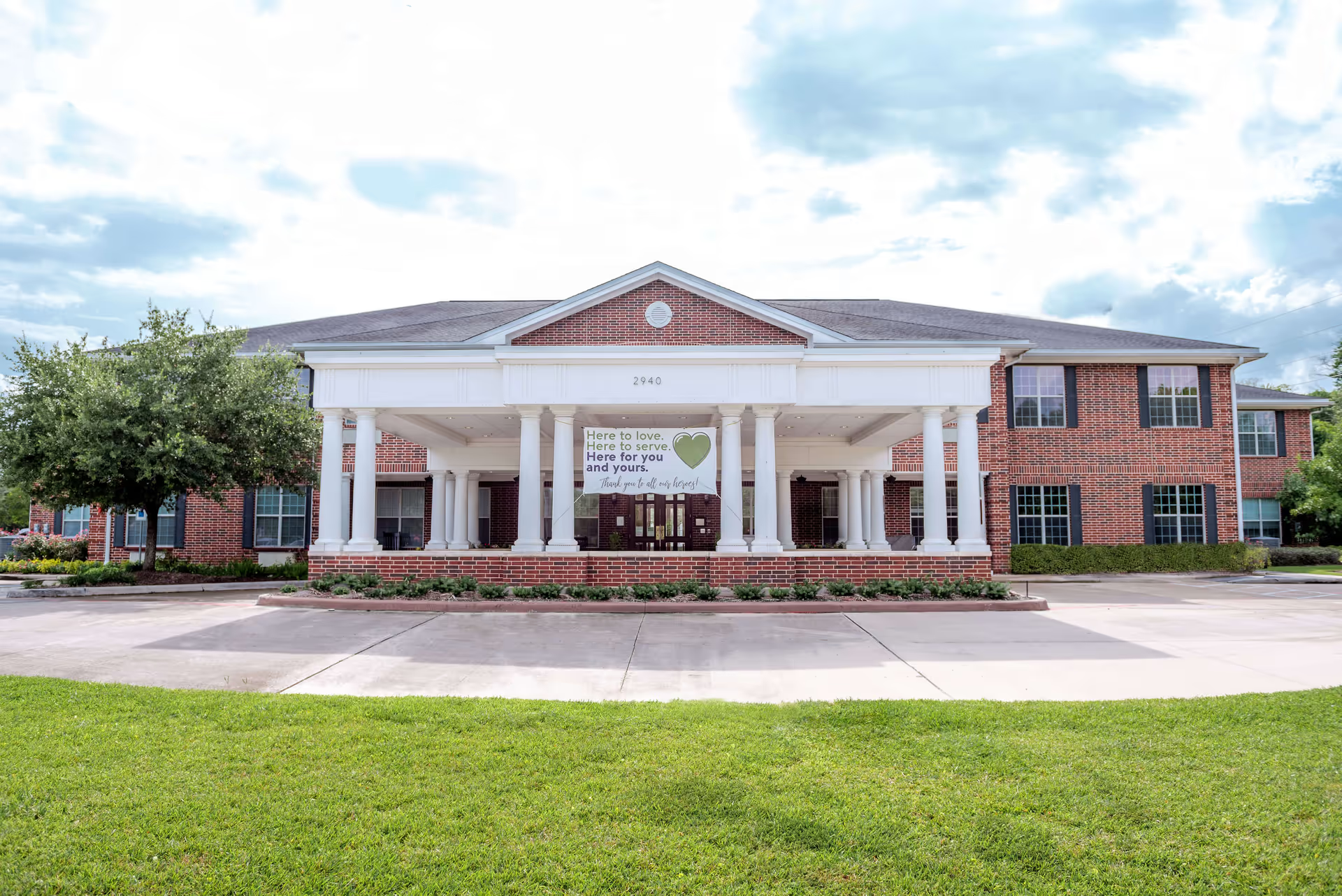
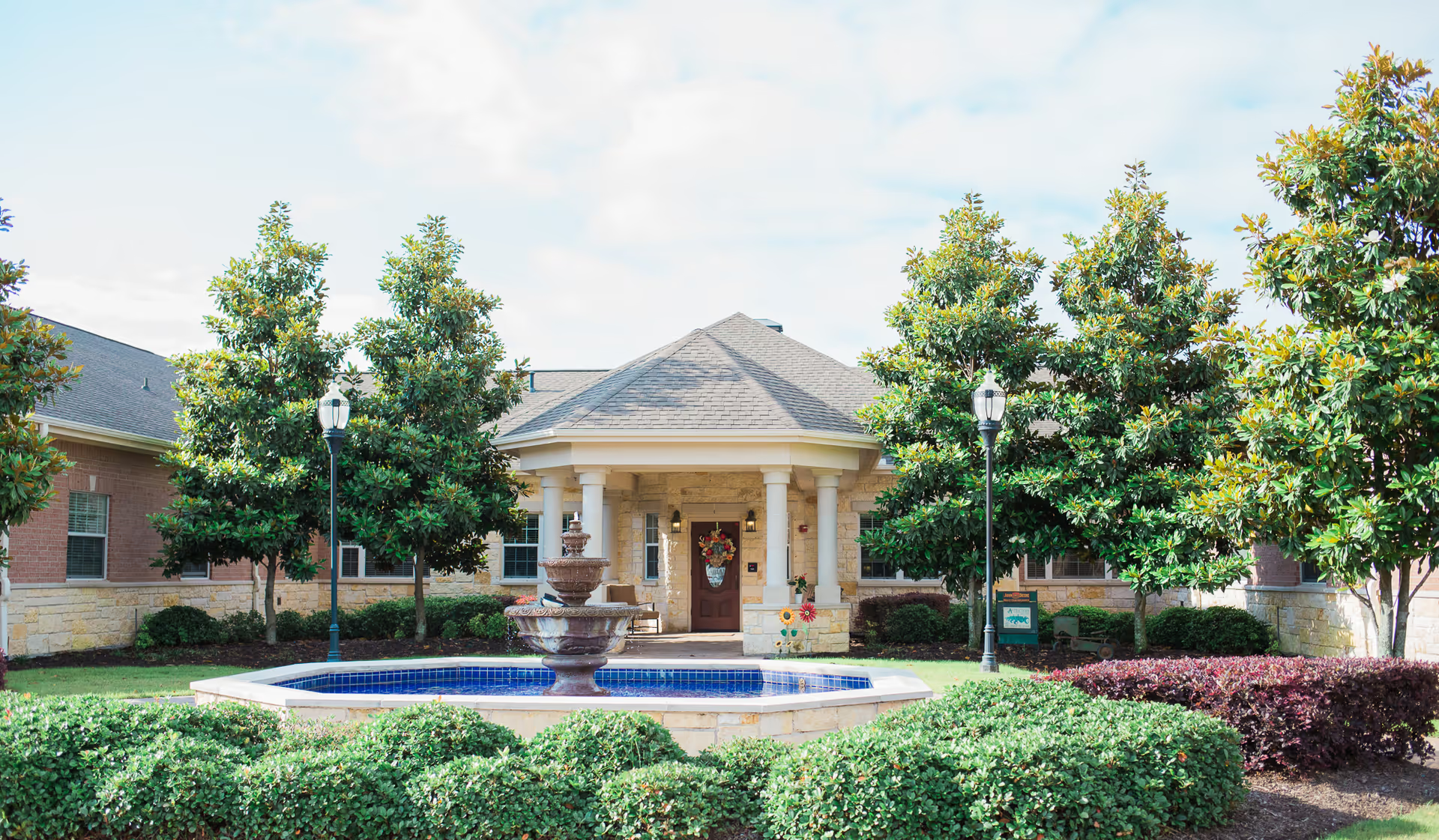
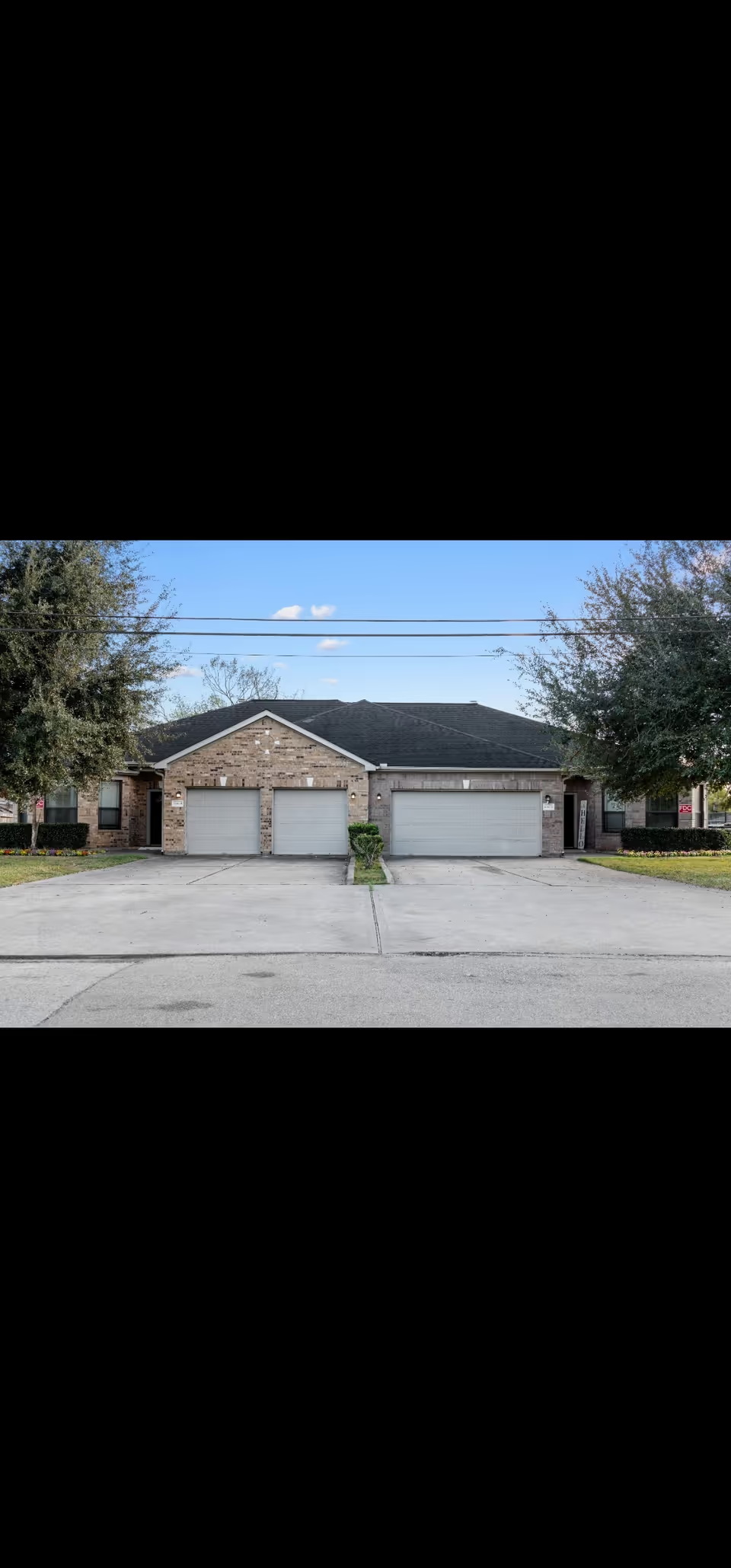
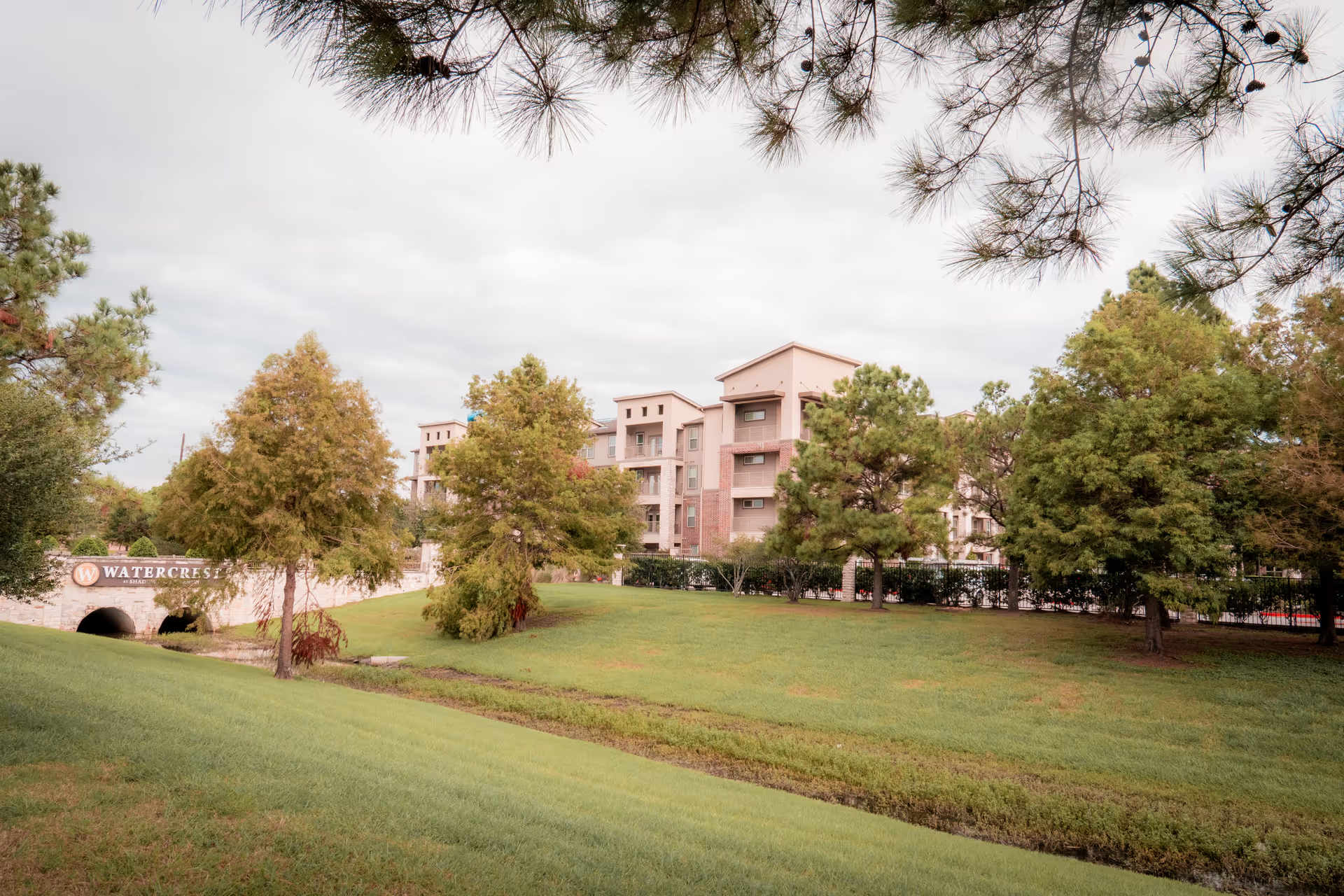
Overall impression: The facility is consistently described as clean, modern, and well maintained, with a clear veteran‑focused mission and campus amenities that families find reassuring. Many reviewers praised the physical plant — large private rooms, wide corridors, attractive exterior landscaping and outdoor spaces — and characterized the environment as peaceful and comfortable. Admissions and front‑desk processes are frequently noted as efficient and welcoming, contributing to a strong first impression for prospective residents and families.
Care and staff: The dominant pattern in the reviews is praise for staff professionalism, compassion, and responsiveness. Reviewers commonly cite attentive nurses and caregivers, proactive problem solving, and leadership involvement from admissions and administration. Therapy and rehabilitation services receive positive mention as a strong program area, and the facility’s approach to safety (24/7 call systems, visible staff presence) is viewed favorably. However, a minority of reviews raised operational concerns that affect care continuity: chronic understaffing, high turnover among frontline personnel, and uneven training — especially in dementia care and some ADL supports — were cited as recurring themes. A small number of reviewers alleged lapses in medication handling and missing personal items; these are serious concerns that contrast with the broader positive pattern and merit follow‑up during any family evaluation.
Dining and housekeeping: Dining impressions are mixed. Many families and visitors described good food quality, generous portions, and better meals than alternatives; others reported inconsistent meal preparation, leftover‑style service, or meals they considered unhealthy. Housekeeping is generally praised for cleanliness, but several comments note intermittent service issues such as slow laundry turnaround, occasional trash overflow, and isolated odor concerns in limited areas. These point to operational variability in service delivery rather than a universal sanitation failure.
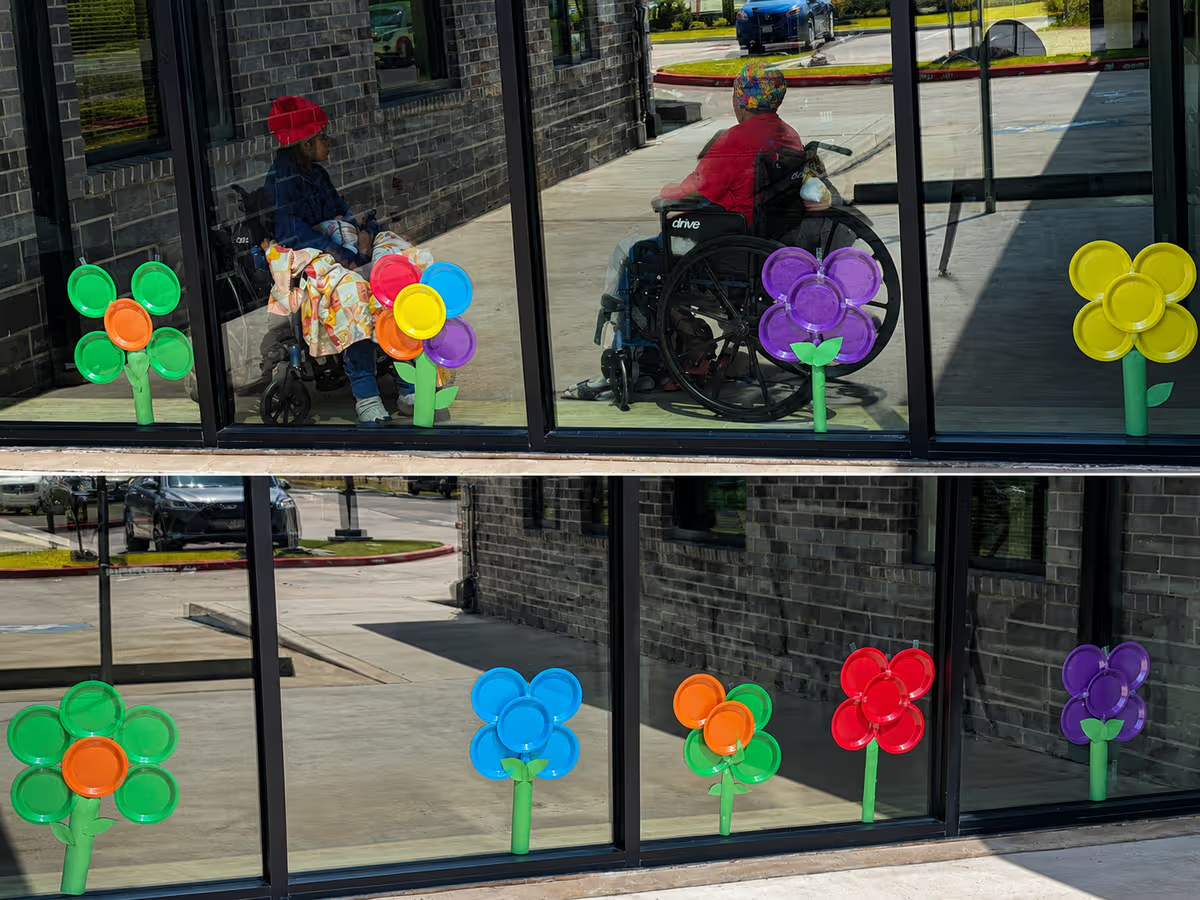
Activities and community life: The facility’s activity program is frequently highlighted as a strength. Reviewers mention abundant social programming, outings, live music and holiday events, and an environment that supports friendship building among veterans. Opportunities for outdoor time and chaplaincy/spiritual support were also appreciated. The communal, veteran‑centric culture appears to contribute substantially to residents’ quality of life.
Management and communication: Leadership and admissions staff are repeatedly commended for clear information, helpful tours, and responsive follow‑up. At the same time, some families described variable communication tone, occasional rudeness at intake or the front desk, and disagreements over visitor policies (for example, masking). Coordination with outside medical professionals was raised as an area for improvement in a few accounts. Overall, management involvement is perceived as strong, but operational consistency (staffing, training, service workflows) is where reviewers most often recommend focused attention.
Bottom line: The facility presents as a high‑quality, veteran‑oriented campus with strong clinical rehabilitation services, an attentive leadership team, and a clean, comfortable environment. Prospective residents and families should weigh those strengths against operational patterns flagged by several reviewers — notably staffing consistency, certain service‑delivery variabilities (meals, laundry, bathing support), and isolated but serious concerns about medication processes and personal‑property security. When considering placement, families may wish to ask management for current staffing ratios, dementia‑care staffing/training plans, meal‑service schedules and menus, medication‑management protocols, and documentation on how the facility addresses and prevents property and medication incidents.