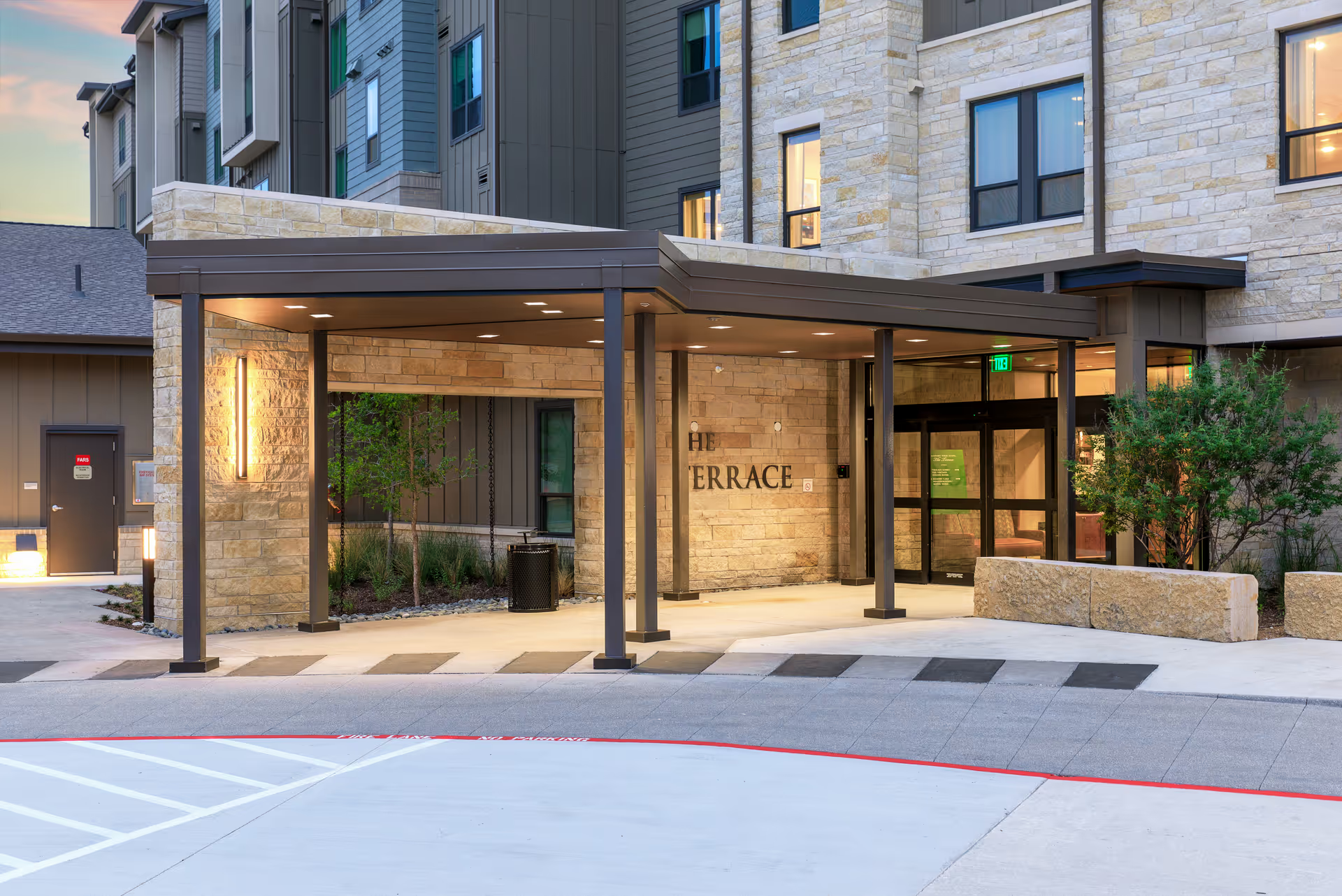
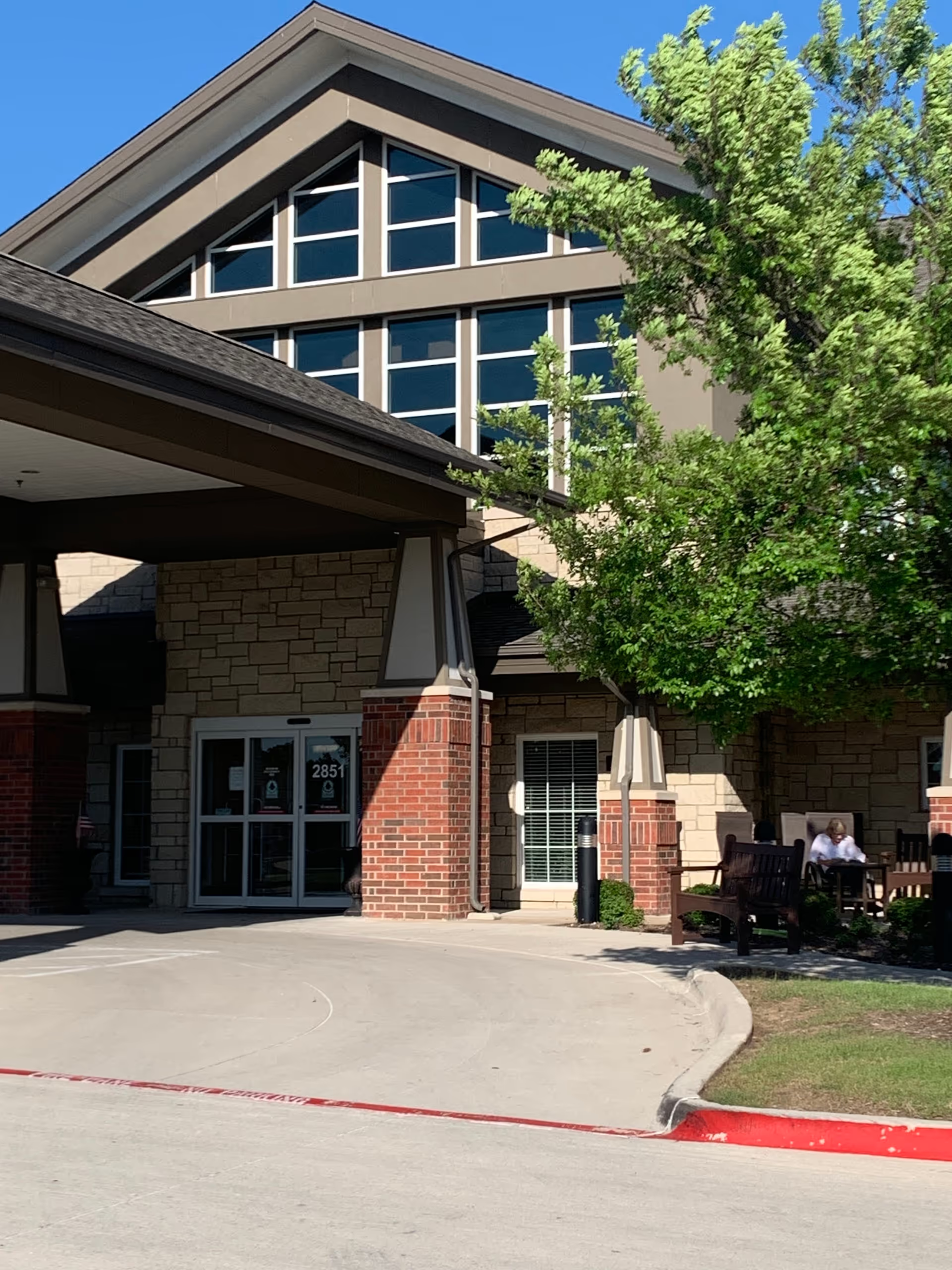
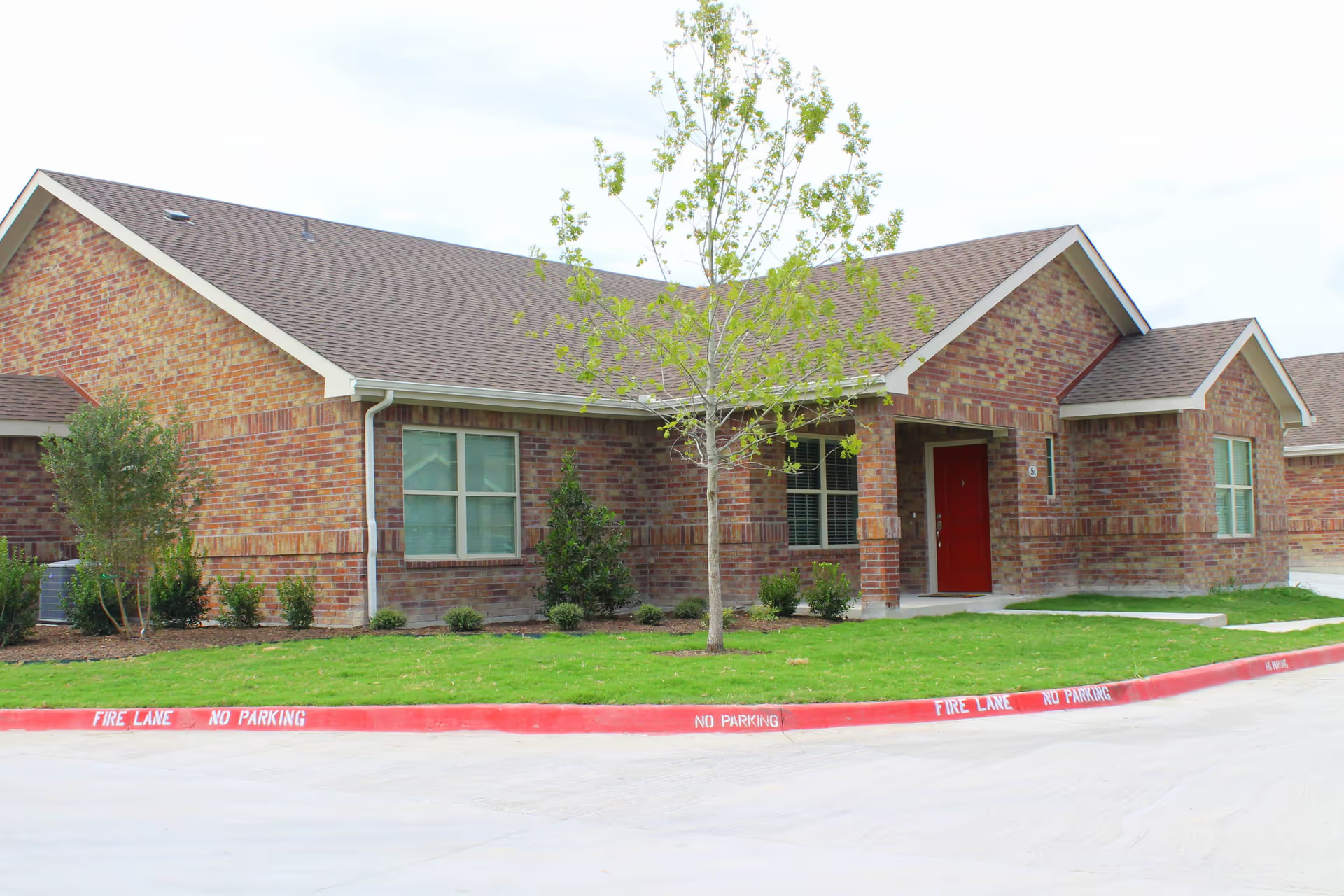
Reviews present a mixed but patternable picture of Belterra Health & Rehabilitation Center. Many accounts praise the facility’s rehabilitation program, noting skilled physical and occupational therapists who produce measurable short-term functional gains. Several families described coordinated discharge planning and positive therapy outcomes. Multiple reviewers also highlighted individual staff members—nurses, CNAs, and designated liaisons—who provided compassionate, professional care and clear explanations. The facility’s interior and maintenance work receive frequent positive mention: private rooms with showers, orderly common areas, and responsive maintenance services contributed to perceptions of a well-kept environment in numerous reviews.
At the same time, a number of operational weaknesses recur across reviews. Staffing consistency is a central concern: reviewers describe reduced coverage on nights and weekends, high staff turnover, and frequent personnel changes at the management/ownership level. Those conditions appear linked to delays in responding to nurse call buttons, long waits for assistance, and uneven bedside attention. Medication administration and scheduling also emerge as an area of risk—families reported delayed or missed medications and requested clarity about how the facility ensures reliable medication delivery.
Resident safety and security are also areas to probe. Multiple accounts identify gaps in safety protocols such as absence of bed alarms or rails, inconsistent supervision during transfers, and concerns about front-entry monitoring. There are reports of isolated serious incidents that suggest processes for secure exits and incident escalation should be confirmed. Sanitation and hygiene practices are described inconsistently across reviews: while many visitors found the facility clean and well maintained, others documented sanitation concerns and equipment condition issues in specific units.
Dining and daily care show mixed experiences. Several reviewers criticized food quality and delivery practices (including meals left at the bedside), while others appreciated routine meals during the week. Activities programming receives positive feedback from many families, who found the schedule engaging and helpful for recovery. Communication likewise varies: some reviewers praised attentive liaisons and thorough care-team updates; others described slow communication, delays in transfer paperwork, and poor family updates.
For prospective residents and families: the facility demonstrates clear strengths in rehabilitation therapy, certain clinical staff, and the physical environment. However, variability in staffing, medication processes, safety protocols, and meal/hygiene practices suggests that an in-person tour and targeted questions are advisable. Recommended inquiry topics include weekend and night staffing levels, medication-administration safeguards, specific safety devices and transfer procedures, the therapy schedule (including weekend availability), housekeeping and laundry practices, and how management handles staff turnover and family communication. These targeted checks can help determine whether the facility’s strengths align with a given resident’s clinical and safety needs.