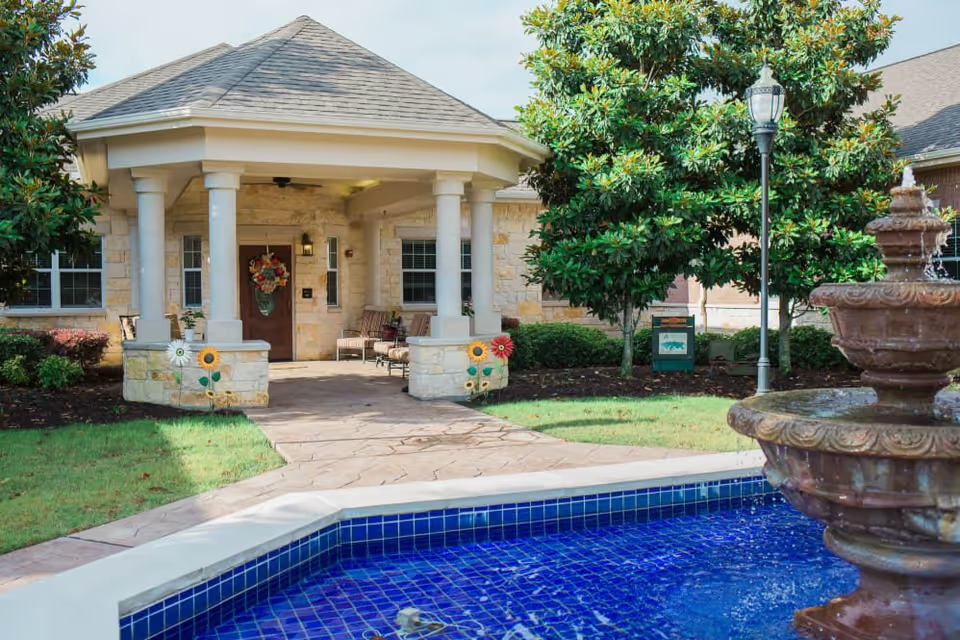
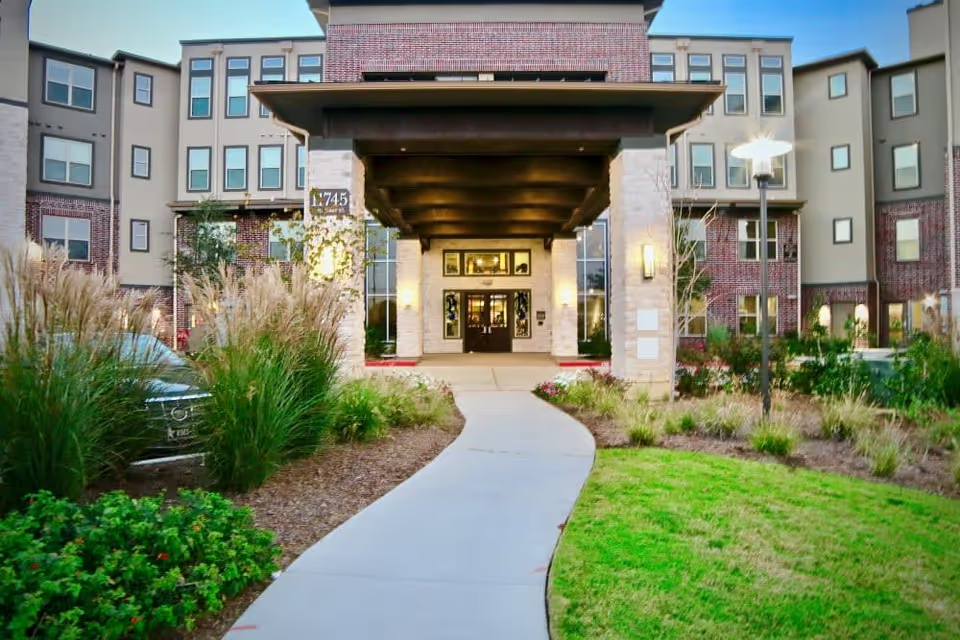
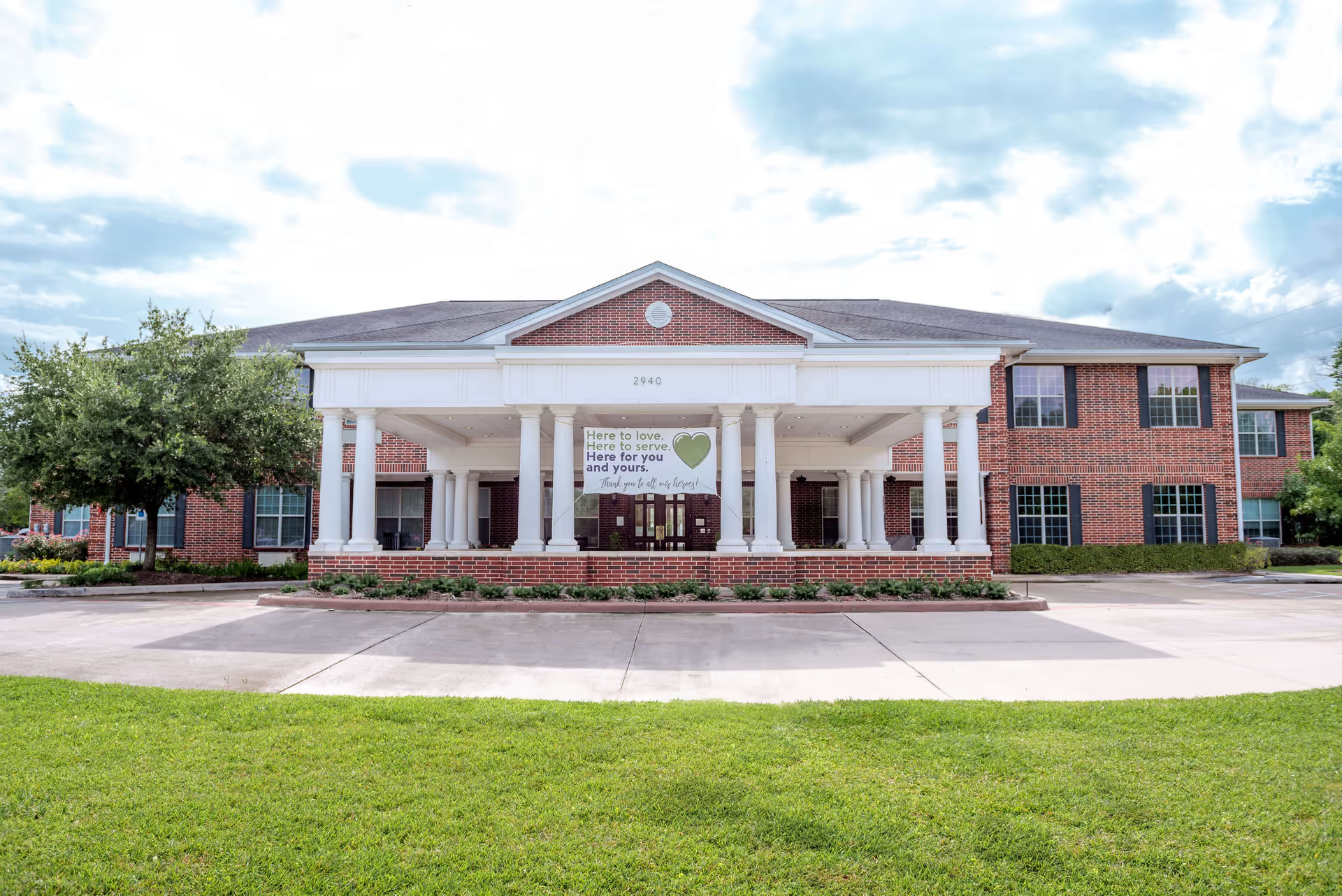
The Colonnades at Reflection Bay presents a clear contrast between a well-appointed physical plant and persistent operational challenges. Many reviewers praised the facility’s appearance, private apartment-style rooms, on-site amenities (library, exercise room, chapel, patio), and an attractive dining environment. The rehabilitation program and several individual therapists receive frequent positive mention for effective, outcome-oriented therapy. Housekeeping and select nursing staff also received praise for attentive care, and the location and transportation options were noted as convenient.
Care quality appears inconsistent across shifts and units. Positive accounts describe compassionate, professional nursing and engaged therapists; however, a substantial number of accounts describe chronic understaffing — especially during nights and weekends — and uneven competency among nursing assistants and nurses. Operational consequences reported include delayed responses to alarms and call bells, missed or late medications, lapses in clinical assessment and monitoring (including wound care and post-fall evaluation), and incomplete follow-through on ordered equipment or outpatient referrals. There are also descriptions of serious outcomes (hospital transfers and at least one reported resident death) that reviewers characterized as followed by poor communication and coordination; a regulatory review identified deficiencies in certain cases.
Dining and activities show mixed performance. The facility’s dining spaces and chef-prepared offerings are cited positively in many accounts, and organized activities, music programs, and outdoor access were appreciated. At the same time, reviewers noted variability in meal quality, temperature, and consistency of food service; some families reported having to supplement meals. Therapy services are a relative strength, with multiple mentions of successful rehab outcomes and competent therapy staff.
Facilities and environmental concerns are similarly mixed. The building, decor, and resident rooms are frequently described as attractive and well-maintained. Counterbalancing that, reviewers raised sanitation and odor-control inconsistencies, unit-level cleanliness problems, and pest-control concerns. Incontinence-care practices and bathing schedules were described as inconsistent in several accounts, contributing to family concern about hygiene and resident comfort.
Management, communication, and administrative processes are recurring themes. Positive accounts reference accessible, responsive leadership and helpful front-desk staff; conversely, many reviewers reported high administrative turnover, unclear billing and unexplained charges, and inadequate family communication around clinical changes, discharges, and hospital transfers. Discharge education and outpatient follow-up were described as insufficient in a number of cases, and there are repeated notes about delays in physician responsiveness and language/coordination barriers with off-site clinicians.
Overall pattern: the facility appears capable of providing a good environment and strong rehabilitation when staffing, leadership, and communication are functioning well. However, the aggregate feedback indicates systemic operational weaknesses—notably staffing reliability, medication and clinical follow-through, sanitation consistency, and family communication—that materially affect care quality for some residents. Prospective families should weigh the facility’s strong physical and therapy offerings against the documented variability in nursing care, safety processes, and administrative transparency; when possible, verify current staffing levels, ask for recent quality metrics or inspection results, and identify specific staff contacts for clinical communication before admission.