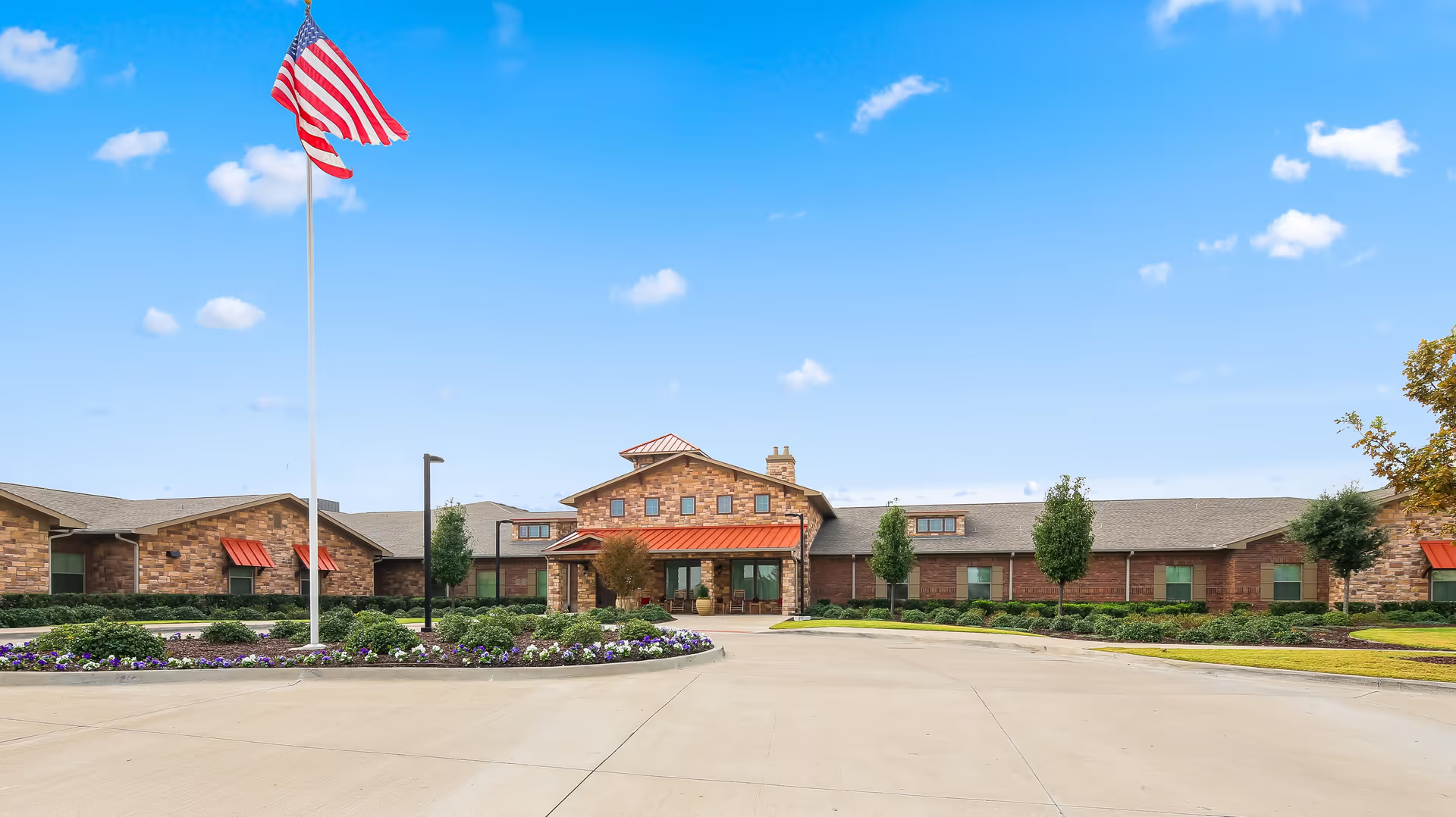
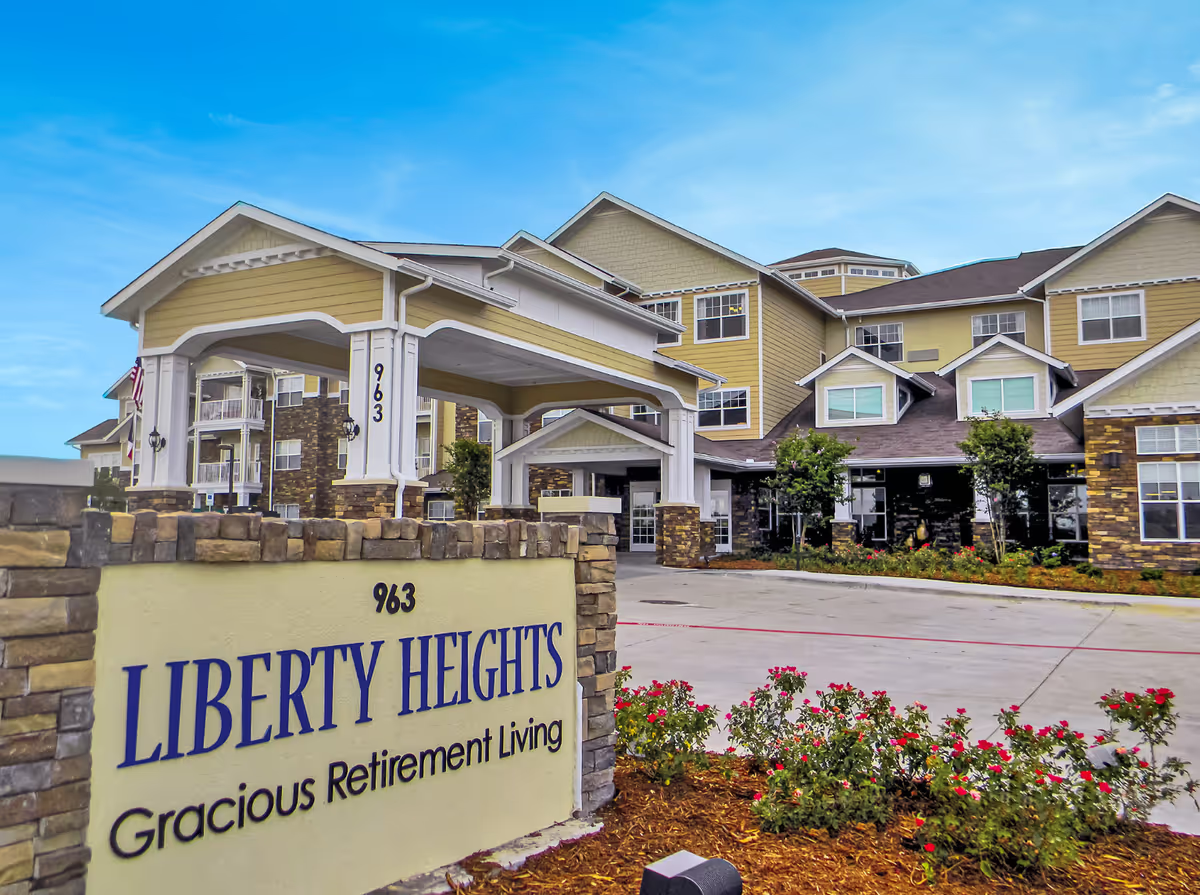
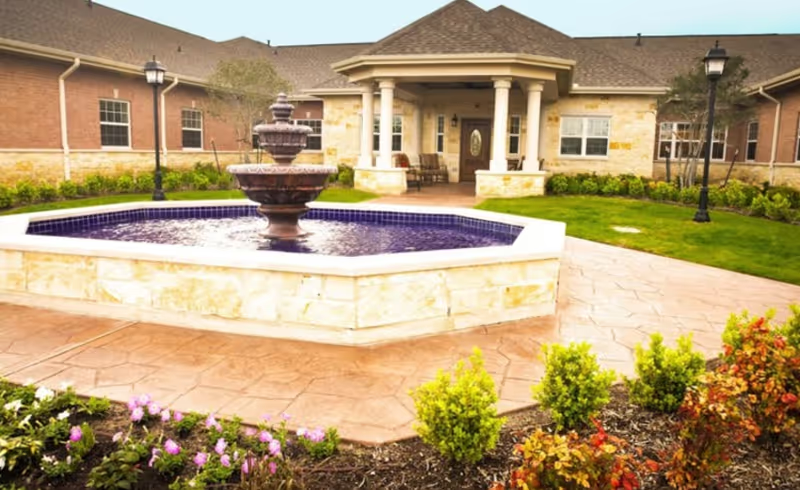
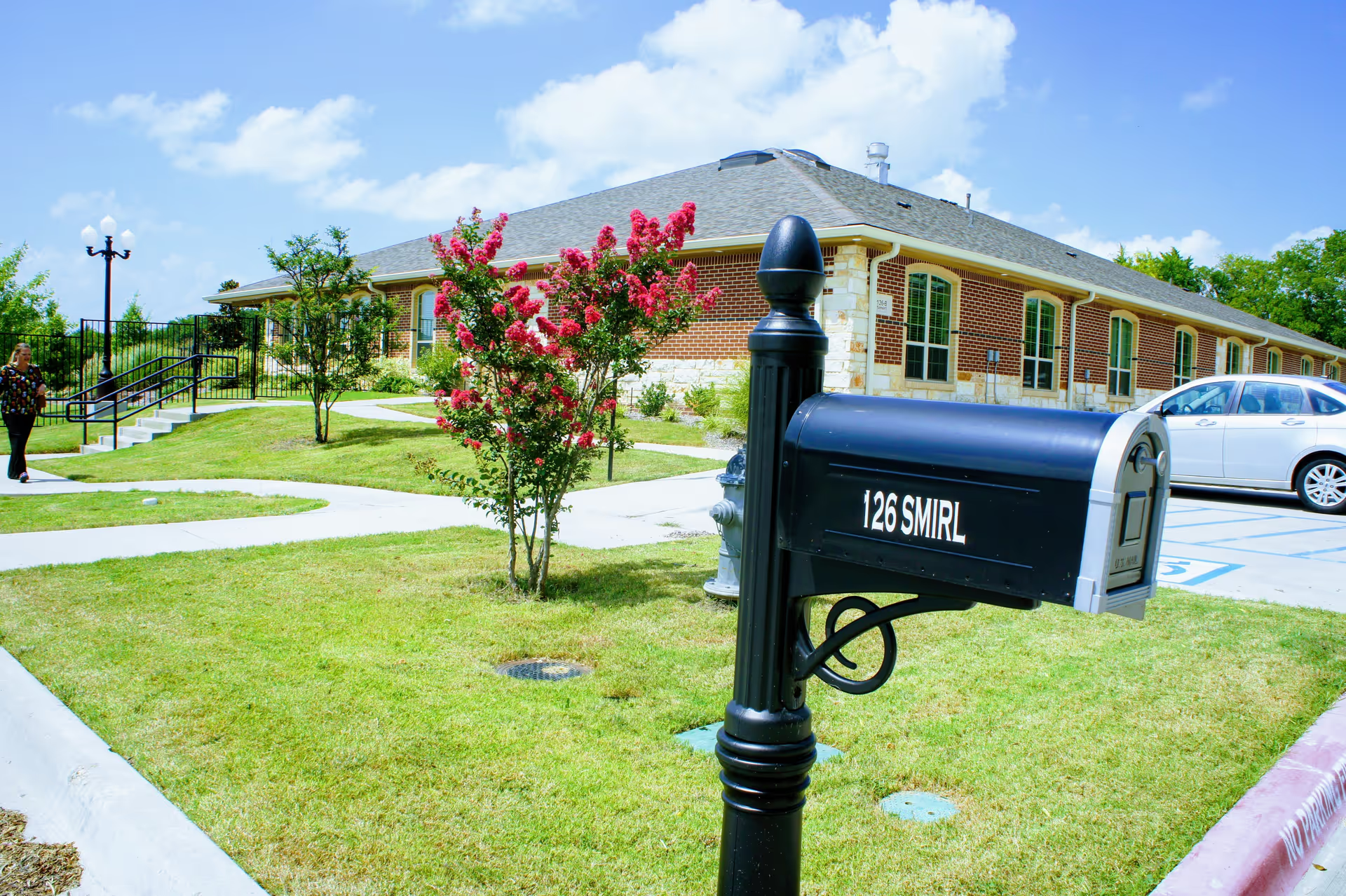
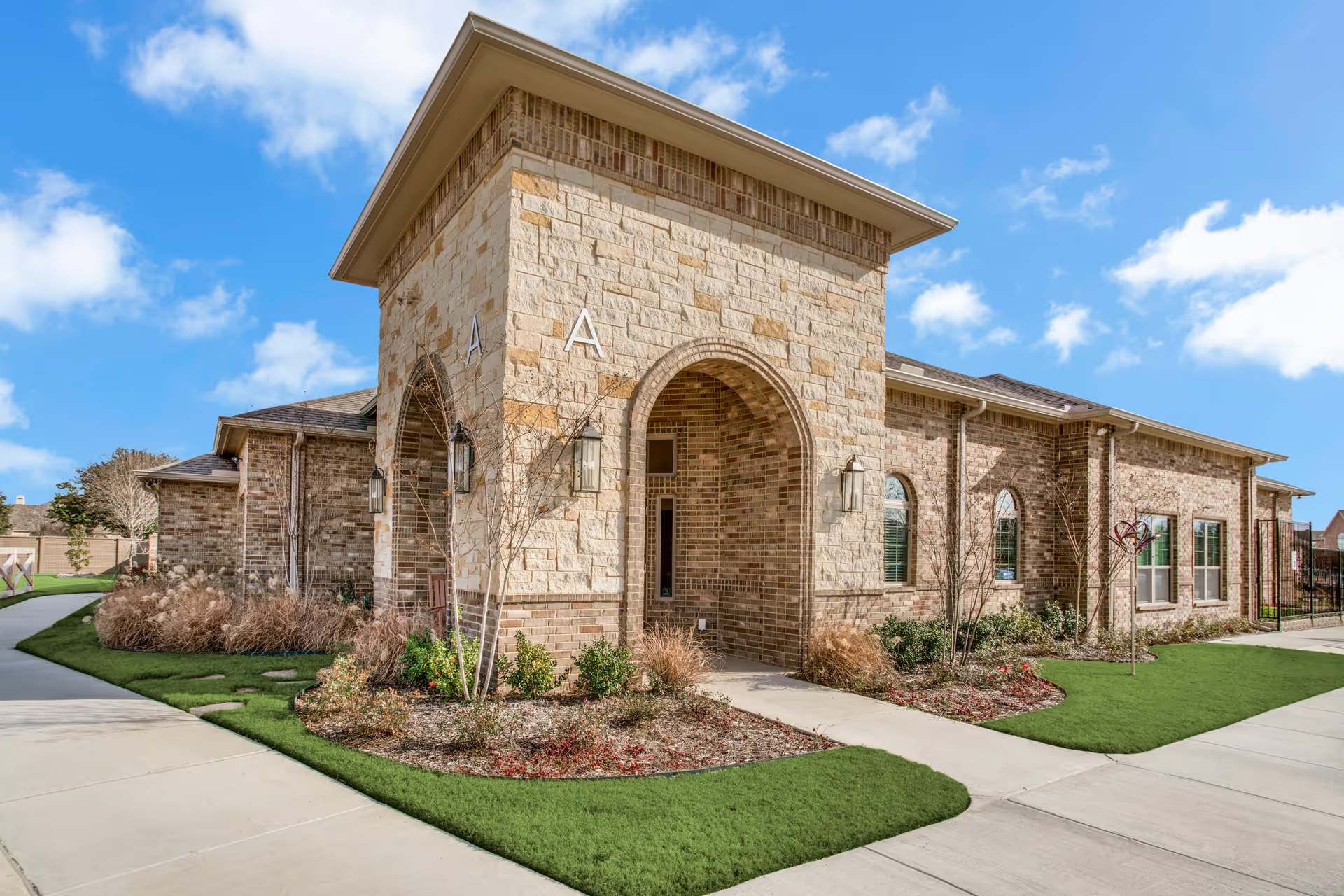
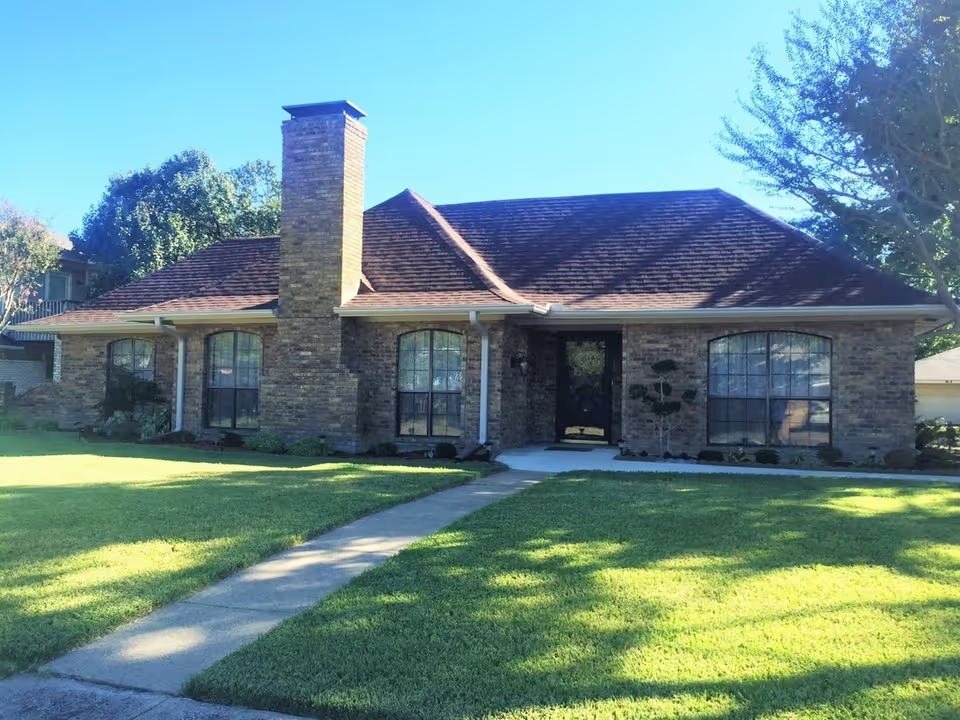
Highland Meadows Health & Rehab presents a mixed but generally positive profile. Many families and short-stay residents praise the facility's physical environment — bright, welcoming common areas, a landscaped courtyard, spacious rooms with pleasant views, and a neat interior — and note that infection-control measures for COVID-19 are robust. The facility's therapy program and on-site gym receive frequent commendation for contributing to strong rehabilitation outcomes; reviewers mention attentive therapy staff, daily physician rounds, and effective pain management as drivers of successful discharges.
Clinical care and frontline staff are commonly described as compassionate and capable. Nurses, personal-care assistants, and some physicians are characterized as attentive and gracious, and several accounts highlight successful rehabilitation leading to substantial recovery. At the same time, reviewer feedback reflects operational weaknesses that families should consider. There are repeated concerns about medication administration (missed doses), gaps in clinical supply management (for example, shortages of catheter-related supplies), and sanitation concerns involving medical equipment. These issues, while not universally reported, suggest potential lapses in clinical protocols or inventory controls that carry direct implications for patient safety and continuity of care.
Staffing and communication are salient patterns in the reviews. While many staff members are praised, reviewers also note high turnover, periods of understaffing, and aides who at times do not respond promptly to resident requests. Language and communication barriers caused by heavy accents or inconsistent explanation of care were raised as impediments to clear family–staff interactions. Several reviewers described delays in nurse-response (including nurse-call delays) and variable follow-up from management after incidents; those patterns point to inconsistent responsiveness rather than uniformly poor intent.
Dining, activities, and amenities are strengths with qualifications. Meal quality is frequently described as good, hot, and generous; the facility offers a variety of menu items and celebratory spaces for family gatherings. However, limitations in substitutions and occasional inappropriate meal choices for residents with specific needs indicate a need for closer dietary coordination for higher-dependency residents. Activities and communal programming are available and well-equipped common areas support visits, though some residents did not participate extensively in activities.
In summary, Highland Meadows combines strong rehabilitation resources, a pleasant physical environment, and many caring staff members with operational inconsistencies that warrant verification during a tour and intake process. Prospective residents and families should confirm medication-administration safeguards, clinical supply and sterilization procedures, nurse-response expectations, language compatibility, and dietary accommodations. Those priorities will help determine whether the facility's robust therapy and amenity offerings align with an individual resident's clinical and communication needs.