Reviews for St. Anthony's Care Center present a mixed picture: many families praise the facility's frontline caregivers, therapy teams, activities department, and physical environment, while others raise operational concerns that bear on resident safety and family confidence.
Care quality and clinical responsiveness: Numerous reviewers describe warm, attentive care from CNAs, nurses, and therapy staff, noting good rehabilitation outcomes for some residents and supportive dementia-care practices. At the same time, there are recurring accounts of delays in staff response—especially during night shifts—and concerns about how fall events and other acute situations are handled. These comments suggest variability in day-to-day clinical oversight and in the facility's ability to consistently enact emergency and transfer protocols.
Staff and culture: Many families characterize direct-care staff as compassionate, knowledgeable, and family-oriented. The activities and therapy teams receive particular praise for engagement and rehabilitation support. However, reviewers also describe inconsistent performance among nursing leadership and senior staff, including reports of a derisive tone from some senior employees and references to a toxic culture. These patterns point to uneven supervisory practices and variable staff accountability.
Dining and activities: The activities program is frequently cited as a strength—organized, meaningful, and beneficial to residents' well-being. Dining impressions are mixed: some reviewers note improved meals and increased alertness, while others report cold food and inconsistent meal service. Meal-service consistency and timing appear to be areas for operational improvement.
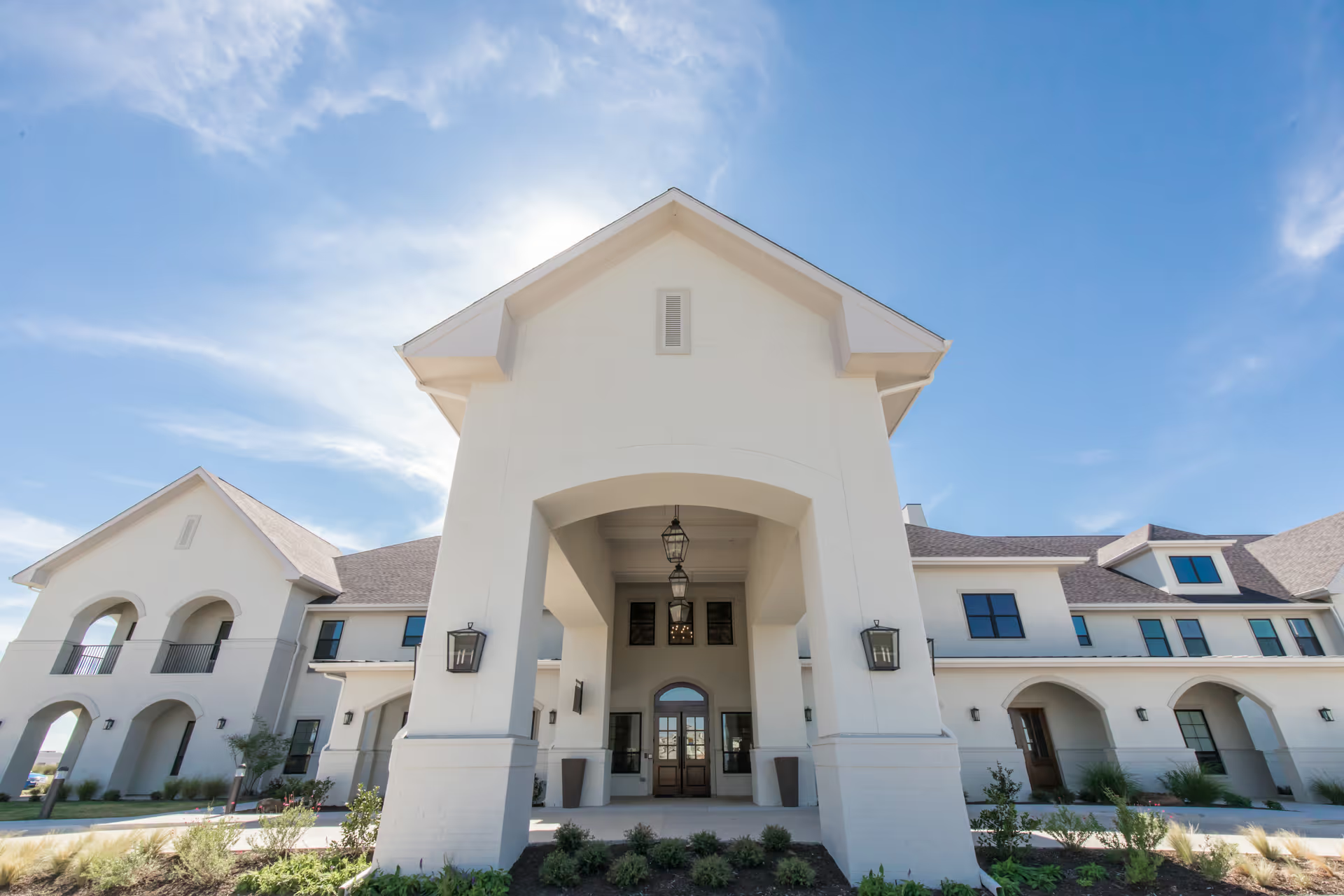
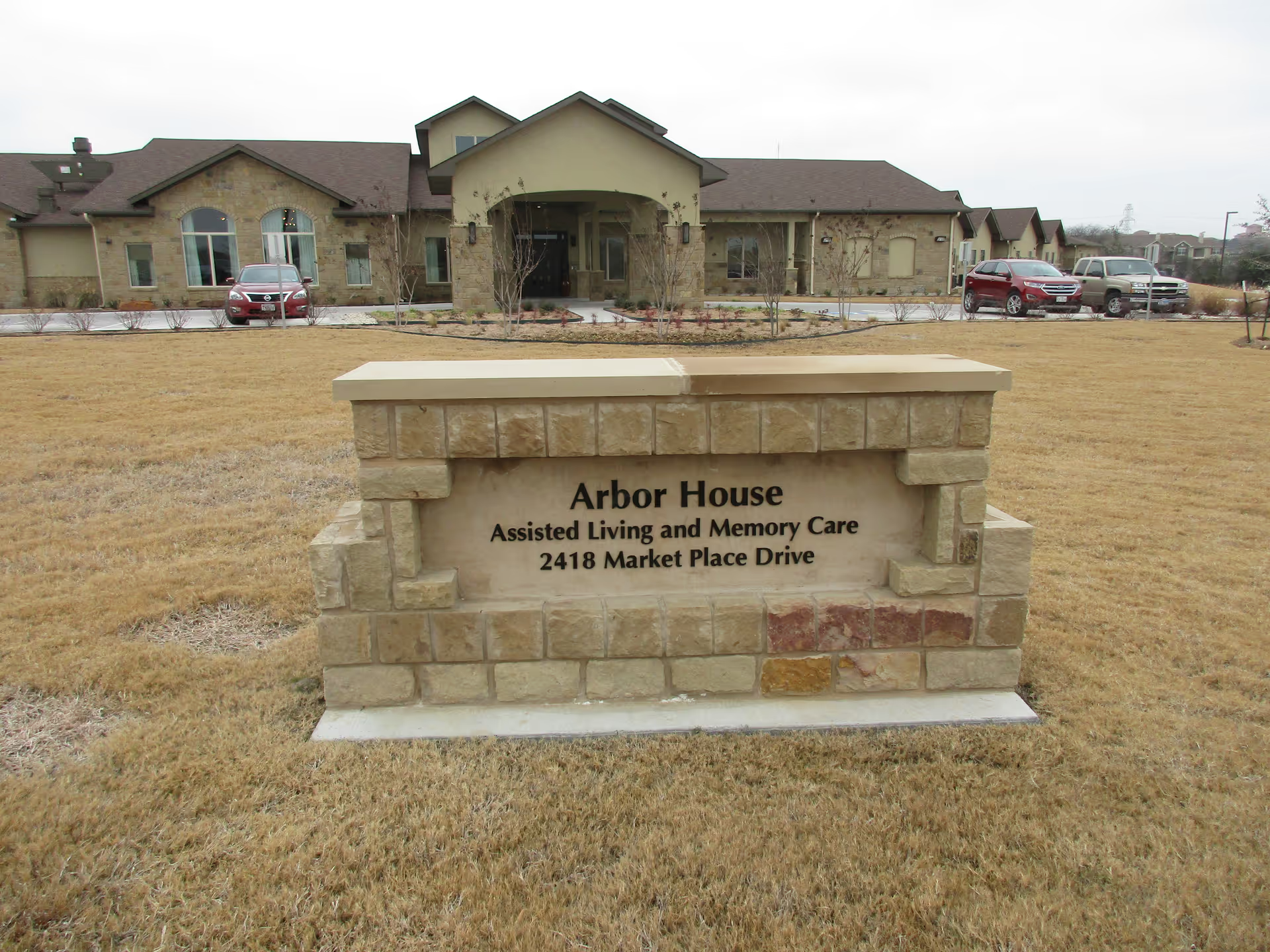
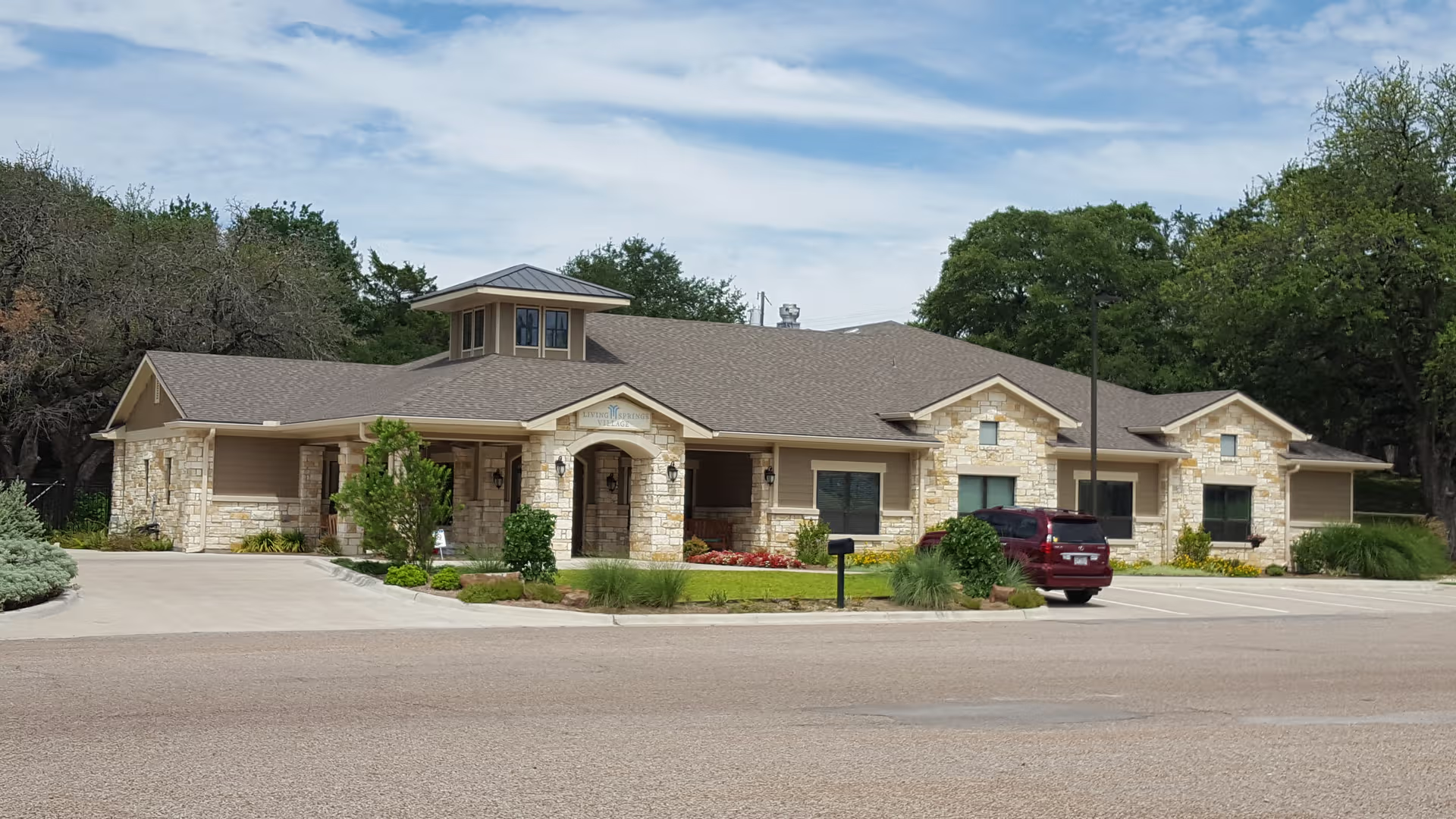
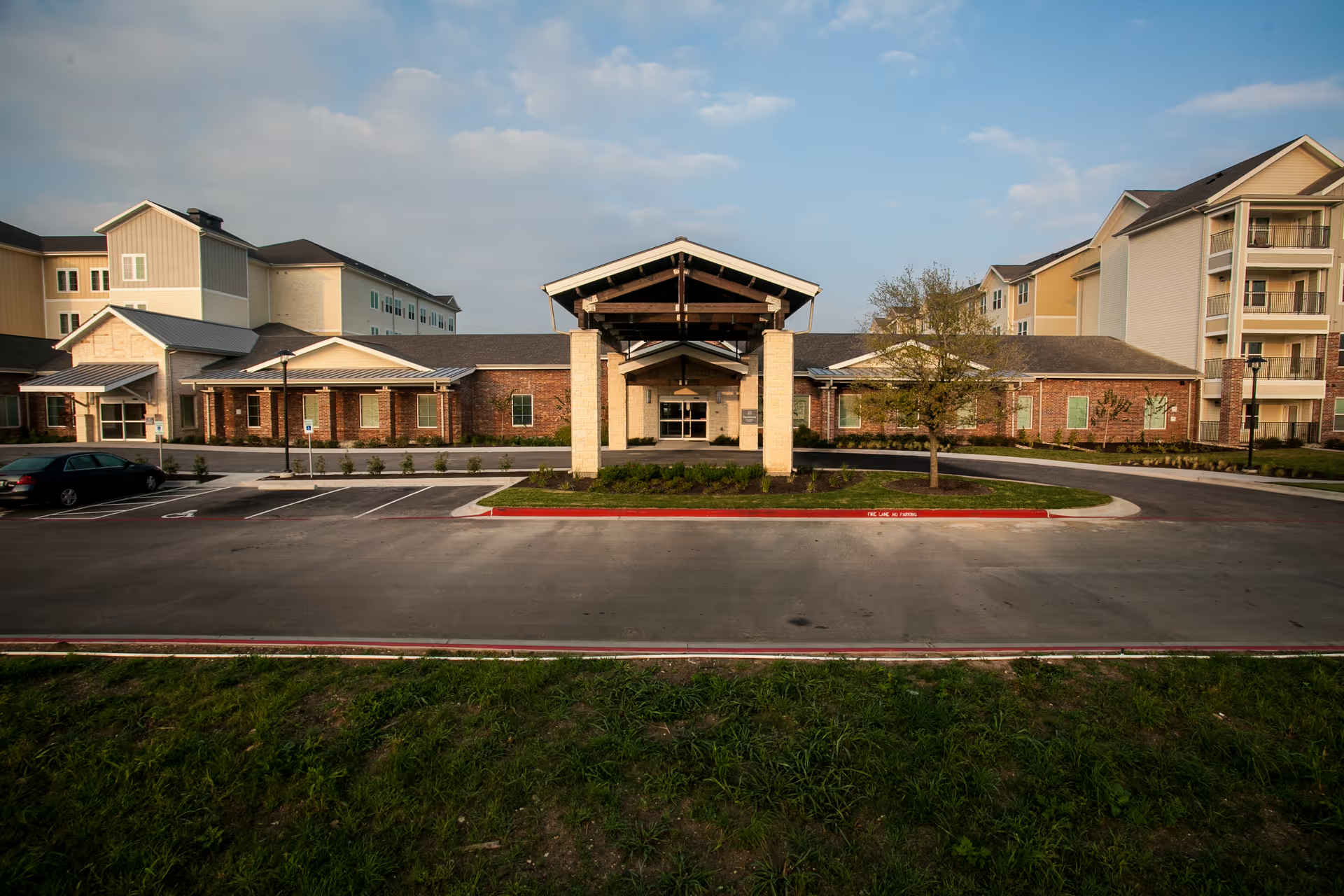
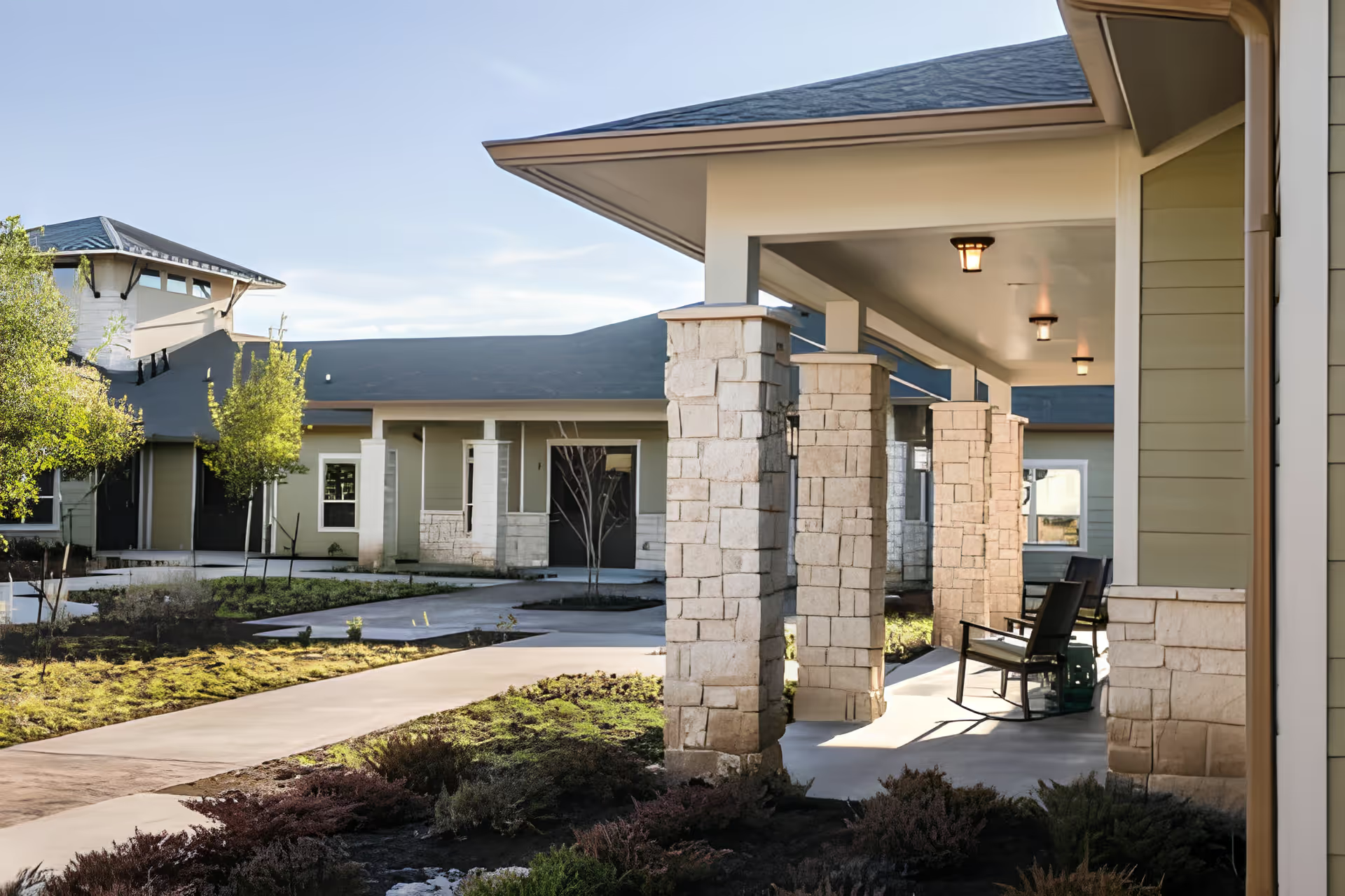
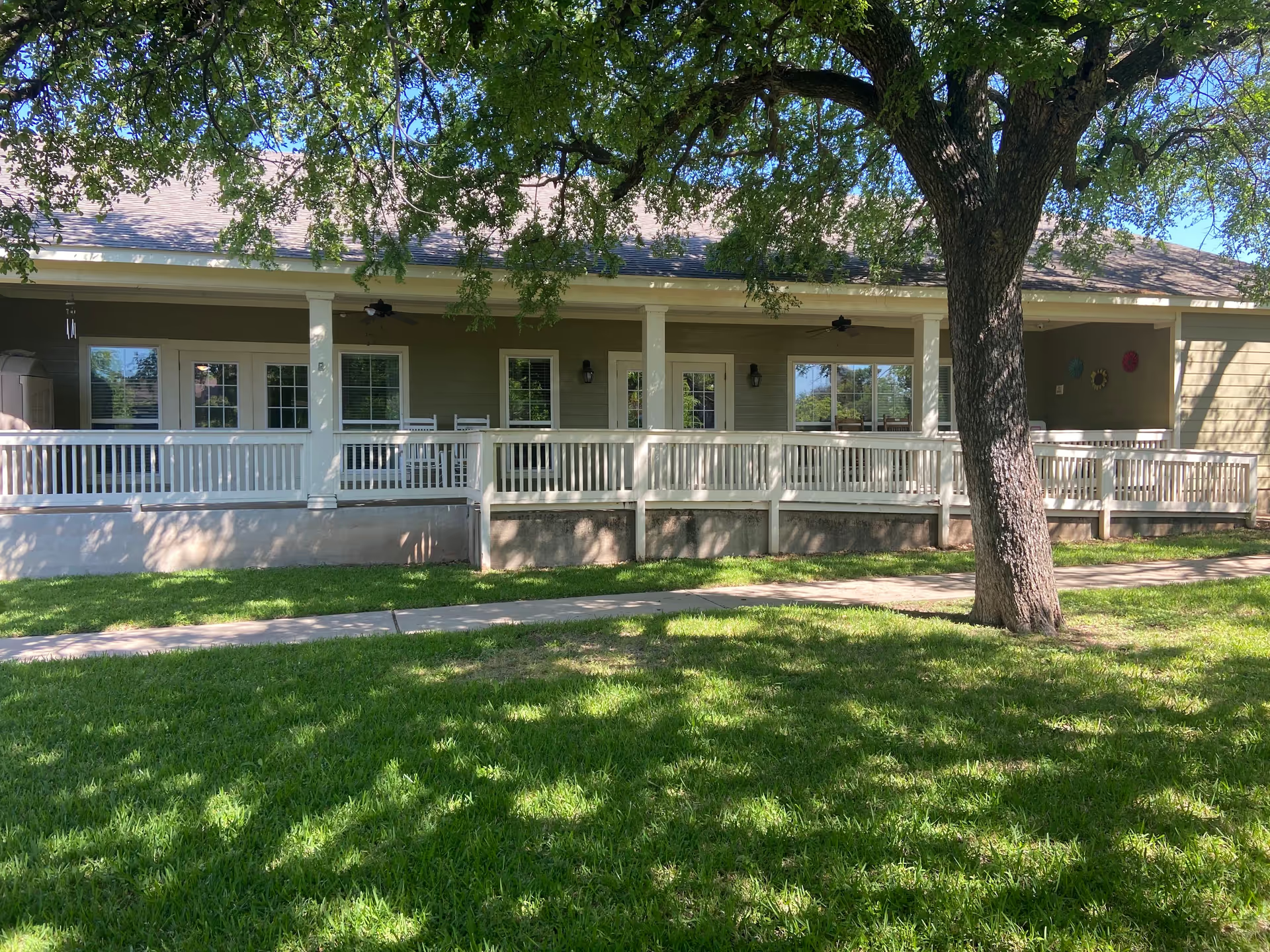
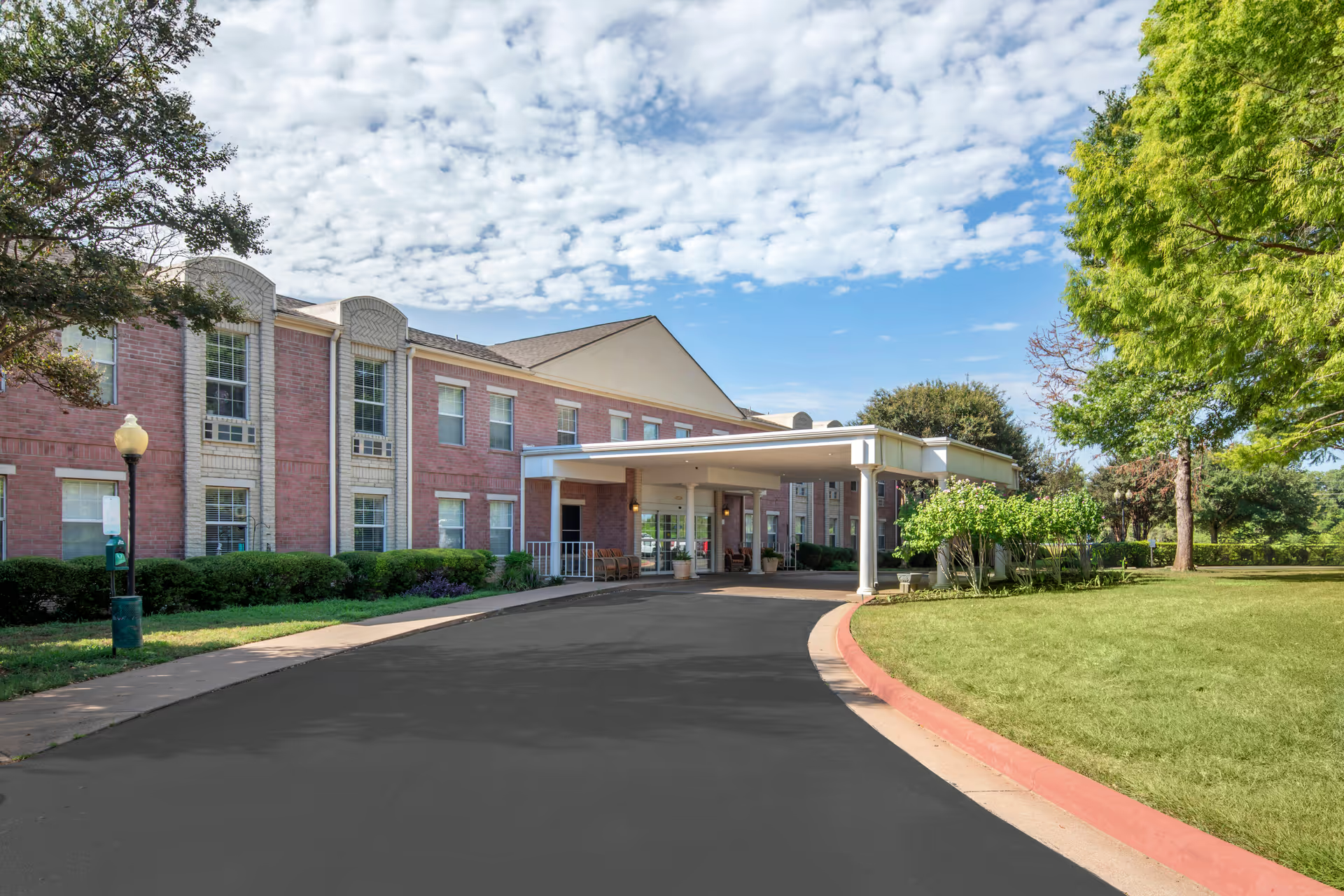
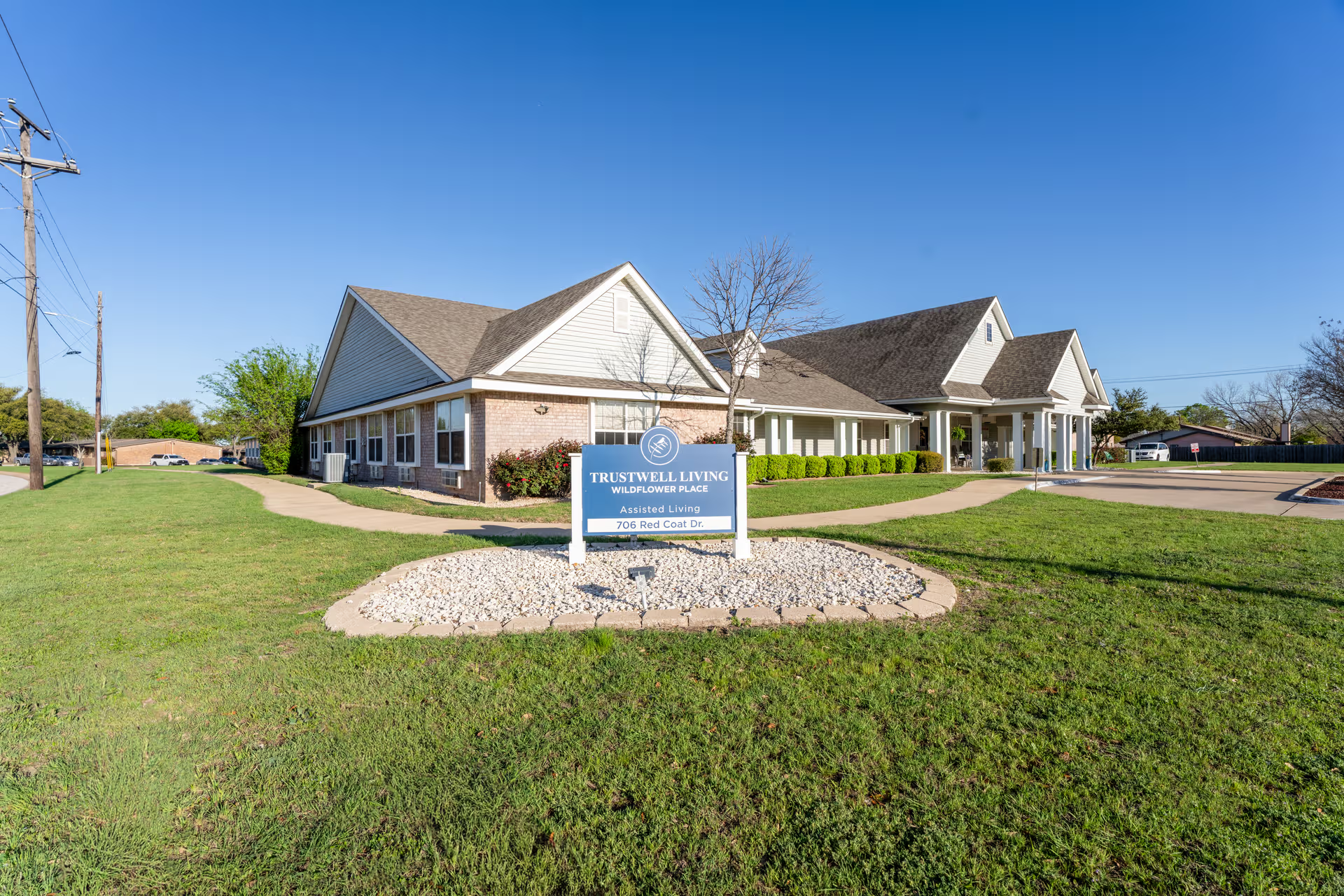
Facilities, sanitation, and security: The physical plant and private rooms are repeatedly described as attractive and comfortable, and several families cite well-maintained common areas. Against that, there are isolated sanitation and cleanliness concerns in certain rooms or units and at least one allegation of missing personal property; these raise questions about housekeeping consistency and personal-property controls.
Management and communication: A common theme involves family–facility communication and management responsiveness. Reviewers mention difficulty reaching administrators, inconsistent caregiver–family communication, and frustration with discharge timing and rehab planning. A named administrator was cited in reviews, reflecting specific family concerns. The facility's visitation policies (including strict no-visitor periods) also affected family experience and emotional stress for some residents and relatives.
Notable patterns and guidance: Overall, St. Anthony's shows clear strengths in compassionate direct care, therapy services, activities, and facility aesthetics. At the same time, patterns of inconsistent overnight staffing, gaps in emergency/transfer response, uneven nursing supervision, and variable housekeeping and meal delivery warrant attention. Prospective residents and families would benefit from targeted questions during a tour: ask about night-shift staffing levels and supervision, fall-response protocols and ambulance procedures, discharge and rehab-completion processes, staff turnover and training, sanitation audits, medication and clinical oversight, visitor-policy flexibility, and procedures for reporting and securing personal property. Observing mealtime and an activities session, and requesting recent staffing and inspection information, can help assess whether the facility's strengths are consistently applied to a particular resident's needs.