Overall impression: Reviewers describe a facility with strong rehabilitation capabilities and a generally compassionate frontline staff, alongside several operational inconsistencies that families should evaluate before admission.
Care quality and therapy: The facility is repeatedly praised for its physical and occupational therapy programs. Reviewers highlighted skilled therapists, structured daily exercise and walking-rehabilitation regimens, and a well-connected outpatient therapy team that supports ongoing recovery. Medication-review processes that involve pharmacy or physician coordination were noted as thorough. However, therapy scheduling reliability is inconsistent: there are reports of missed or unbacked therapy sessions that interrupted planned care, which suggests variability in staffing or coverage policies.
Nursing and clinical staff: Many accounts describe nursing and aide staff as friendly, caring, and communicative, with several families noting improvements in nursing care over a resident’s stay. At the same time, there are recurring operational concerns: inconsistent nursing performance and variable adherence to transfer and safety protocols. Falls and transfer difficulties were raised in multiple accounts, indicating potential opportunities to strengthen fall-prevention practices and staff training around safe transfers. There are also isolated descriptions of perceived dismissive or unhelpful physician communication, framed as concerns about tone and engagement rather than clinical competence.
Dining and activities: Dietary staff involvement is a consistent positive; reviewers appreciated that meals can be tailored to physician prescriptions and that kitchen staff were engaged with residents. Dining satisfaction was mixed—some found meals nourishing and well-presented, while others disliked the food quality. Activities tied to rehabilitation, such as structured exercise programs, receive positive mention and are a clear strength for restorative care.
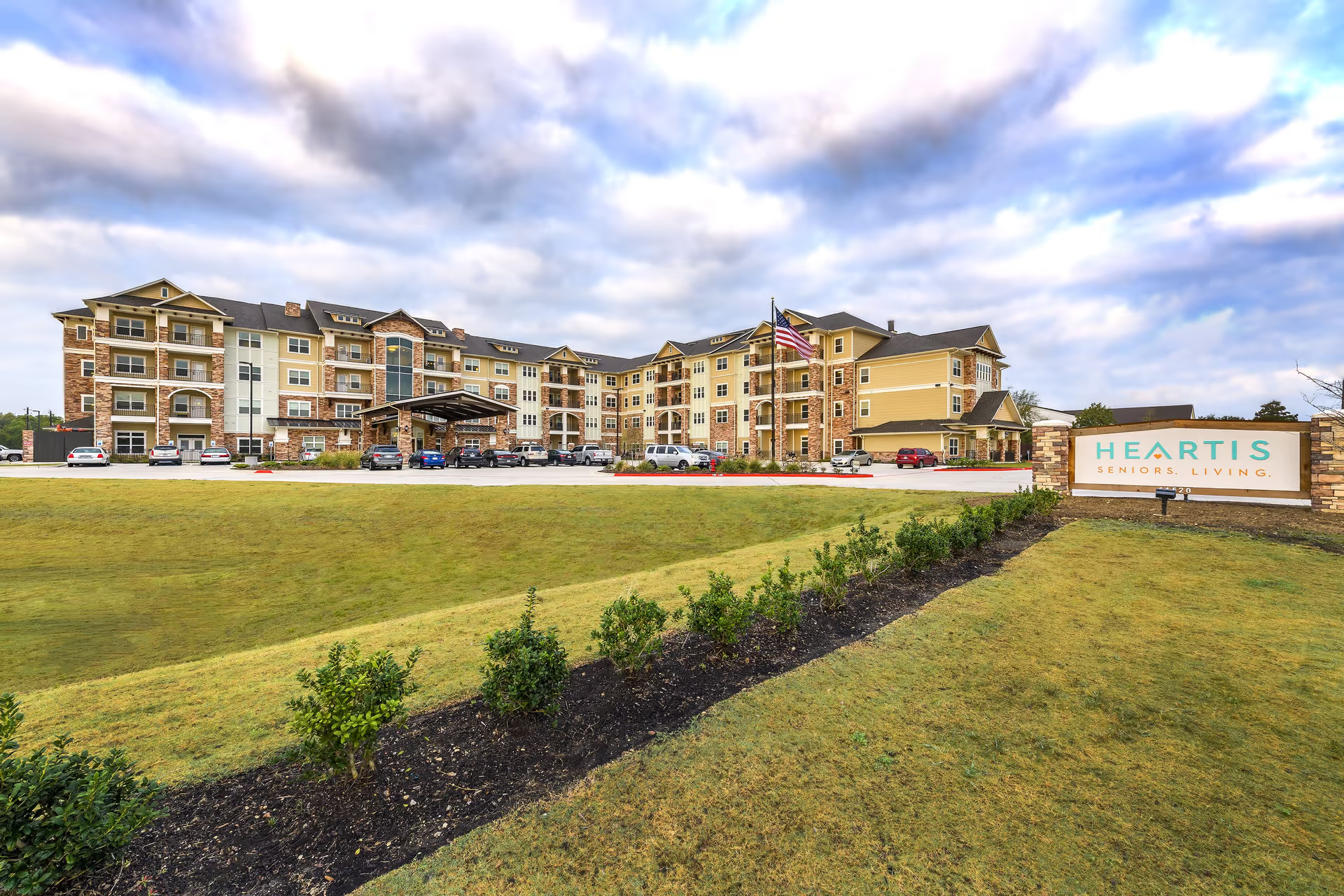
Facilities and environment: The facility’s rooms and general environment are described as modern, clean, and orderly. Practical issues have occurred, including an extended hot-water outage and sporadic maintenance interruptions, which affected resident comfort and daily routines during those events.
Management, communication, and administration: Communication and case-management functions show important variability. Several families reported inconsistent case management and social work coordination, including delays or omissions in paperwork, lack of timely notification about transfers, and disputes around discharge criteria. While some reviewers praised responsive phone communication and routine family updates, others described initial poor communication and lack of family inclusion in decisions. There are also concerns about billing practices and equipment-consent processes; isolated allegations of improper billing or pressure around equipment choices were reported and suggest families should verify financial and consent procedures up front.
Notable patterns and guidance for families: The strongest, most consistent positives are the quality of therapy services, engaged rehabilitation staff, and a generally compassionate day-to-day caregiving staff. The main operational weaknesses are inconsistent case management/social work, variability in nursing practices and transfer safety, and occasional reliability issues with therapy scheduling and facility maintenance. Prospective residents and families may want to ask about fall-prevention protocols, the specific case manager assignment and their responsibilities, contingency plans for therapy coverage, discharge-planning and documentation procedures, and billing/consent policies before admission to align expectations with the facility’s strengths and address potential gaps.