Overall, feedback is strongly positive about day-to-day care, with families and visitors frequently describing staff as kind, attentive, and respectful. Several accounts praise staff for learning residents’ preferences, keeping families informed, and helping residents feel comfortable and secure. Nursing, aide, social-work, and rehabilitation support receive particular recognition. One family, however, raised end-of-life care concerns, including perceived behavioral worsening after medication changes, questions about overnight monitoring, and the response to escalating behavior before hospital and geriatric psychiatric care. Another reviewer raised broader concerns about memory-care staffing and training. These accounts point to areas families may wish to ask about—especially clinical reassessment, behavioral-health protocols, and escalation procedures—rather than establishing that these issues are routine throughout the facility.
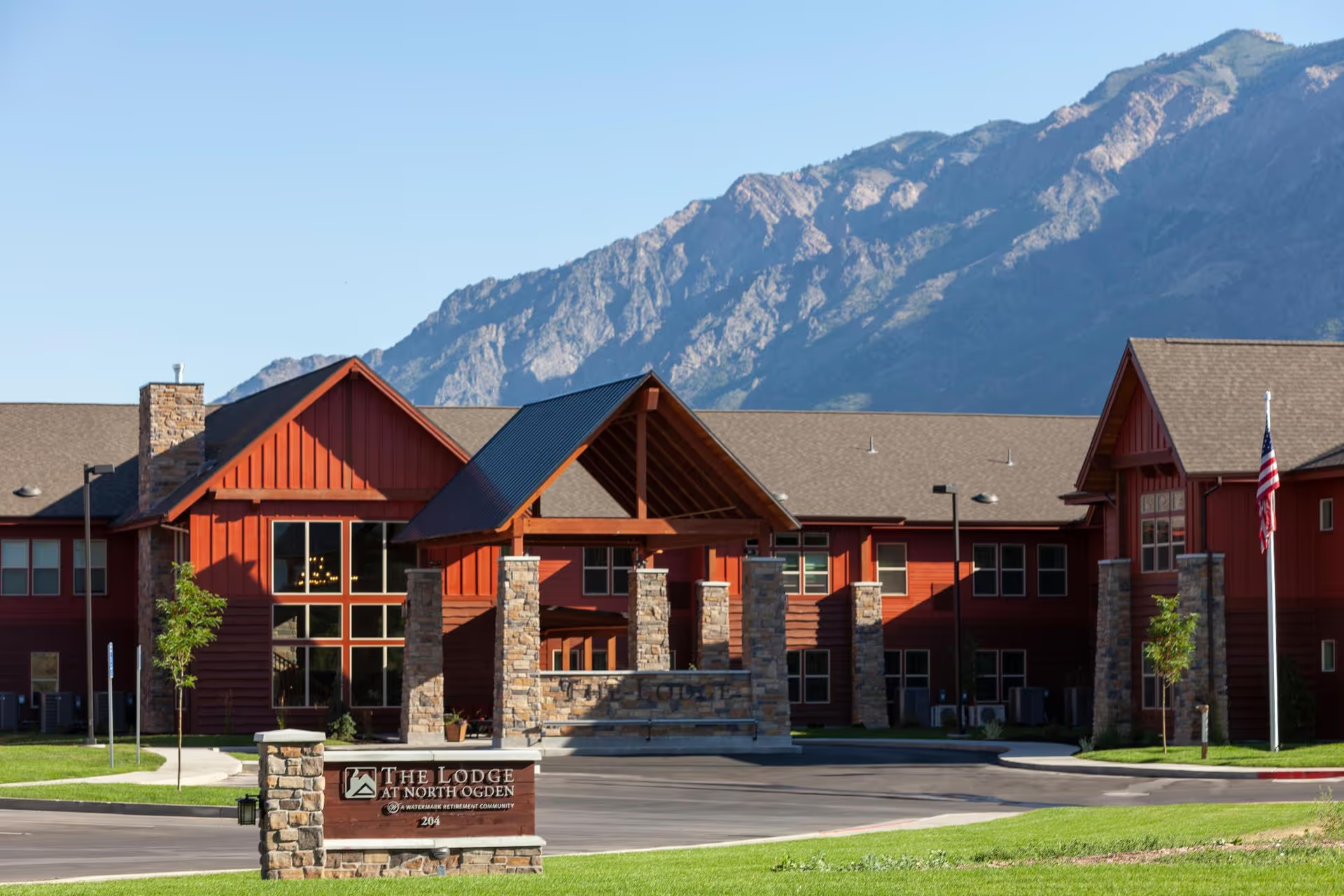
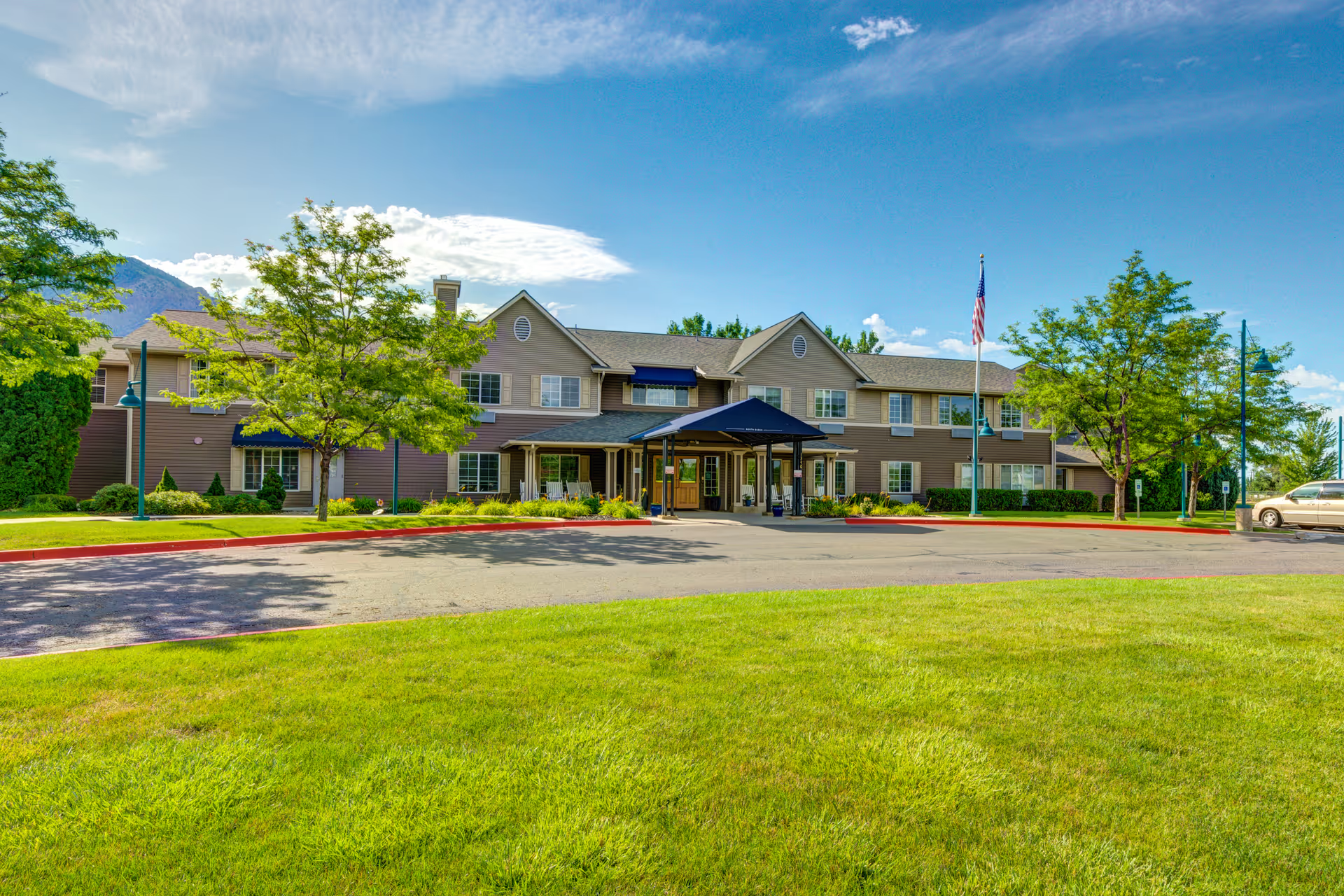
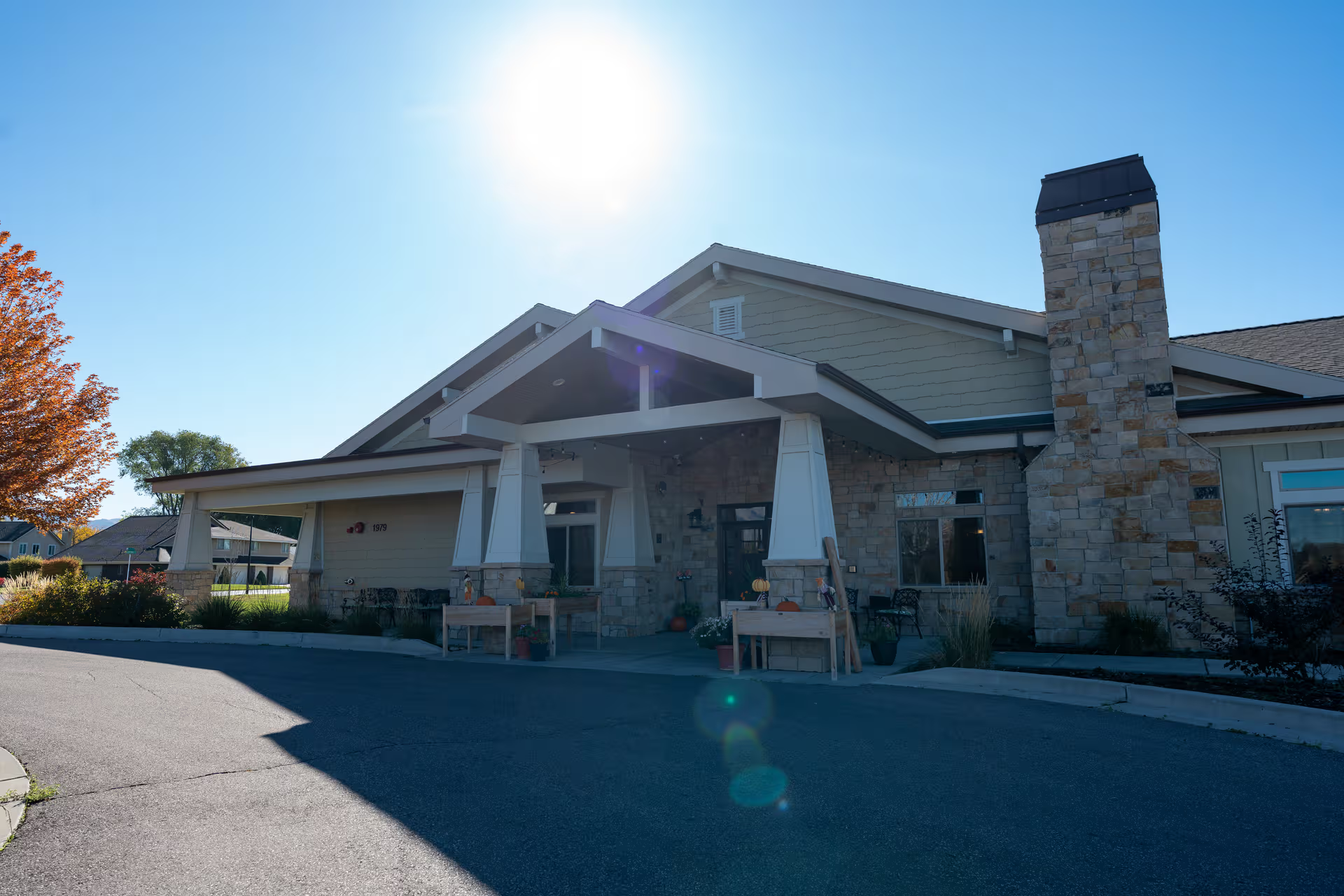
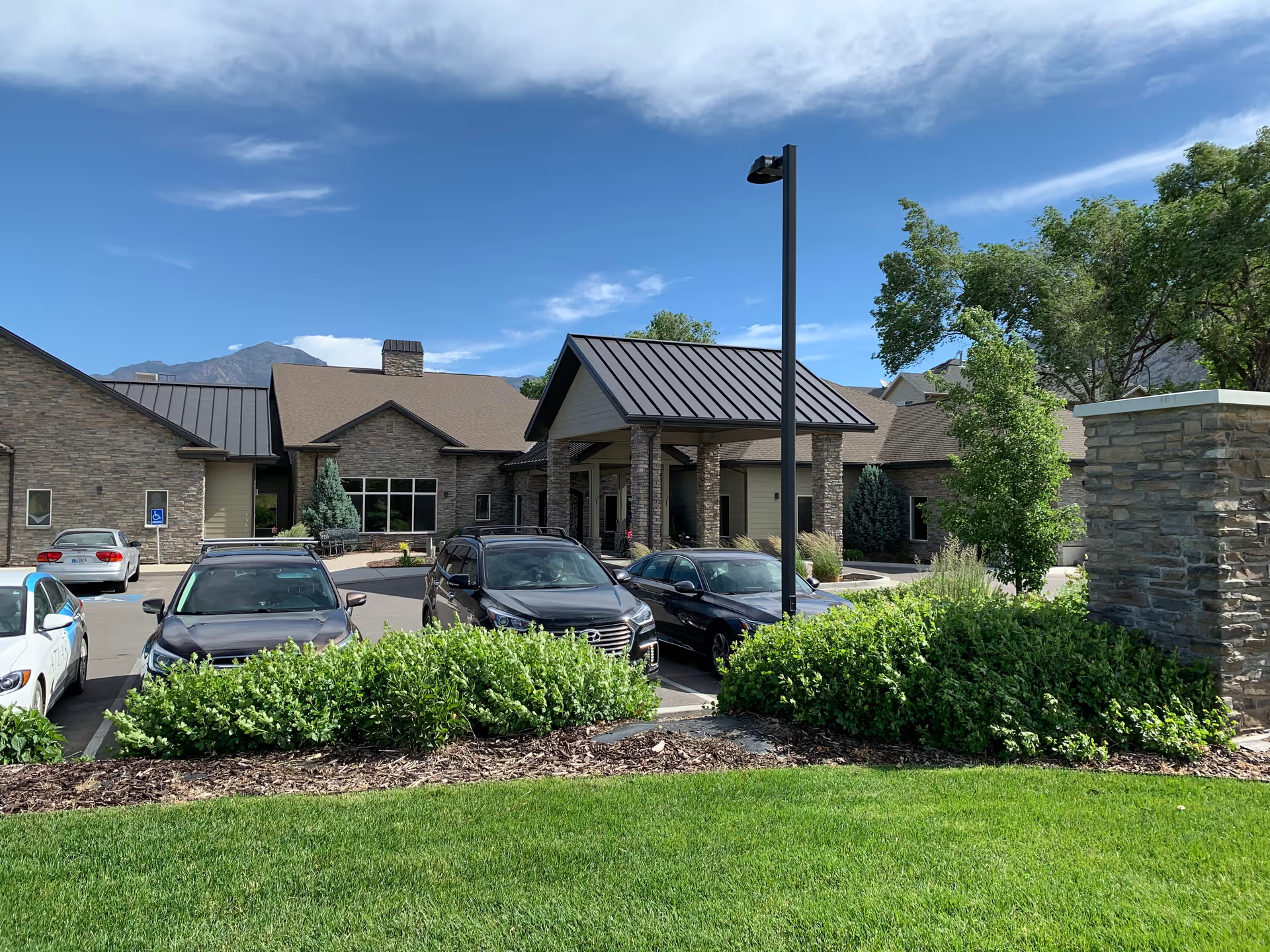
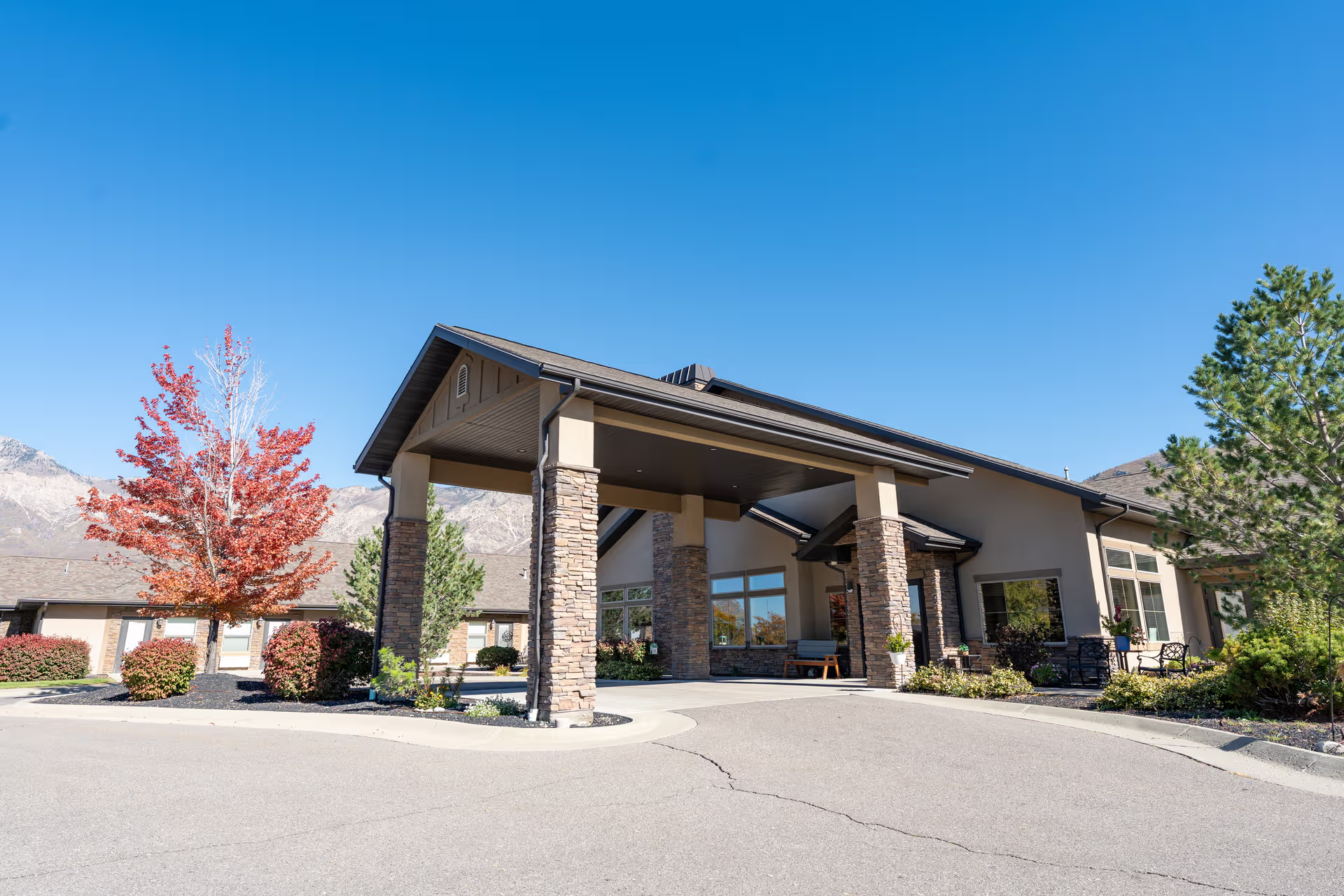
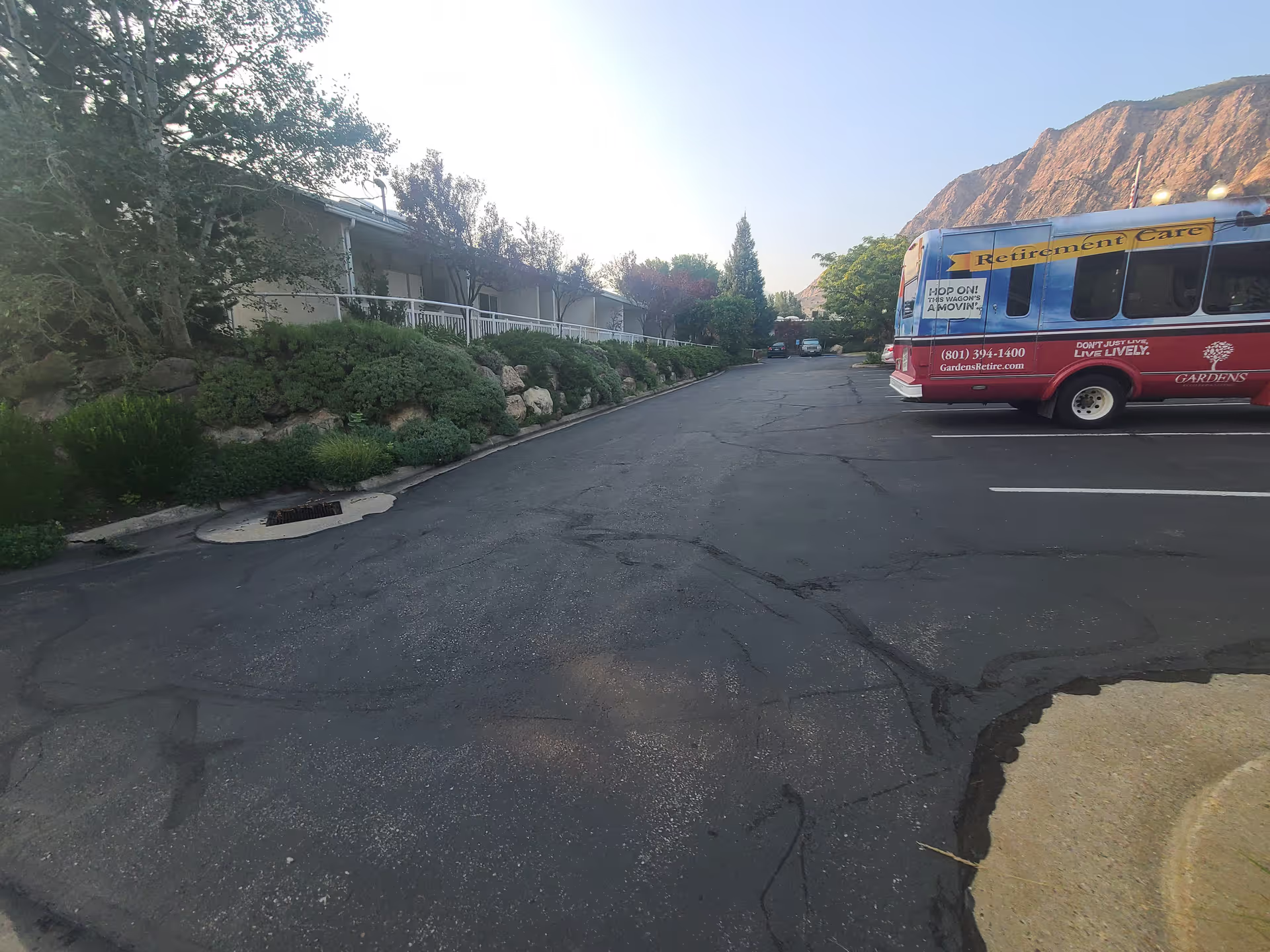
Dining is generally described favorably, with comments highlighting fresh, tasty food, multiple options, helpful dietary staff, and meals adapted for special diets. The facility is also praised for cleanliness, comfortable rooms, and amenities such as common areas, a gym, rehabilitation space, a library, and a garden. Activities, entertainment, bus outings, and optional animal therapy are noted as part of the resident experience. A visitor also described a welcoming veteran community, including camaraderie among residents with shared service backgrounds.
Communication and management experiences are mixed. Many families describe staff as accessible and informative, including timely updates about care needs and medication or routine adjustments. In contrast, one family raised concerns following a resident’s death about account collection, clarity regarding family responsibility for a balance, and the timing and tone of billing communications. A separate reviewer alleged staff conduct involving a family member’s online presence and workplace boundaries; this is an individual account and does not establish a broader pattern. Families may want to review billing responsibilities in advance and ask how clinical and administrative concerns are handled.
Taken together, the reviews portray a facility with substantial strengths in interpersonal care, food, cleanliness, rehabilitation, and resident engagement, alongside specific concerns warranting direct follow-up in memory care, medication monitoring, behavioral escalation, and financial communication. A visit and detailed questions about staffing, care plans, family updates, and billing procedures can help prospective residents and families assess fit.