Reviewers present a highly mixed picture of Rocky Mountain Care - Riverton. A consistent strength cited across many accounts is the quality of hands-on caregiving and rehabilitation: numerous families praise compassionate nurses and CNAs, personalized emotional support, and a strong therapy program (PT/OT) that is energetic and recovery-focused. Clinical capabilities such as wound care and some aspects of medication management are described positively in multiple reports. The facility’s location near hospital and physicians, availability of private rooms with en-suite bathrooms, and an engaging activities program (art classes, workshops, games) are additional operational strengths that support resident wellbeing and family satisfaction.
At the same time, a recurring set of operational concerns appears throughout the feedback. Staffing levels are frequently characterized as inconsistent, with a notable reliance on agency personnel; this links to repeated complaints about delayed responses to call lights, slower routine care, and uneven performance across shifts (day staff often described as stronger than night staff). Several reviews describe lapses in time-sensitive medication administration, gaps in vital-sign recording and documentation, and instances of central-line or infusion-care concerns. These issues point to variability in clinical reliability that families should monitor closely.
Dining and activities are another area of contrast. Many reviewers appreciated the dining room environment, customizable meal choices, and occasional comfort-food options; others described cold or late meals, breakfast-service interruptions, and inconsistent kitchen engagement with residents’ preferences. Activities and therapy are often highlighted as programmatic strengths, though some families felt therapy schedules could conflict with meal times or that rehabilitation intensity varied by admission.
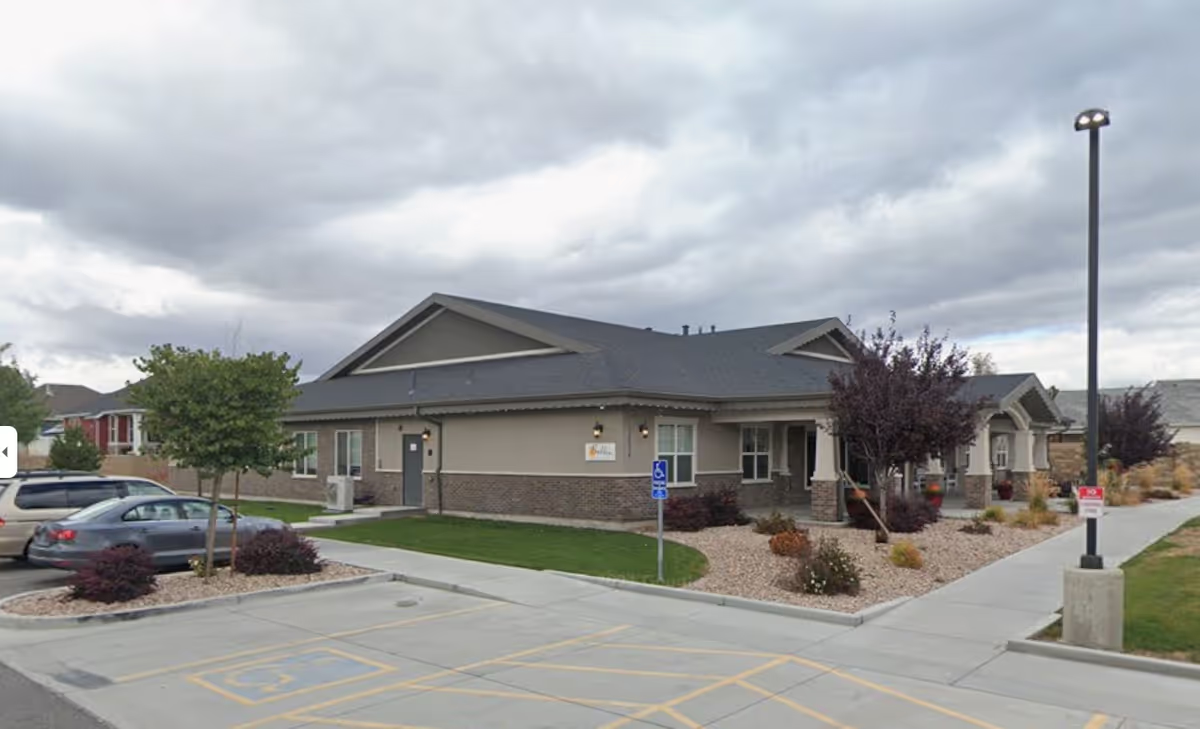
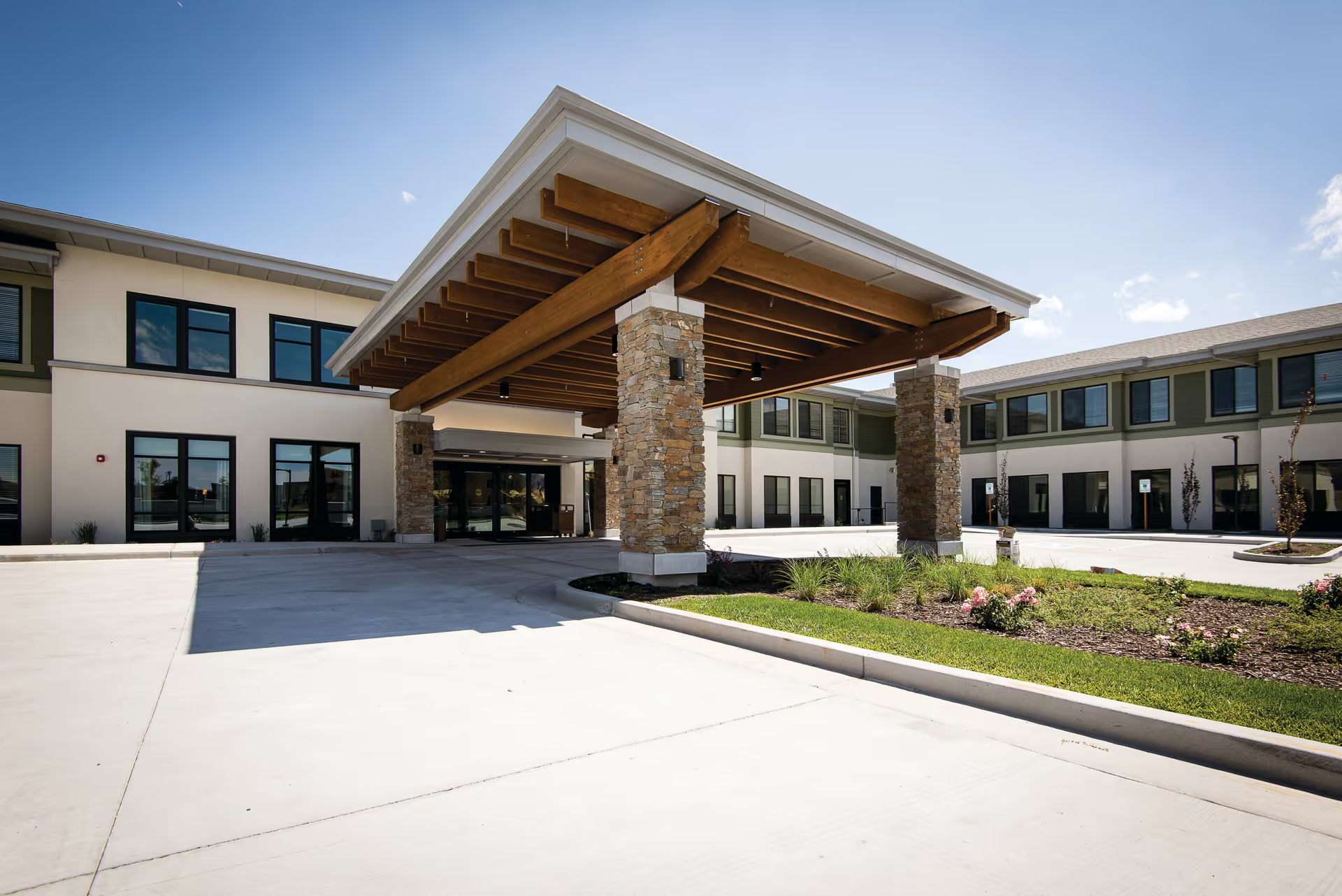
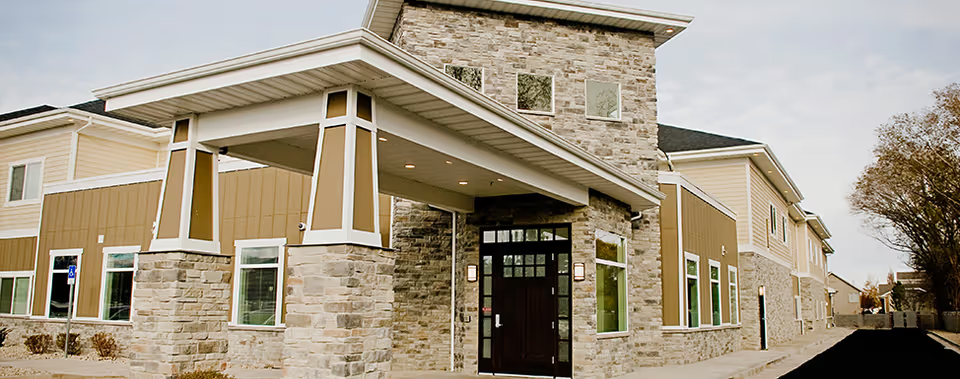
Facility condition and management practices show mixed signals. Several accounts compliment the clean, attractive building, helpful housekeeping, and hotel-like amenities offered during certain transitions. Conversely, other reviews raise sanitation concerns in individual rooms or bathrooms, aging and damaged furnishings, maintenance gaps (broken equipment, scuffed walls), and occasional unsecured infrastructure issues. Administrative themes include uneven communication between management and families, problematic discharge coordination (incomplete equipment education and rushed medication reviews), and billing or consent frustrations. A small number of serious allegations — including concerns about staff conduct and instances that prompted social-service attention for follow-up — are mentioned; these are individualized but notable and merit further inquiry by prospective families.
Overall pattern: prospective residents and families can expect strong rehabilitation services and many attentive caregivers, but they should also plan for variability in staffing, clinical responsiveness, and facility upkeep. Key due-diligence items: confirm current staffing ratios and agency usage, review medication-administration protocols and documentation practices, tour rooms and bathrooms to assess cleanliness and maintenance, ask about infection-control procedures and fall-prevention measures, and clarify discharge-planning and billing processes. These steps will help align expectations with the facility’s strengths and mitigate the operational risks reflected in the reviews.