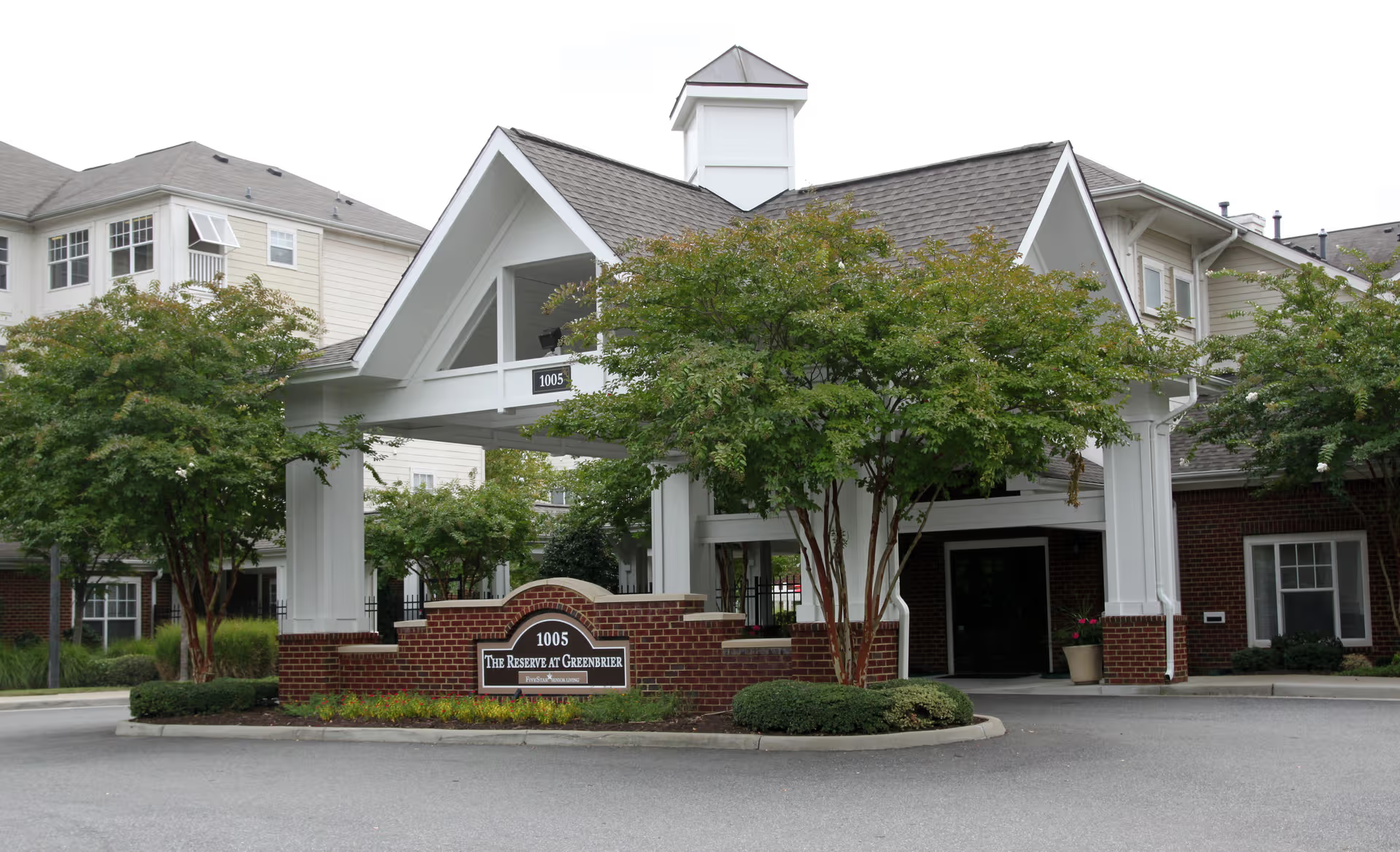
The reviews describe a facility with notable contrasts: many families and clinicians praise the clinical therapy services, several individual caregivers, and certain administrative staff, while others describe recurring operational problems that affect daily care. Overall, rehabilitation and therapy are frequently cited as strengths, with physical and occupational therapy staff and wound-care clinicians producing measurable progress for many residents. Private rooms, an outdoor area, and an organized admissions orientation were also identified as positive aspects by multiple commenters.
Care quality and staffing present mixed signals. Numerous accounts highlight compassionate, attentive nurses and CNAs who provide personalized updates and hands-on assistance. At the same time, reviewers describe persistent staffing instability, reliance on agency personnel unfamiliar with residents, and high turnover. These staffing patterns are associated with delayed responses to call bells, inconsistent bathing schedules, incontinence-care delays, and concerns about medication and catheter-related management. Families reported emotional strain when clinical promises were unmet or when they had to intervene to ensure basic needs were met.
Dining and nutrition emerged as another divided area. Several families praised food quality at times and noted affordable dining options for visitors, while other accounts described inconsistent meal temperature and preparation, limited menu accommodations after management changes, and lapses in allergy or dietary-safety practices. These inconsistencies suggest variability in kitchen operations and meal-service continuity from shift to shift.
Activities and resident engagement received mixed feedback: some reviewers praised recovery-focused, motivating programming and specific staff who led engaging activities, whereas others found recreational offerings limited, especially for residents with sensory impairments or disabilities. Staff who run activities were credited when present, but the program appeared inconsistent across units and days.
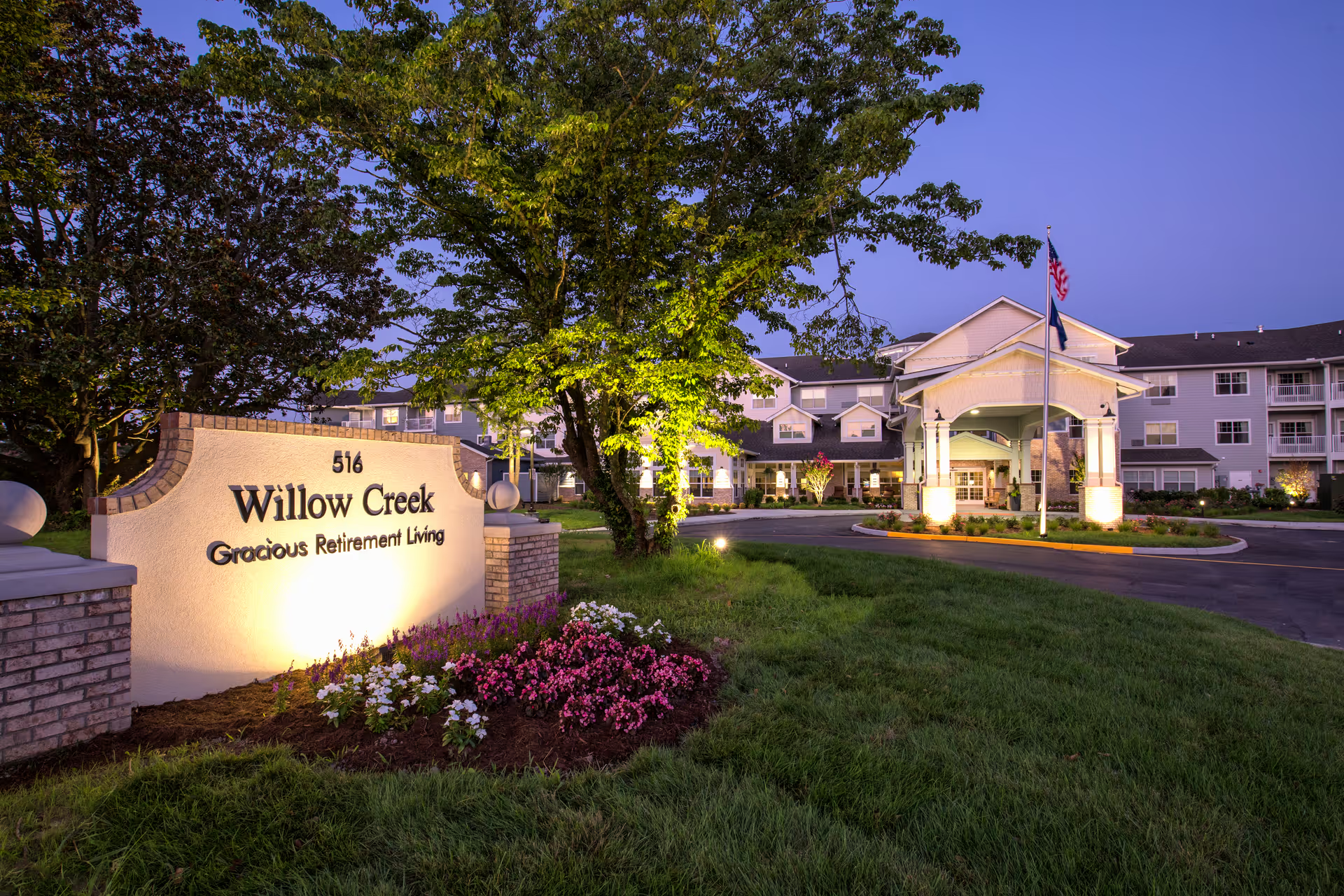
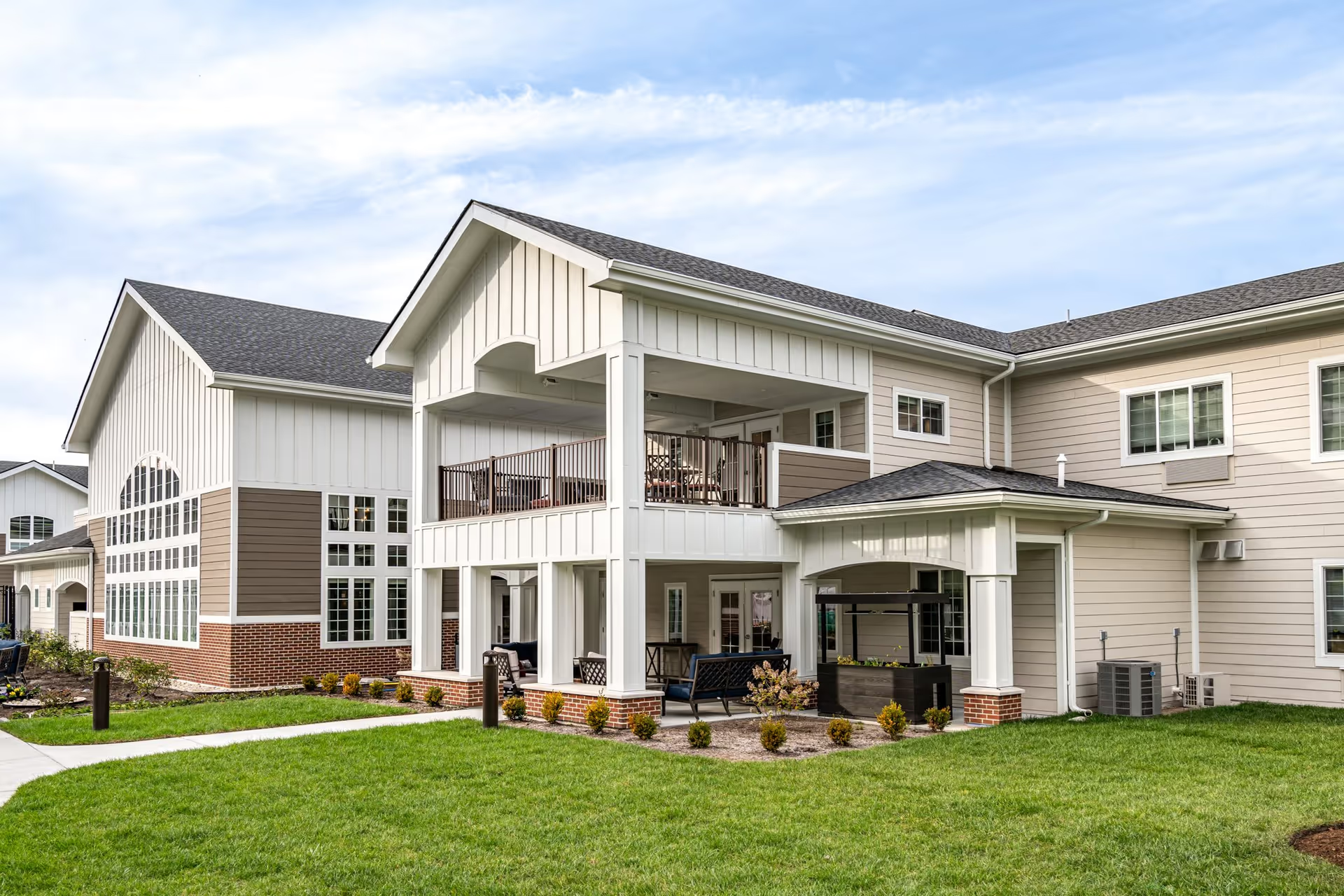
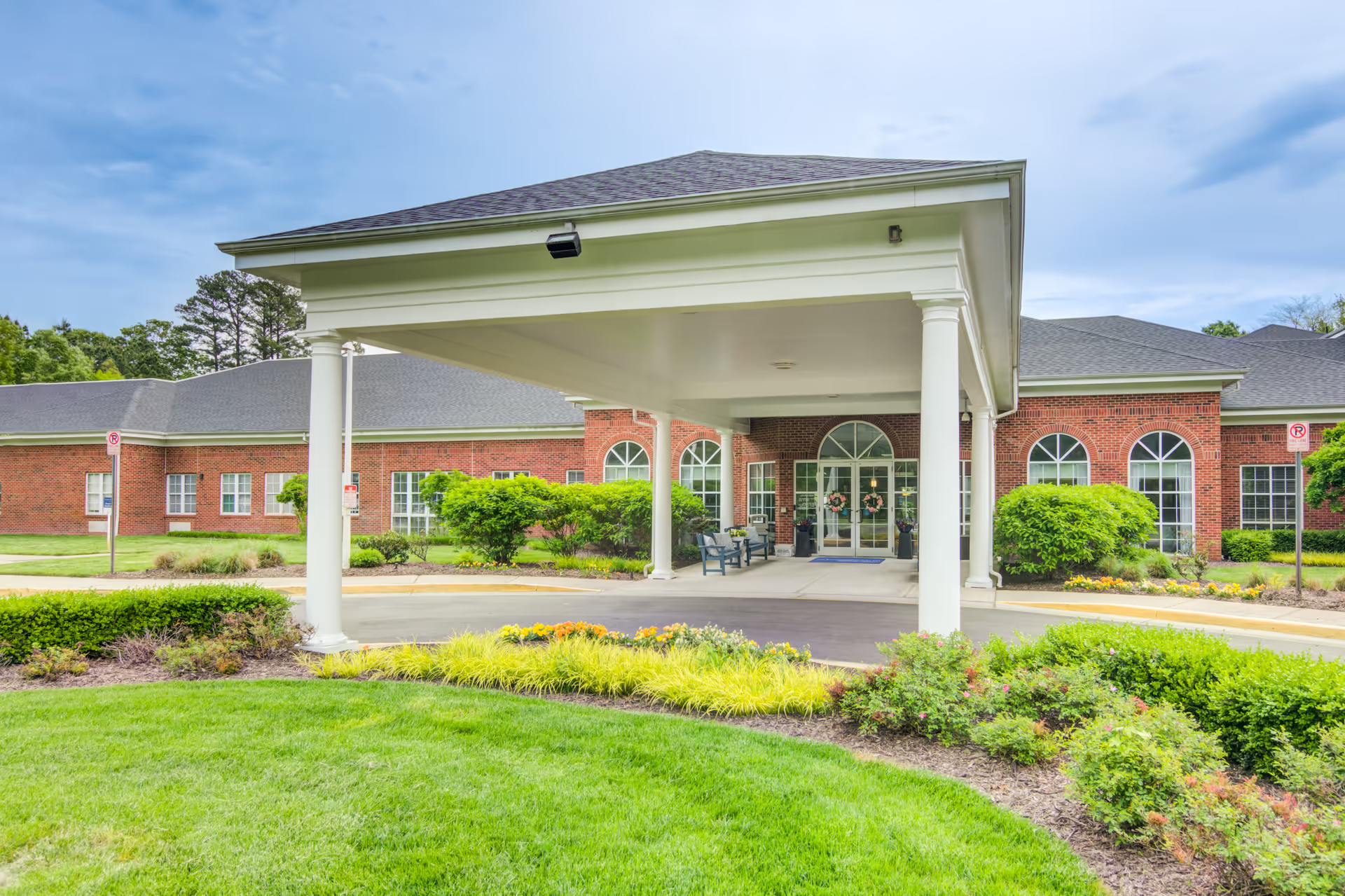
Facility condition and infection-prevention topics are also uneven. Many visitors found the building clean, welcoming, and well maintained with private rooms and pleasant common spaces. Conversely, other reviewers raised sanitation and pest-control concerns in certain areas, odor concerns in corridors, and room-level maintenance issues such as leaking fixtures or stained ceiling tiles. These reports point to variability in housekeeping and environmental services across units.
Management, communication, and operations show a pattern of strengths and weaknesses. Positive notes include helpful front-desk staff and administrators who addressed concerns promptly at times. Negative patterns include disorganized discharge paperwork, slow complaint resolution, and uneven communication between clinical staff and families. Several reviewers described frustration with perceived prioritization of financial considerations over consistent clinical follow-through.
In sum, Chesapeake Health & Rehabilitation Center appears to provide strong rehabilitation and individualized clinical expertise in many cases, supported by several dedicated staff members and useful amenities like private rooms. Prospective residents and families should weigh those strengths against recurring operational issues: inconsistent staffing and agency reliance, variable housekeeping and pest-control performance, irregular meal-service quality and dietary safeguards, and occasional breakdowns in care transitions and documentation. Those considering placement may benefit from asking targeted questions about staffing ratios for specific units, frequency and accommodations of bathing/incontinence care, meal-service policies for special diets, discharge planning procedures, and recent corrective actions taken after facility inspections or family complaints.