Reviewers consistently describe a facility that delivers strong day-to-day clinical and supportive services alongside a lively activities program. Strengths cited include attentive, compassionate staff, skilled nursing and rehabilitation care, a clean and pleasant environment, comfortable and spacious resident rooms, and a varied dining program that includes special events such as dinner parties with live music. Spiritual offerings and organized social programming are mentioned frequently, and the facility’s emphasis on rehabilitation and recovery is viewed positively.
Care quality and staffing are seen as mixed. Many comments praise clinical skill and long-term care capabilities—including therapy and skilled nursing services—but several reviewers identified operational weaknesses tied to nighttime coverage and responsiveness. These concerns center on delayed assistance during late evening hours and perceived delays in personal-care tasks, which reviewers linked to increased safety anxiety for some residents. The pattern suggests the facility provides good daytime clinical attention but may have inconsistent staffing levels and response protocols overnight.
Dining and activities are clear strengths. Meals are described as good and varied, and social programming is robust, with church services, singing groups, live-music events, and well-planned daily activities that support social engagement and recovery. Families reported that staff generally encourage independence and do not rush residents during care interactions, contributing to a dignified atmosphere for many residents.
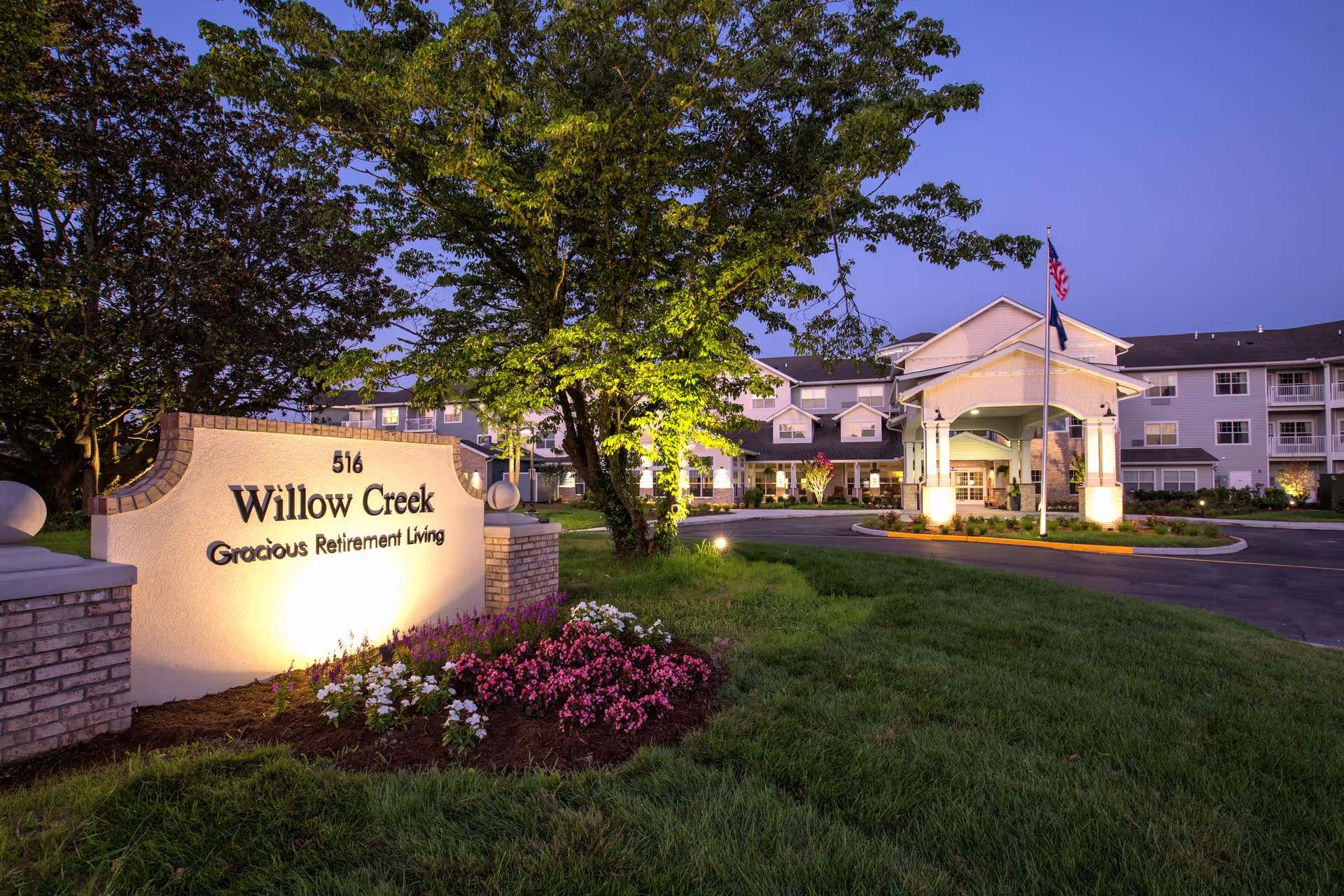
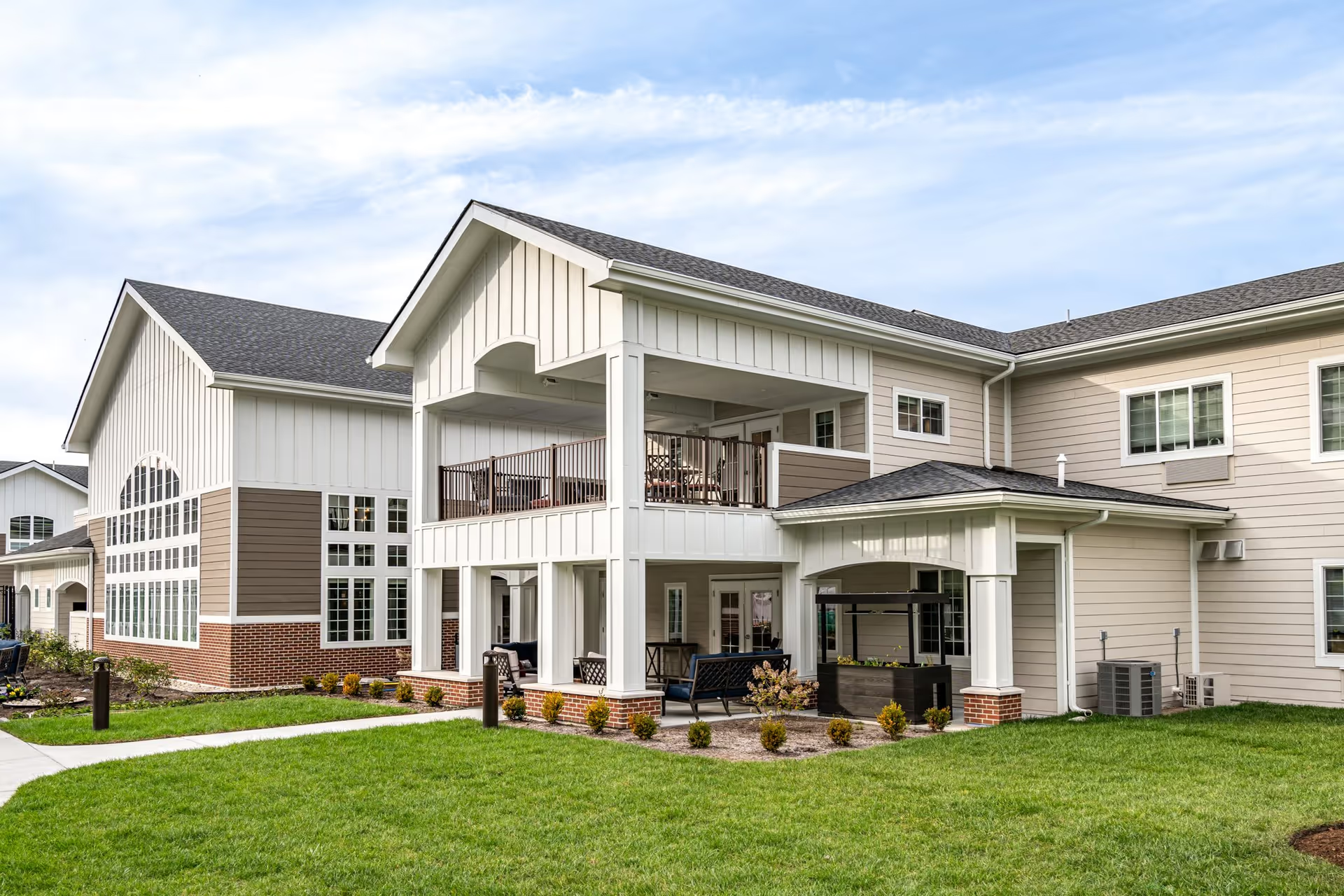
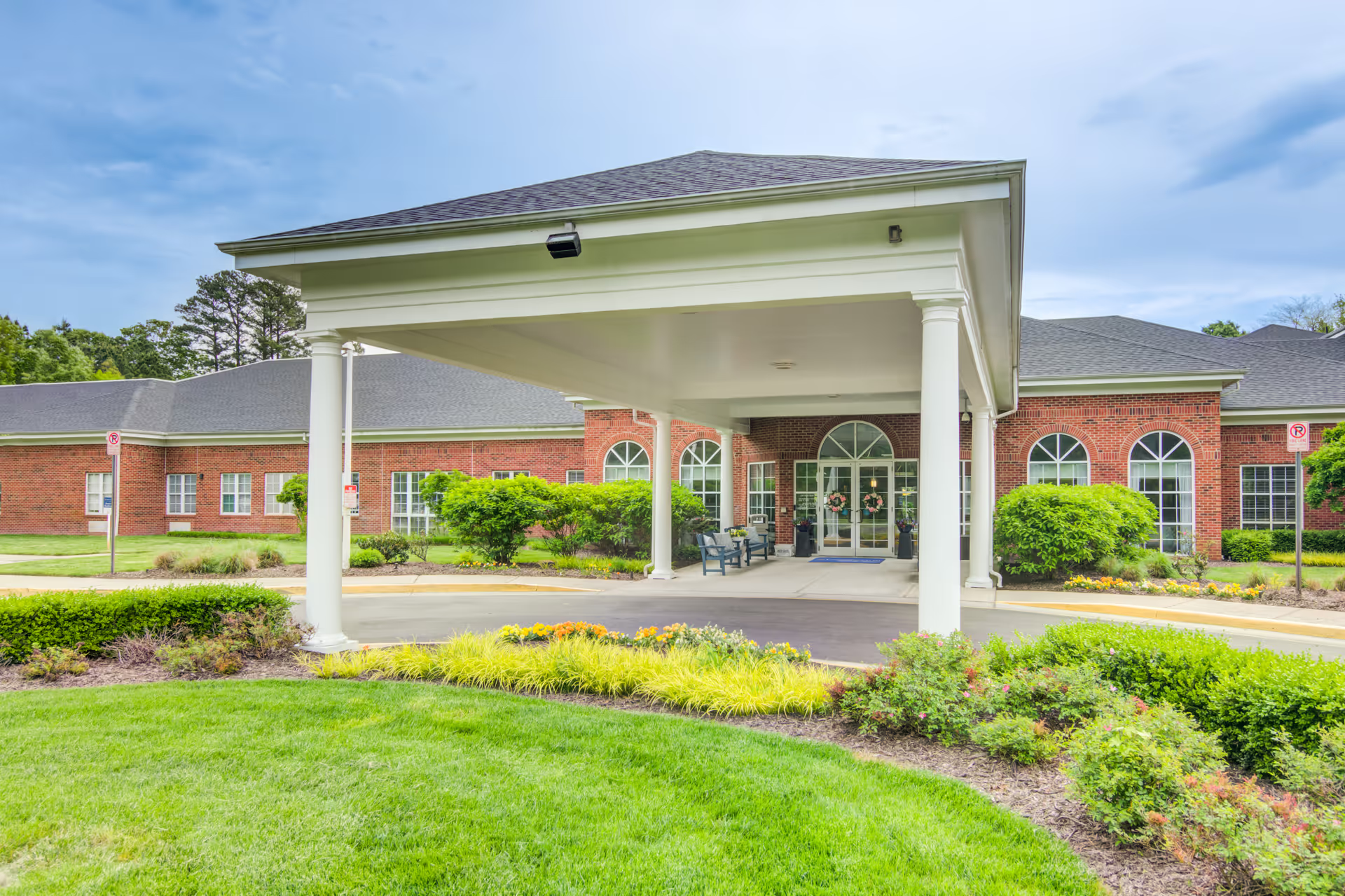
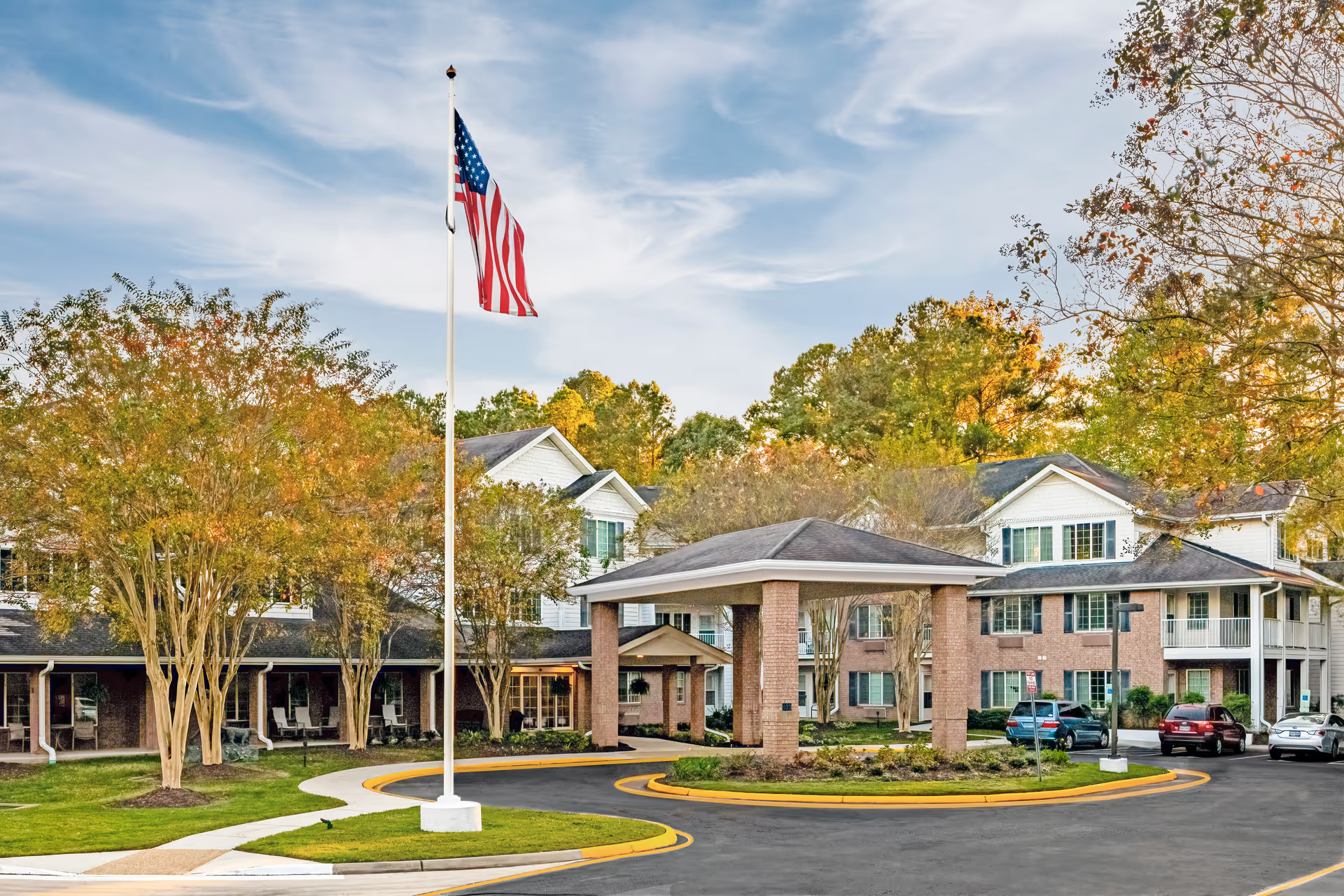
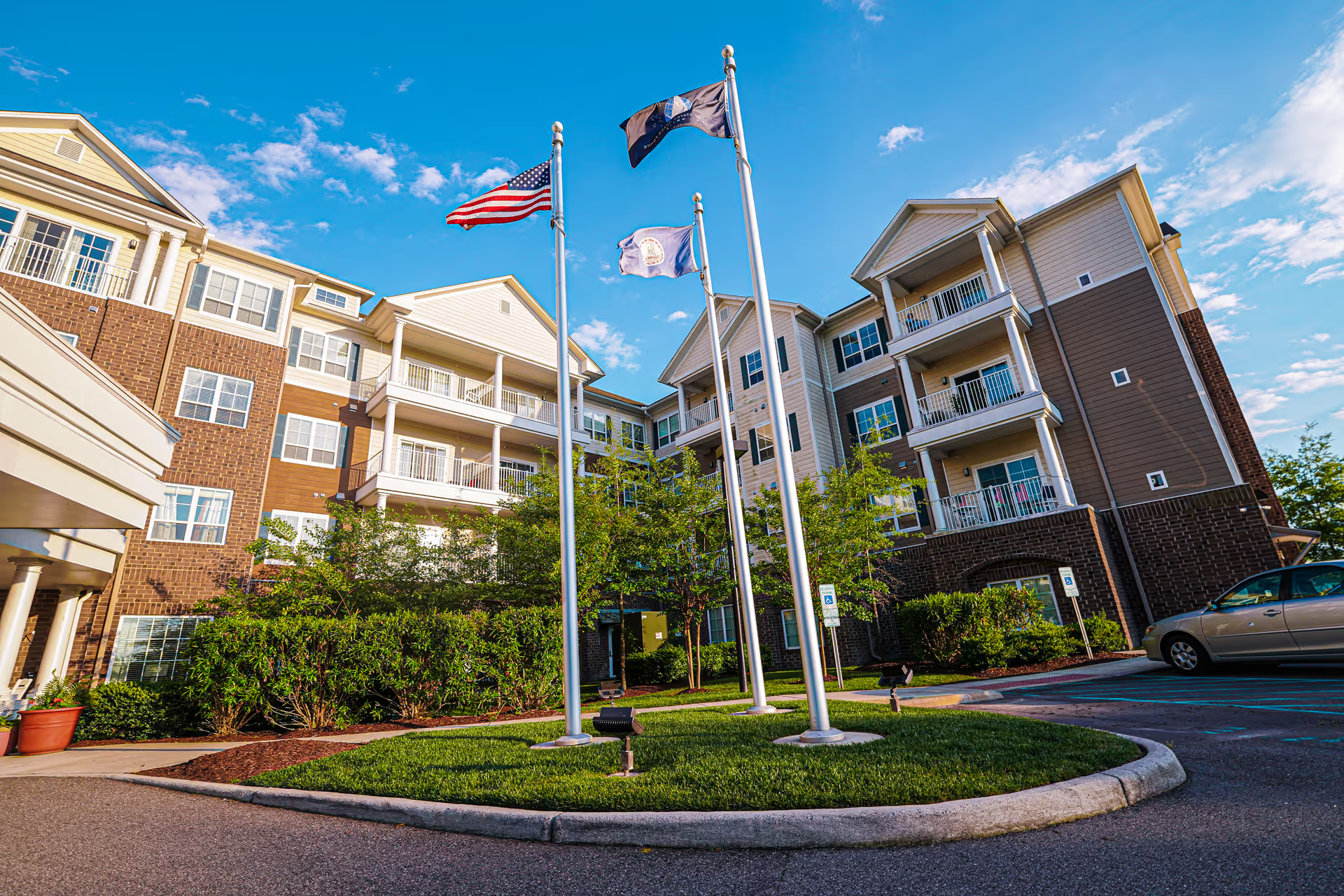
Facility condition is generally positive with frequent remarks about cleanliness and a pleasant-smelling environment. At the same time, several comments note that parts of the current building feel dated or could use a brighter, cheerier ambiance. The planned new Sentara nursing home and descriptions of newly built areas suggest an upcoming improvement in physical design and resident accommodations.
Management and coordination emerge as an area for further inquiry. Some reviewers referenced concerns about leadership, care coordination, and interaction with specific administrative roles; these characterizations point to opportunities for clearer communication, stronger overnight staffing policies, and tightened fall-prevention and emergency-response procedures. Prospective residents and families may want to ask administrators about current night-shift staffing ratios, protocols for nighttime assistance, fall-prevention strategies, and how leadership monitors and addresses responsiveness and family communication.
In summary, this facility demonstrates many operational strengths—cleanliness, committed staff, effective rehabilitation services, engaging activities, and good dining—tempered by recurring concerns about nighttime staffing, delayed evening assistance, and leadership/coordination gaps. Those factors are important to assess in person, particularly for residents with higher nighttime-care or fall-risk needs.