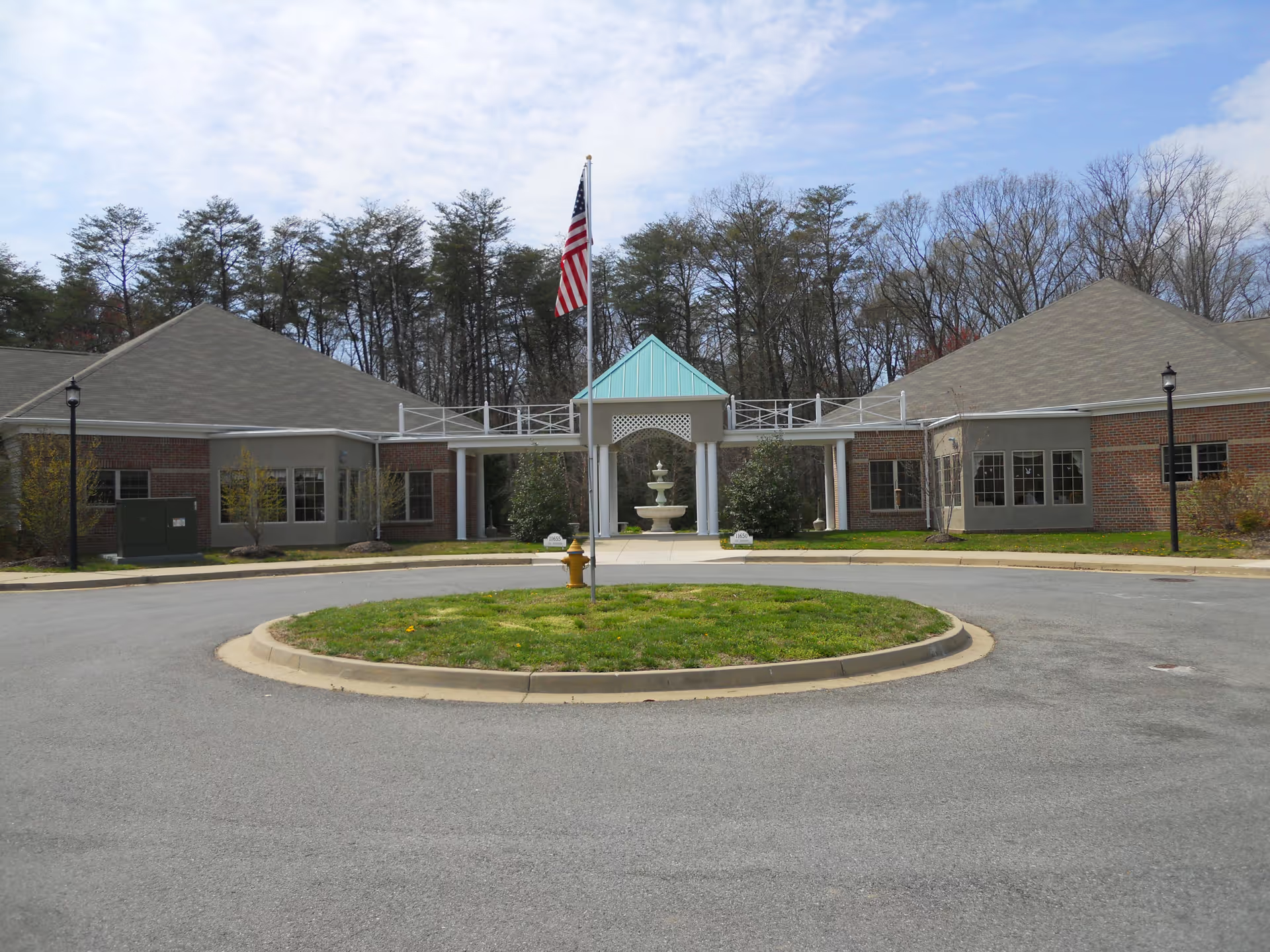
Overall impression: Reviewers consistently describe Westmoreland Rehabilitation & Healthcare Center as a clean, well‑maintained facility with a warm, welcoming atmosphere and visible, engaged leadership. Families and residents commonly praised the professionalism and compassion of nursing staff and caregivers, and many comments highlighted respectful, dignity‑focused interactions and clear family communication. The facility's admissions and transition processes are frequently described as organized and supportive, with helpful administrative staff facilitating insurance and outpatient therapy planning.
Care and clinical services: Clinical strengths cited include skilled nursing, strong physical‑therapy and rehabilitation programming, and successful transitions to outpatient therapy. Many reviewers reported individualized therapy plans and positive rehabilitation outcomes. At the same time, there is evidence of variability in inpatient therapy effectiveness for some residents; a subset of comments described inadequate therapy progress or outcomes. A related pattern involves intermittent gaps in clinical escalation and incident response — a few reports indicated delayed responses to acute needs that required hospital transfer. These accounts suggest variability in timeliness and consistency of clinical response rather than a uniformly described pattern.
Staffing and responsiveness: The staff are widely characterized as attentive, courteous, and willing to go above and beyond. Leadership presence and hands‑on administration were noted as positive drivers of culture. However, several comments point to inconsistent responsiveness at times, including prolonged waits for assistance or periods when staff were less available. Prospective families may want to ask about current staffing levels, response‑time expectations, and call‑bell procedures during a tour.
Dining and activities: The facility's dining and activity offerings receive mixed feedback. Many reviewers appreciated a clean dining area and enjoyable meals, and the activity program is described as engaging — examples include large‑print materials, reading areas, TV/DVD selections, and programming support for televised events. Conversely, there are specific concerns about meal reliability: reports of cold meals, perceived kitchen issues, and inconsistent food quality indicate that meal‑service processes and temperature control may be areas for management attention.
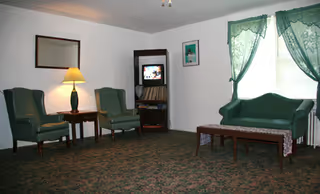
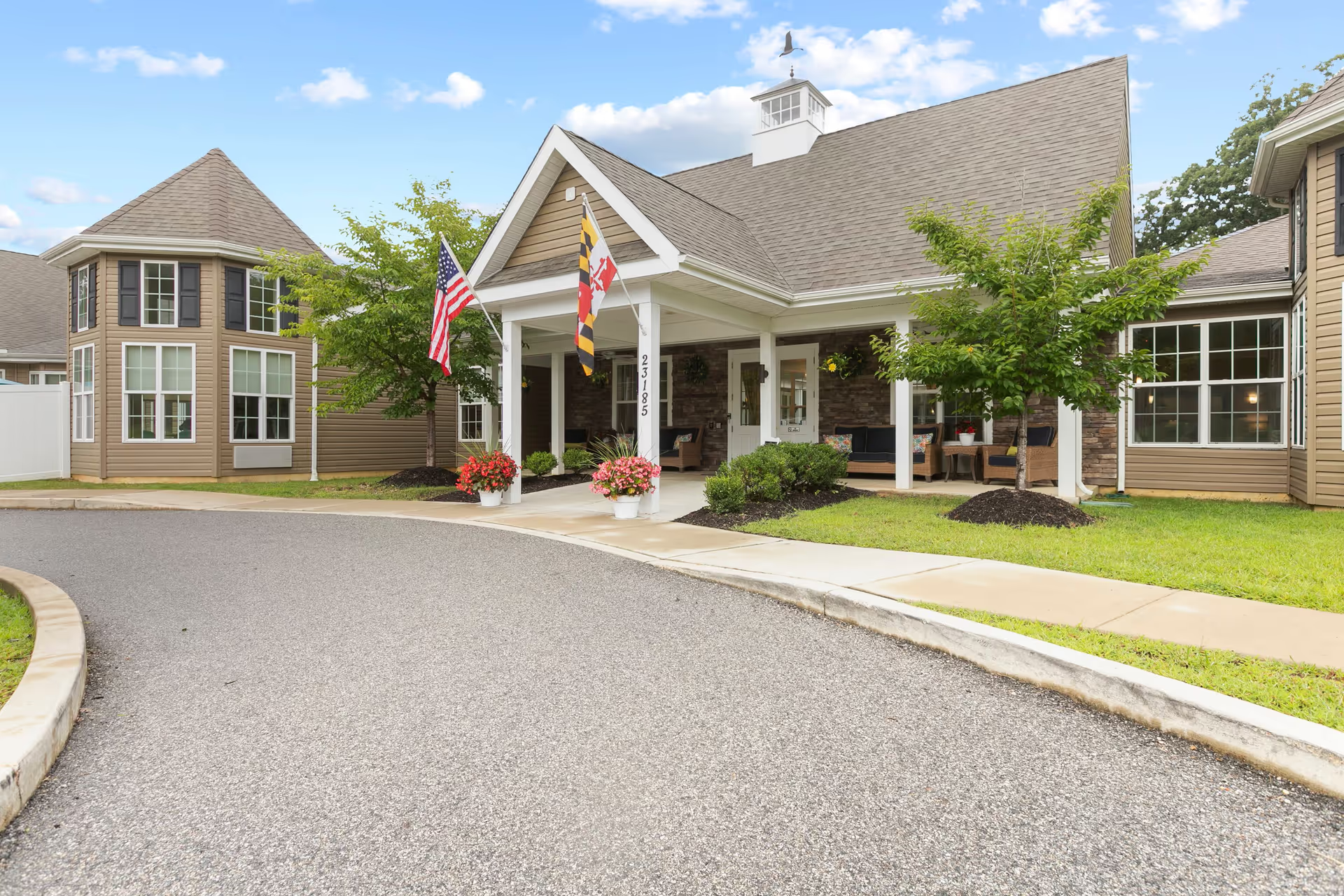
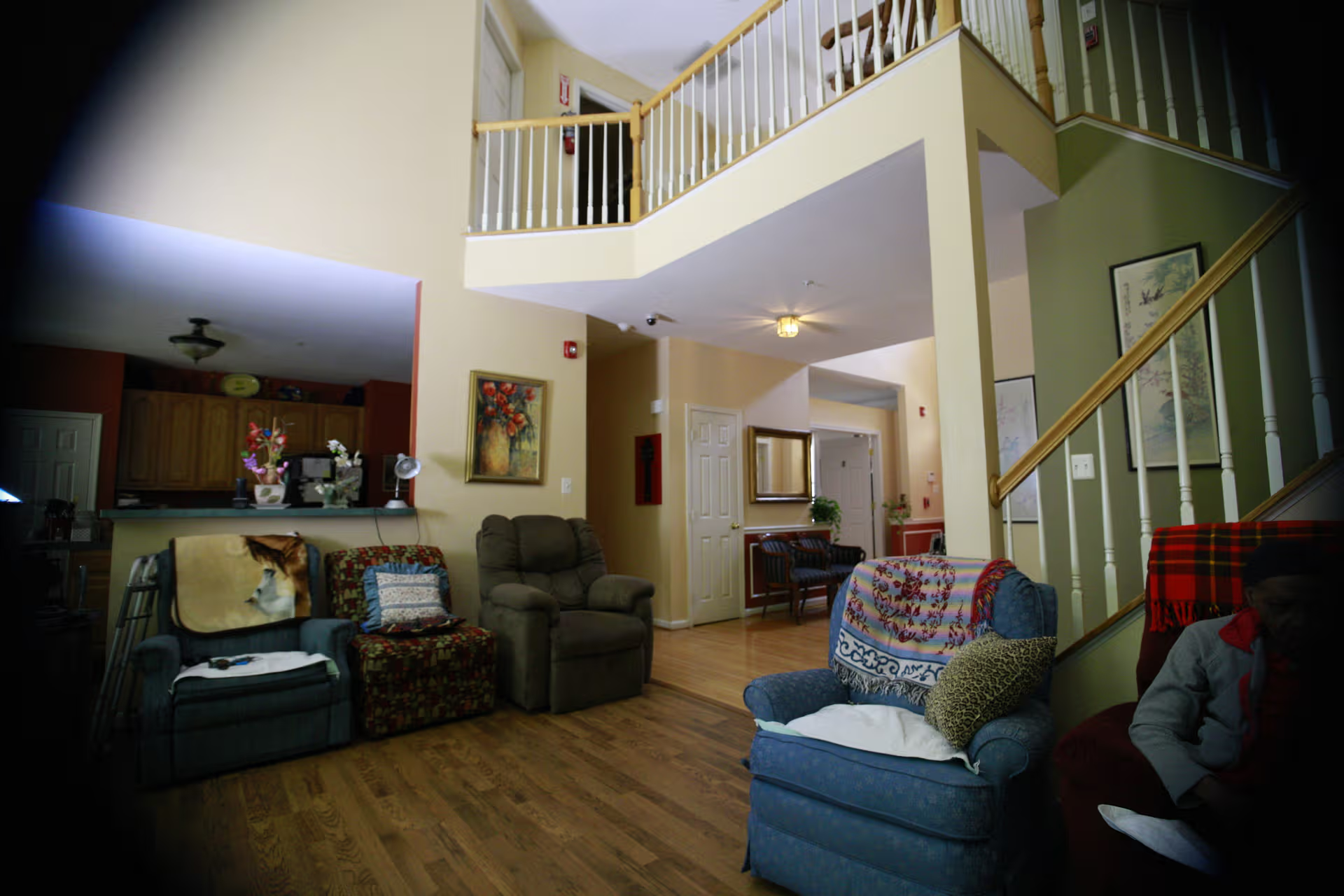
Facilities and management: Physical spaces are repeatedly described as clean, organized, and inviting, with pleasant common areas and no notable odor concerns. Shared rooms with curtains are available, which supports social interaction but offers limited privacy compared with private rooms. Management and select staff members were named for particularly helpful or proactive behavior; reviewers frequently described the administrator as visible and involved — a positive organizational signal.
Recommendation and considerations: Westmoreland appears to deliver strong, compassionate day‑to‑day care and rehabilitation for many residents, supported by a clean environment and engaged leadership. Identified weaknesses are operational: variability in therapy outcomes, intermittent responsiveness to resident calls, and inconsistent meal service quality. Families considering the facility should confirm current therapy staffing and success metrics, inquire about meal‑service procedures and temperature controls, and ask about privacy options for rooming. These targeted questions can help determine whether the facility’s strengths align with a particular resident's clinical and personal priorities.