Overall impression: The reviews portray Farmville Health & Rehab Center as a facility with many operational strengths, particularly in staff compassion, facility upkeep, and an emphasis on recovery-oriented care. Multiple comments emphasize a welcoming, home-like environment, visible resident satisfaction, and leadership engagement. These themes suggest a generally positive day-to-day experience for many residents and families.
Care and staff: Reviewers commonly highlight compassionate, attentive caregiving and effective teamwork among nurses, aides, and administration. Several accounts reference clinical progress during rehabilitation and recovery, and families note respectful interactions and hands-on leadership presence. At the same time, there are isolated concerns about responsiveness — specifically delayed attention to call lights or requests — and perceptions of favoritism. These issues point to variability in staff performance and responsiveness that may differ by shift or unit rather than a systemic absence of caring behavior.
Dining and activities: Dining is repeatedly described in favorable terms: meals have improved, the dining area is pleasant, and residents enjoy their meals. Activity references are less frequent but include organized outings such as bus tours, which contribute to resident engagement and community connection. If activities programming beyond these outings is important to a prospective resident, families may wish to ask for a schedule and examples during a tour.
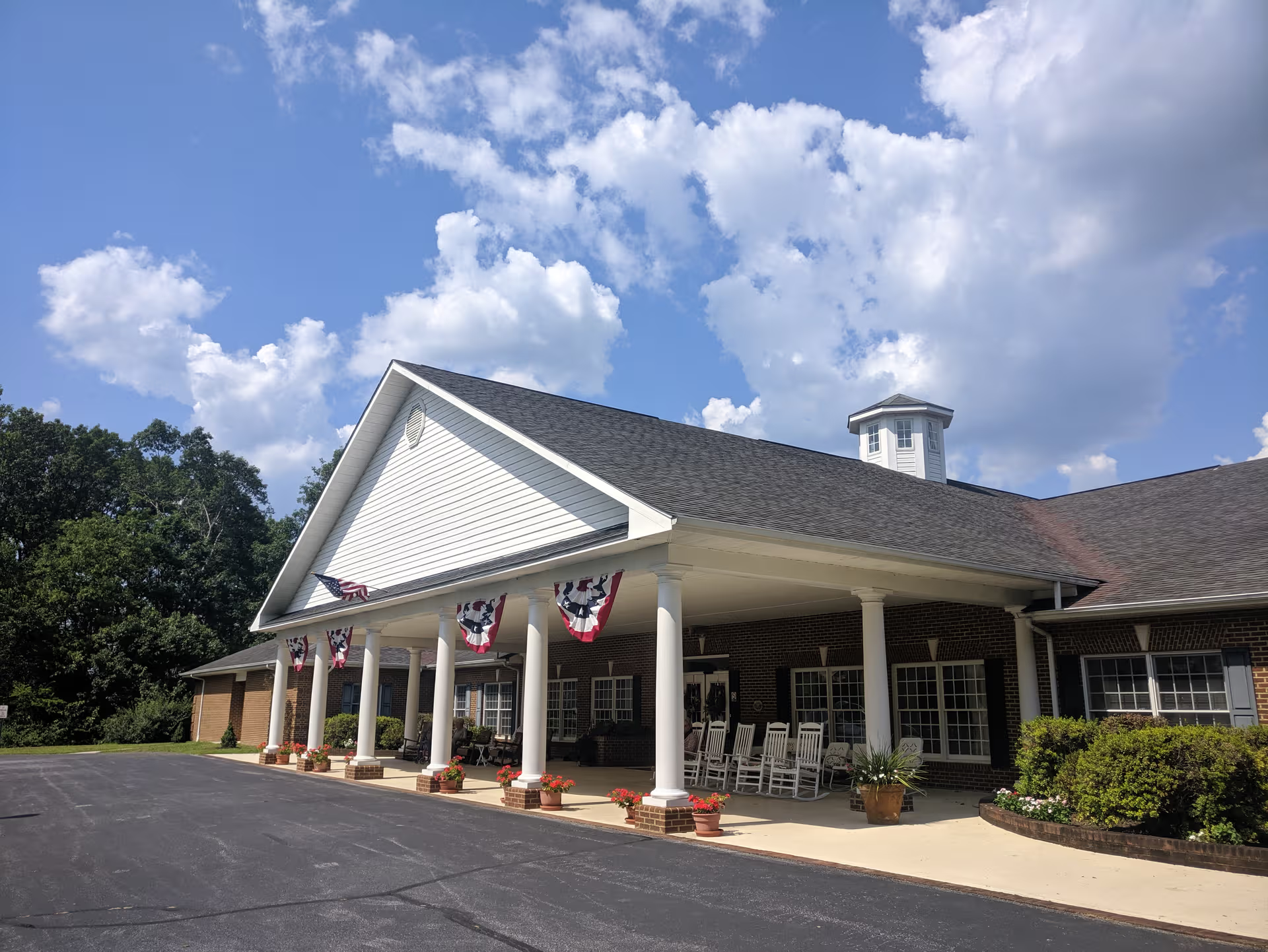
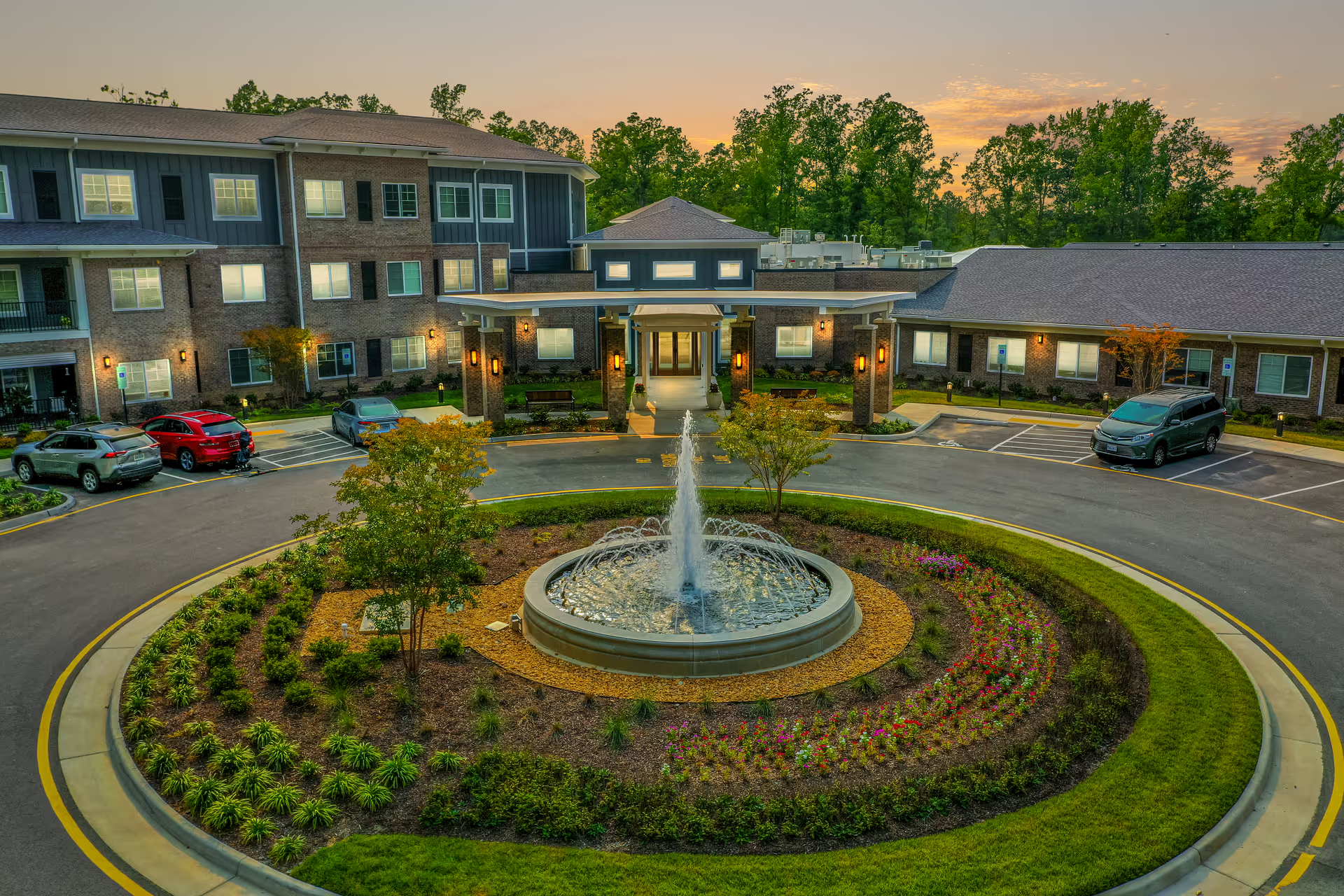
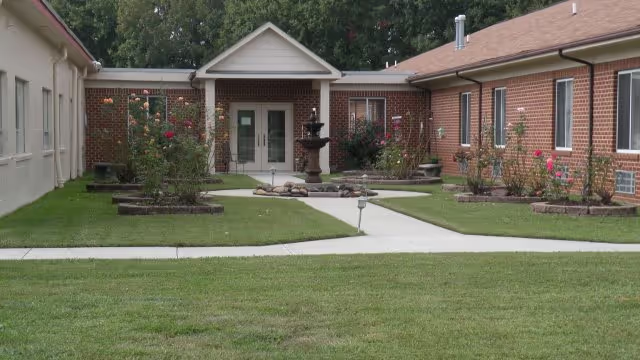
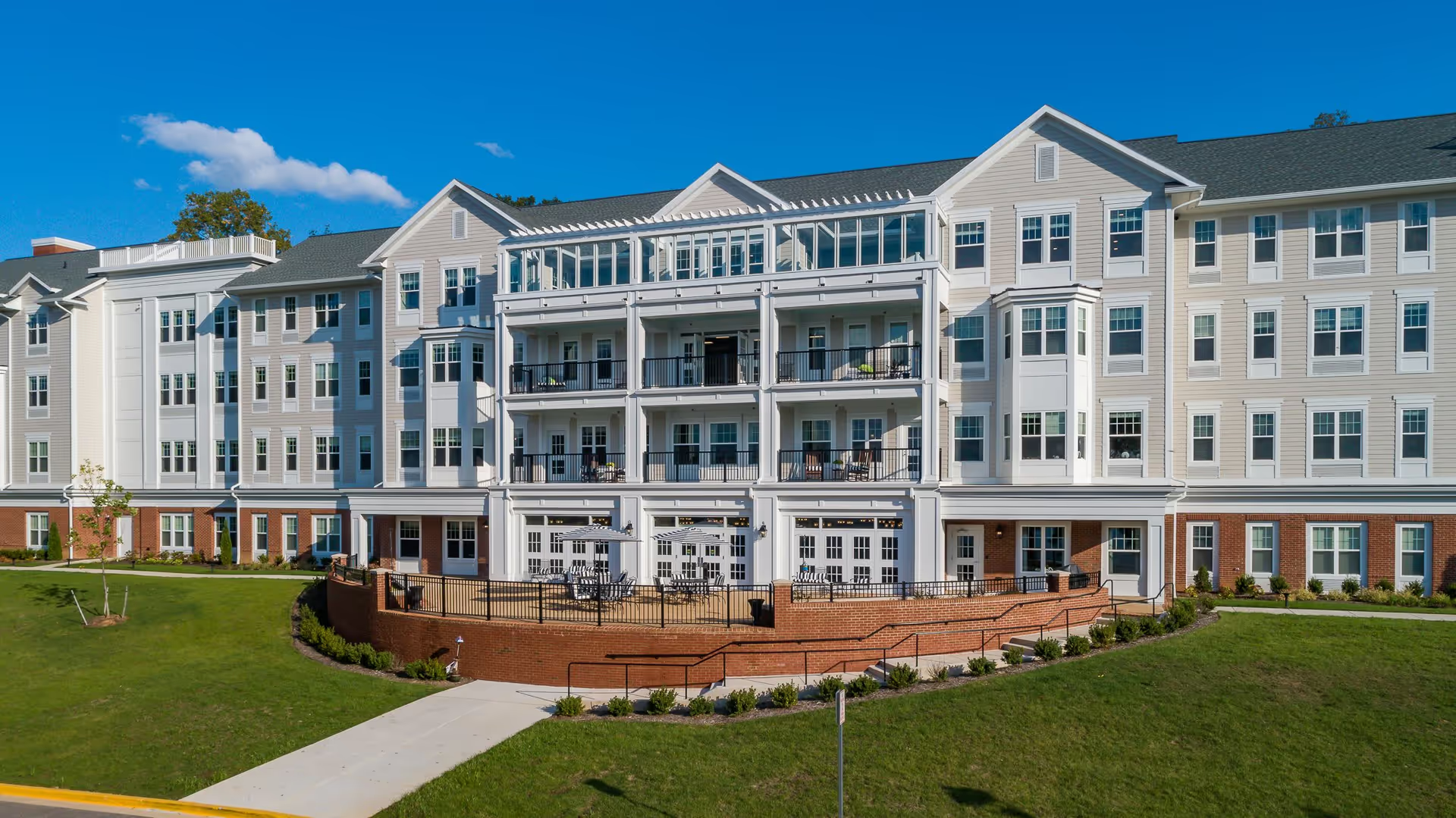
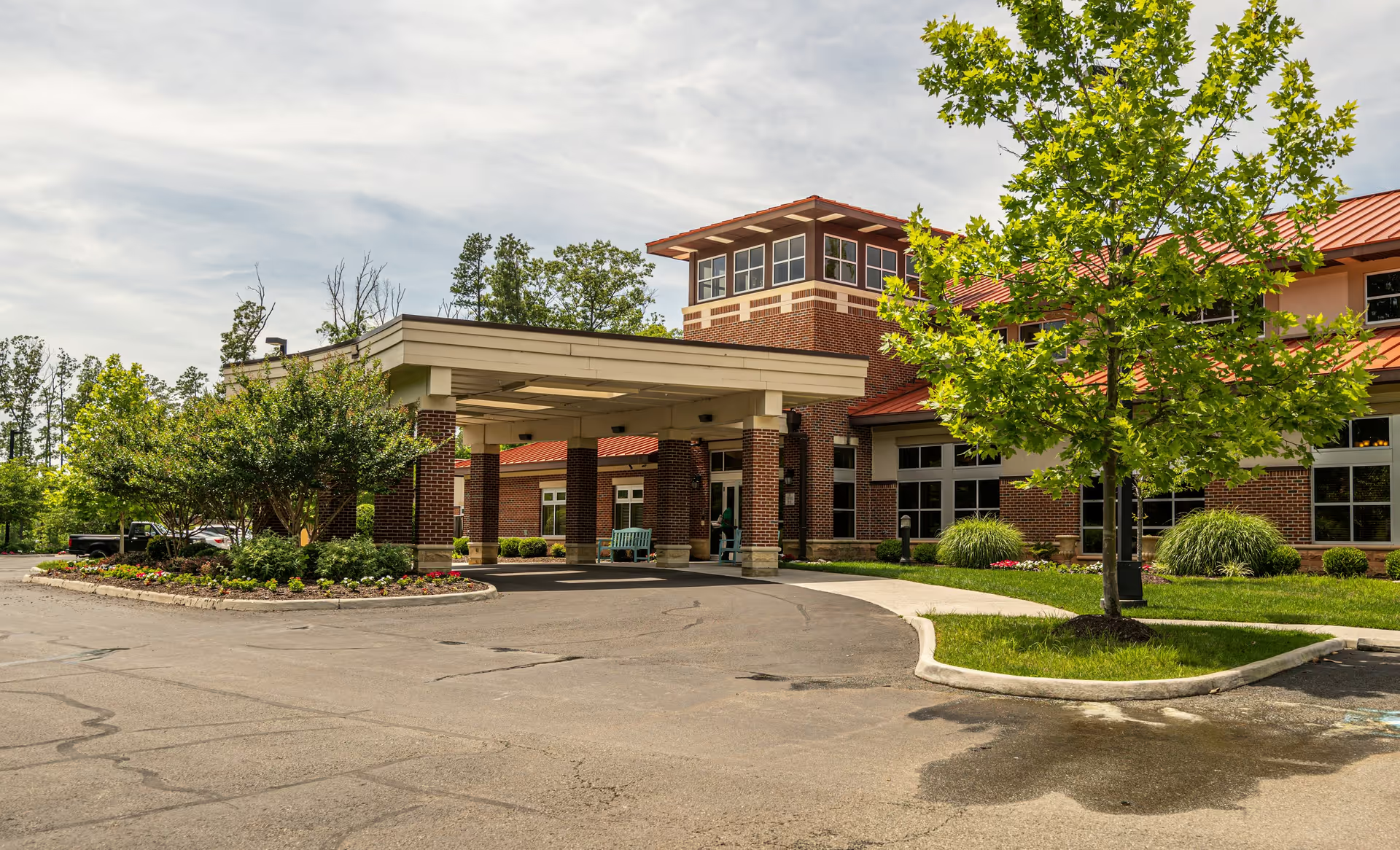
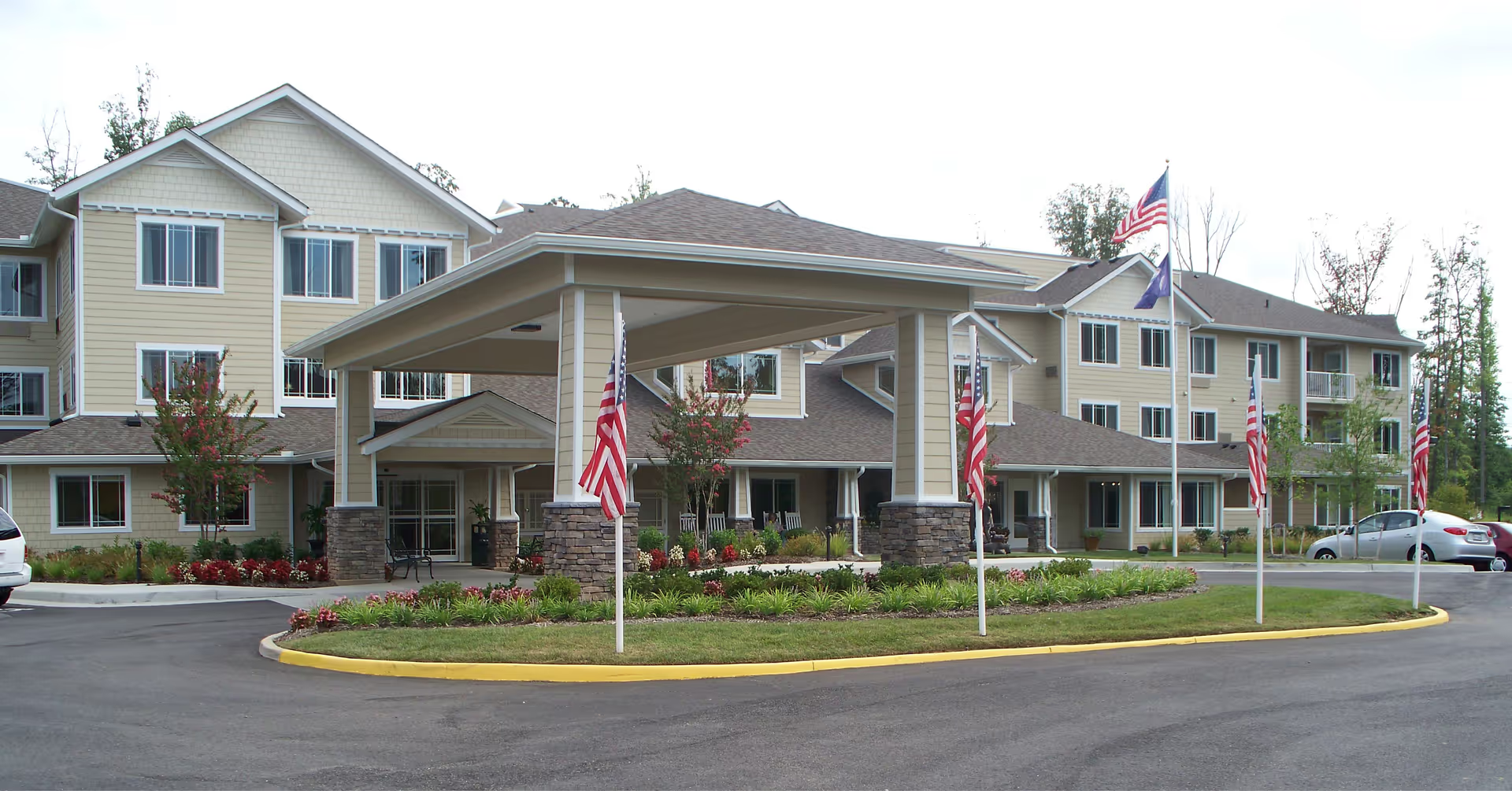
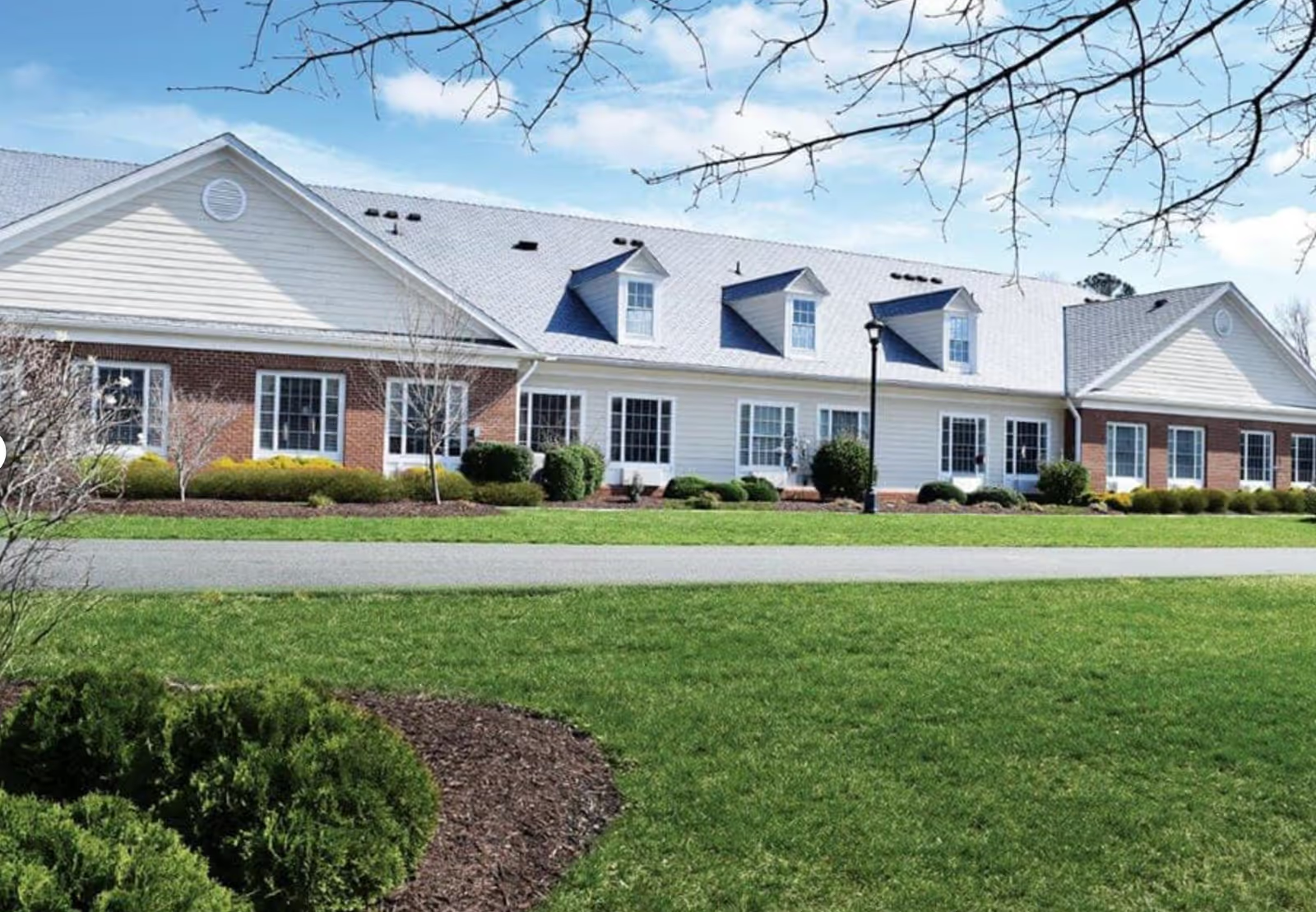
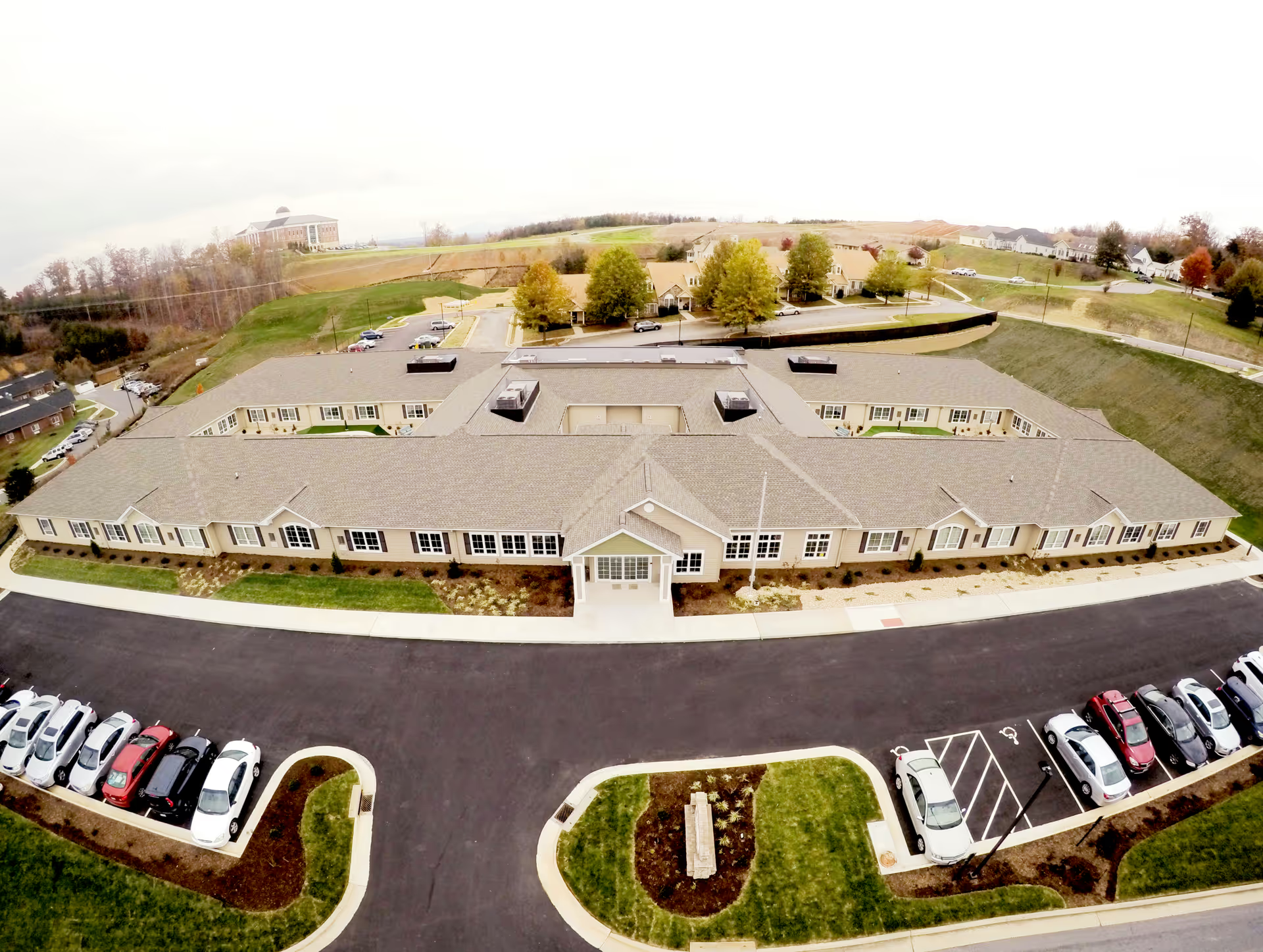
Facilities and management: The physical environment is consistently described as clean, well maintained, and recently updated in parts — rooms painted and furnished, a generally attractive facility, and an upgraded appearance that reduces an institutional feel. Management and human-resources staff receive positive mention for being helpful and accessible; leadership is described as visible and supportive, which appears to reinforce a culture of care.
Notable patterns and recommendations: The dominant pattern is positive — strong interpersonal care, tidy facilities, pleasant dining, and active leadership. The most salient operational weaknesses are inconsistent responsiveness to resident needs and perceived favoritism, which can affect equitable care experiences. Prospective residents and families should consider asking targeted questions on a visit: typical staffing levels by shift, average call-light response time, how the facility addresses concerns about perceived unequal treatment, and examples of staff training and supervision. These inquiries can help assess whether the facility’s generally positive attributes align with an individual resident’s priorities.