Reviewer feedback indicates a highly mixed picture of care quality at the facility. Several families and visitors described competent, effective rehabilitation services—particularly physical therapy and therapist-led programs—that were cited as a clear strength. Dietary staff were also singled out positively by some reviewers, and a subset of families noted engaging activity offerings (for example, social tastings and Bible study) that supported resident engagement. A small number of accounts described attentive nursing care and satisfactory overall treatment.
Counterbalancing those positives are numerous operational concerns that recur across reviews. Staffing instability and high turnover appear to contribute to inconsistent care experiences: reviewers described variable staff behavior, with weekend shifts and certain teams characterized as less responsive. Many accounts cite delays in medication administration and broader medication-management issues, alongside poor responsiveness to call bells and care requests. There are repeated concerns about the tone of staff communication, including dismissive or culturally insensitive interactions, which families found distressing.
Safety, logistics, and clinical oversight also emerge as areas of concern. Reviewers noted delays or difficulties with resident transport and transfers, and some described problems with discharge coordination and restrictive medication-dispensing practices at discharge. There were multiple mentions of alarm systems not being promptly addressed and instances where clinical-incident response and family notification were perceived as inadequate. These patterns suggest gaps in handoff practices, alarm oversight, and emergency escalation pathways.
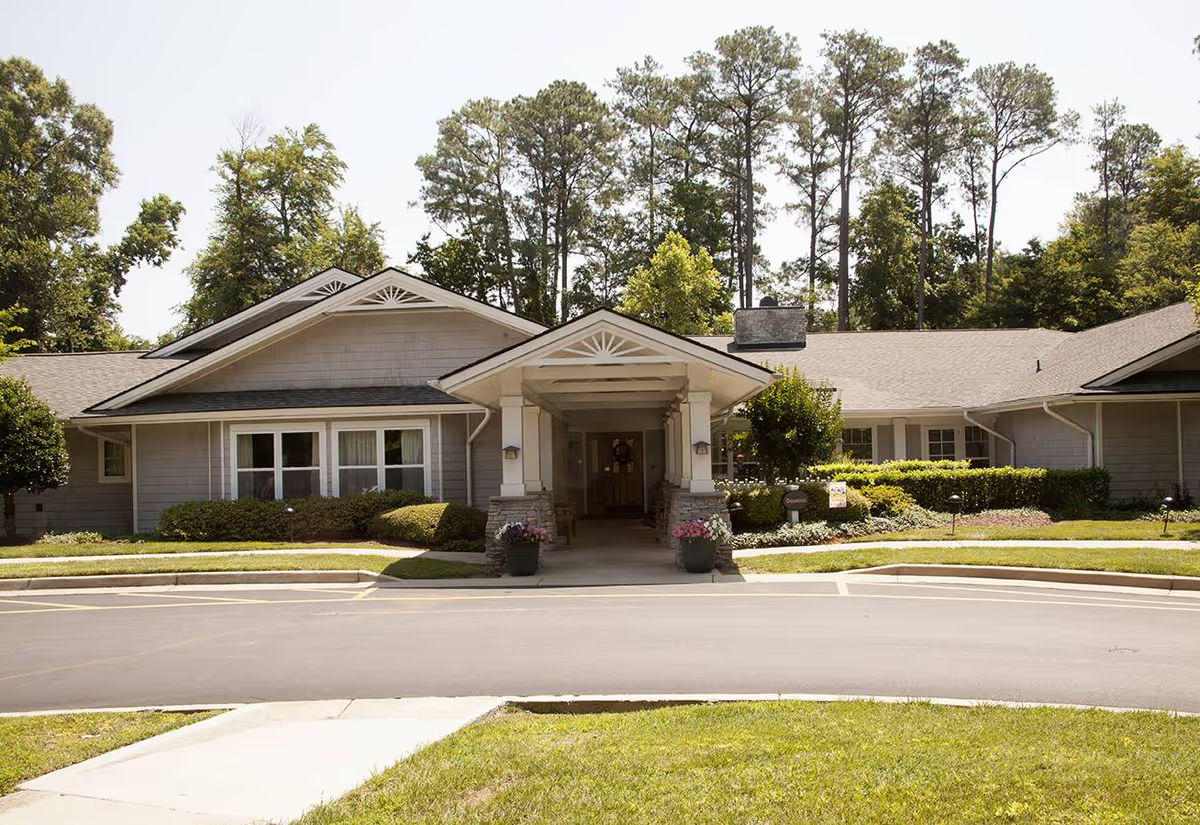
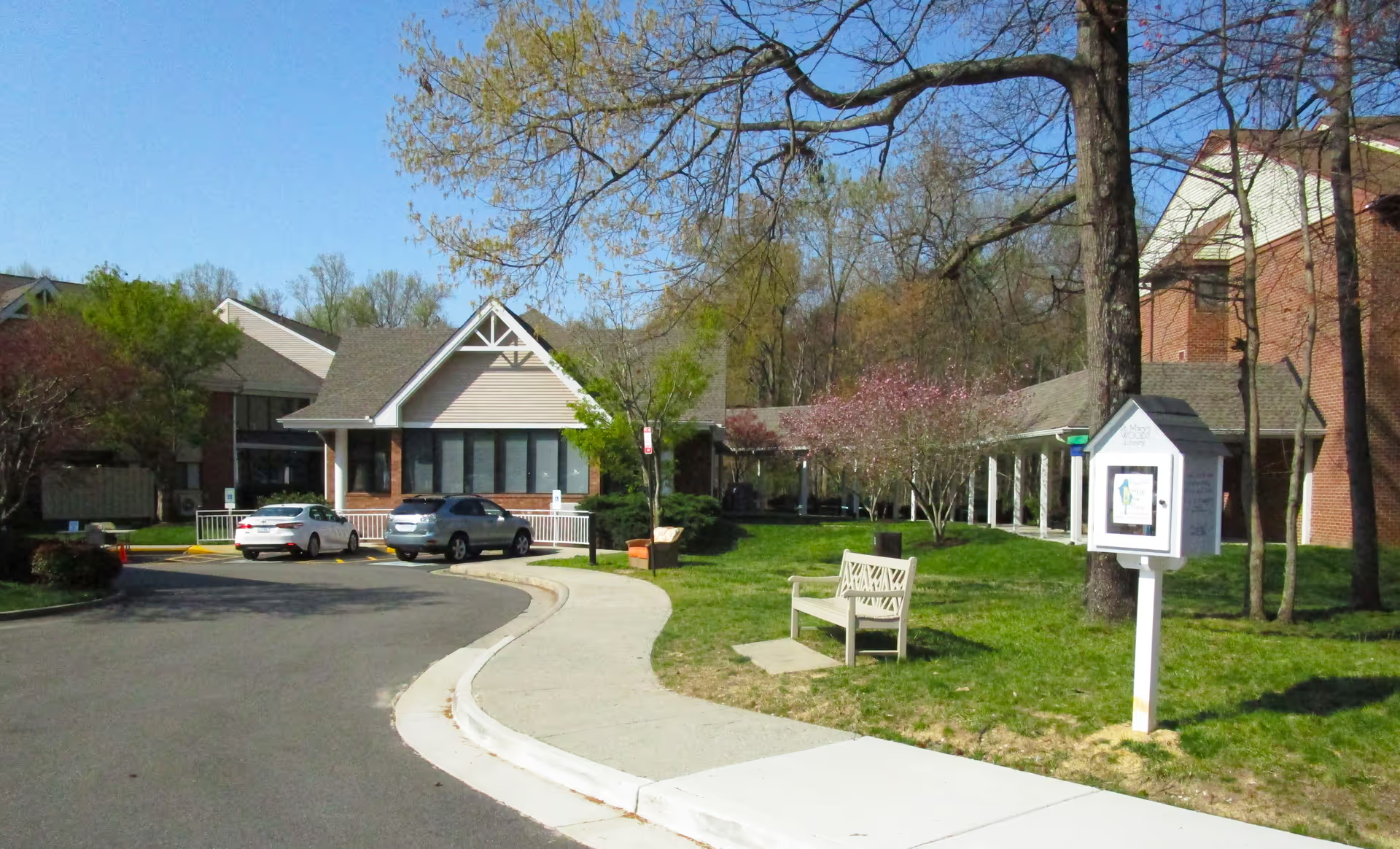
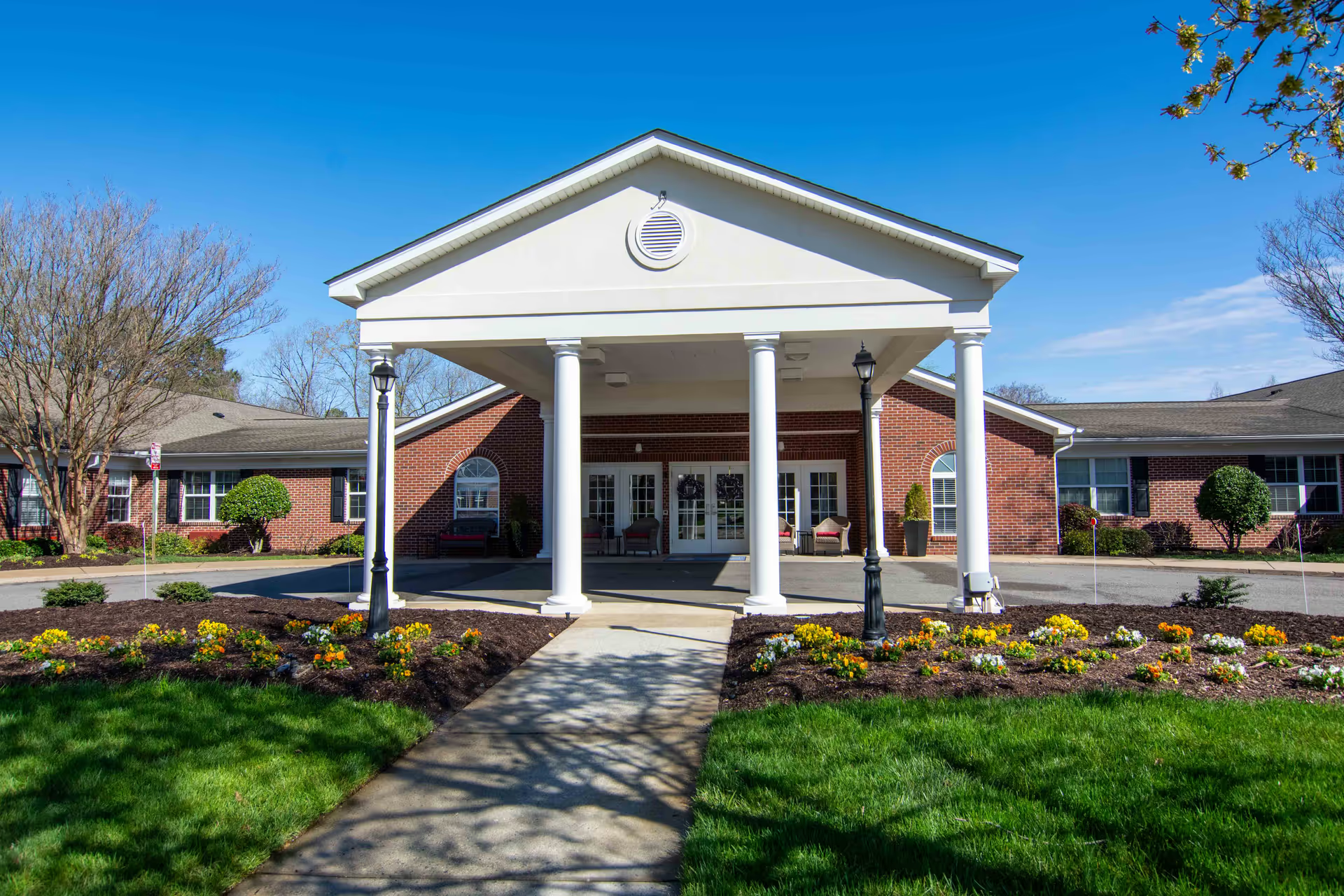
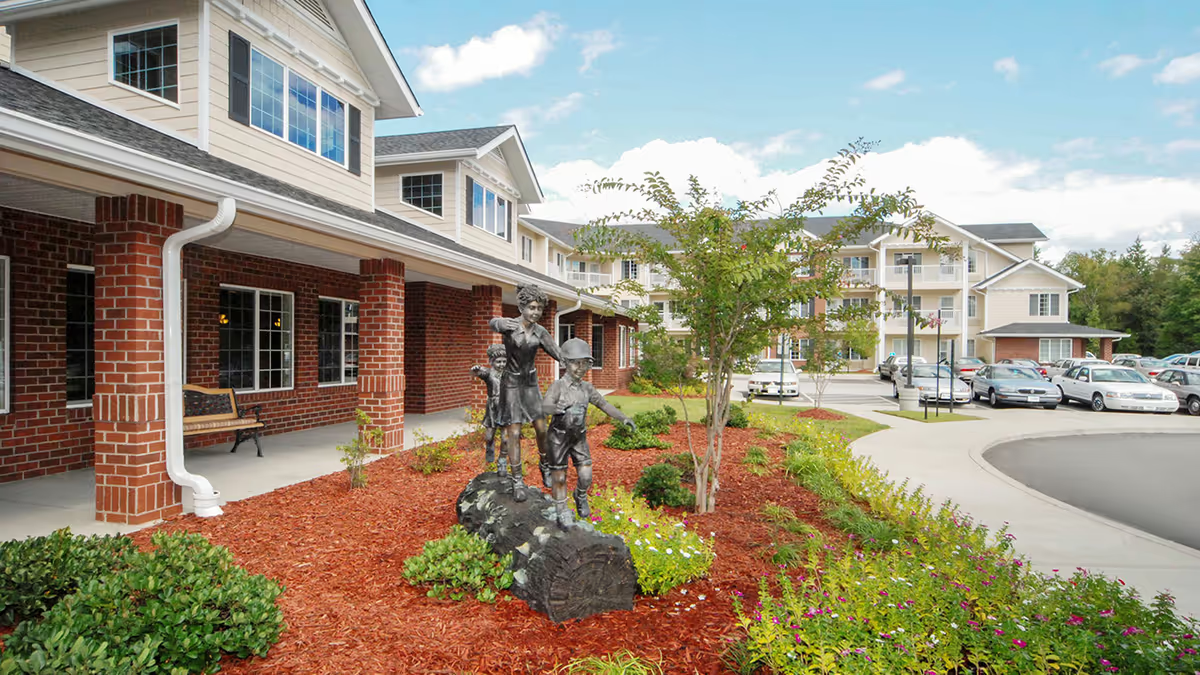
The facility’s physical environment and food service received mixed comments. Several reviewers described sanitation and odor concerns in rooms and common areas, as well as maintenance issues consistent with an older building undergoing partial renovation. Meal quality was described inconsistently: some families praised specific dishes and the efforts of dietary staff, while others described meals as unpalatable or poorly presented and noted interruptions in food-service continuity.
In summary, the facility appears to offer effective rehabilitative services and has engaged dietary and activity staff who provide meaningful programming for some residents. At the same time, there are persistent operational weaknesses—particularly in staffing consistency, medication management, responsiveness to care calls, discharge processes, and facility upkeep—that have negatively affected families’ experiences. Prospective residents and families should weigh the strengths in therapy and activities against the reported variability in day-to-day nursing care, responsiveness, and environmental maintenance. An in-person visit, direct questions about staffing ratios and medication/discharge policies, and conversations with the therapy and nursing leadership may help clarify whether the facility’s current operations match a family’s expectations and care needs.