Avalon Health & Rehabilitation Center Pasco presents a mixed profile: its rehabilitative services and activity programming are consistent strengths, while nursing coverage, management communication, and some operational controls raise recurring concerns.
Care quality: The facility's physical and occupational therapy departments receive frequent praise for effective, daily therapy that contributes to measurable recovery. Many reviewers describe rehabilitation as a primary strength and credit therapists and therapy aides with responsive, goal-oriented care. At the same time, there are recurring operational concerns in clinical care continuity: reviewers described delayed medication administration, delayed or inconsistent wound care, and uneven responsiveness to call lights. These patterns point to variability in bedside nursing practices and medication/wound-management follow-through rather than a uniform level of clinical performance.
Staff: Frontline staff — particularly nursing assistants, select nurses, therapists, and support staff — are often described as compassionate, respectful, and welcoming to families. Several reviewers named specific employees as examples of positive interactions. However, staffing reliability and supervisory support are inconsistent. Reports indicate intermittent nursing coverage, limited medical-staff availability, and variable bedside manner among some nursing staff. There are also concerns about a workplace culture where grievances are not always resolved to families' satisfaction and where some feel hesitant to raise issues.
Dining and activities: The activities program is a clear asset: the facility offers a variety of daily and special-event programming (movies with popcorn, crafts, music, cultural events and festivals) and animal-assisted sessions that many families found meaningful. Dining is generally described as nutritious and adequate for rehabilitation needs, but reviewers note inconsistent food appeal and instances where dietary restrictions were not fully accommodated. Meal service timing and organization in the dining room were sometimes described as slow or disorganized.
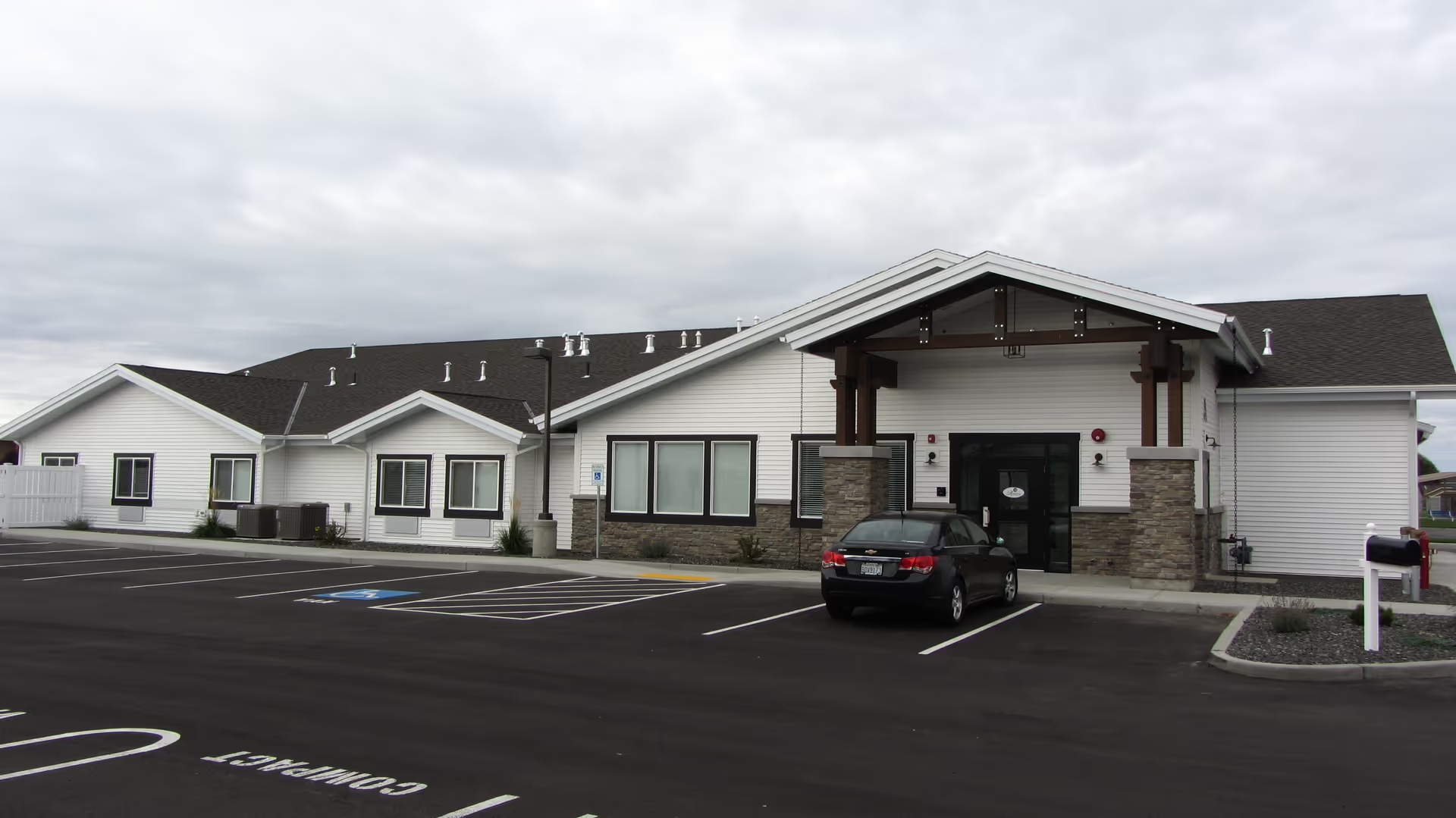
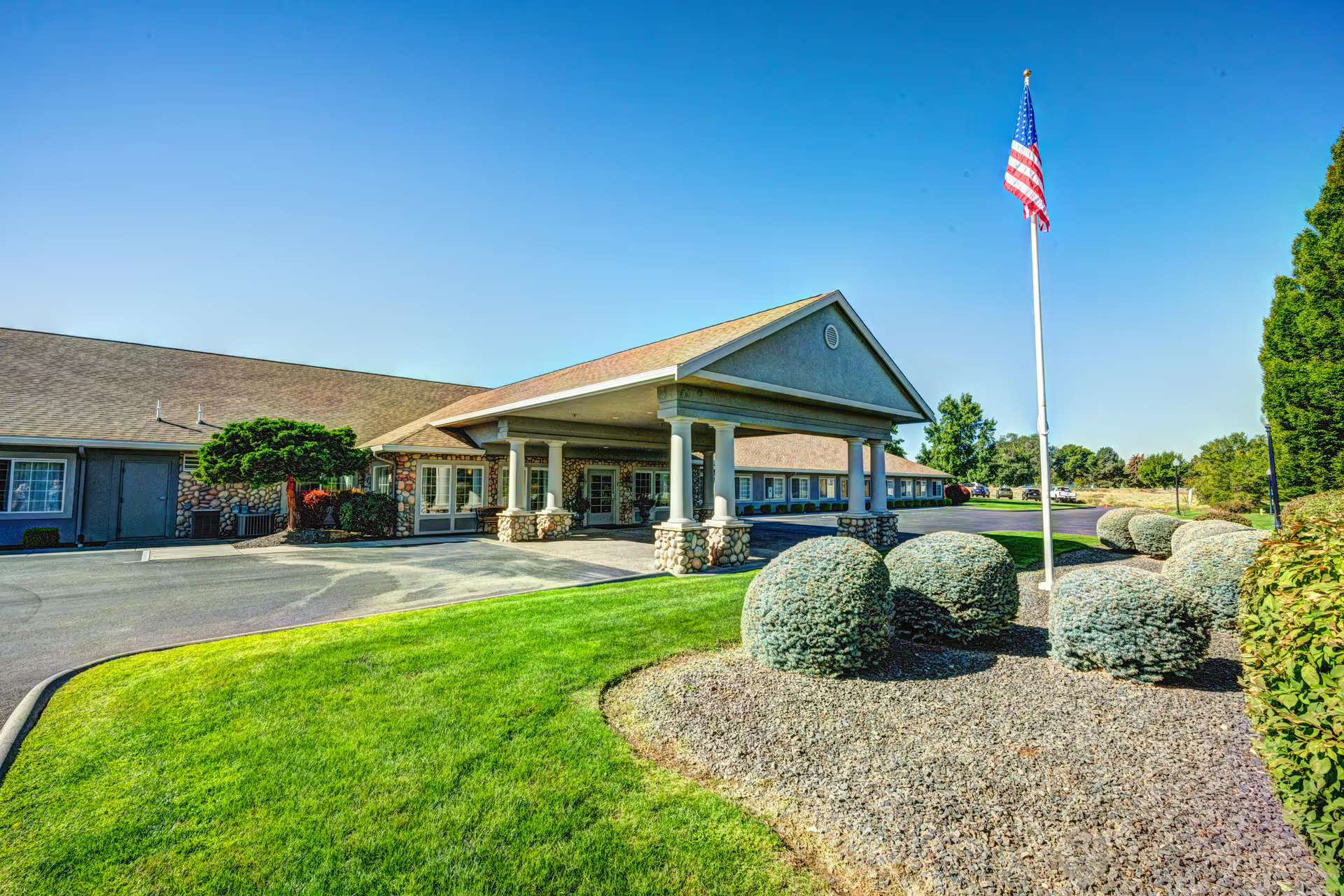
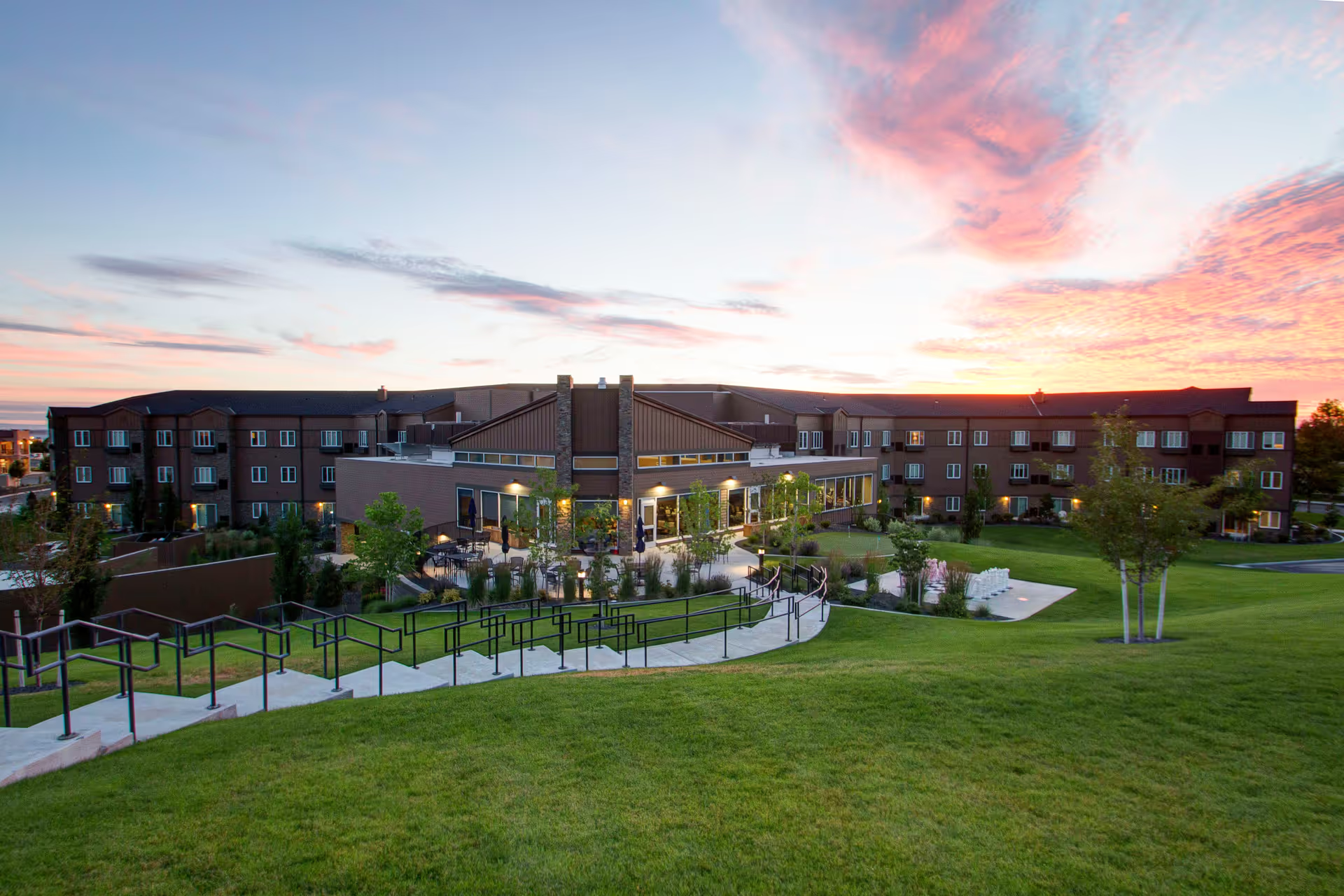
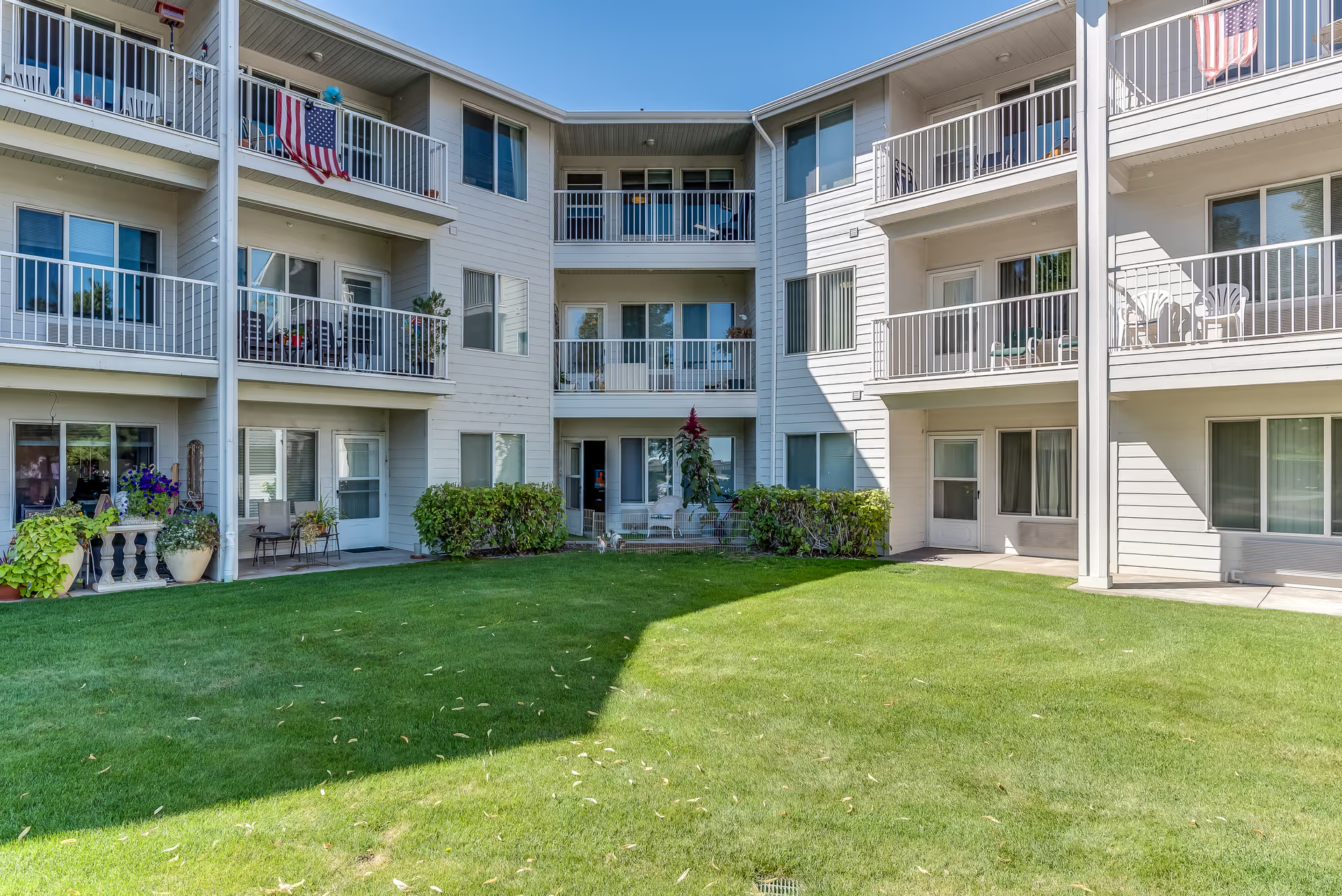
Facilities and operations: The building is described as older but generally clean and maintained, with private, roomy accommodations available. Housekeeping and laundry services receive favorable comments for regular work. Operational weaknesses appear in equipment management (lost wheelchairs or walkers), parcel and personal-belongings handling, and occasional sanitation or odor concerns in select areas. Transfer and lift-use practices were highlighted as an area for improvement, suggesting a need for stronger transfer-safety protocols and staff training.
Management and communication: A notable pattern is uneven leadership responsiveness. While frontline staff often provide prompt updates, reviewers report weak communication and follow-through from administration on complaints, discharge planning, and pharmacy coordination. There are specific accounts of discharge medication availability problems and unresolved personal-property issues; these indicate gaps in coordination across clinical, pharmacy, and administrative processes. Additionally, some families perceived a culture where raising concerns led to unsatisfactory responses or fear of retaliation.
Notable patterns and guidance: Prospective residents and families should weigh the strong rehabilitative offerings and active engagement program against persistent operational concerns in nursing coverage, medication/wound continuity, equipment handling, and management responsiveness. Asking targeted questions during tours — for example, about nurse-to-resident ratios, call-light response times, wound-care protocols, transfer-training, procedures for lost property and discharge medication coordination — and seeking recent quality or inspection reports will help clarify whether the facility’s strengths align with individual care needs.