Overall impression is mixed: many family accounts praise the staff, therapy services, and social environment, while a distinct set of concerns focuses on operational reliability and facility upkeep. Strengths consistently cited include compassionate, communicative caregivers, effective rehabilitation and wound care when available, orderly communal spaces, and active programming that fosters a family-like atmosphere. Several families emphasized long staff tenure, professional administration engagement, and reliable medication and meal service as reasons for satisfaction.
Care and clinical services show a divided picture. Positive experiences highlight attentive nursing, good rehab outcomes, and clear family communication. Conversely, there are recurring concerns about delays in attending to basic care needs (characterized here as incontinence-care delays and responsiveness gaps) and a perceived limitation in therapy intensity or duration that some families believe hindered functional progress. There are also statements indicating inconsistent clinical scope for managing acute illnesses, prompting family members to question when higher-level medical intervention or transfers are indicated.
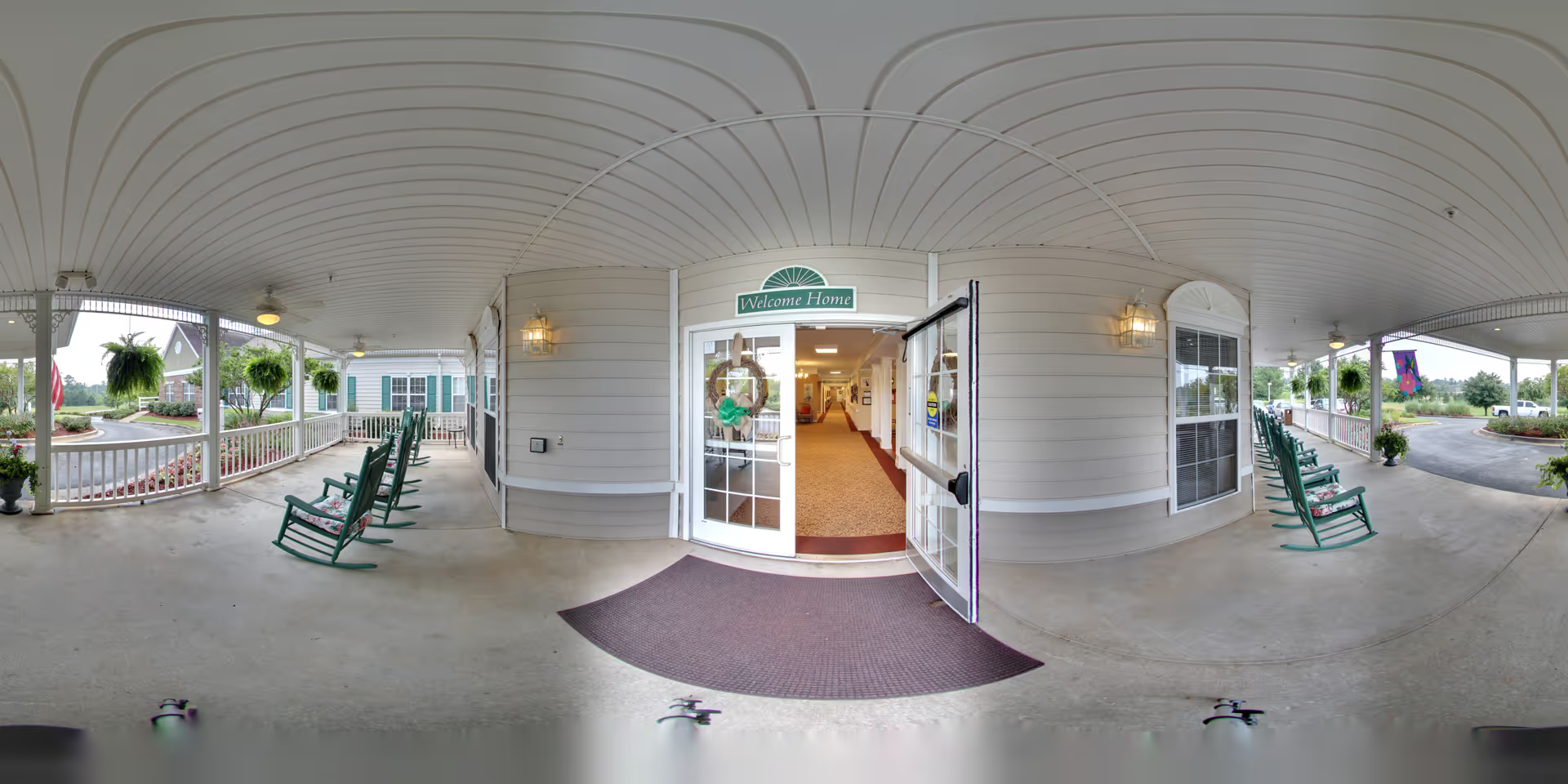
Dining, activities, and social programming are frequently described positively. Meals are described as consistent and nourishing, with the facility running structured activities, seasonal decorations, and group events that families find engaging. Common areas and shared dining spaces are often reported as clean and welcoming, contributing to a respectful, social environment for residents.
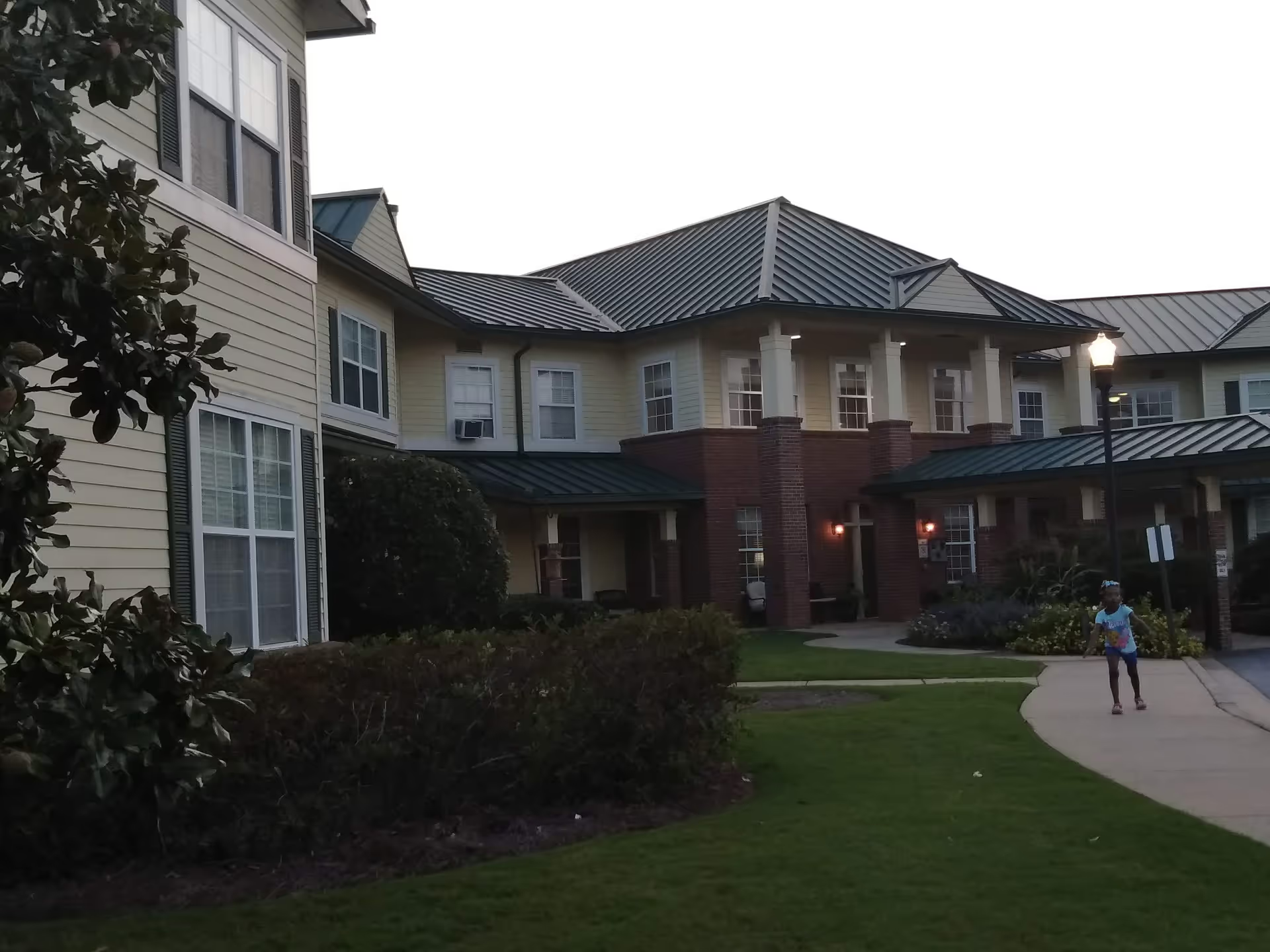
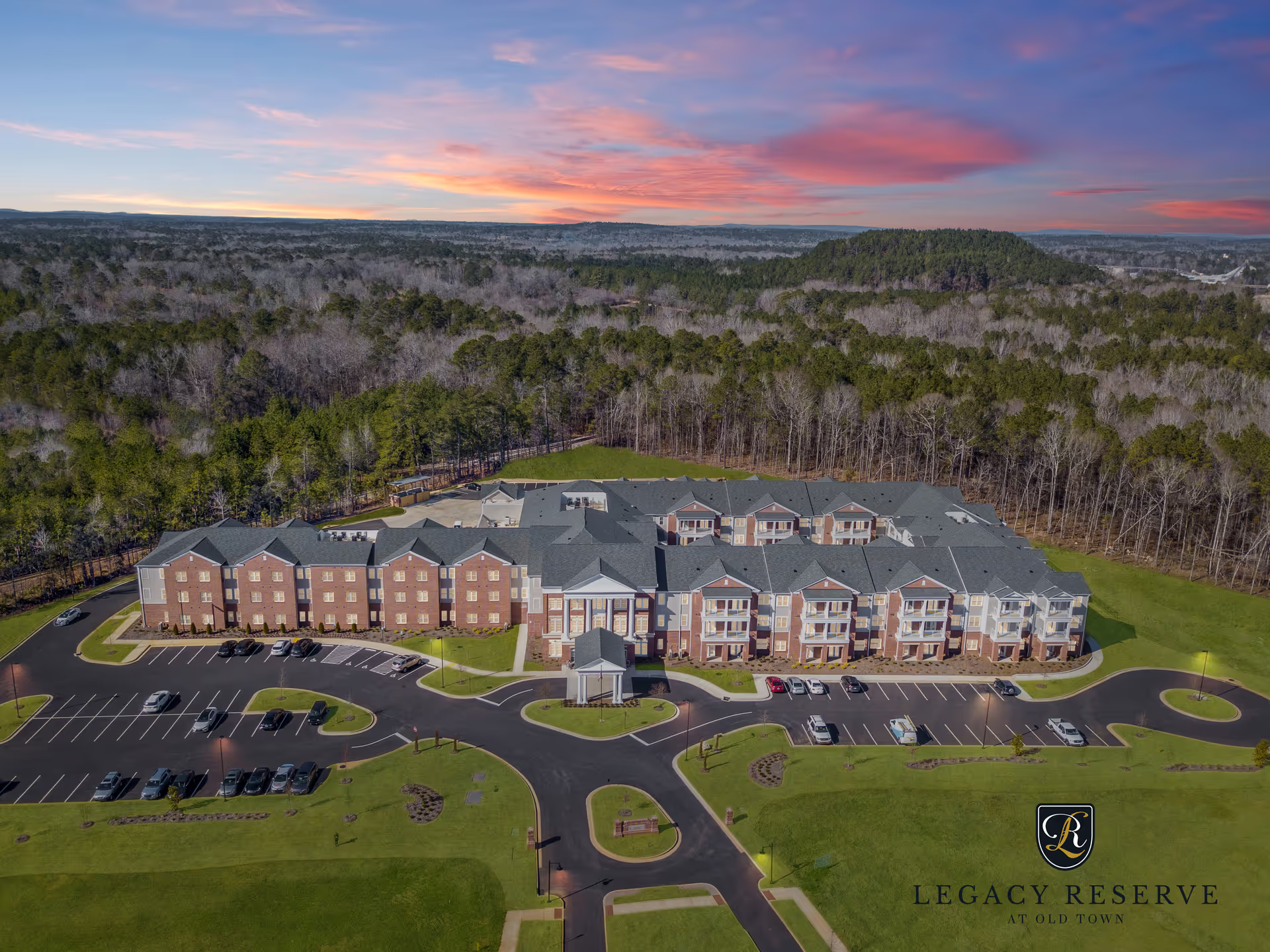
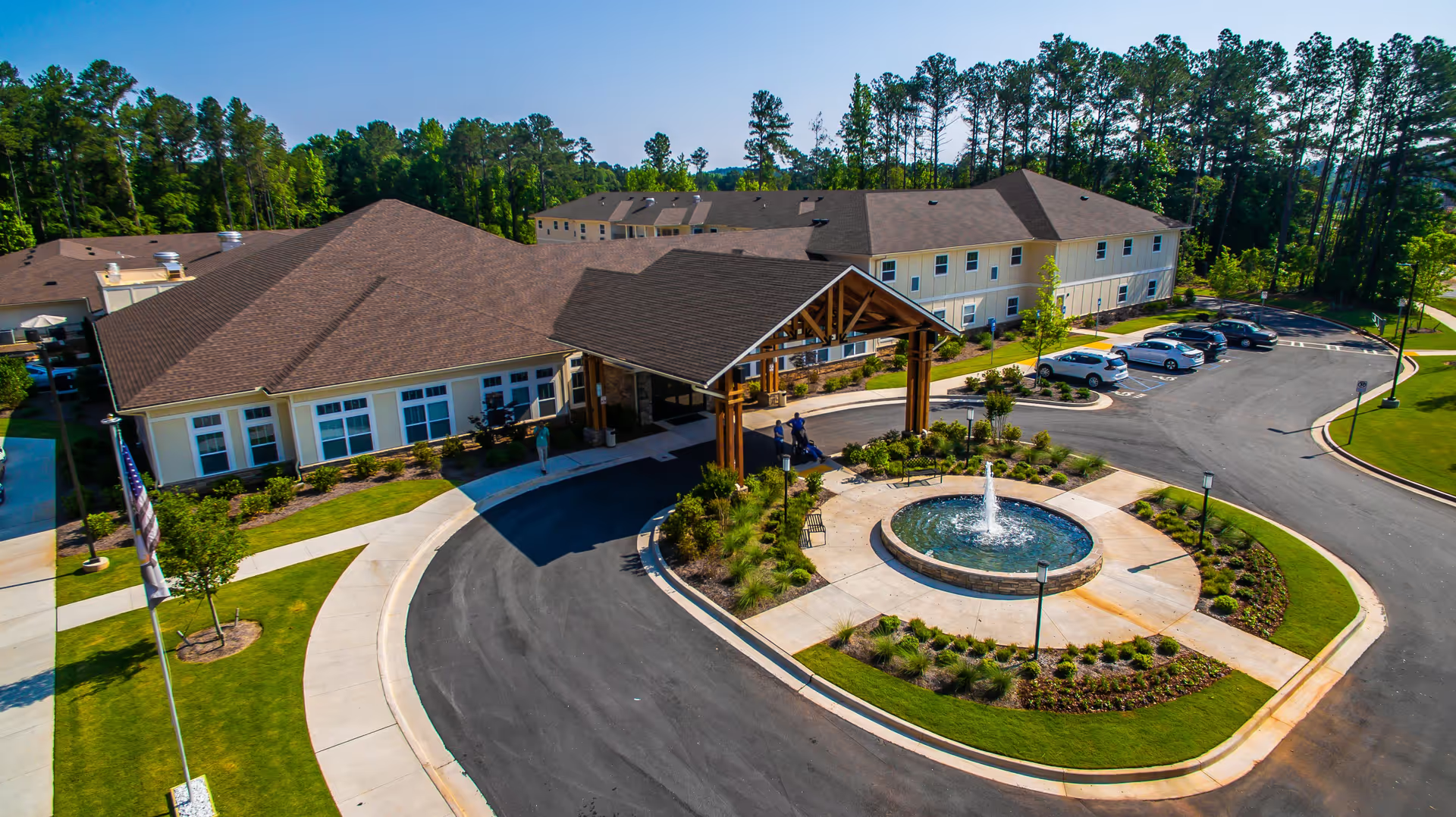
Facility condition and operations show variability. Many reviews describe clean, updated areas, but other accounts raise facility maintenance concerns, localized odor issues, and ongoing noise from alarms or machines that can contribute to a stressful environment. Operational weaknesses also include laundry and personal clothing management problems, billing and insurance-coverage confusion, and barriers or difficulties in coordinating transfers to other placements. These items point to process and systems gaps rather than uniform staffing intent.
In summary, the facility appears capable of delivering high-quality interpersonal care, therapy, and social programming in many instances, with particular strengths in family communication and rehabilitation when those services are fully implemented. However, prospective residents and families should probe consistency and operational reliability: ask about staffing ratios and response-time standards, incontinence-care protocols, therapy frequency and measurable goals, laundry and personal-property procedures, maintenance schedules and noise-reduction measures, billing practices, and transfer/acute-care pathways. Observing the facility at different times of day and confirming written policies can help clarify whether the positive practices are consistent across shifts and units.