The reviews reflect a facility with notable strengths in direct caregiving and therapy but also with recurring operational weaknesses. Many families described individual staff members—particularly CNAs and therapists—as compassionate, respectful, and highly committed. These caregivers are credited with providing dignified, person-centered interactions, helping residents regain independence, and offering emotional support to families during transitions. A number of accounts highlight efficient coordination for acute events and hospital transfers, and some families praised the facility’s willingness to accommodate special arrangements at admission.
At the same time, a pattern of inconsistent care quality is evident. Reviewers described gaps in routine personal-care tasks such as bathing, oral care, and timely assistance with incontinence needs. Pain and clinical symptom management were also mentioned as uneven. These concerns often co-occur with staffing-related issues: understaffing, shift coverage problems, and elevated staff turnover were cited as factors that appear to contribute to delays and variability in day-to-day care.
Dining and activity experiences are mixed but include positives. Several families praised the meals, and therapy services were frequently noted as effective in promoting independence. However, some reviewers indicated residents were not proactively taken to activities unless a family specifically requested it, suggesting inconsistent activity engagement—particularly for residents with cognitive impairment who may need staff-initiated support to participate.
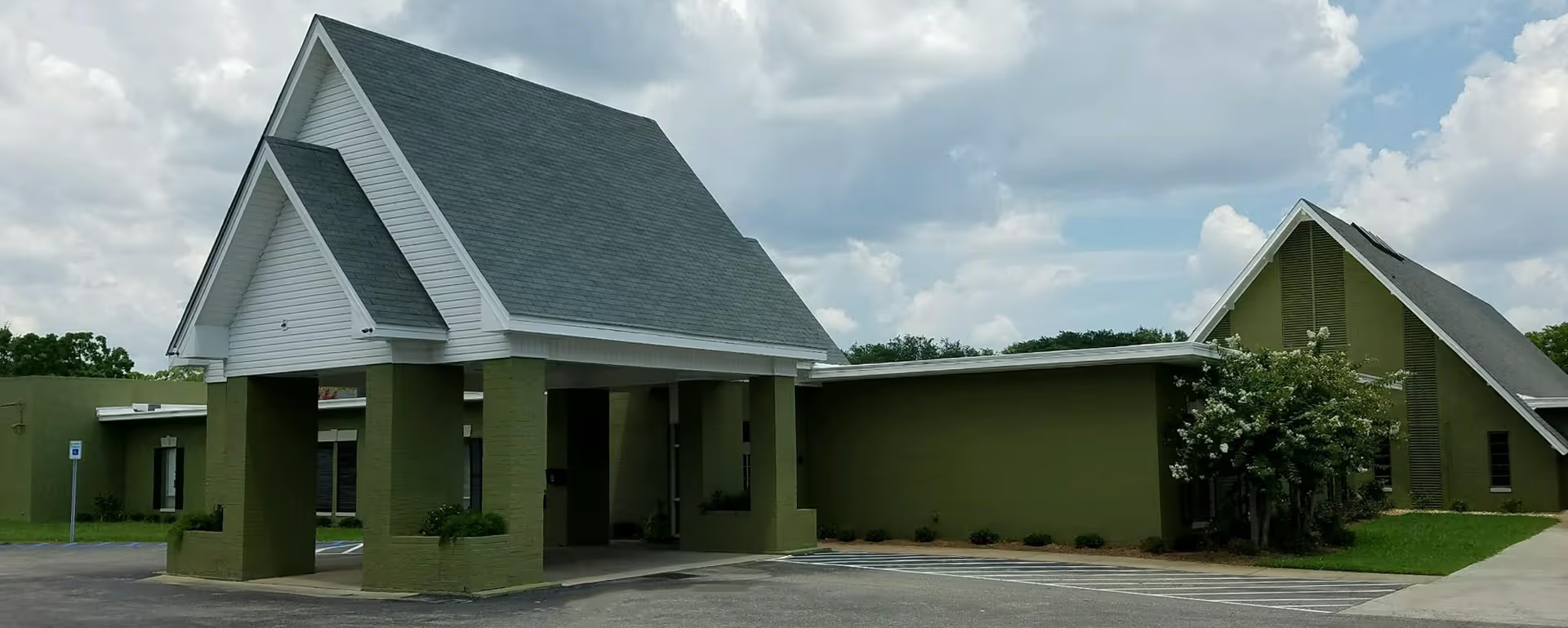
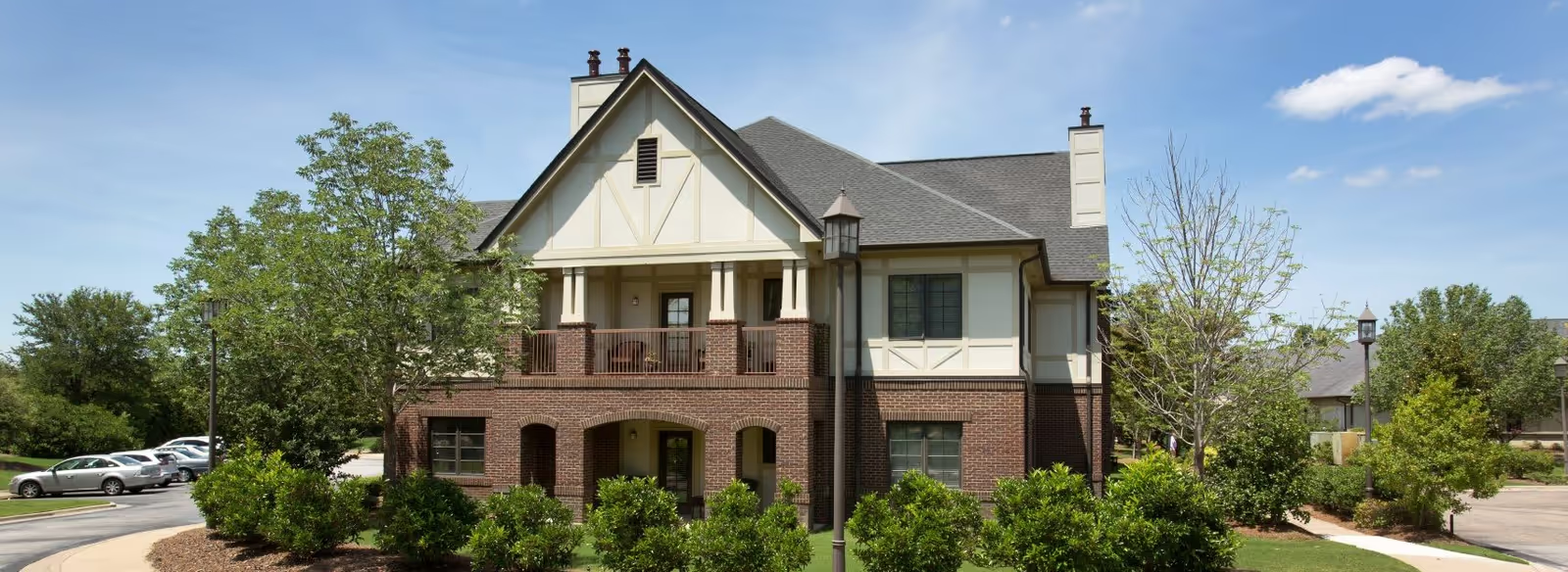
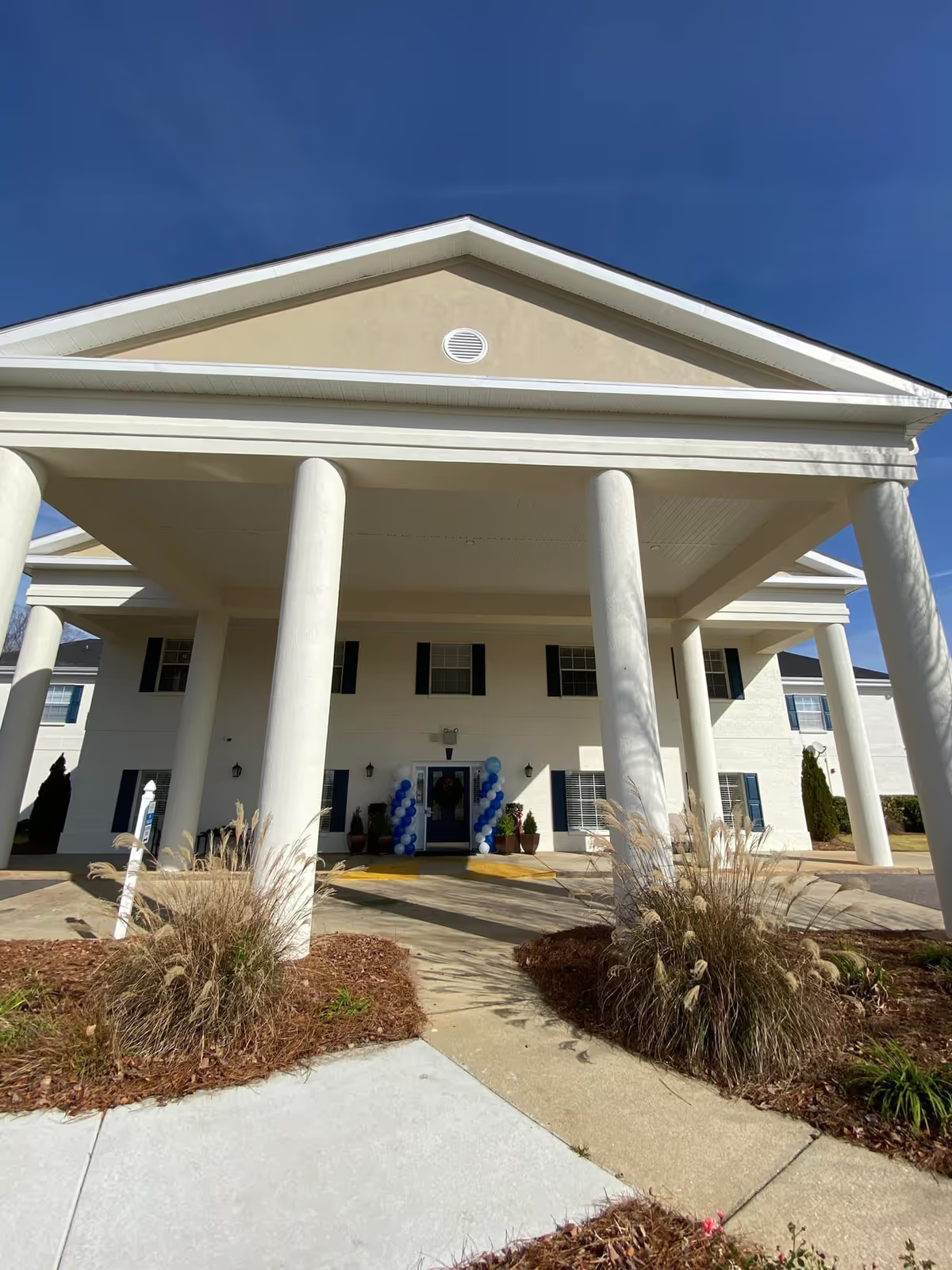
Facility and housekeeping issues were another recurring theme. While some families experienced clean, welcoming rooms, others reported housekeeping and sanitation lapses and problems with laundry and linen management (missing or delayed items). In multiple accounts, there were episodic maintenance events—flooding or drainage/utility problems—and comments that some rooms and common areas are outdated and in need of upgrades. Access-control and front-door responsiveness were also flagged as operational inconveniences.
Management and communication present a mixed picture. Positive interactions and accommodating responses were noted by some families, but others described poor responsiveness to calls, mishandled incidents, and concerns about administrative attention to recurring problems. The overall impression is of a facility where strong individual staff members can provide excellent, compassionate care, yet system-level deficits—staffing consistency, housekeeping protocols, maintenance, and family communication—lead to widely variable experiences.
For prospective residents and families: consider an in-person visit focused on staffing levels, laundry and housekeeping processes, activity scheduling (especially for residents with dementia), medication and pain-management procedures, and recent maintenance history. Ask for specifics about staffing ratios, turnover, and how the facility handles emergency maintenance and sanitation events. Observing mealtime, an activity period, and speaking directly with therapists and front-line caregivers can help clarify whether the facility’s strengths in individualized care are matched by reliable operational practices.