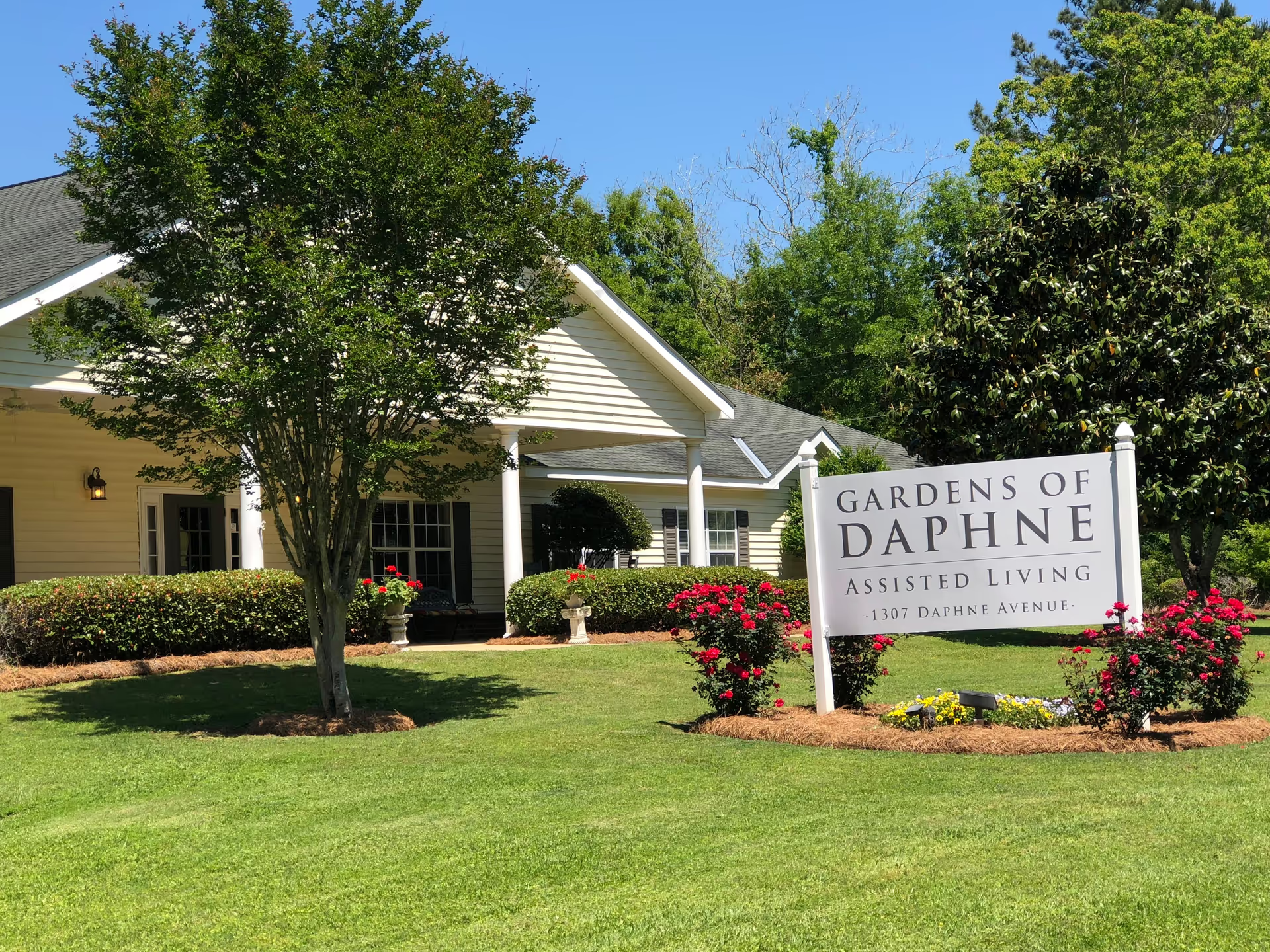
Reviews of Azalea Health and Rehab are mixed, with clear examples of competent day-to-day care alongside multiple operational concerns that families should evaluate before placement. Several accounts highlight individualized strengths—particularly specific nurses and aides who provided attentive support, an accessible rehabilitation program for some residents, 24-hour nursing coverage, and active recreational offerings such as bingo. Some families also noted a relatively smooth transition process on admission and practical services like clothing/linen assistance.
Care quality appears inconsistent. Positive experiences with rehabilitation and routine assistance contrast with accounts of gaps in clinical oversight and wound-management practices. Reviewers described delays in physician access and in medical documentation, inconsistent turning and personal-care routines, and concerns about hydration and nutrition monitoring. These issues were sometimes associated with infection-control and pressure-injury risk. Where therapy was contracted, families noted variability in availability and that promised services were not always fulfilled.
Staffing and communication present two opposing themes. Many reviewers praised individual caregivers for being kind, helpful, and responsive. At the same time, staffing shortages and workload strain were common concerns; understaffing was linked by reviewers to slower responses, inconsistent personal care, and communication breakdowns. Families also described variable staff professionalism and occasional poor interactions with social-work or administrative personnel. Communications with families about resident status and incident follow-up were frequently described as inconsistent.
Dining and activities reflect similar variability. Several families described small or inconsistent meal portions and uneven dining experiences, while others appreciated the social programming and the opportunity for residents to remain engaged. Activities and supportive assistants were among the facility’s positive features when present.
The physical environment and management practices raise additional considerations. Multiple reviewers characterized the facility as dated and under-resourced, citing maintenance and cleanliness concerns in some areas. Specific safety-related issues such as perimeter lighting and parking-lot visibility were noted. Administrative practices also drew critique: delays in records, uneven responsiveness to family concerns, and unmet expectations around contracted services contributed to dissatisfaction for some families.
Overall, the facility shows pockets of reliable, compassionate care and useful services, but also recurring operational weaknesses that affect clinical oversight, staffing, communication, and facility maintenance. Prospective residents and families should schedule an in-person tour, ask about current staffing ratios, wound-care protocols, physician coverage and documentation practices, therapy-contractor arrangements, meal plans, and incident-communication procedures. Verifying these operational details and speaking directly with nursing leadership can help clarify whether the facility’s strengths align with an individual’s care needs.