Overall impression: Feedback presents a polarized but consistent set of themes. Many families and residents describe Knollwood Pointe as a small, home-like community with compassionate staff, strong social engagement, and generally attractive, well-kept common areas. Meals and dining are frequently praised for quality and accommodation of dietary needs, and reviewers cite a high staff-to-resident ratio on many shifts, on-site nursing coverage, and a sense of safety and family-style living for a large number of residents.
Care quality and staffing: Clinical and caregiving experiences vary. Numerous comments highlight attentive, kind caregivers, individualized care plans, and 24-hour nursing; these accounts point to meaningful improvements in resident wellbeing for many. Conversely, there are recurring operational concerns: inconsistent staffing levels, nursing turnover, and variable skill among nursing personnel that have contributed to delayed responses, missed or inconsistent personal-care practices (for example, bathing and incontinence-care scheduling), and the need for families to check in frequently. There are also isolated allegations of serious staff conduct; in at least one instance management took disciplinary action promptly. These mixed patterns suggest that overall care quality depends substantially on current staffing and leadership stability.
Management, communication, and administration: Reviewers frequently cite leadership turnover and communication challenges. Families describe difficulty reaching staff by phone, uneven responsiveness to clinical questions or urgent needs, and unclear or changing policies. Financial transparency is another common issue: planned or recent rate increases (including a substantial percentage increase) and limited advance notice have raised concerns about value and predictability. Several comments describe a constrained maintenance budget affecting the timing of facility upgrades, with flooring, carpeting, and landscaping singled out as deferred projects.
Dining and activities: Dining is a relative strength—many residents and families praise the cuisine, accommodating dietitian, and adjustments for chewing or texture needs. At the same time, reviewers noted inconsistencies in meal service practices and timing (examples include missing utensils or delayed dessert service), which indicates variability in execution. Activities programming is described positively overall, with an engaged activity director, regular outings, games, and intergenerational events. Some families felt the memory-care track offered fewer structured activities beyond television, indicating unevenness between the assisted-living and memory-care experiences.
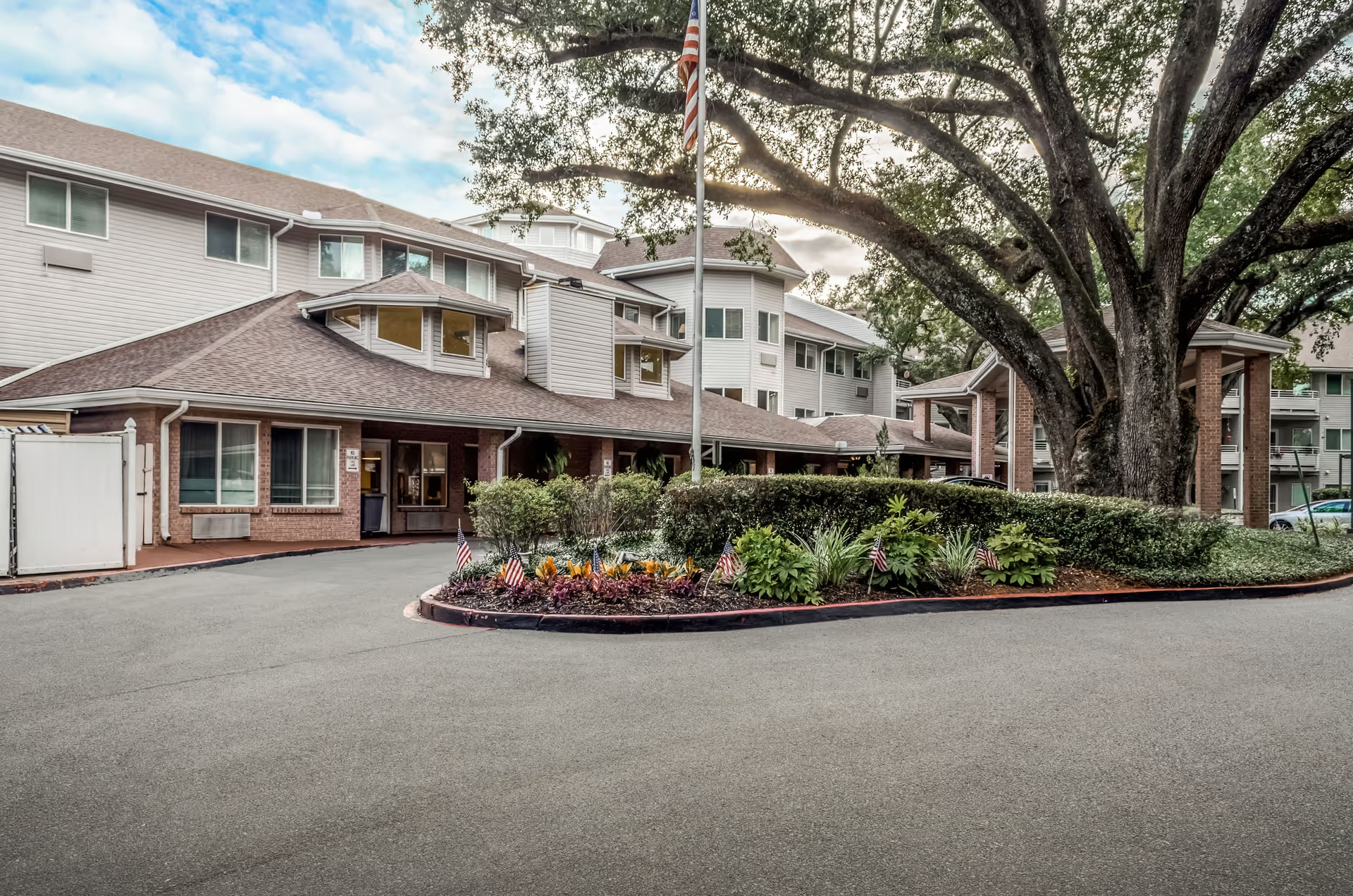
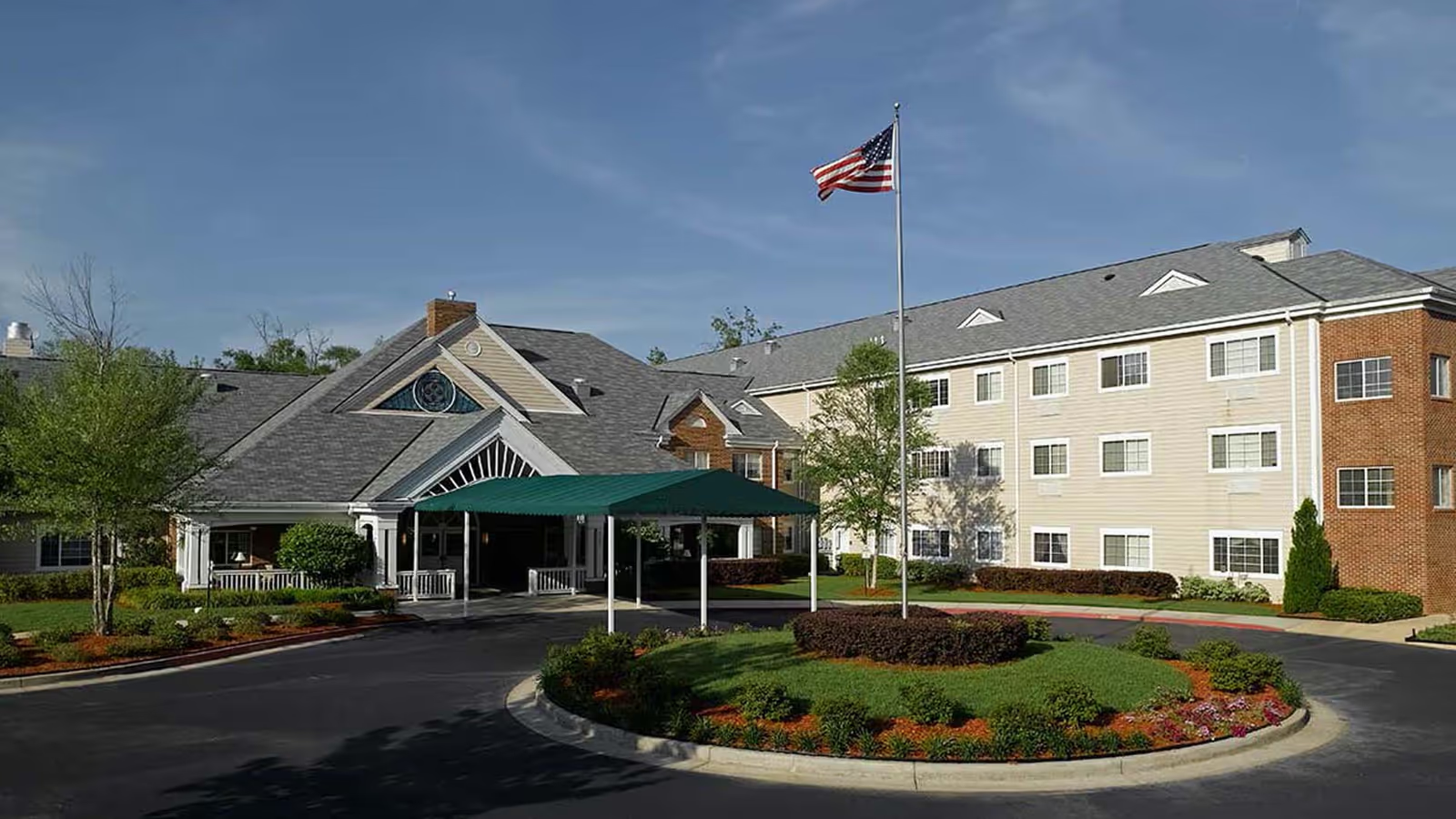
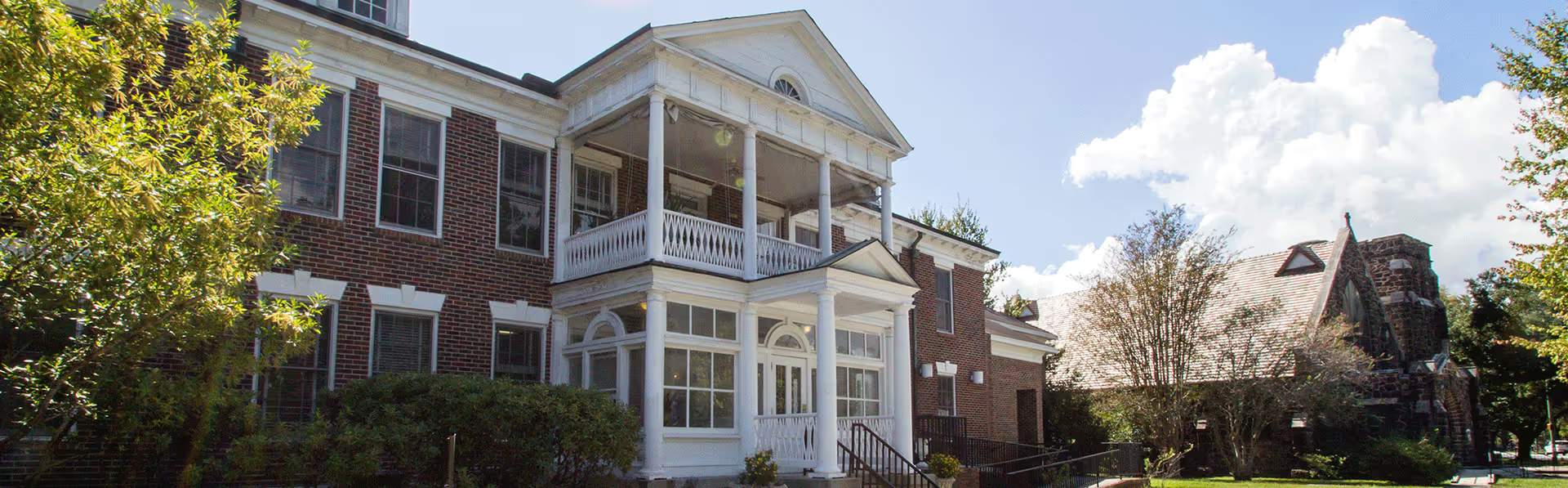
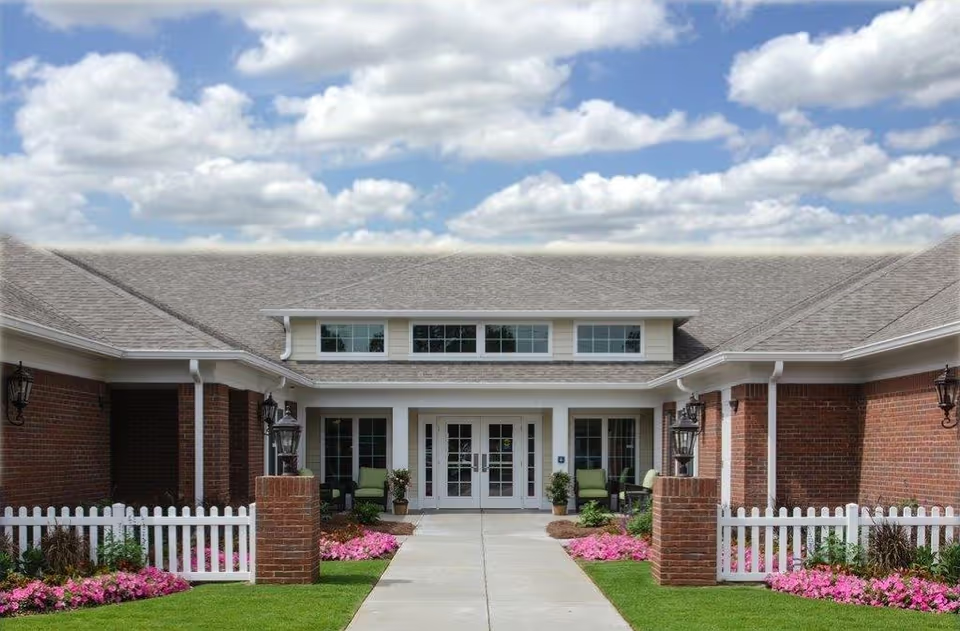
Facilities and safety: The physical environment is often characterized as attractive and home-like, with a pleasant courtyard, salon, and accessible rooms. However, there are repeated notes about specific maintenance and sanitation variability—areas described as dingy carpeting, localized sanitation concerns, and a need for flooring replacement. Memory-care security and supervision practices have been questioned in multiple comments (for example, opportunities for residents with dementia to enter others’ rooms and limited alarm or monitoring controls), implying an operational gap in unit protocols and staffing patterns when dementia symptoms are present.
Notable patterns and takeaways: The dominant pattern is a facility with clear strengths—compassionate staff, strong dining, engaging activities, and a small-community feel—that is nonetheless vulnerable to operational risks tied to staffing, leadership continuity, maintenance funding, and communication. Prospective families should weigh the frequent positive accounts of daily life and culinary offerings against the documented variability in clinical consistency, staffing reliability, and management transparency. For those considering placement, recommended due diligence would include asking about current staffing ratios and turnover, memory-unit supervision protocols, maintenance plans and timelines, contract/rate-increase policies, and direct examples of how the facility handles clinical incidents and family communication.