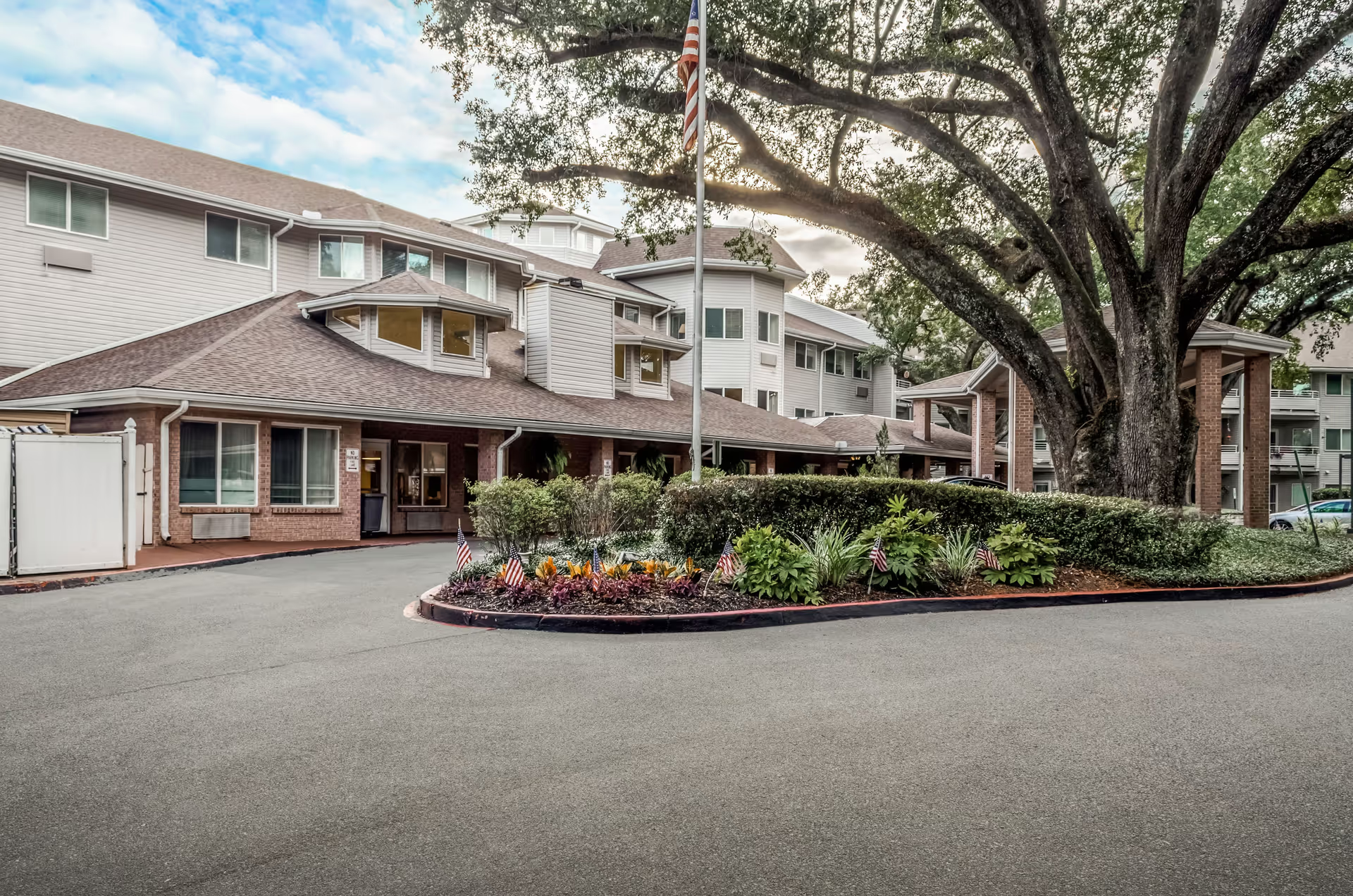
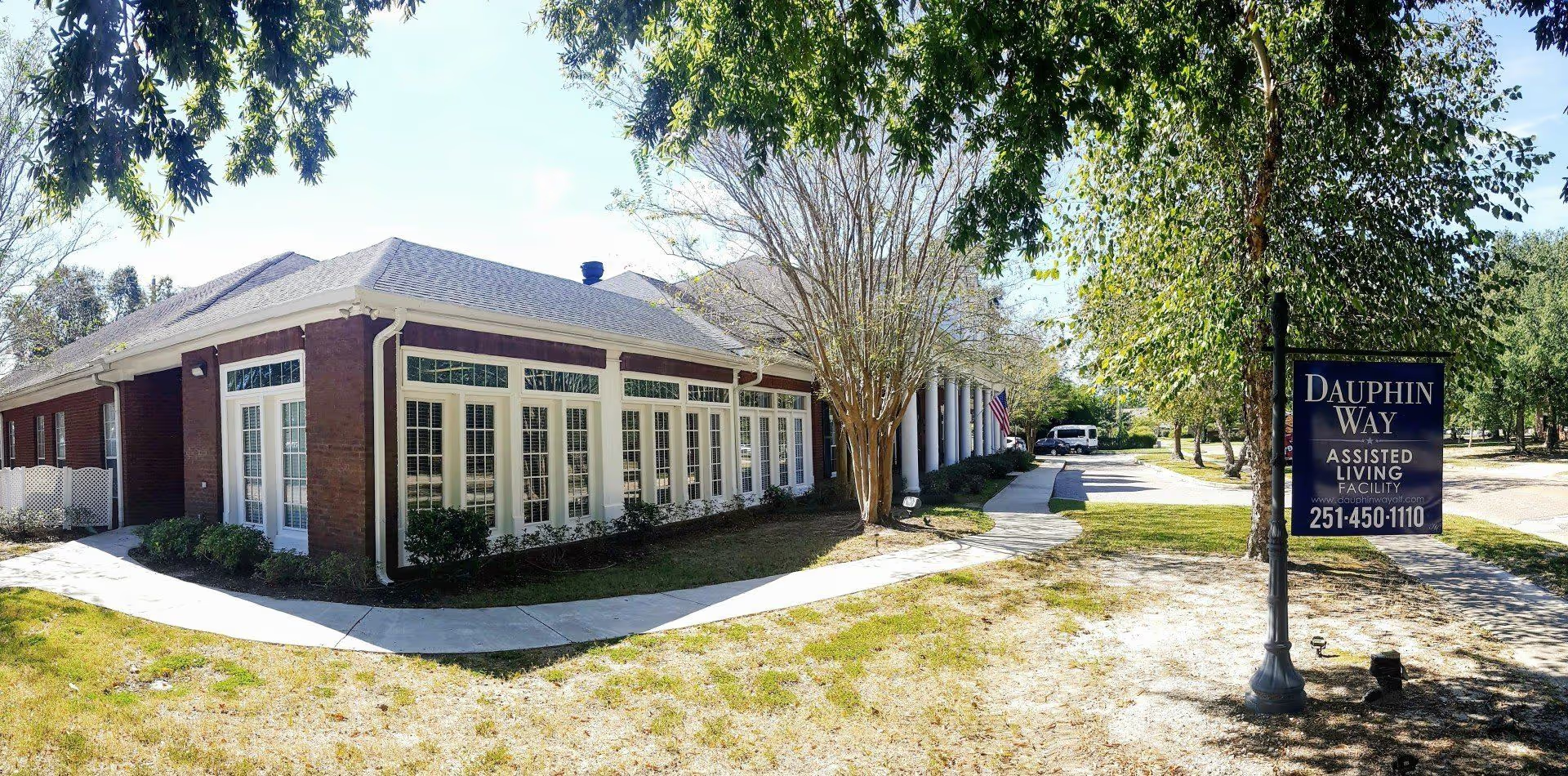
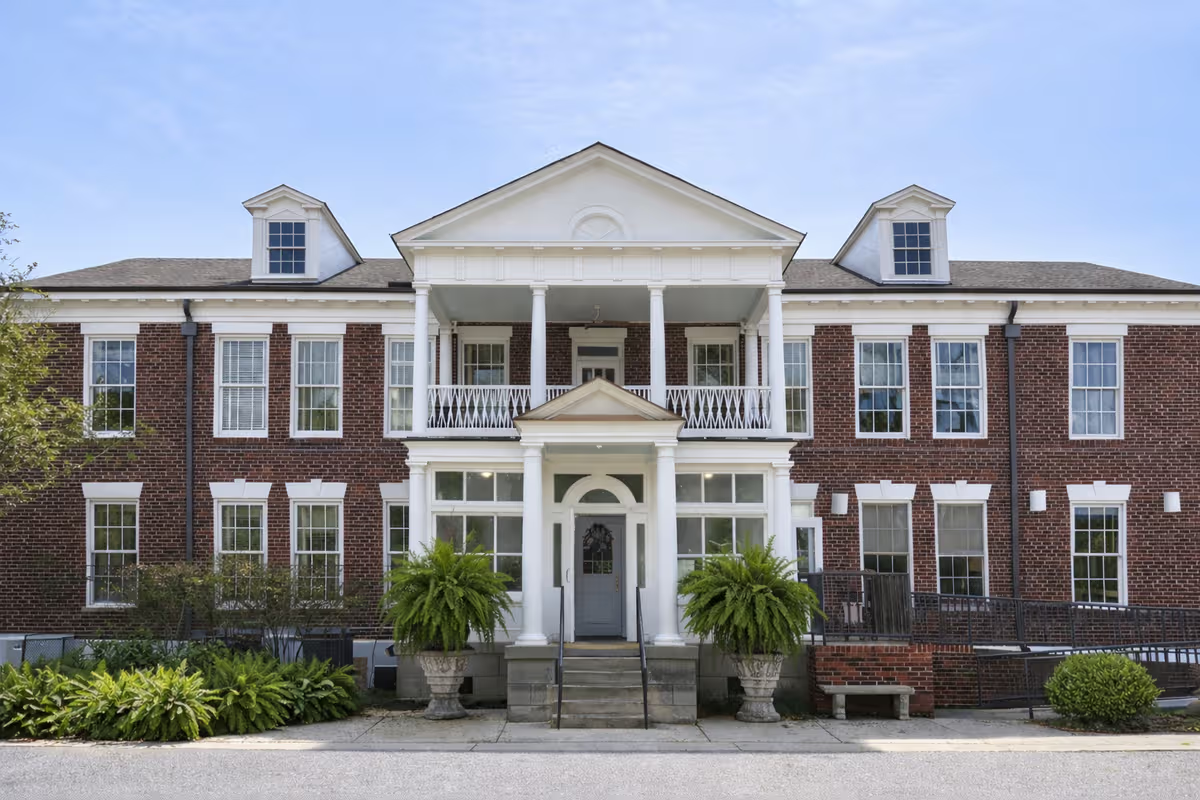
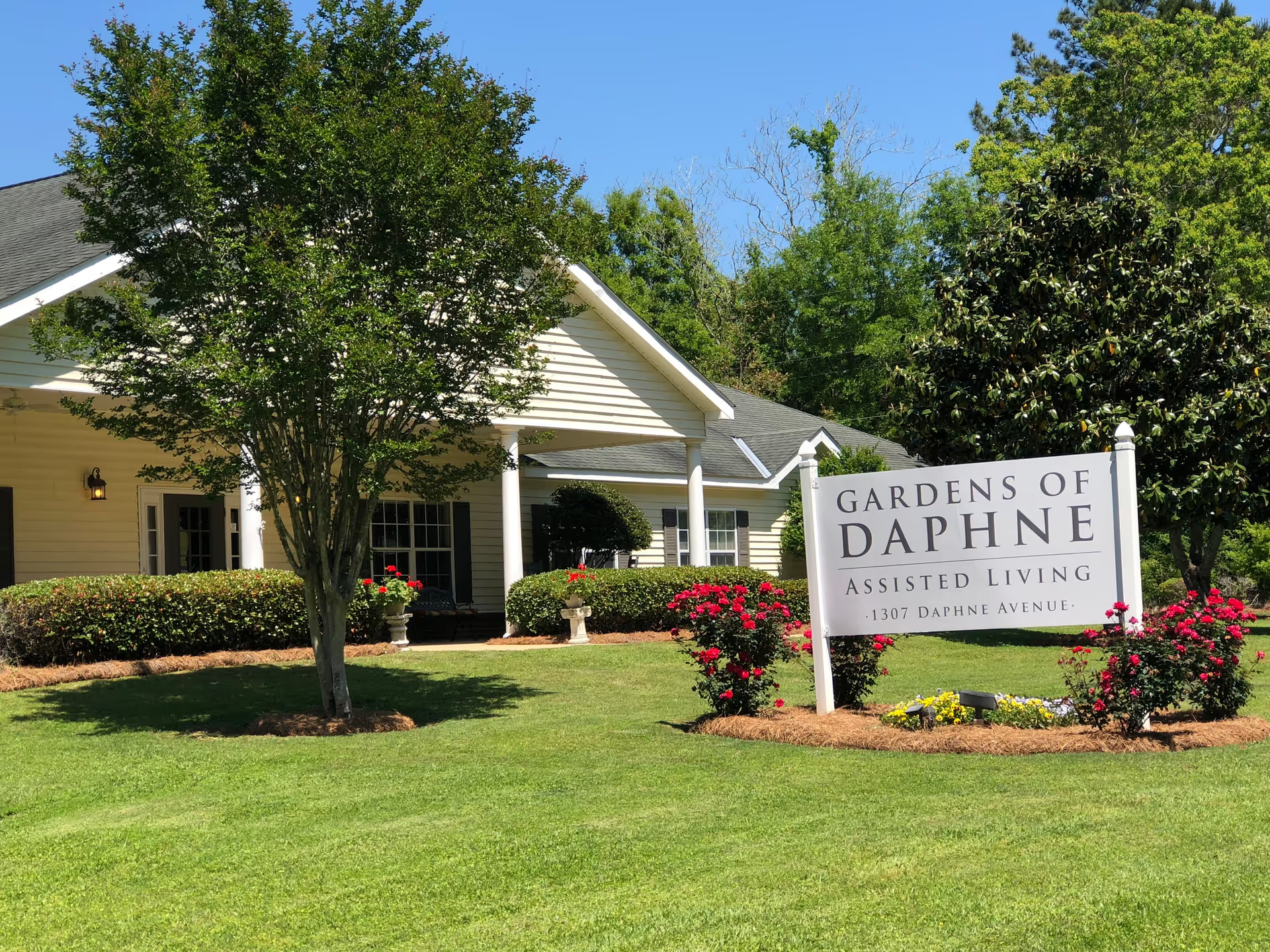
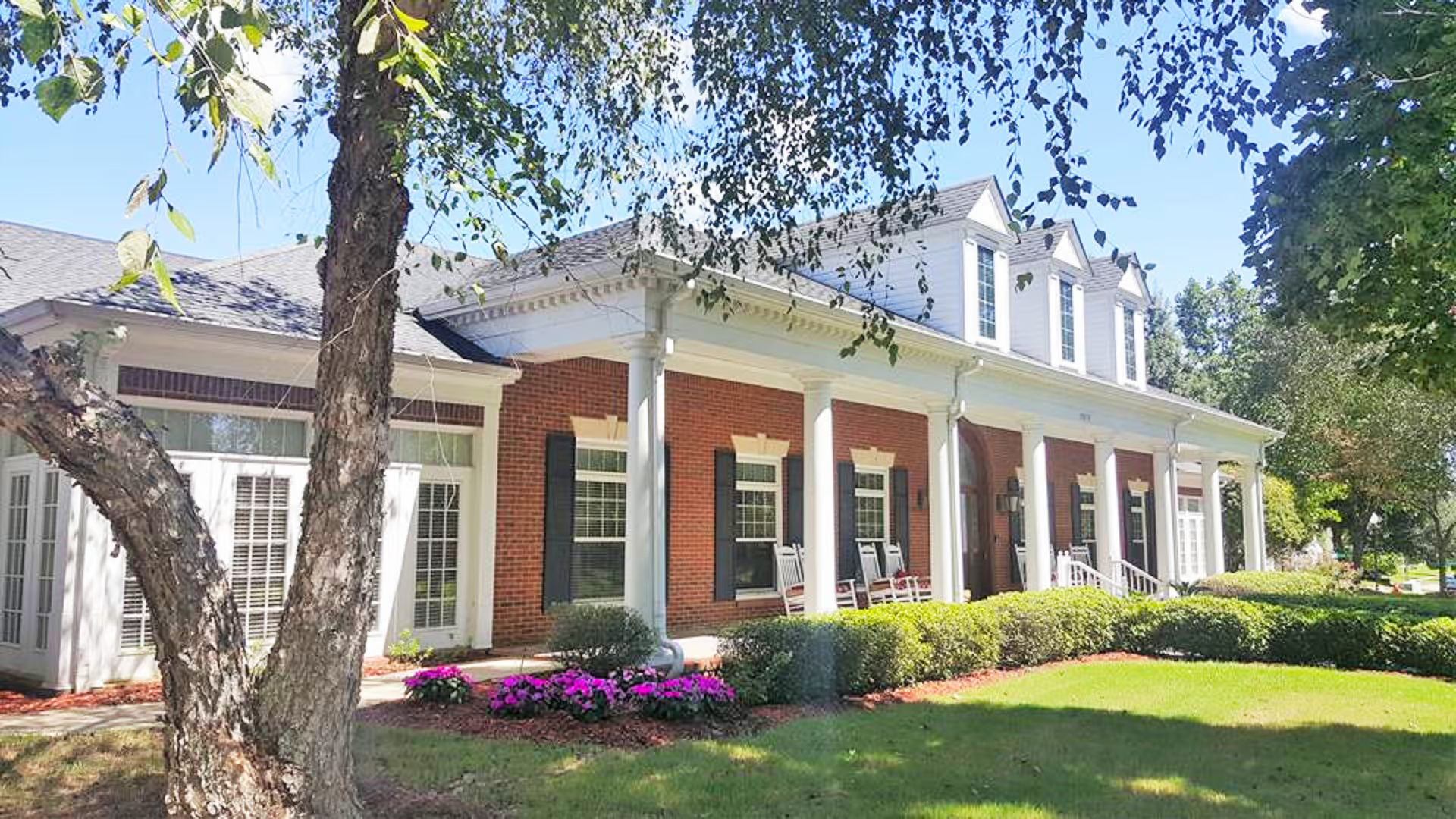
Kauhale Port City receives substantial praise for its staff-resident culture, physical environment, and programming. Many families describe caregivers as warm, attentive, and resident-focused; reviewers frequently note a welcoming, family-like atmosphere and long-tenured employees. The facility’s interior and grounds are commonly described as clean and well maintained, with spacious apartments (including kitchenette-equipped studios), attractive outdoor gardens and walking areas, and hotel-like common spaces. Laundry, housekeeping, transportation, and pet-friendly policies are additional operational strengths cited by residents and families.
Activities and social programming are among the facility’s stronger features. Reviewers consistently describe a full daily activity board, music and themed events (for example, holiday celebrations), scenic outings, and opportunities for social engagement that support friendships and community participation. Several comments highlight a meaningful positive impact on residents’ mood and overall well-being from this programming.
Dining and clinical care receive mixed-but-actionable feedback. Many reviewers praise accommodating meal service and staff responsiveness to diet needs, and some note recent improvements under new culinary leadership. However, others identify inconsistent meal quality, limited diabetic and breakfast options, and variability in portion or ingredient consistency. Clinically, families report both strong memory-care expertise and cases where clinical training and responsiveness are insufficient—particularly around safe transfers and assistance with mobility and bathing. These accounts suggest variability in nursing skill levels and on-shift staffing that can affect direct-care availability.
Administrative and management themes are mixed. Positive notes include proactive communication from some directors and staff who go above and beyond. At the same time, multiple reviewers raise concerns about rising costs, unclear extra charges, pharmacy and insurance handling, clothing mixups, and billing accuracy. There are also references to leadership turnover and periods of managerial change; while new management and ongoing renovations were described as improving the environment by some, others perceived shifts toward profitability that coincided with declines in some services.
Notable patterns for prospective residents and families: the facility appears strong in community, cleanliness, amenities, and social programming, and many families would recommend it based on personal experience. Key areas for due diligence before placement include confirming current staffing ratios and clinical training (especially for transfers and dementia care), reviewing meal plans and diabetic/breakfast options, clarifying all fees and pharmacy/insurance arrangements, and asking about incident-reporting and administrative follow-through procedures. These inquiries can help align expectations with the facility’s strengths and address the operational variability noted across reviews.