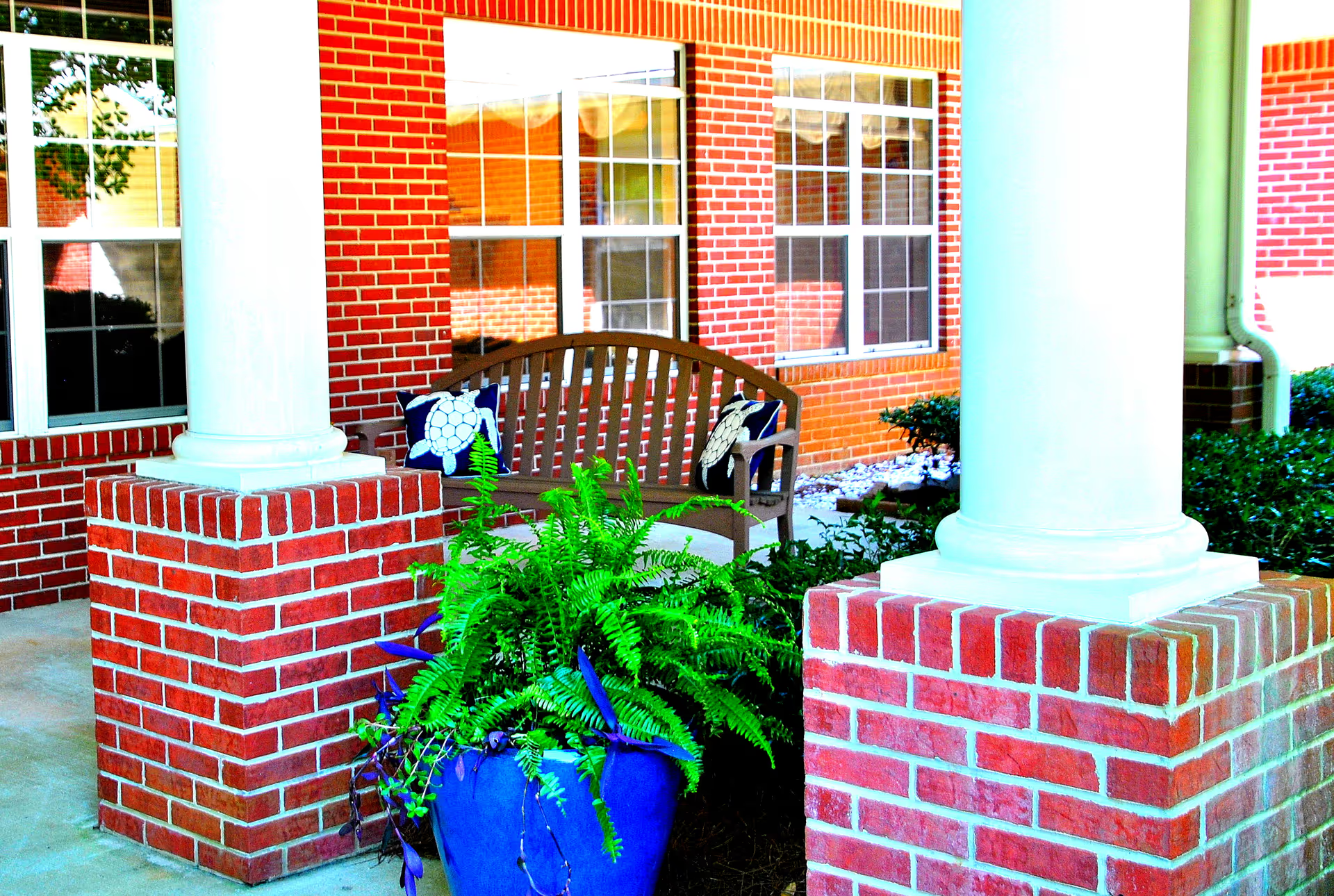
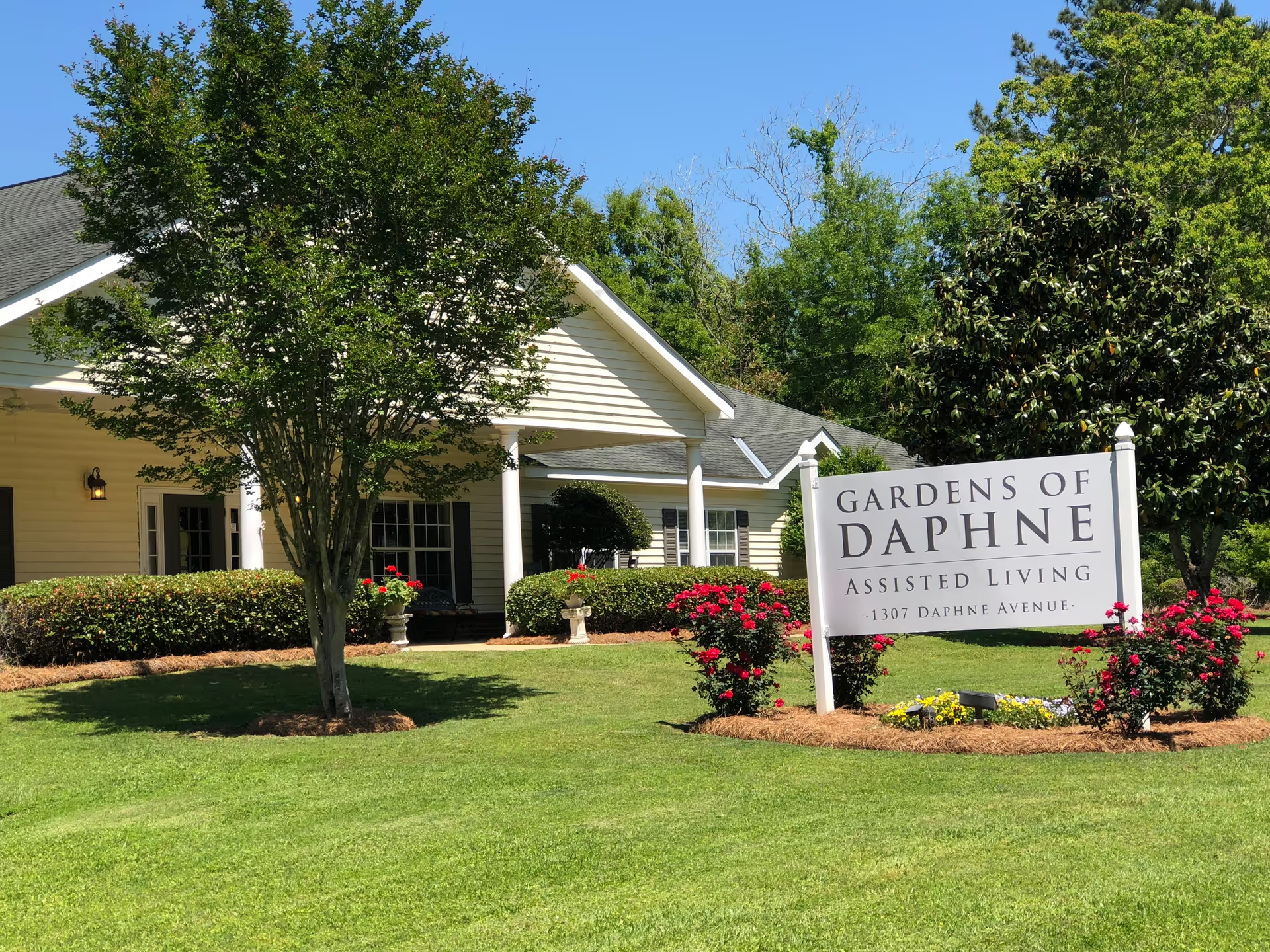
Reviews for this facility present a mixed picture in which clear strengths coexist with recurring operational weaknesses. Many accounts emphasize strong clinical and rehabilitative capabilities: nursing staff and therapy teams are frequently described as patient, skilled and effective, with successful rehabilitation outcomes that helped some residents return home. Several reviewers praised individualized attention, staff who learn residents' names, a full activity calendar, and a generally clean, well-decorated environment. Admissions and discharges, when handled by the case-management team, were noted as efficient and supportive.
At the same time, a substantial subset of reviewers described inconsistent experiences around day-to-day care and staff conduct. Common themes include variability in staff professionalism and communication tone, difficulties reaching management or having concerns escalated, and incidents where personal-care tasks (bathing, toileting assistance, bed/linen changes) were delayed or inconsistently provided. These patterns point to staffing and scheduling vulnerabilities: staffing shortages or uneven coverage appeared to contribute to delays in routine care and interruptions to planned therapy or appointments.
Dining and food service emerged as another polarizing area. Some residents and families described enjoyable meals and good dining-room service, while others reported missed plates, limited menu choices, and food arriving at unacceptable temperatures. Relatedly, there are repeated notes about inconsistent accommodation of dietary restrictions. These observations suggest gaps in meal-service continuity and in the facility’s processes for handling special dietary needs.
Safety, equipment maintenance, and clinical oversight were additional areas of concern. There are reports of problematic transfer or cot practices and at least one report of an equipment-related fall; reviewers also raised pressure-injury (pressure wound) concerns and—less frequently—assertions that adverse events were not always fully communicated. Such accounts indicate opportunities to strengthen transfer protocols, routine equipment inspections, and incident communication procedures.
Management and administrative practices drew mixed evaluations. Positive comments highlight responsive case managers and helpful front-desk or therapy staff during transitions. Conversely, other reviewers described high-pressure social-work interactions during admission/discharge, difficulty contacting managers, abrupt phone communication, and dissatisfaction with pricing transparency. Taken together, these patterns point to inconsistent customer-service practices and a need for clearer, more consistent family communication pathways.
In summary, prospective residents and families should weigh the facility’s documented strengths in nursing care and rehabilitation against recurring operational concerns: inconsistent staffing and personal-care scheduling, variability in dining quality and dietary accommodations, communication and escalation gaps, and some safety/equipment maintenance issues. Visits focused on current staffing levels, observation of meal service, review of medication and incident-communication procedures, and clarification of pricing and admission practices would help evaluate whether the facility’s strengths align with an individual resident’s needs and expectations.