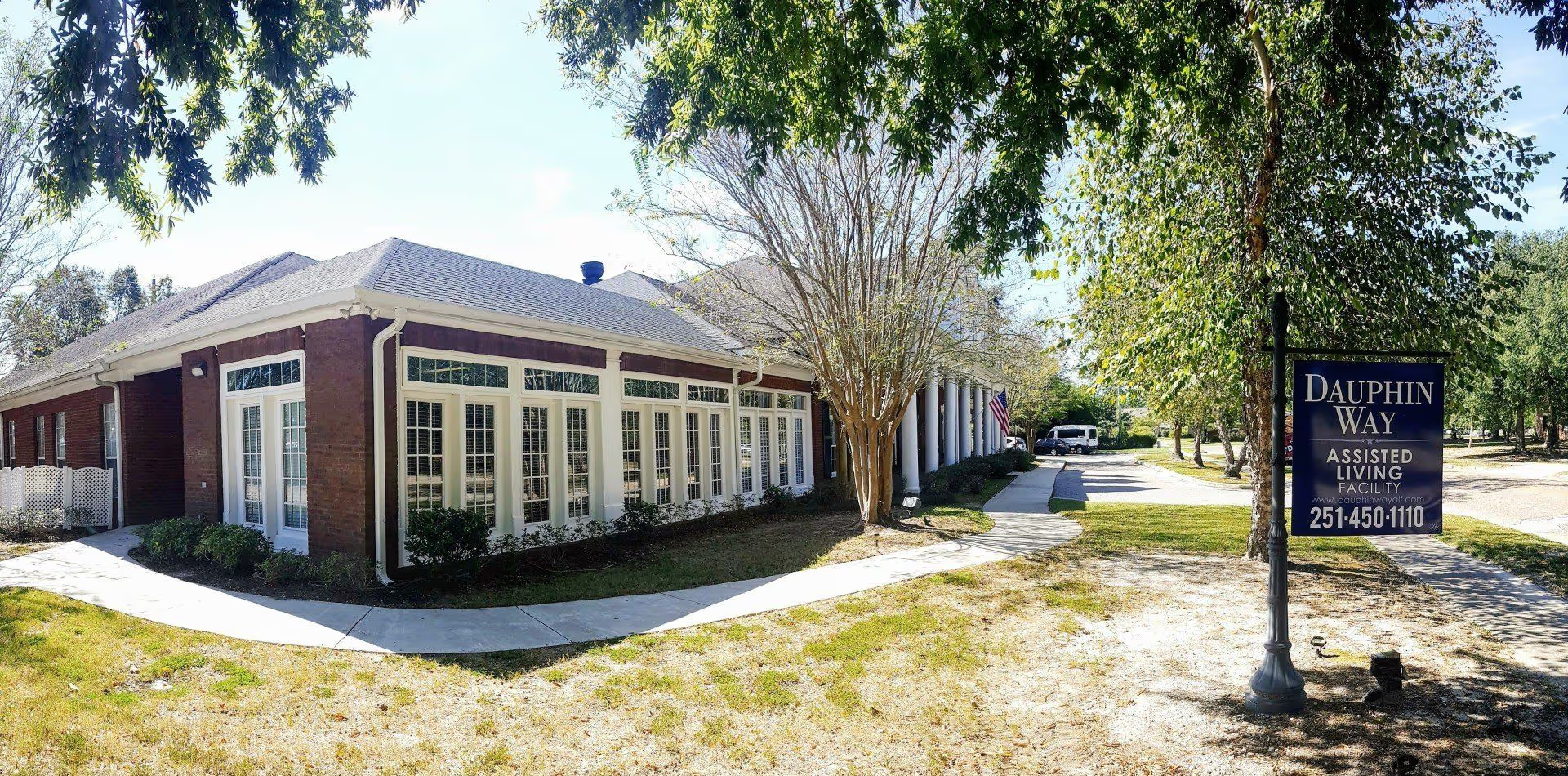
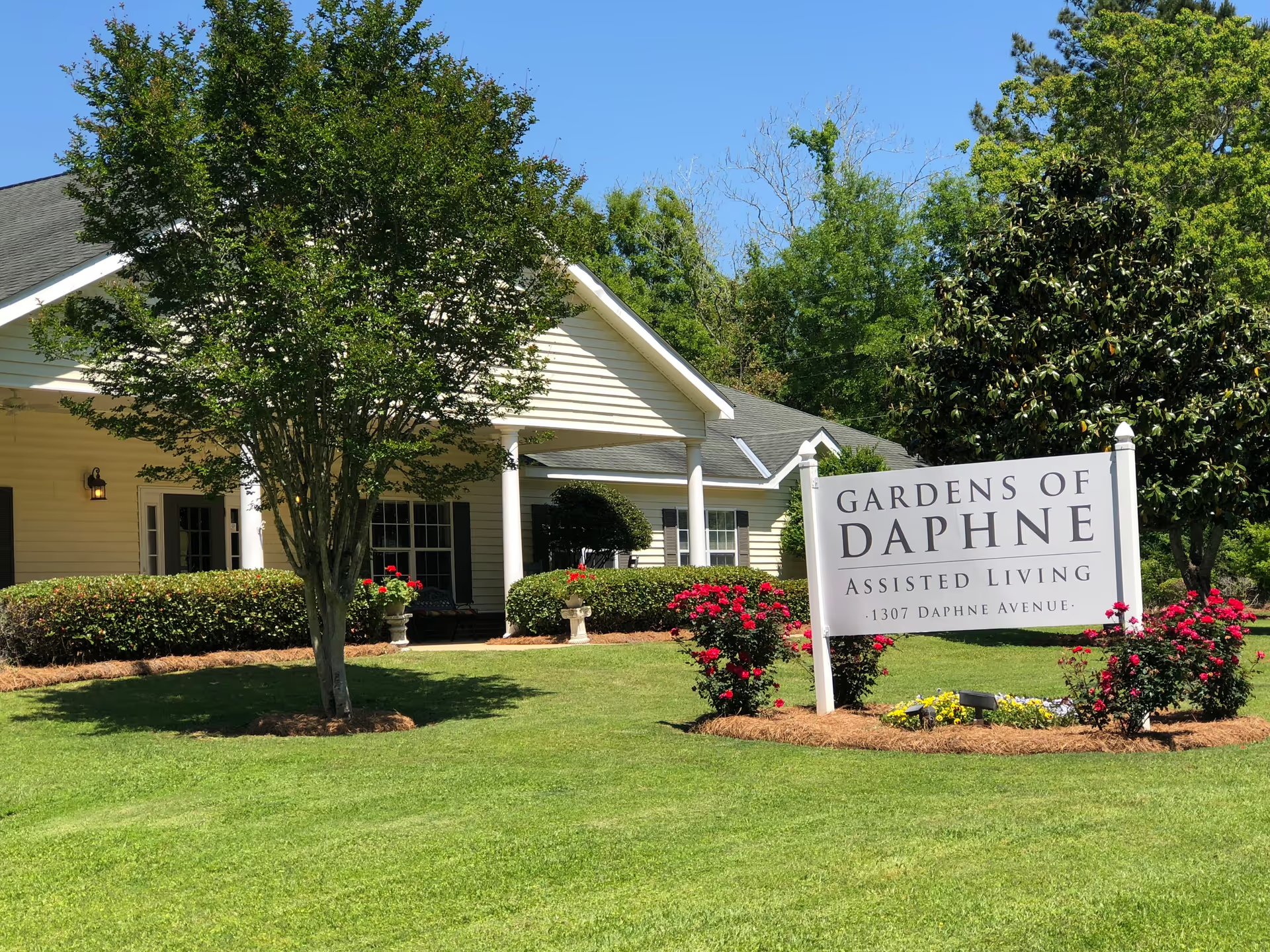
Reviews present a strongly mixed picture of Gulf Coast Health and Rehabilitation. A consistent strength is the facility's rehabilitative capability: physical and occupational therapy are frequently described as effective, with measurable functional gains for many patients. Several nursing and CNA staff members receive specific praise for compassionate, attentive care, and families cite prompt maintenance responses, engaging activities (including pet therapy and outdoor programming), and a generally clean, secure campus as positive aspects.
At the same time, there is notable variability in day-to-day operations. Staffing levels and staff performance appear inconsistent across shifts and weekends, producing variability in responsiveness to call lights, timely assistance with bathing and toileting, and follow-through on care tasks. Reviewers describe gaps in clinical handover and medication administration that have contributed to delays or missed treatments in some cases. Wound and pressure-area management emerged as an area of concern for some families, and there are also infection-control and post-acute complication concerns referenced.
Dining and nutrition experiences are mixed. Multiple accounts praise well-prepared, varied meals, while others note issues with temperature, texture, high seasoning/sodium, and a lack of diabetic or other therapeutic-diet options. Activity programming and social opportunities are frequently characterized positively; the activity director and organized entertainment are often singled out as strengths.
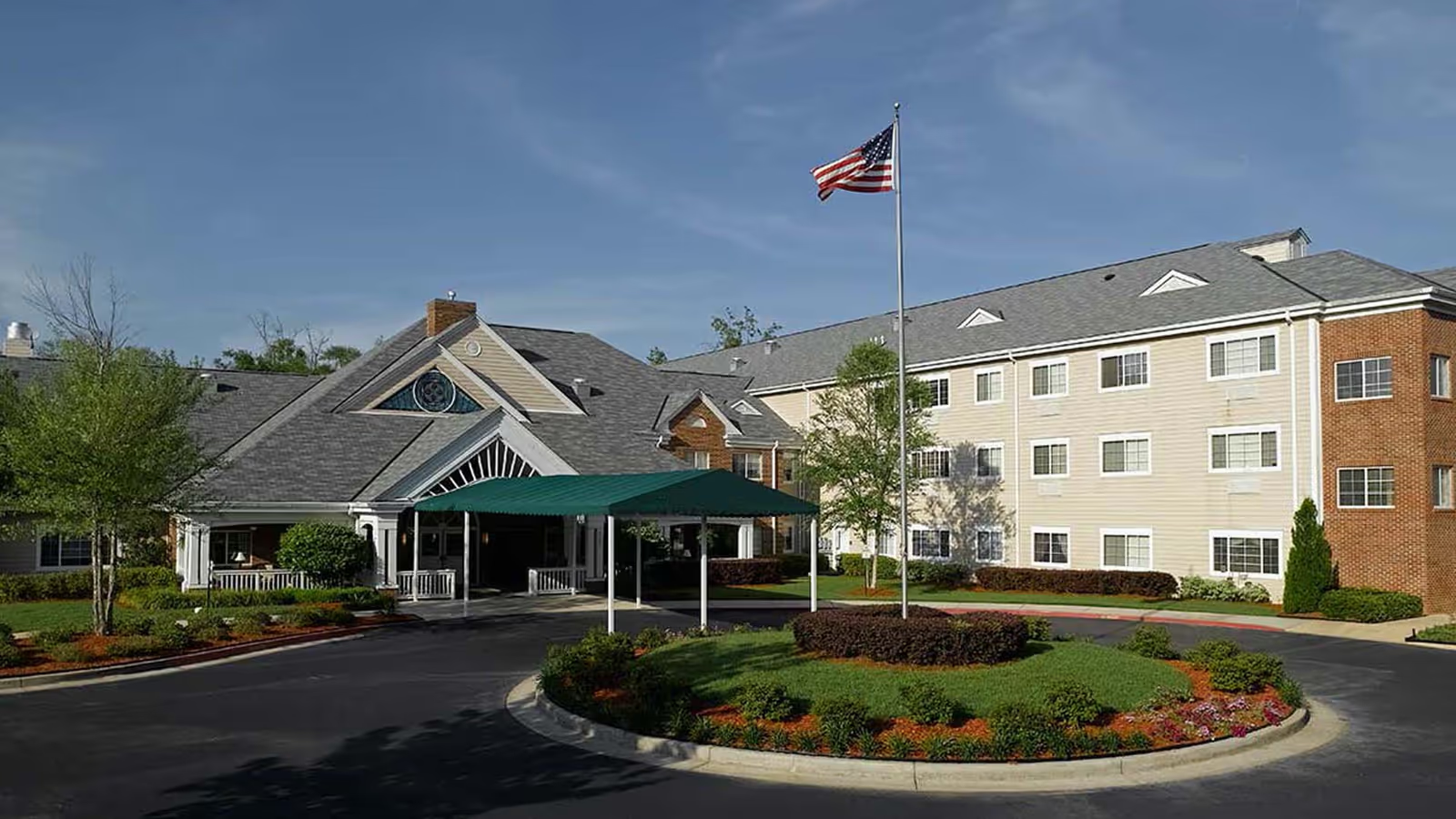
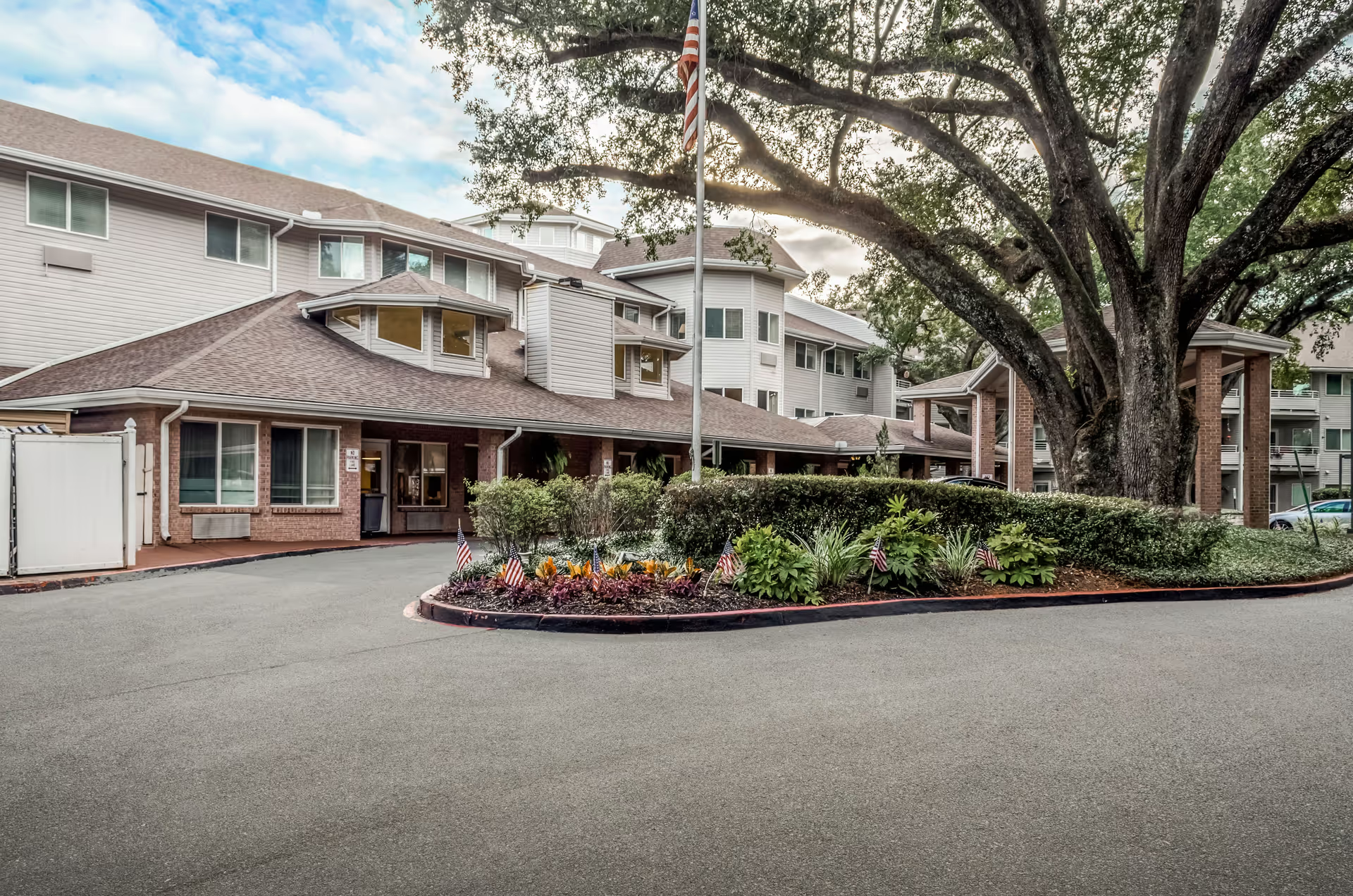
Facility environment and privacy show a split pattern. Many reviewers describe clean public areas, maintained rooms, and a secure courtyard; others describe maintenance defects, worn furnishings, shared bathrooms that reduce privacy, and localized odor concerns. Communication and administrative accessibility are recurring operational weaknesses: long phone hold times, lack of reliable voicemail or direct contact numbers, inconsistent admission orientation (including absence of a welcome kit), and uneven follow-up after discharge or adverse events.
A small subset of reviews raises more serious, individual-level allegations regarding financial interactions and conduct; these are distinct from the broader operational themes but warrant direct inquiry by prospective families. Overall, experiences range from highly positive (noting skilled therapy, compassionate caregivers, and successful rehab outcomes) to markedly concerning (noting lapses in responsiveness, clinical handover, and facility maintenance). Prospective families should schedule in-person tours that include evenings/weekends, ask specific questions about staffing ratios, wound care and pressure-area protocols, dietary accommodations, dementia supervision, and communication pathways, and review recent state inspection reports to corroborate the facility’s current performance.