Overview: Reviews of Palm Gardens Health and Rehabilitation illustrate a pronounced divergence between clinical/therapy strengths and operational weaknesses. Many families and former residents praise the rehabilitation program, hands-on CNAs, and several nurses for effective, compassionate care, while others describe persistent system-level problems that affect day-to-day resident comfort and safety. This creates a mixed overall impression: strong therapeutic resources and some exemplary staff members exist alongside recurring concerns about responsiveness, facilities maintenance, and administrative processes.
Care and clinical issues: The facility's therapy department receives consistent positive feedback for helping residents regain function and strength. CNAs and certain nurses are frequently characterized as caring and attentive. However, reviews also identify repeated gaps in clinical operations: delayed medication administration or attention, slow responses to call lights, and concerns about prevention and management of pressure injuries. Several accounts point to falls and transfer-safety issues, which suggest the need for stronger protocols around resident handling and monitoring.
Staff and conduct: Staffing levels are described as inconsistent, with a recurring theme of short-handed shifts that strain front-line caregivers. While many staff members are praised for kindness and going beyond their duties, there are also repeated observations about unprofessional conduct, including rude or vulgar language, shouting, gossip, and conduct that undermines resident dignity and privacy. Family communication and case-management practices are identified as weak in places, with instances of confusing or delayed updates, disputed benefit terminations, and the need for involvement by external advocates.
Dining and activities: Activity programming is a clear strength: reviewers note an engaging calendar with garden time, bingo, and religious services held in the dining area. Activities and therapy are cited as meaningful contributors to residents' well-being. Comments about dining are mixed; some reviews mention balanced meals, while others imply inconsistency in meal-service continuity. Overall, activities offer social and therapeutic value even when other operational issues are present.
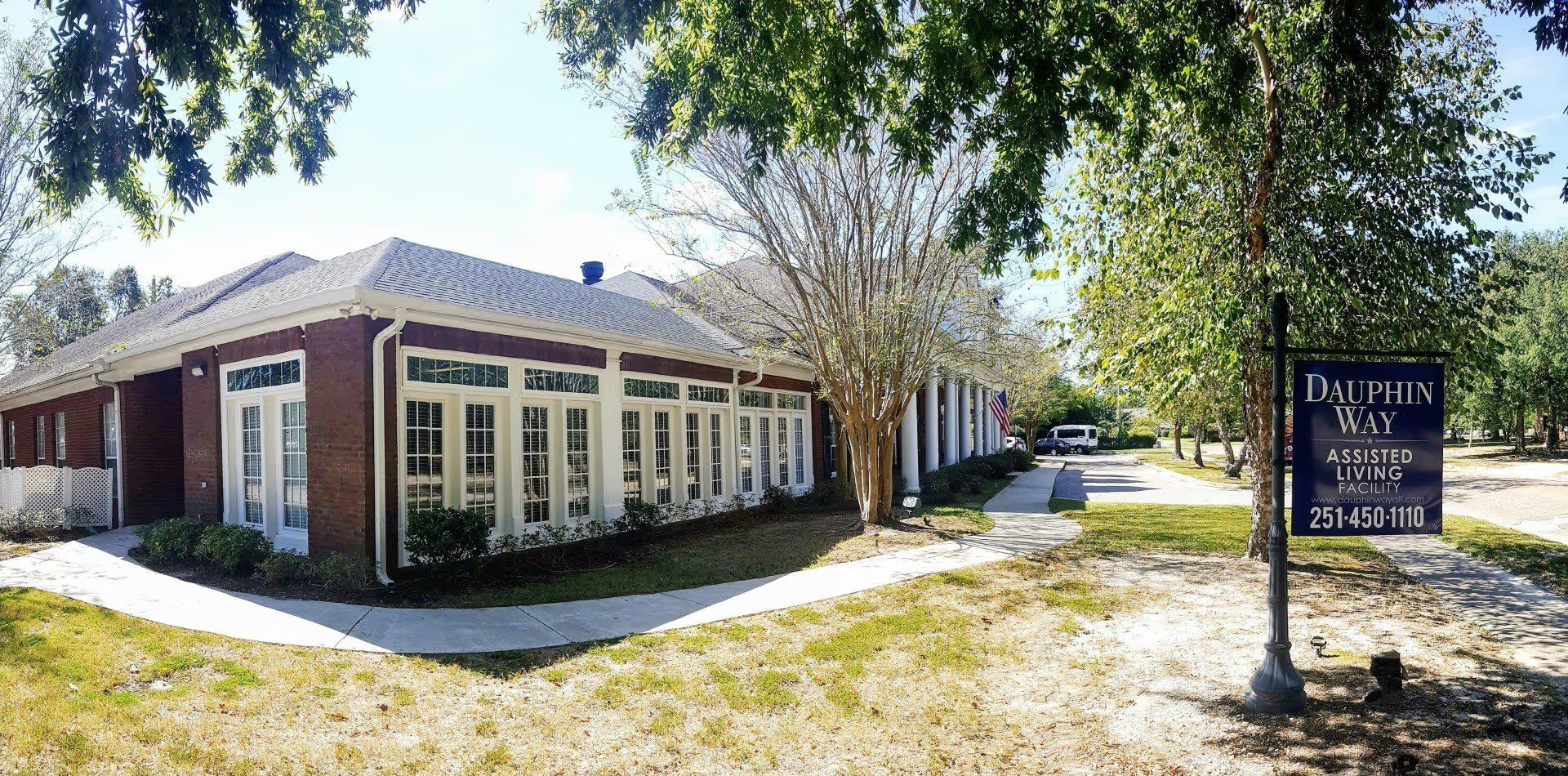
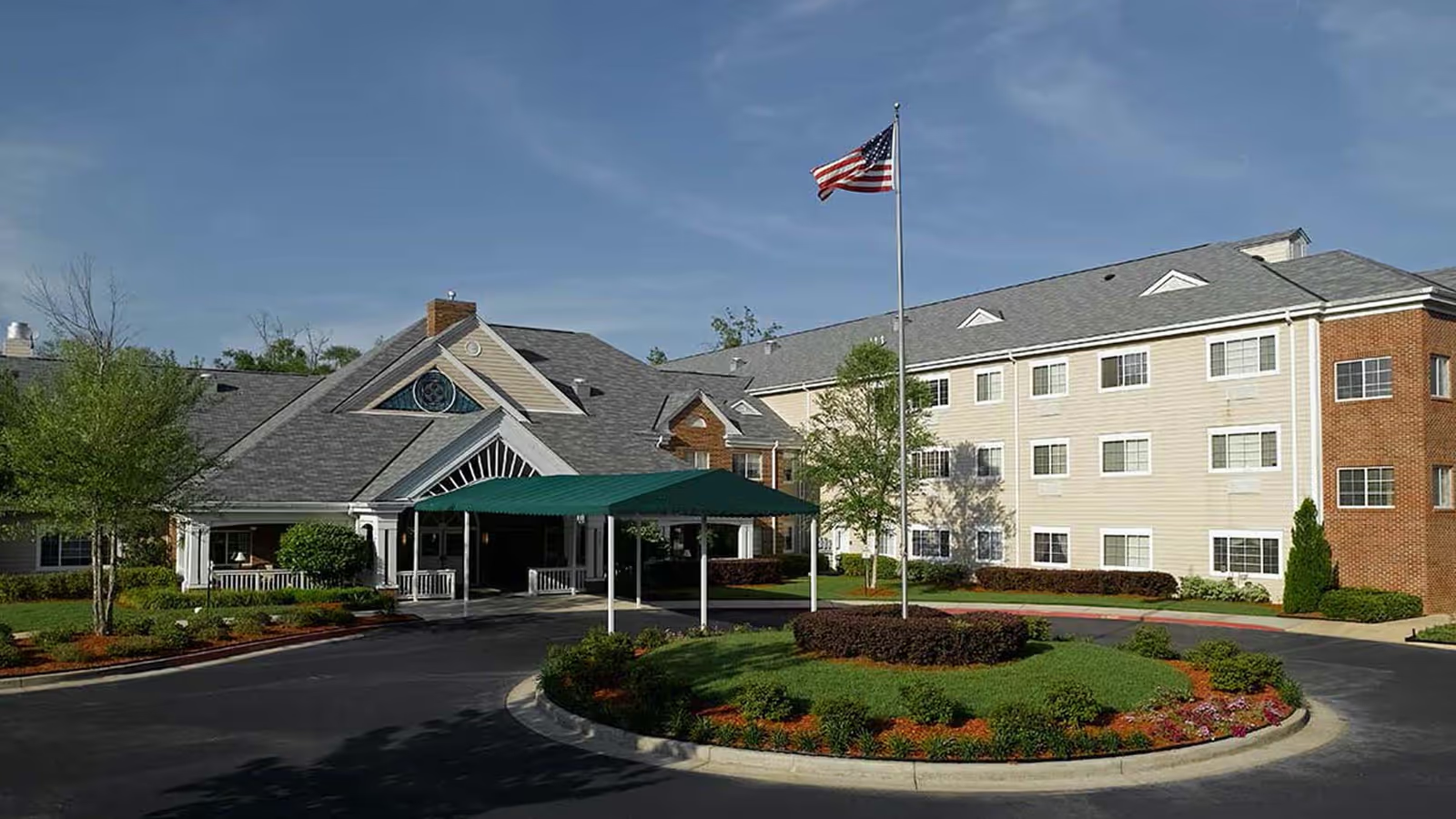
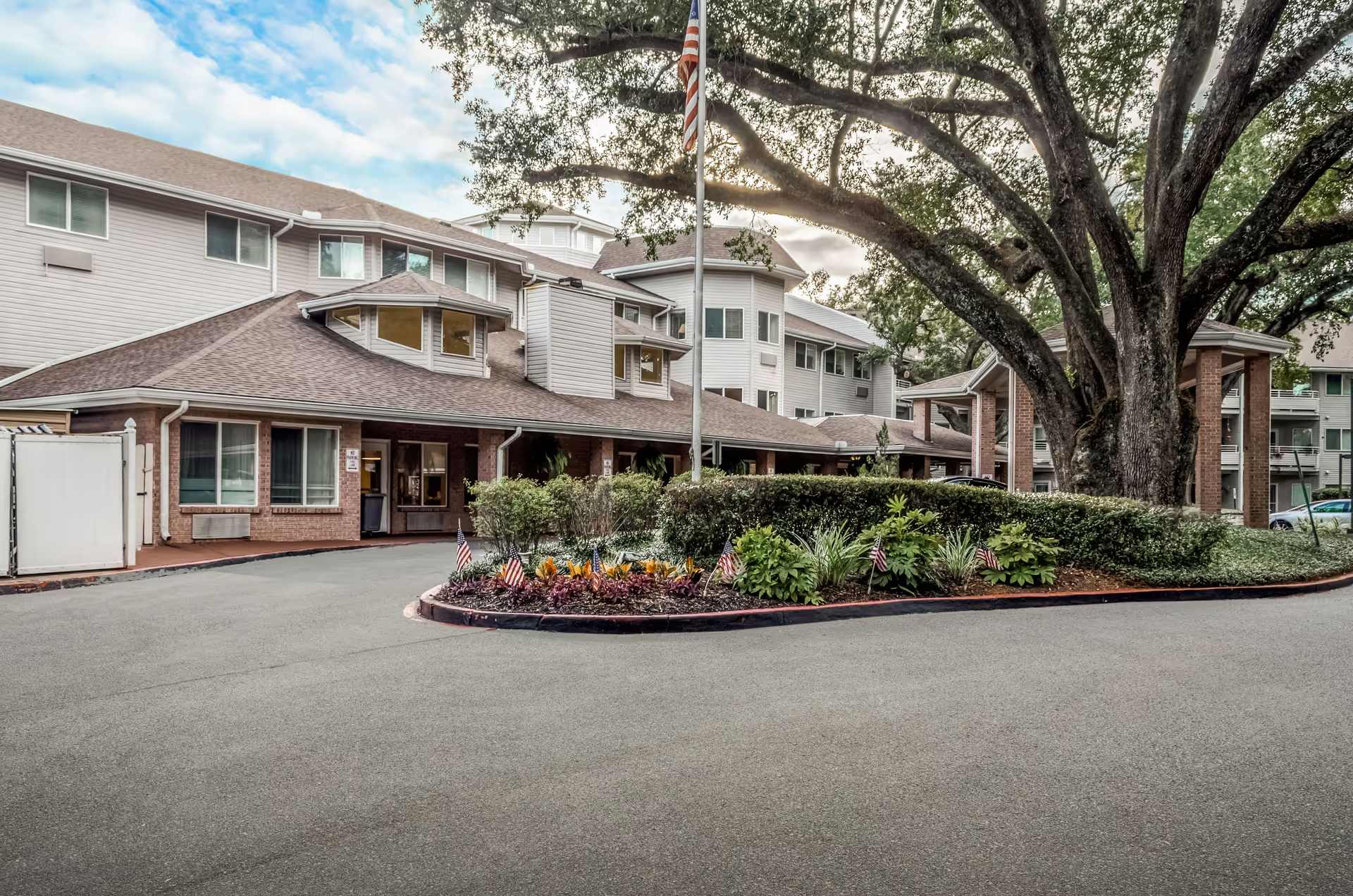
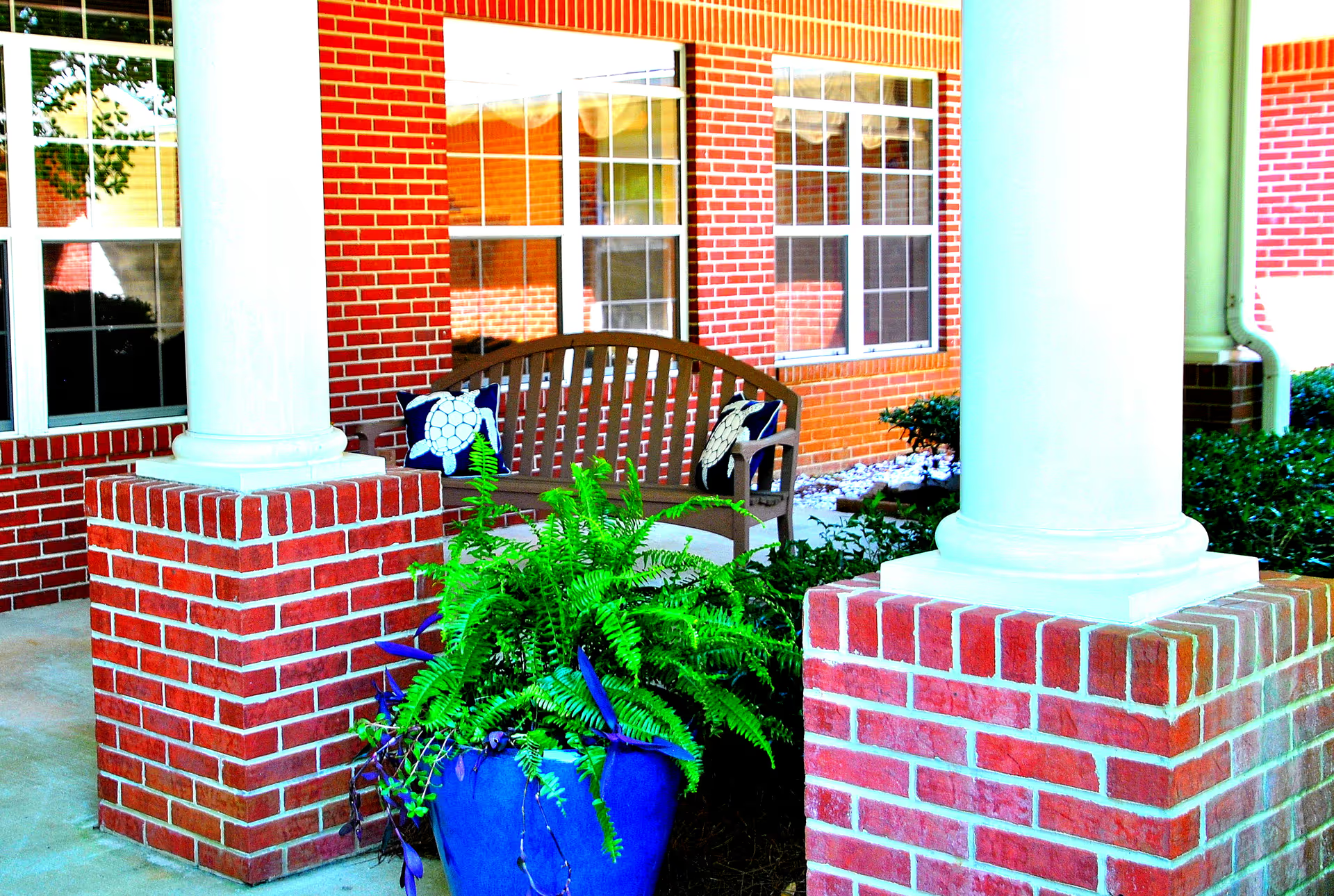
Facilities and maintenance: The facility is described as generally clean and modern in parts, with a neutral to institutional feel rather than a homelike atmosphere. Positive notes include a diligent maintenance team and polite housekeeping staff. Operational issues raised include long-running air-conditioning problems, sporadic odor concerns near staff areas, delayed repair work (for example, unfinished TV repairs), and outdated or limited bathroom fixtures. Laundry and personal-item handling have inconsistencies, and outdoor space is limited and not heavily landscaped, with constrained parking.
Management and administrative patterns: Reviewers point to recurring administrative weaknesses: inconsistent case management, problematic handling of Medicare/benefit authorizations, and poor communication with families. These issues have, in at least one account, prompted escalation to an ombudsman. There are also concerns about drug-screening and enforcement policies associated with odors or perceived staff behavior. At the same time, some administrative personnel (receptionists, front-desk staff) are singled out as diligent and helpful.
Notable patterns and recommendations for families: The dominant pattern across reviews is polarization — strong clinical and therapy capabilities coexisting with operational and management shortcomings that affect resident experience and safety. Prospective residents and families should weigh the facility's rehabilitation strengths and positive staff relationships against concerns about staffing consistency, responsiveness, sanitation and laundry processes, temperature control, and case-management reliability. An in-person visit, direct conversations with the therapy team, enquiries about current staffing ratios and incident protocols, and a review of recent survey/inspection records are advisable before admission.