Reviews of Sylacauga Health and Rehab Services are highly polarized, with a mix of strong positive experiences and serious operational concerns. Many families and residents describe a warm, small-town community atmosphere with engaging programming, active volunteer involvement, and visible clinical resources such as on-site rehabilitation and RN/CRNP coverage. At the same time, other accounts cite systemic issues that have meaningfully affected some residents’ day-to-day care.
Care quality and clinical oversight show both strengths and weaknesses. Positive comments highlight attentive CNAs and nurses, effective therapy services, and timely medication delivery for many residents. Conversely, there are recurring accounts of delayed responses to care needs (including long waits for toileting assistance and bathing), inconsistent personal-care schedules, and at least one allegation of inappropriate psychotropic medication use. These mixed signals suggest variability in clinical practice and point to the importance of asking about medication protocols, staffing ratios, and incident escalation procedures during a tour.
Staffing and communication are another area of divergence. Numerous reviews praise individual caregivers for kindness and compassion and note examples of staff going above and beyond. Other reviews describe inconsistent staff conduct, brusque or intrusive communication, and perceived understaffing that contributes to delays. Operational gaps in CNA recruitment and training were also noted, including delays in onboarding and limited access to in-house classes, which may contribute to uneven care delivery and turnover.
Dining and activities are frequently cited as strengths. Multiple reviewers describe varied, well-presented meals and a broad calendar of activities—beauty pageants, musicals, art projects, and themed events—that provide social engagement and a high level of resident programming. These offerings are a clear asset for residents seeking an active environment.
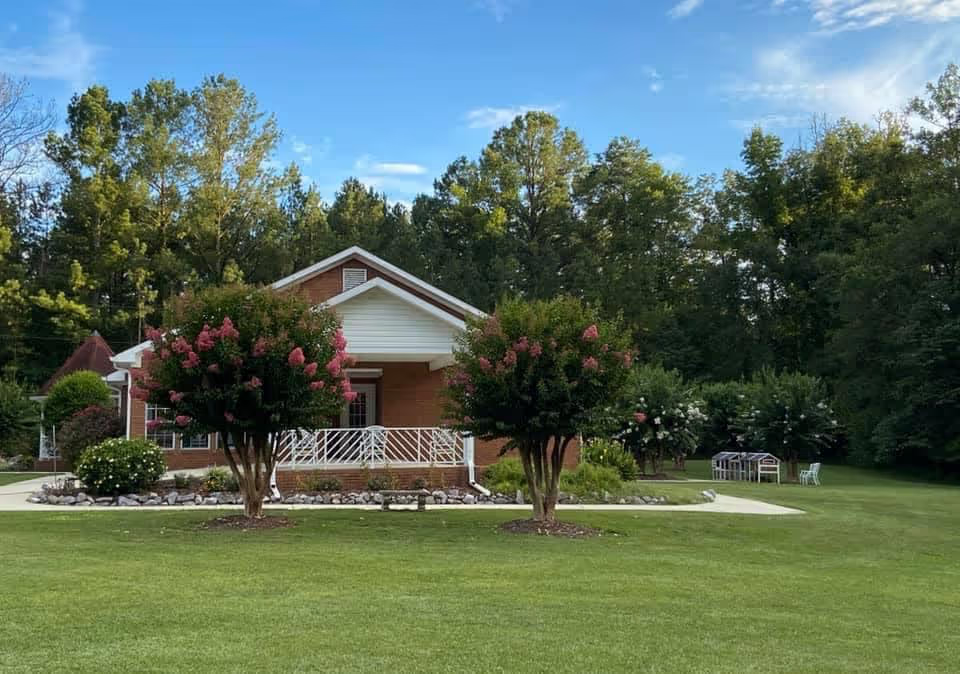
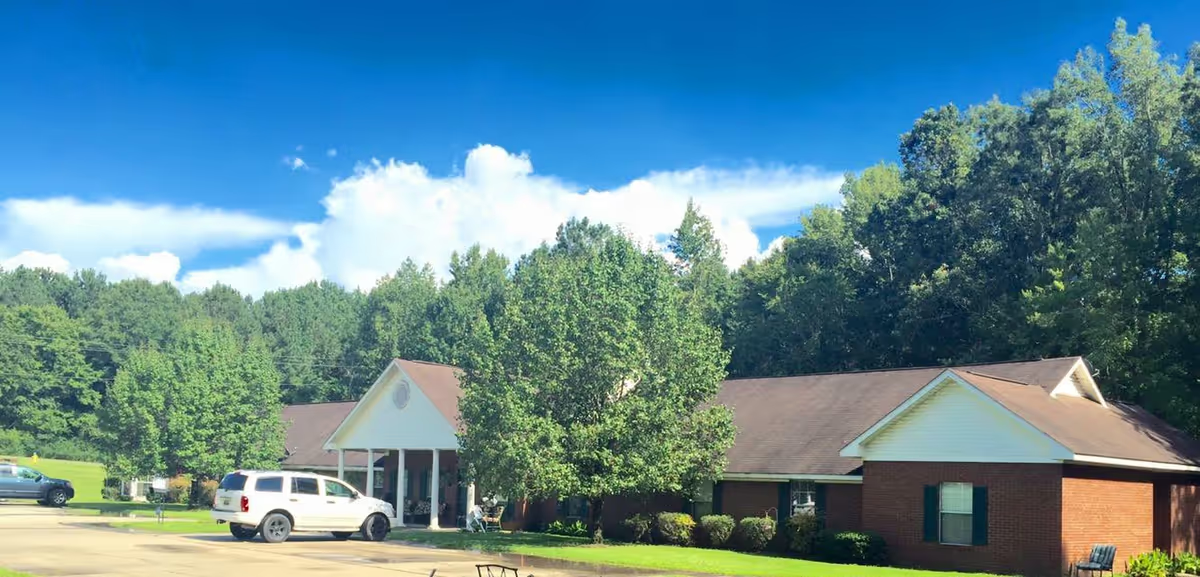
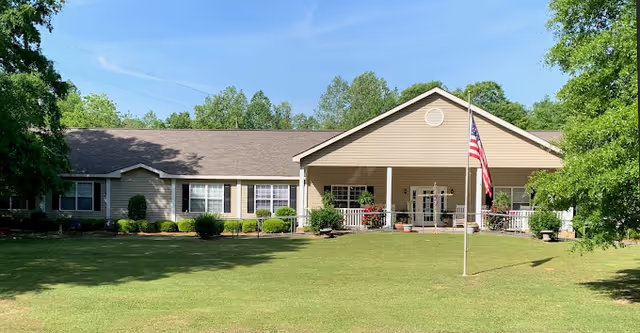
Facility maintenance and housekeeping show mixed feedback. Many reviewers report clean, cozy rooms and a tidy reception area, while others describe sanitation and pest-control concerns, odor issues in certain areas, delayed linen changes, and bathroom maintenance problems. This inconsistency suggests variability across units or shifts in housekeeping performance and environmental services.
Management and administrative practices draw both praise and critique. Positive accounts mention a welcoming reception, encouragement to personalize rooms, and community-oriented leadership. Critical accounts raise concerns about communication responsiveness, disposition toward residents and families, and a perception of prioritizing occupancy or revenue over individualized placement decisions. Families expressing serious concerns call for improved transparency and clearer complaint-resolution processes.
Notable patterns: the facility appears capable of providing high-quality, engaging care under favorable staffing and leadership conditions, but several recurring operational weaknesses—especially inconsistent responsiveness, staffing instability, housekeeping/pest-control issues, and variability in staff conduct—create a risk of uneven experiences. Prospective residents and families should schedule an in-person visit that includes: observation of staff–resident interactions, review of staffing ratios and medication-management policies, a walkthrough of multiple neighborhoods or units, questions about housekeeping and pest-control procedures, and meeting with clinical leadership to discuss therapy schedules and incident reporting protocols. These targeted checks can help identify whether current operational conditions align with a family’s expectations and care needs.