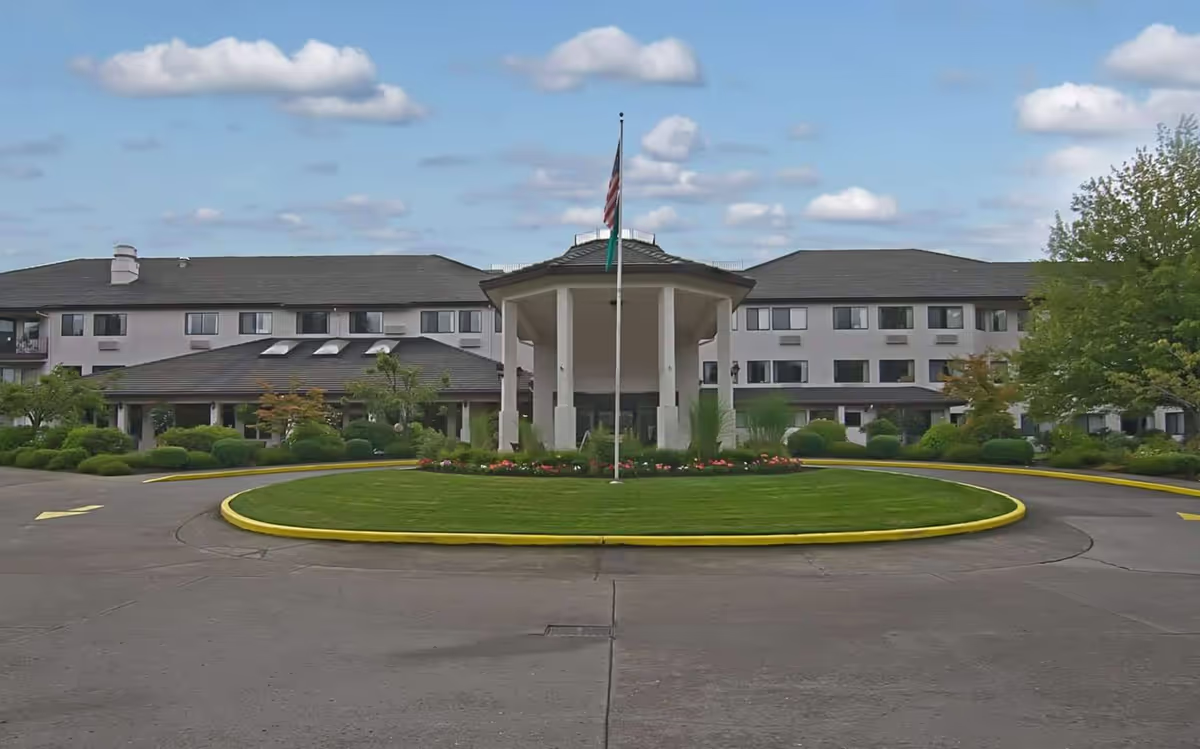
The collected review summaries describe a facility that raises recurring concerns across several operational domains. Financial and billing practices are a consistent theme: families describe an overall high monthly cost combined with additional charges for items such as medication management. These descriptions suggest an opaque fee structure and questions about value-for-cost. Separate, serious claims relating to missing funds or items are present and should be treated as allegations that warrant documentation and investigation by prospective families or regulators.
Care and staff-related issues are prominent. Multiple accounts describe difficulties reaching staff by phone, unanswered voicemails, and prolonged failure to communicate about a resident's status; these point to weaknesses in family-communication protocols and resident check-in procedures. Reviewers also raised concerns about the tone and conduct of some staff members and about the facility’s effects on residents’ emotional wellbeing; such statements indicate potential gaps in staff training, supervision, and psychosocial supports. There are also mentions of additional charges for medication-related services and concerns about how medication management is handled, which suggest a need to review clinical oversight and billing alignment.
Dining, activities, and the physical environment are other recurring areas of dissatisfaction. Several families described low satisfaction with meal quality and a lack of appealing dining options. Reviewers also characterized the setting as restrictive or institutional in tone, and noted frequent, disruptive alarm noise from call or security systems; these factors can affect residents’ comfort and perceived autonomy. There are specific safety-related concerns around residents who may wander, indicating potential gaps in wander-management protocols and ambient monitoring.
Management and community relations issues appear to compound these operational weaknesses. Reported inability to contact the facility and slow or absent responses to family inquiries indicate systemic communication-process failures. Public protest and negative local attention suggest strained community relations and reputational challenges. Taken together, the pattern across reviews highlights operational traits that prospective residents and families should evaluate closely: billing transparency, responsiveness of communication channels, medication- and safety-protocol oversight, staff training on resident engagement, and dining/services alignment with resident expectations.
For families considering this facility, recommended next steps include requesting detailed written information about all fees and medication-related services, asking for documented staffing levels and communication procedures (including after-hours contact and escalation paths), touring the living environment to assess noise levels and atmosphere, and seeking evidence of wander-prevention protocols and staff training on resident wellbeing. Given the presence of serious individual claims, families who have unresolved concerns should consider corroborating information with licensing bodies or ombudsman resources before making a placement decision.