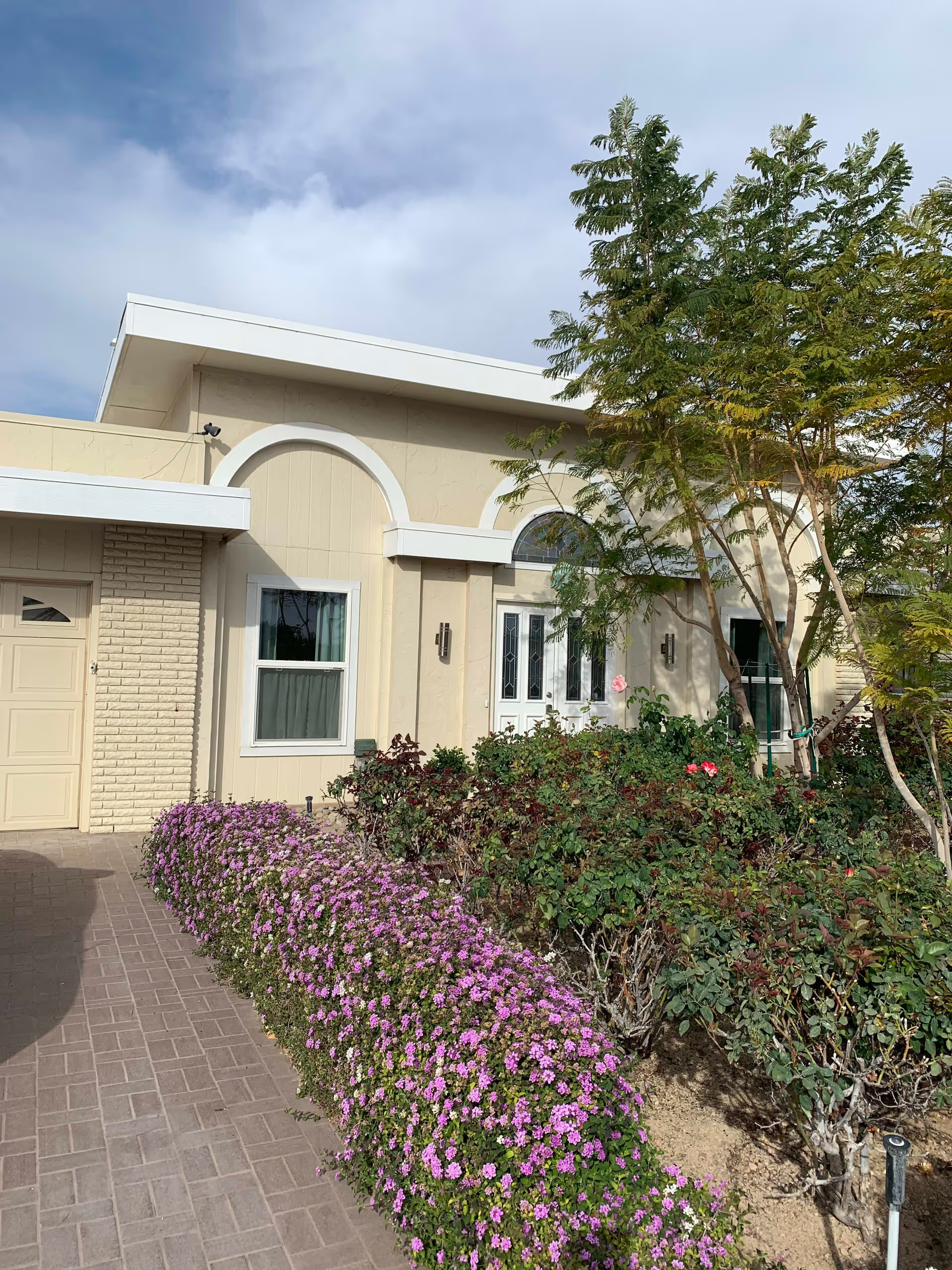
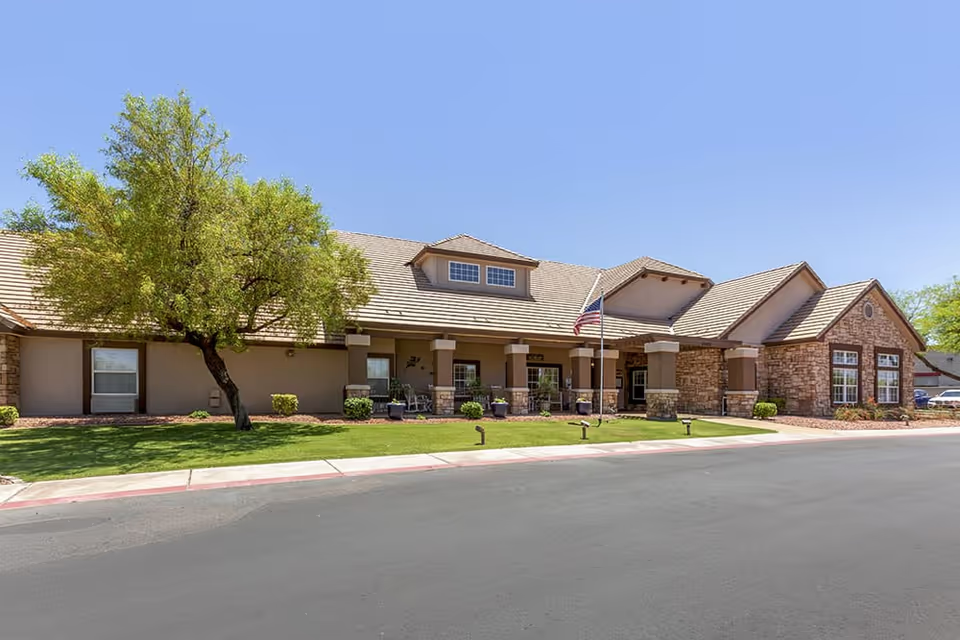
Overview: The Woodmark at Sun City is described across reviews as a well‑maintained, recently renovated campus with a broad continuum of services (independent living, assisted living, memory care, therapy and hospice). Many reviewers praised the physical environment—bright, clean common areas, updated dining rooms, gardens and patios—and the range of amenity spaces such as a theater, gyms, activity rooms and salon services. Apartments are offered in several sizes, including two‑bedroom units with patios or balconies, and the location and transportation offerings are considered convenient by numerous families.
Care and clinical services: Clinical experiences are mixed and appear to depend strongly on the resident’s level of need. Reviewers frequently note that independent‑living and lower‑acuity assisted‑living residents receive attentive, personable care and good medication oversight, while families of higher‑need residents report declines in care consistency as acuity increases. Concerns include inconsistent medication administration controls, missed or delayed services (including missed appointments or dialysis coordination), and delays in responding to call systems. There are also a small number of serious individual claims—including alleged unauthorized medication changes and an allegation involving resident property—that prospective families should investigate directly with the community and through regulatory records.
Staff and operations: Staff are widely described as warm, familiar with residents, and committed—tour and admissions staff are repeatedly noted as helpful and professional, and many direct‑care employees receive strong praise. At the same time, reviews point to operational challenges: staffing shortages, turnover, and uneven night coverage were cited as contributing factors to delayed responses and inconsistent housekeeping. Several reviewers described good long‑tenured nurses and unit leaders whose presence materially improves care; others described management transitions, business‑office communication problems, and variability in follow‑through after move‑in.
Dining, activities and community life: Dining is a clear strength for many residents: restaurant‑style service, varied menus, and positive meal presentations are noted frequently. However, meal quality and consistency are not uniform—some families describe mediocre or reheated food and problems with meal delivery, especially during holiday or pandemic adjustments, and additional costs for in‑room service were cited. Activities programming is another strong point: a broad calendar (exercise classes, card games, bingo, outings, field trips, and therapy‑integrated activities) and a personable activities director are recurring positives. A few reviews indicate that communal spaces can be underutilized at times or geared toward an older demographic, so activity fit should be assessed during a visit.
Facilities, security and accessibility: Physical plant feedback is largely positive—recent remodels, updated finishes, and pleasant outdoor spaces are consistent highlights. Accessibility issues were raised in certain units: some layouts, elevator/hallway configurations, or second‑floor logistics may be challenging for visually impaired or less‑ambulatory residents. Reviewers also raised facility‑level security concerns such as locked storage/room access and limited surveillance; families should ask about on‑site security, camera coverage, and storage policies during a tour.
Management, communication and billing: Communication and business‑office interactions are areas of notable variability. Admissions and tour teams are often praised for responsiveness and helpfulness; conversely, some families reported opaque pricing, unexpected fees for services, and poor follow‑up from billing or administrative staff. Several reviews describe an initially strong move‑in experience with weaker post‑move communication and care coordination. Leadership turnover and differing impressions of management responsiveness suggest due diligence—requesting sample care plans, escalation pathways, and a clear fee schedule is advisable.
Notable patterns and guidance for families: The dominant pattern across reviews is a divergence in experience between lower‑acuity and higher‑acuity residents: the community tends to earn high marks for ambiance, social life, and supportive staff in independent and early assisted living, while families of more medically complex residents flagged inconsistent clinical oversight, staffing gaps, and communication breakdowns. Prospective residents and families should prioritize a layered tour: meet unit nursing leadership, review sample care plans, ask about staffing ratios and night coverage, request specifics on medication‑management protocols and security measures, and obtain a transparent, written explanation of fee structures and in‑room meal costs. If continuity of high‑acuity nursing care is essential, consider verifying credentials and tenure of the nursing leadership and confirming protocols for escalation and external appointments.
Bottom line: Woodmark at Sun City offers many of the amenities and community strengths families look for—clean, updated facilities, active programming, and many caring staff—but operational weaknesses such as staffing variability, inconsistent medication controls, communication gaps, and billing opacity have been cited often enough to merit careful pre‑move vetting. Families whose loved ones require low‑to‑moderate assistance may find the community a strong cultural and social fit; families of residents with complex medical needs should perform targeted due diligence on clinical oversight, staffing levels, and security practices prior to committing.