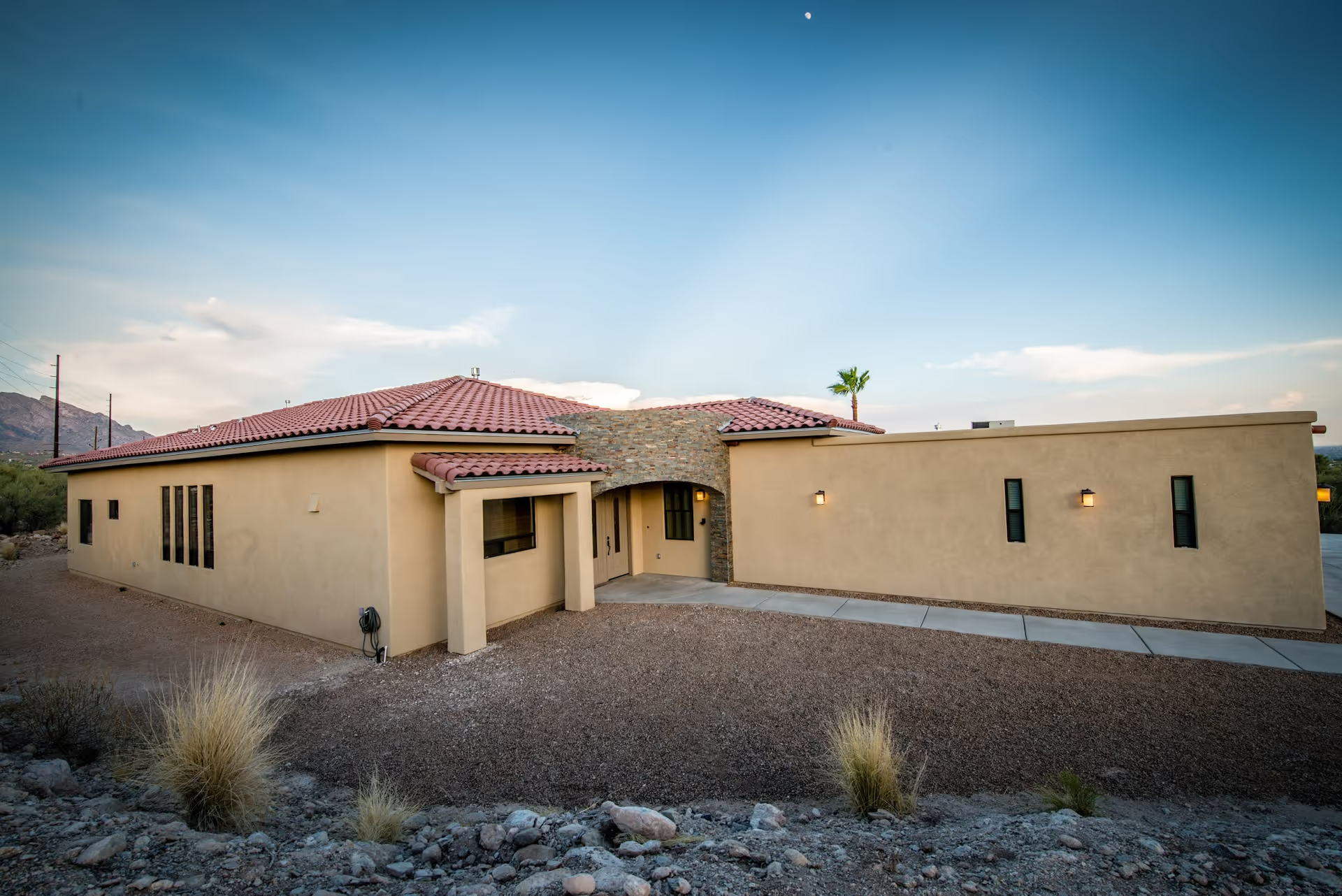
Reviewer feedback for Crossroads Assisted Living is markedly mixed, with a substantial proportion of comments praising the facility’s caregiving culture, physical environment, and dining experience, while other reviews raise operational and clinical concerns that warrant careful inquiry.
Care quality appears to be a point of divergence. Many families describe compassionate, attentive staff who create a family-like atmosphere and provide residents with comfort and dignity. Multiple accounts highlight caregivers who go above and beyond, providing individualized attention that gives families peace of mind. At the same time, a number of reviews describe operational lapses that affect clinical care — examples include missed medication administrations, inconsistent oral-care routines, insufficient monitoring of weight and nutritional status, and skin-integrity or wound-care concerns. These items suggest variability in clinical oversight and care consistency rather than uniform performance across all shifts and residents.
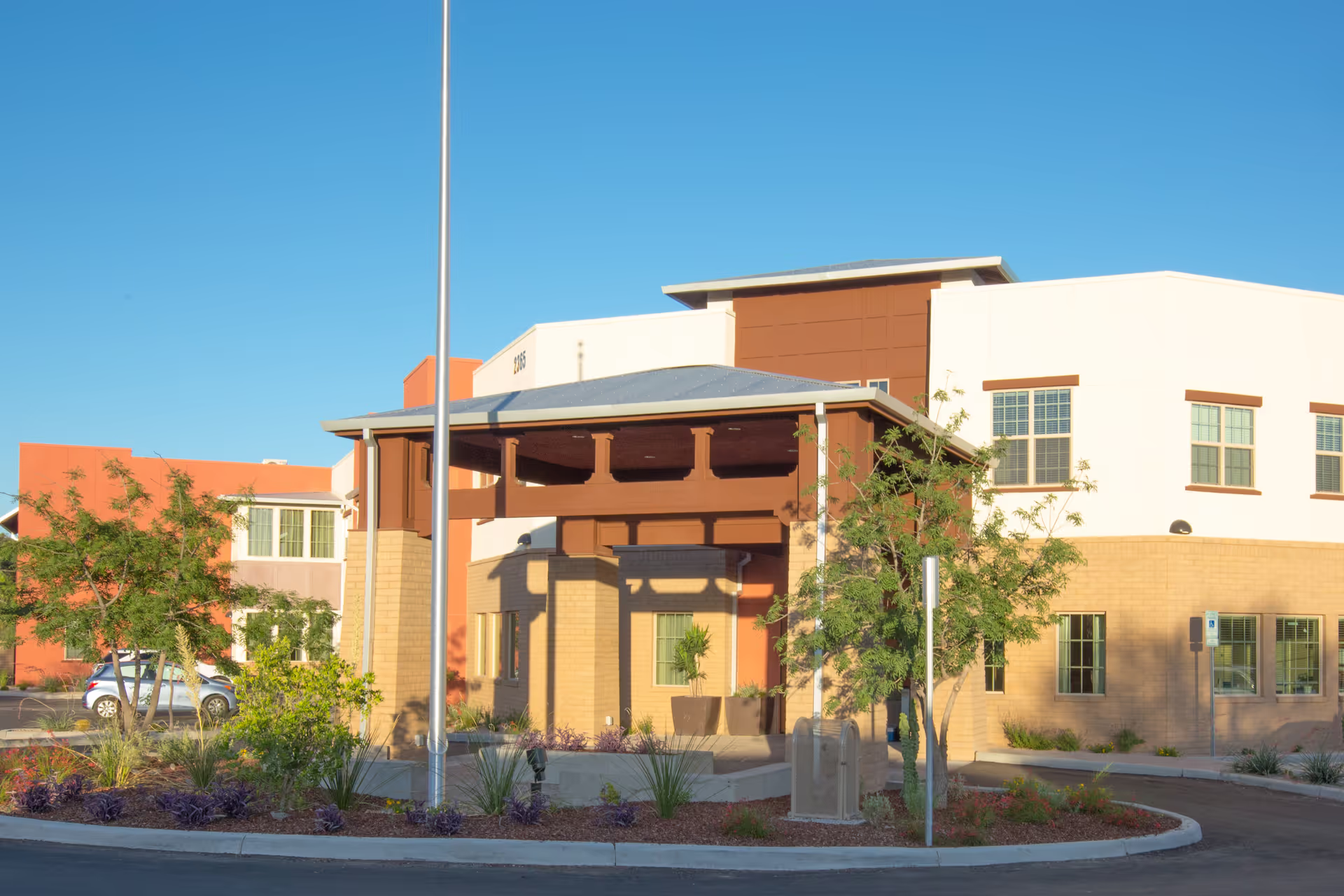
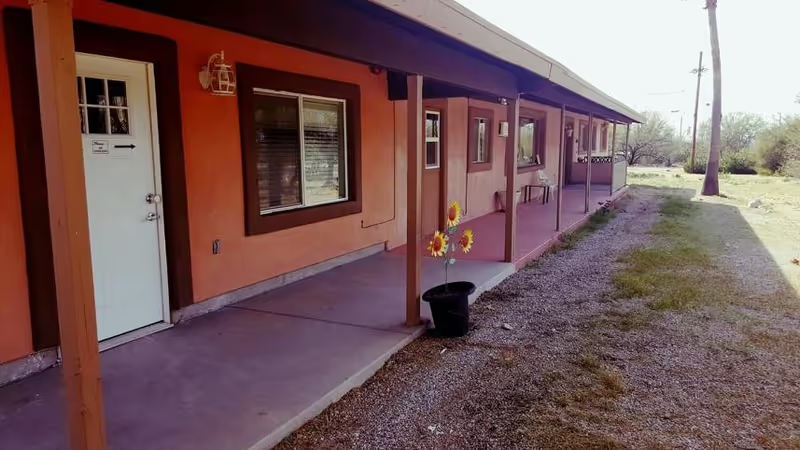
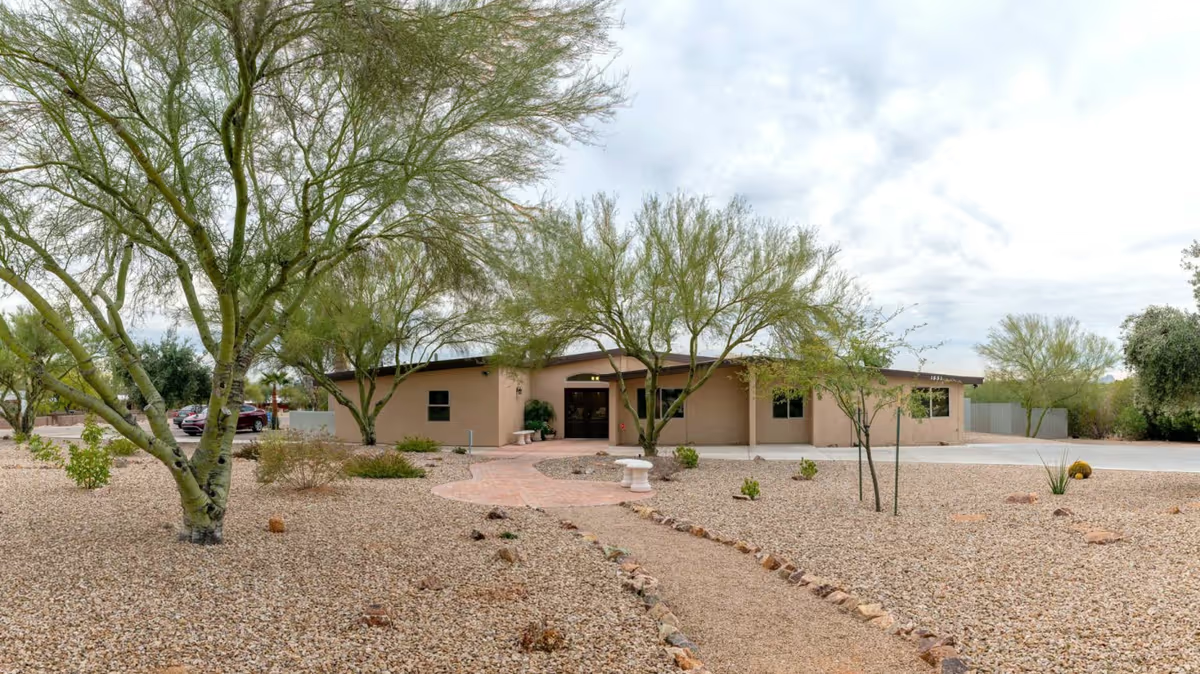
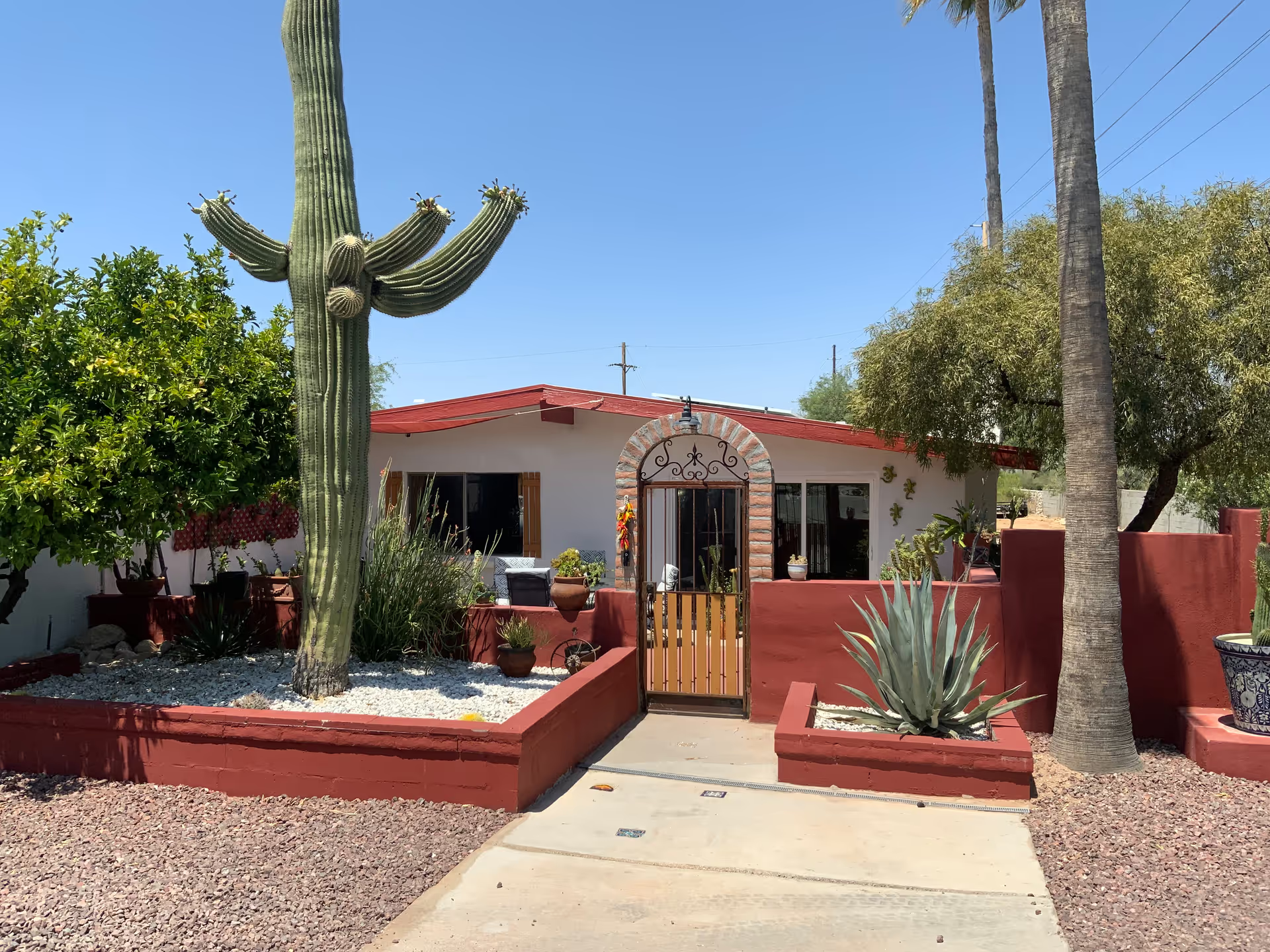
Staffing and management impressions are similarly mixed. Positively, the facility is often described as family-owned and staffed by employees who are welcoming during tours and responsive in regular scheduled communications. Physical-plant strengths include clean, spacious rooms, well-appointed common areas, large refrigerators and TVs in rooms, pleasant dining and courtyard spaces, and an overall small-house, homelike feel. Conversely, reviewers cite high staff turnover, disorganized administrative communication, difficulties reaching staff at times, and operational coordination problems (for example, arranging video visits). There are also serious individual allegations concerning on-duty staff conduct; such claims are flagged here as allegations and should prompt prospective families to request documentation of staff training, screening, and any regulatory follow-up.
Dining and activities receive generally positive remarks: meals are described as fresh, home-style, and well presented in a pleasant dining room; outdoor spaces and a playroom/patio are noted as strengths for resident engagement. However, reported instances of weight loss and related nutritional concerns indicate that nutrition-monitoring protocols and meal-service continuity should be verified during a visit. Memory-care feedback is mixed — some reviewers praise the kindness and competence of memory-care caregivers, while others report lower engagement or responsiveness in that unit.
Overall pattern and guidance: reviewers paint a polarized picture — many families experience high-quality, compassionate care and an attractive, secure setting, but a subset of reviews describe operational inconsistencies that have clinical consequences. Prospective residents and families should balance the facility’s evident strengths with careful due diligence: ask for current staffing ratios, turnover statistics, medication-administration and wound-care protocols, documentation of staff training and background checks, recent health-inspection or regulatory records, examples of family communication, and weight/nutrition-monitoring practices. In-person and unannounced visits, meetings with nursing leadership, and direct conversations with current resident families can help clarify whether Crossroads’ strengths are consistently delivered for the prospective resident.