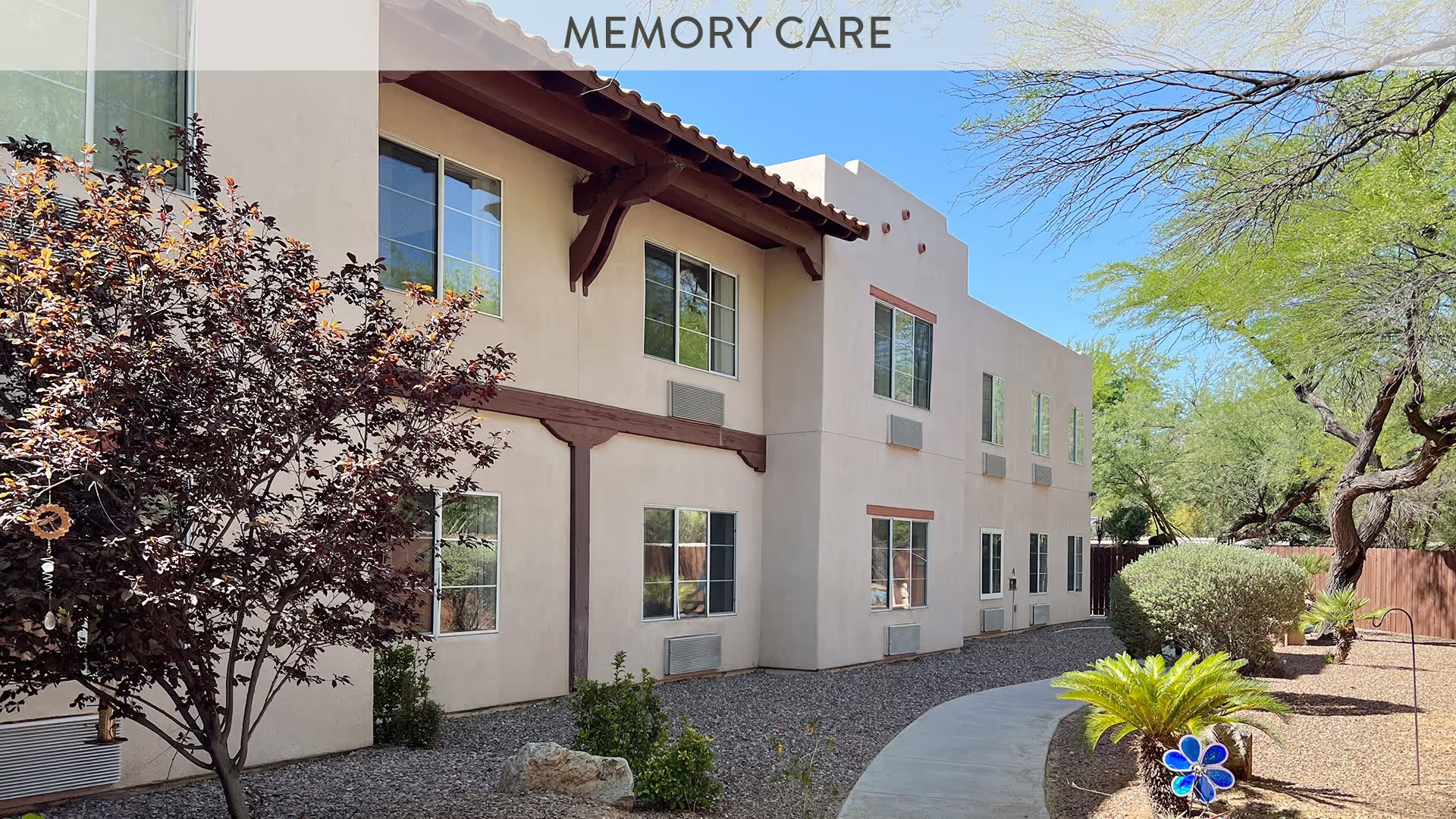
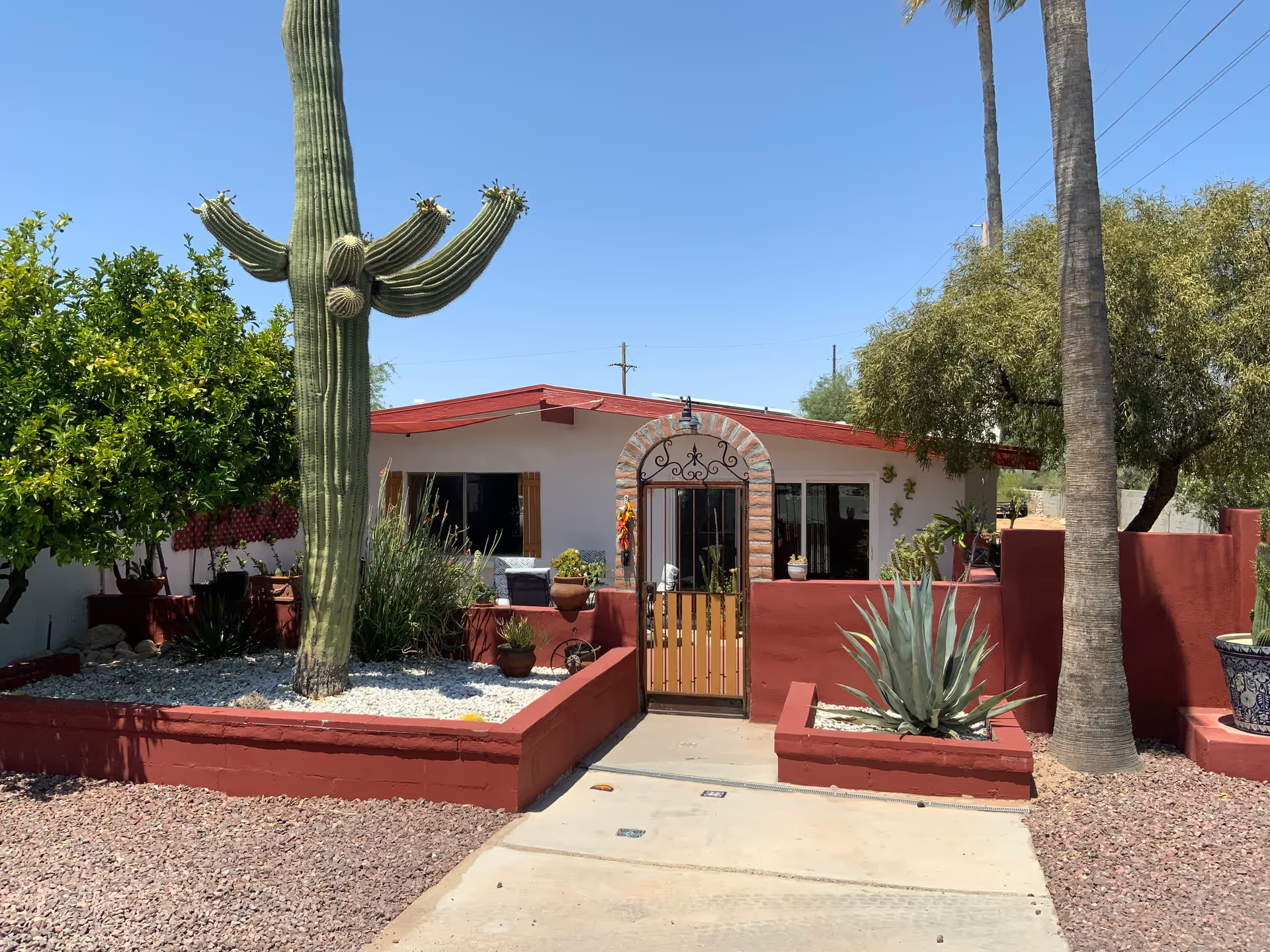
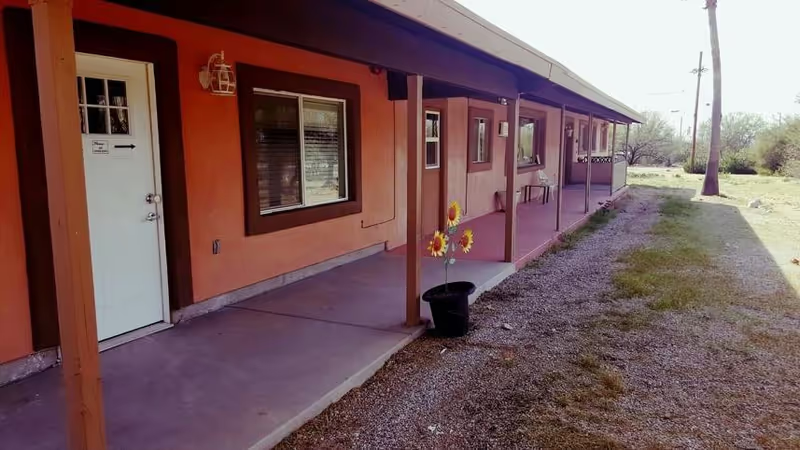
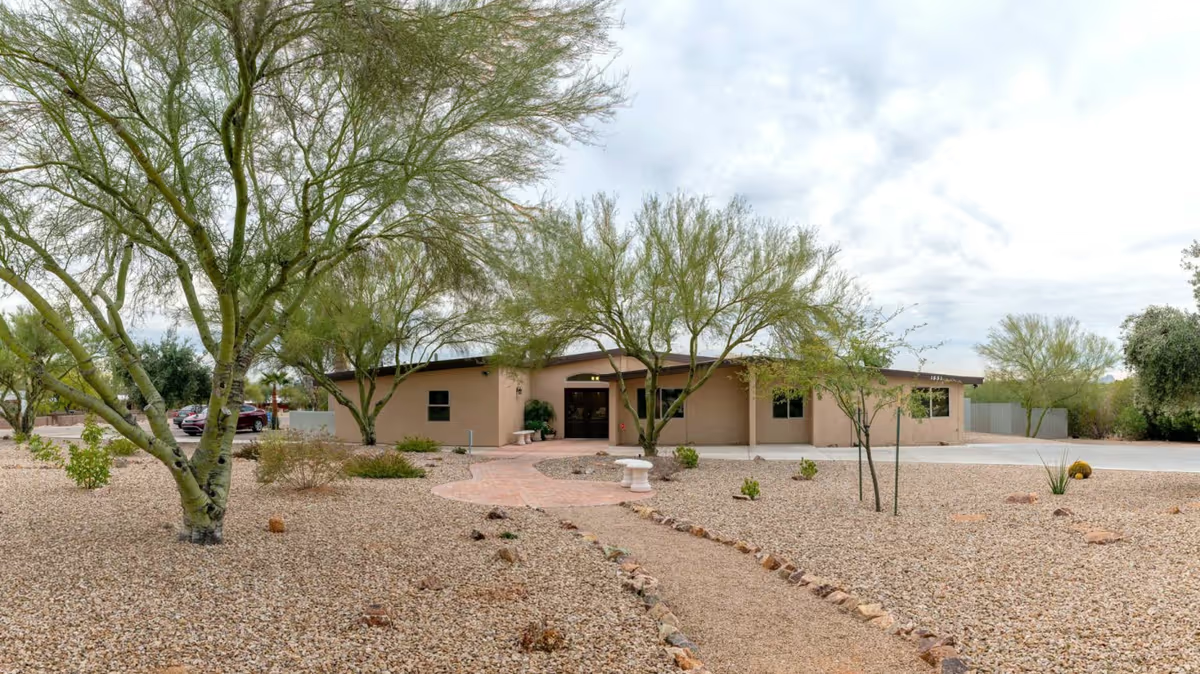
Skyline at Mina Vista is described most often as a small, home-like assisted living with a strong concentration of attentive caregiving and family-style culture. Many reviewers emphasize devoted, compassionate staff who provide one-on-one attention, personalized care plans, and an on-site registered nurse that contributes to clinical oversight. Families and residents characterise the atmosphere as warm and comforting; several accounts note improved mood, increased engagement in activities, and better social interaction after placement. Ancillary services such as hospice support and rehabilitation are available, and the physical environment is frequently described as clean, peaceful, and visually pleasant.
Dining and activity programs are recurring strengths in the dataset. Multiple comments praise homemade, comforting meals and routine favorites that residents enjoy; activity offerings are credited with encouraging independence and social engagement. Admissions interactions and tours are also noted as responsive and accommodating, and some reviewers highlight engaged ownership and management who advocate for residents and support staff development.
Despite these positives, there are notable patterns of operational concern. Several families describe inconsistent meal service and failures to adhere to prescribed dietary restrictions, which suggests variability in kitchen processes or diet-implementation controls. A subset of reviews describes a decline in perceived quality or resident happiness over time; when clustered, these accounts point to variability in care consistency that may be associated with staffing or management transitions. Relatedly, there are comments indicating gaps in complaint-resolution and staff-accountability mechanisms—families who raised concerns sometimes reported negative changes in staff conduct or insufficient follow-up, which in a few cases led to relocation of the resident.
Overall, the prevailing impression is of a facility with many strengths in relationship-based care, managerial engagement, and a pleasant physical setting, delivering meaningful improvements for numerous residents. Prospective residents and families should weigh those strengths against the identified operational risks: inconsistent dietary compliance, variability in long-term care consistency, and the facility's handling of family complaints. When considering placement, ask specifically about dietary-management procedures, recent staff turnover or management changes, and the formal process for escalating and documenting family concerns so you can assess how the facility mitigates these known patterns.