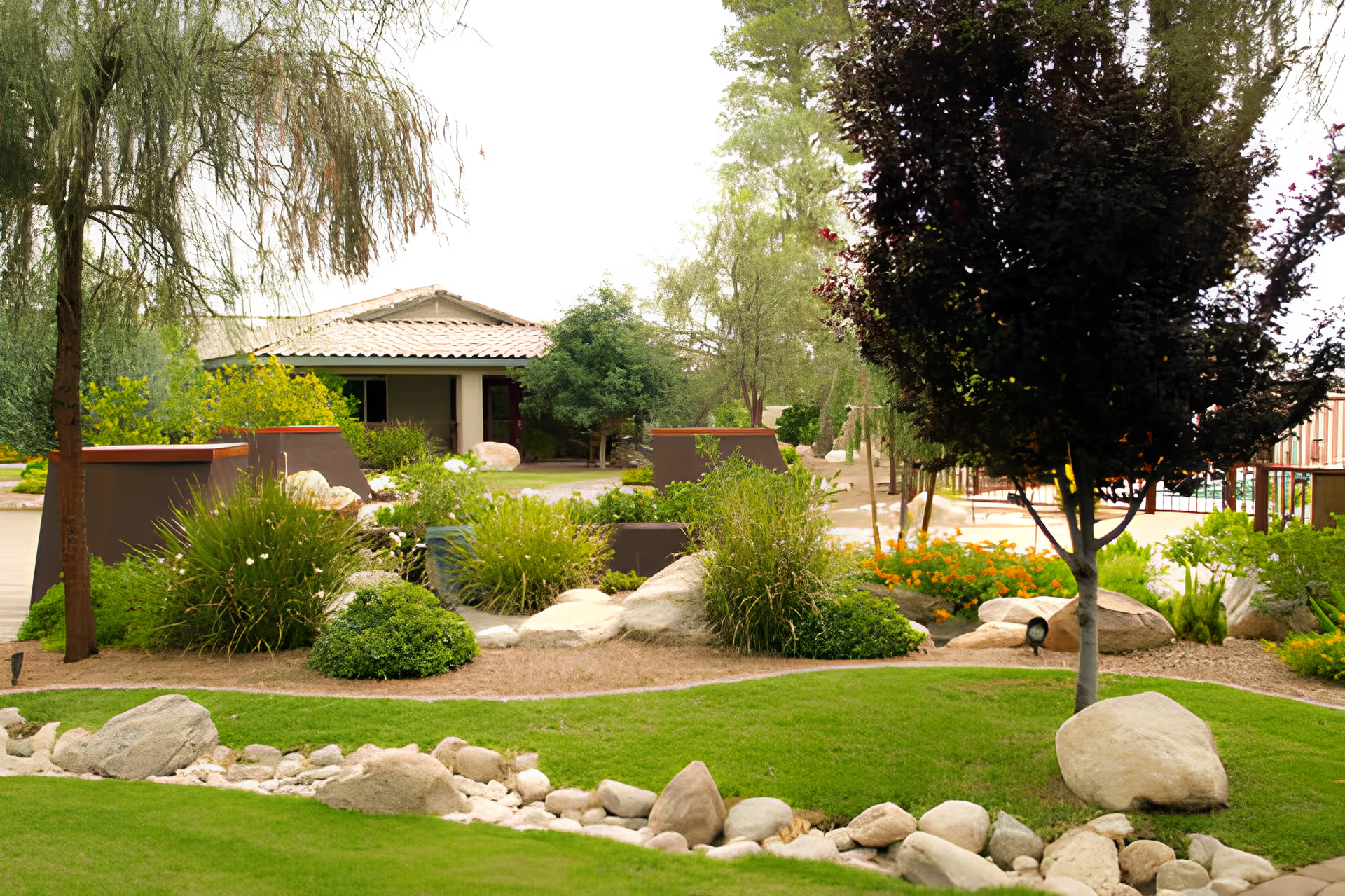
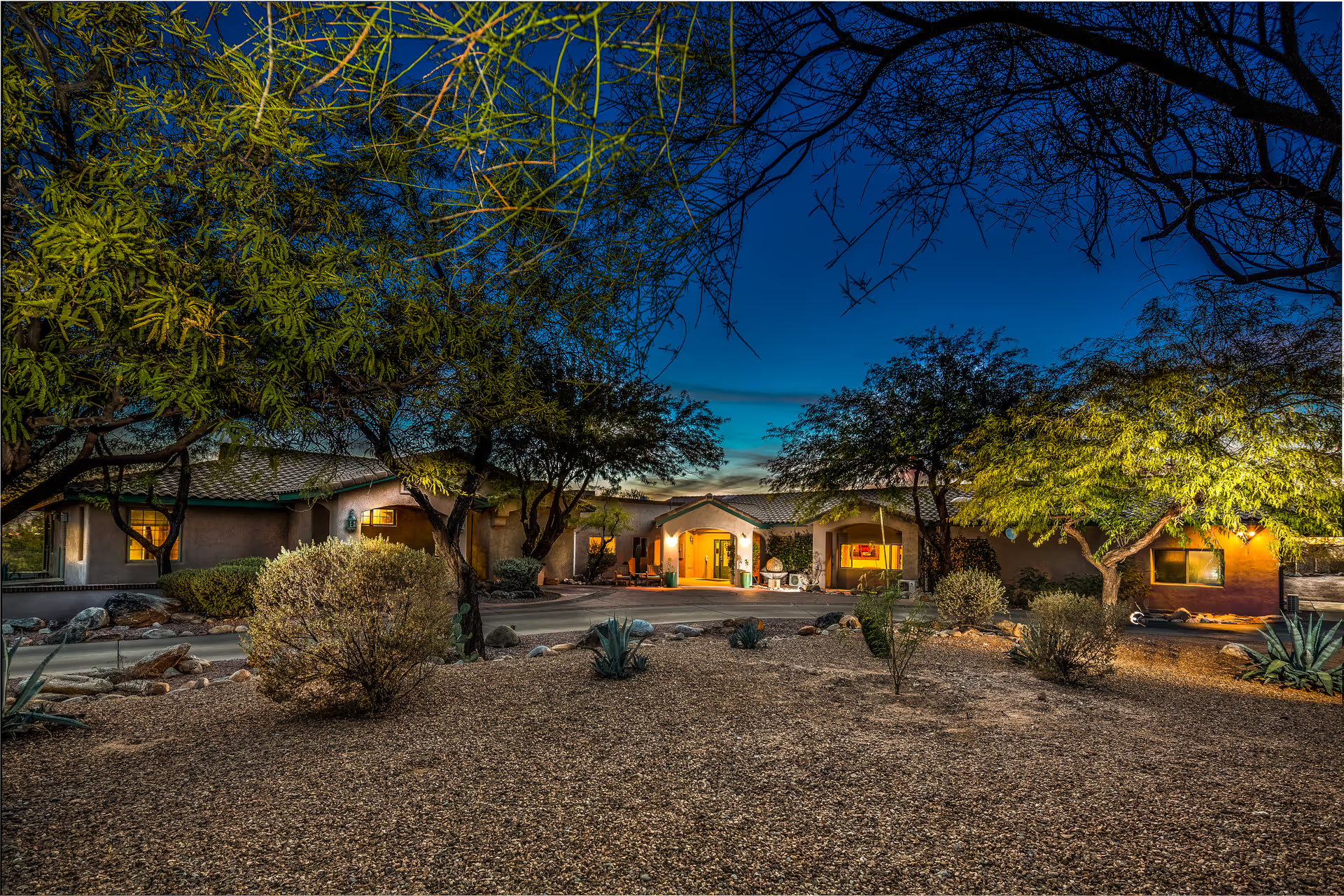
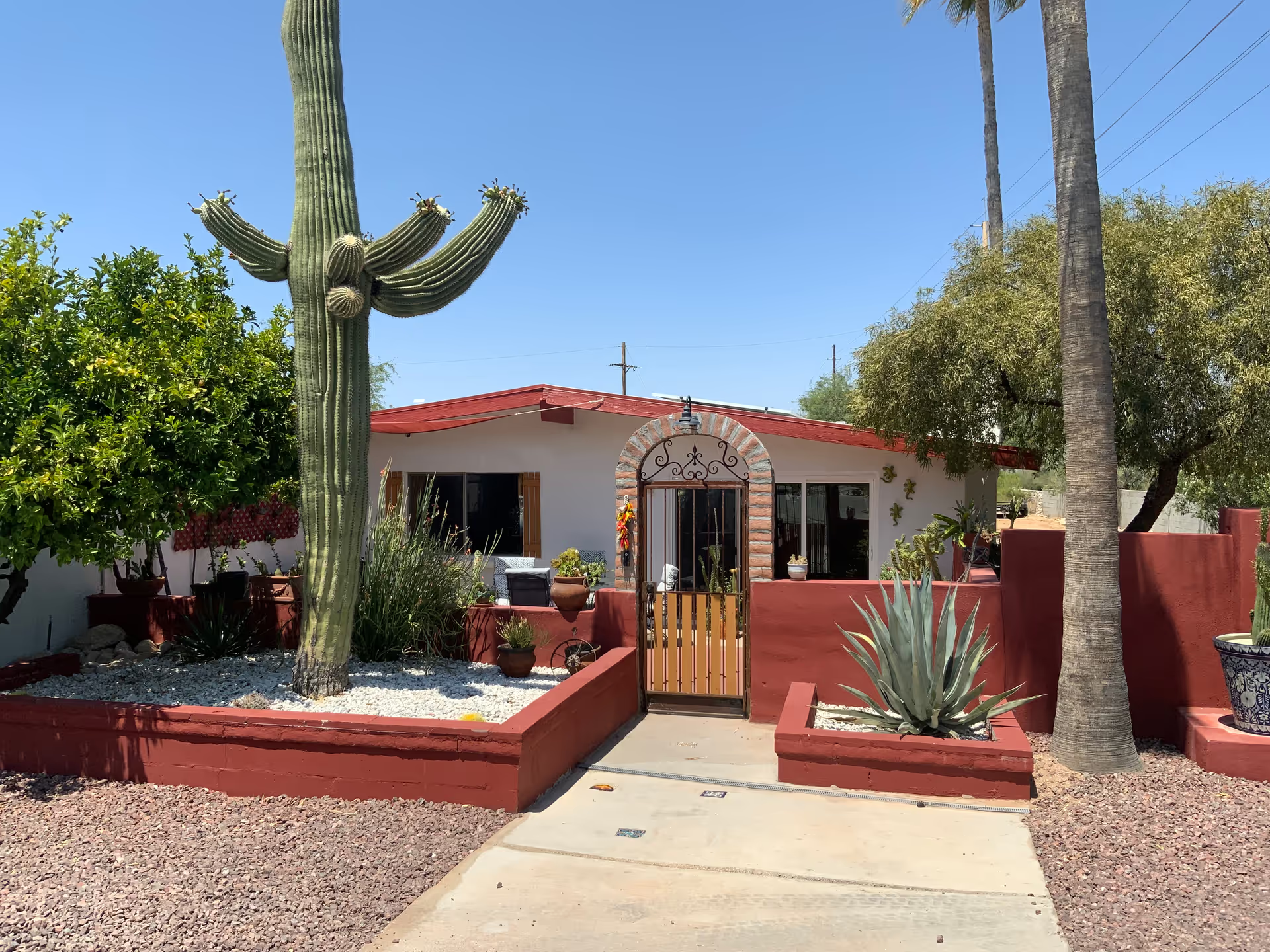
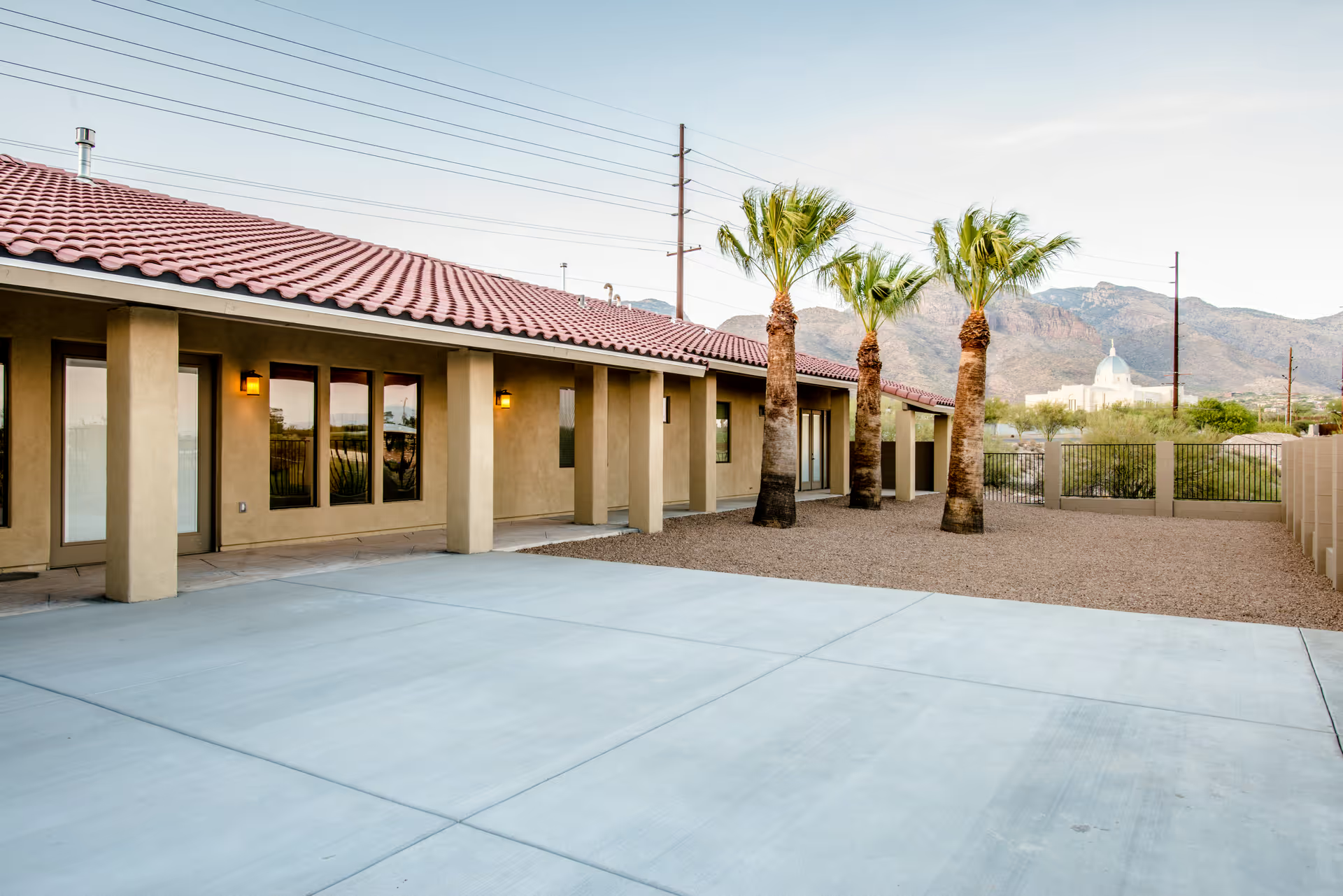
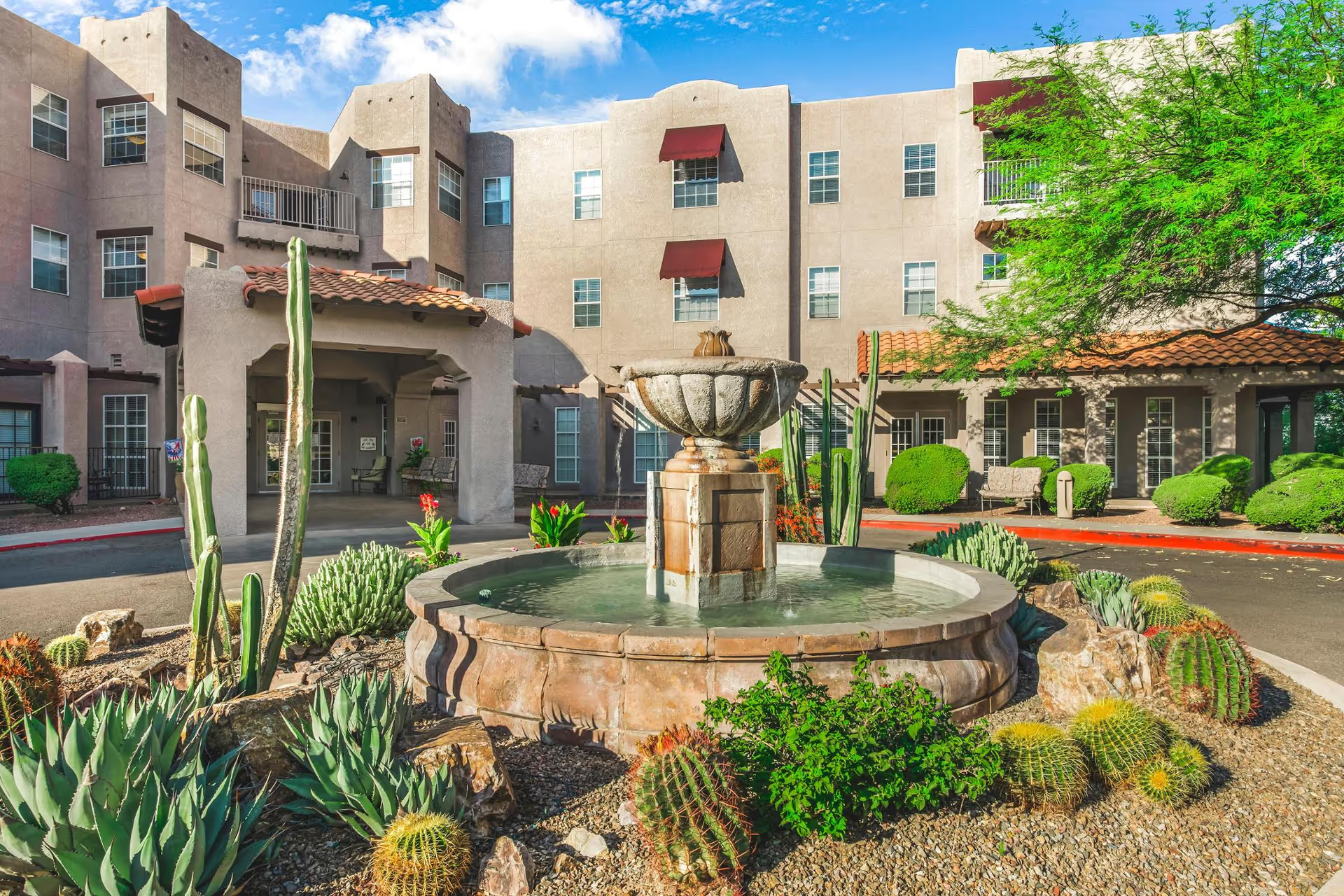
Sunrise at River Road presents as an attractive, recently updated senior living community offering a full continuum of care—independent living, assisted living, and a secured memory-care neighborhood. Many reviewers highlighted the facility's bright dining areas, landscaped outdoor spaces (gardens, patios, and rocking chairs), and hotel-like, homey décor. Apartment options are varied: some units are described as generously sized with accessible bathrooms and in-room kitchenettes, while other floorplans are noted to be compact with limited closet space. Overall cleanliness, seasonal décor, and amenity mix (library, salon, chapel, transportation) are frequent strengths.
Care quality and staff interactions are among the community's most consistently praised attributes. Families and residents commonly described warm, attentive caregivers, timely medication administration, conscientious housekeeping, and staff who are easy to reach and communicative. There are multiple accounts of successful transitions, strong family inclusion, and responsive management in day-to-day matters. At the same time, reviewers pointed to operational limitations for residents with higher medical needs: the community does not present as an on-site skilled nursing facility, and several accounts suggest gaps in clinical capacity, variable bathing/hygiene scheduling, and the need to confirm how higher-acuity medical issues are managed.
Dining and food service are frequently described positively: an in-house chef, varied menus, and flexible bistro access are repeatedly noted. Meals are often called tasty and adaptive for chewing or texture needs. However, concerns about inconsistent food quality, limited dietary accommodations, and occasional inflexibility on portion requests were also raised. Some reviewers reported charges for meal delivery and other ancillary services; prospective families should clarify which dining services are included and which incur extra fees.
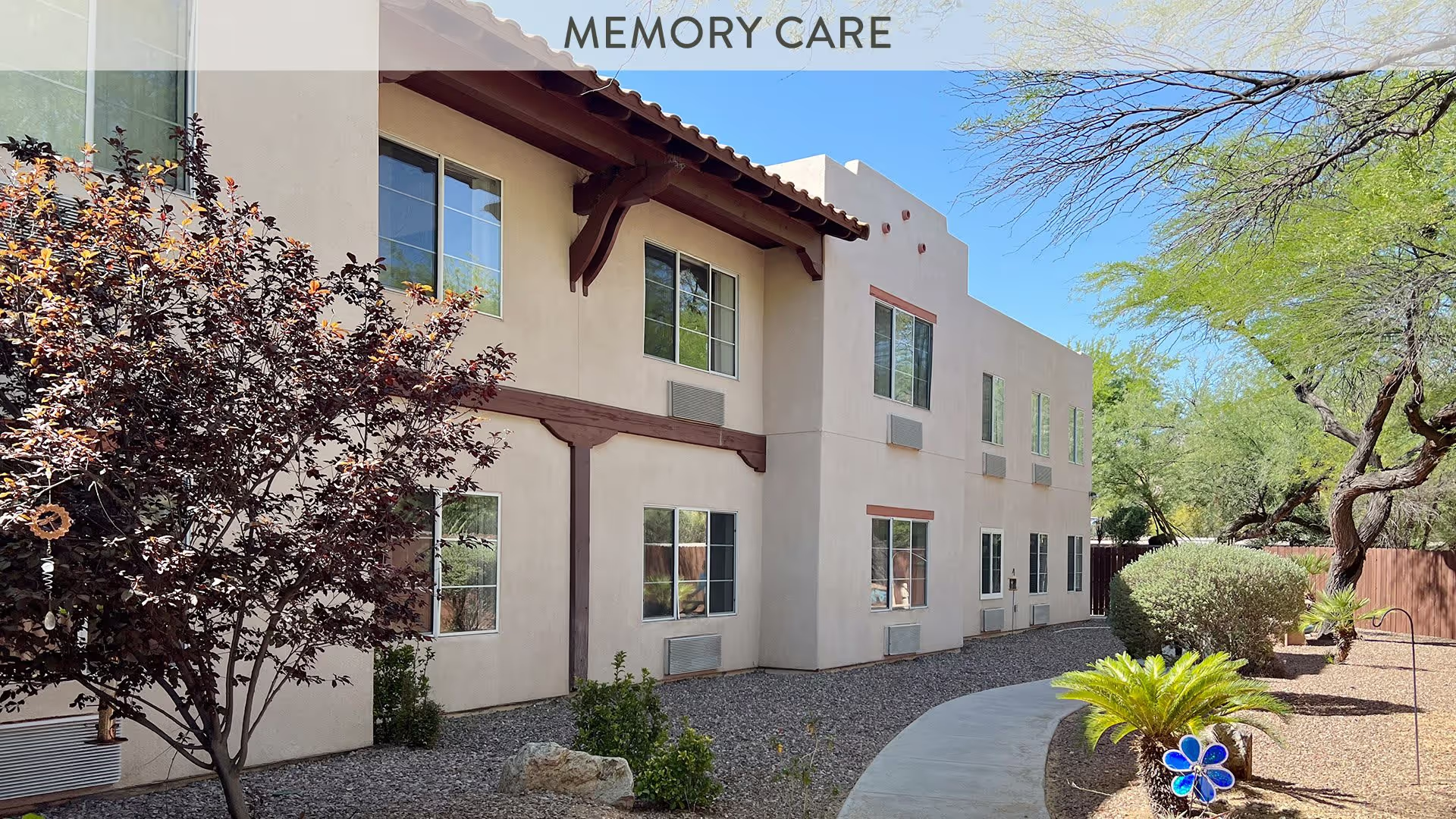
Activity programming is a visible part of community life, with many daily offerings—bingo, card games, exercise classes, outings, entertainment, and memory-care–tailored activities. Reviewers praised the breadth of events but some asked for greater variety beyond staple offerings (more arts-and-crafts, outings, and one-on-one engagement) and more active encouragement for residents to participate. Memory care is generally described as secure and home-like, but a few visitors felt the memory-care population's needs and acuity were different than expected; confirm compatibility between a prospective resident’s current functioning and the specific memory-care neighborhood.
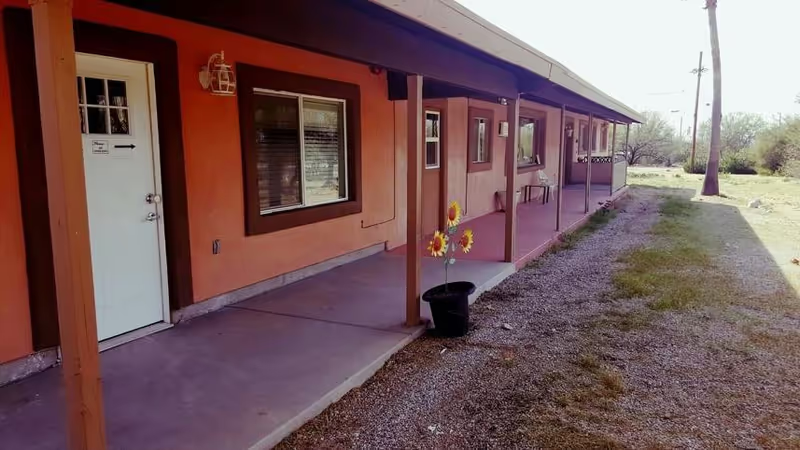
Facilities and logistics: the property is repeatedly called clean and well kept, with pleasant common areas and outdoor views. Practical issues raised include variable room sizes, some worn carpeting or localized maintenance needs, and occasional accessibility considerations (e.g., elevator access, turning radius). COVID precautions and infection-control practices received positive comments.
Management and pricing show mixed patterns. Many families praised proactive, well-trained leadership and timely issue resolution, but there are recurring operational concerns: a non-transparent pricing model with ancillary charges, confusing billing, and some instances described as unexpected fee increases or deposit enforcement. Communication quality appears uneven—while some families receive detailed and regular updates, others describe lapses in follow-up or unanswered questions, and there are mentions of turnover in leadership that coincided with temporary declines in coordination.
Notable patterns and practical takeaways: the community’s strengths are its warm staff, food program, active social calendar, and attractive environment with a clear care continuum. The most important items for prospective residents and families to confirm on a tour are pricing details (all fees and potential increases), the specific clinical services and response protocols for higher-acuity needs, staffing patterns and turnover, how dietary requests are handled, and exact floorplan dimensions and storage availability. Asking for a walkthrough of the memory-care neighborhood and concrete examples of care plans for residents with comparable needs will help match expectations to the community’s operational model.