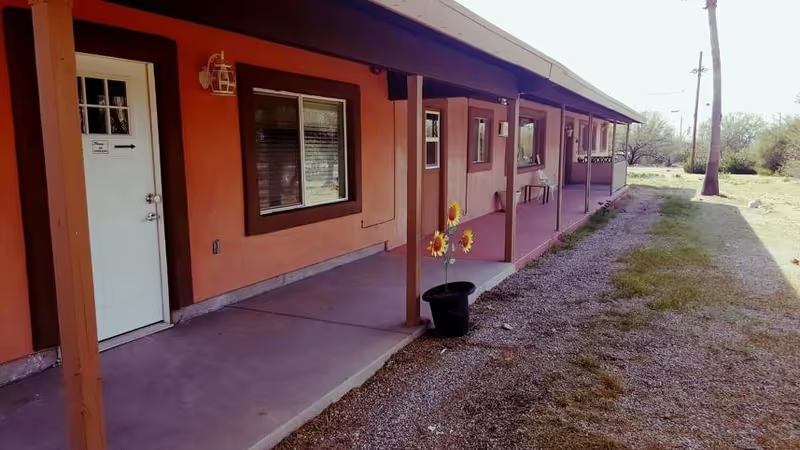
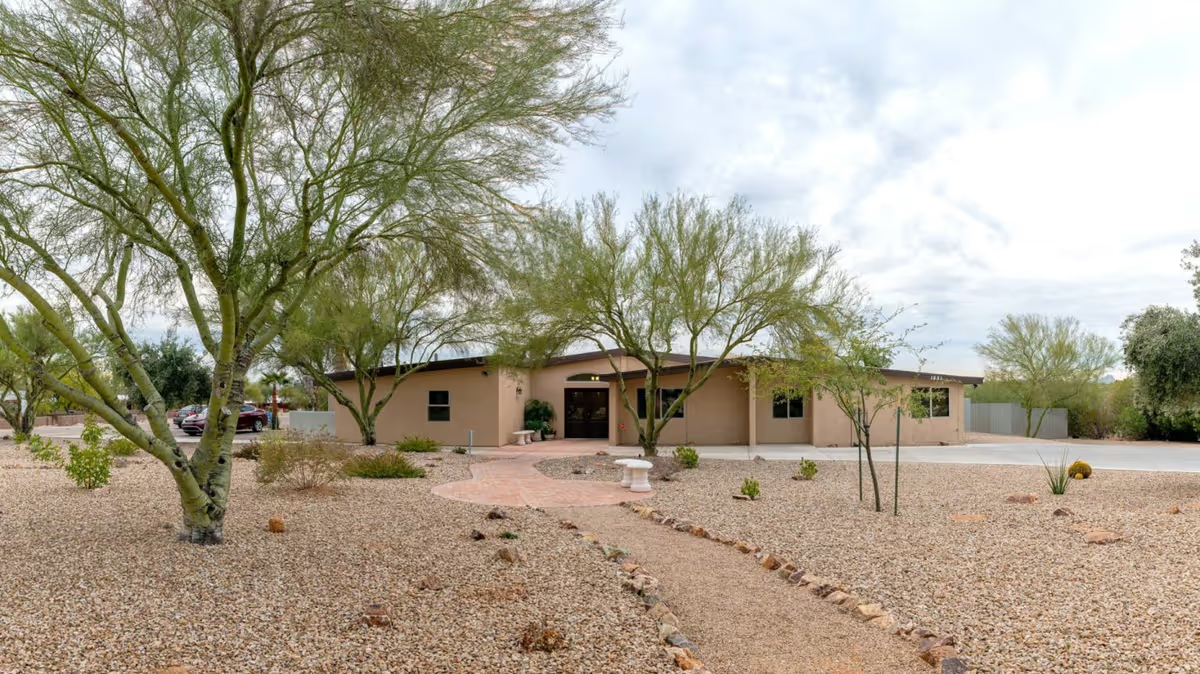
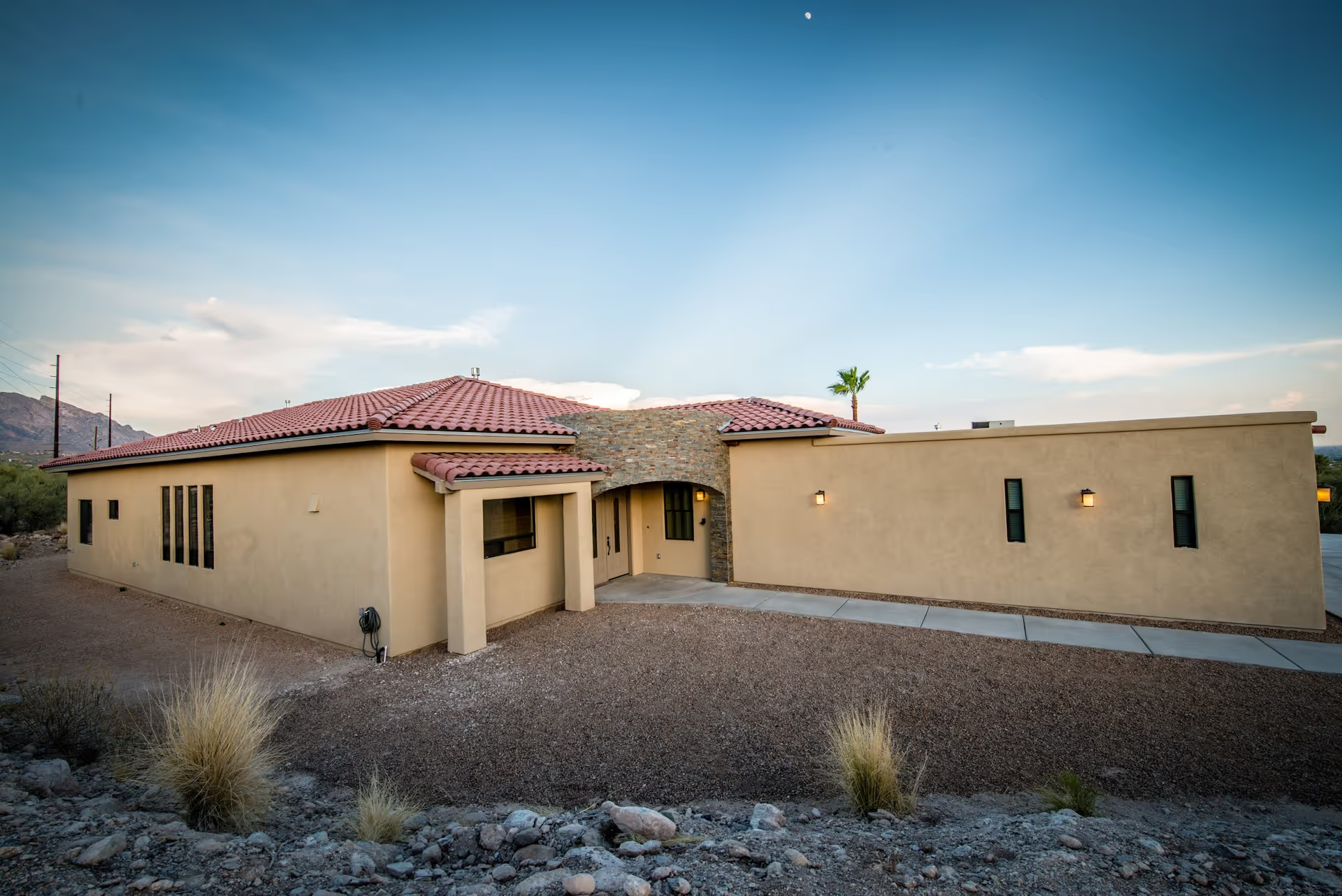
Reviews present a mixed picture of The Cottages of Tucson: the campus and living model are consistently praised, while operational and care-process concerns recur across accounts. The community’s cottage-style layout, well-maintained grounds, secure courtyard, and interior design are repeatedly described as attractive and conducive to social interaction. Several reviewers specifically noted that the environment feels home-like and provides a peaceful setting that can offer families reassurance.
Staffing and direct care elicit contrasting impressions. Many reviewers compliment caregiving staff and memory-care specialists, highlighting compassionate individuals and an accommodating admissions process. At the same time, there are repeated concerns about staffing patterns — long shifts and perceived understaffing — that reviewers linked to reduced responsiveness and lapses in routine personal care. These lapses include inconsistent attention to grooming and bedding/incontinence protocols; reviewers expressed clinical concerns about incontinence-care practices and room sanitation in some instances.
Dining and programming are other areas of divergence. Some accounts describe home-style meals, but several reviewers criticized food quality, limited menu options, and repetitive or basic offerings at meal times. Activity programming is frequently described as limited; reviewers characterized daily enrichment as sparse and cited a need for more varied, meaningful engagement tailored to memory-care residents.
Operational and management themes recur in the feedback. While leadership is sometimes described as accommodating during admissions, there are concerns about management responsiveness, staff conduct, and a perception that cost constraints influence service levels. Reviewers also raised issues around property security and missing personal items, which point to potential shortfalls in inventory and loss-prevention processes.
In summary, The Cottages of Tucson appears to offer a strong physical environment and committed caregiving staff, which are meaningful positives for memory-care residents and families. Prospective residents and families should weigh those strengths against patterns in the reviews suggesting staffing consistency, personal-care protocols, dining variety, activity programming, sanitation monitoring, and property-security practices may require clarification. When evaluating the community, ask for current staffing ratios and schedules, examples of daily programming, sample menus, written incontinence and sanitation protocols, and documentation of inventory/security measures to address the specific operational concerns raised in reviews.