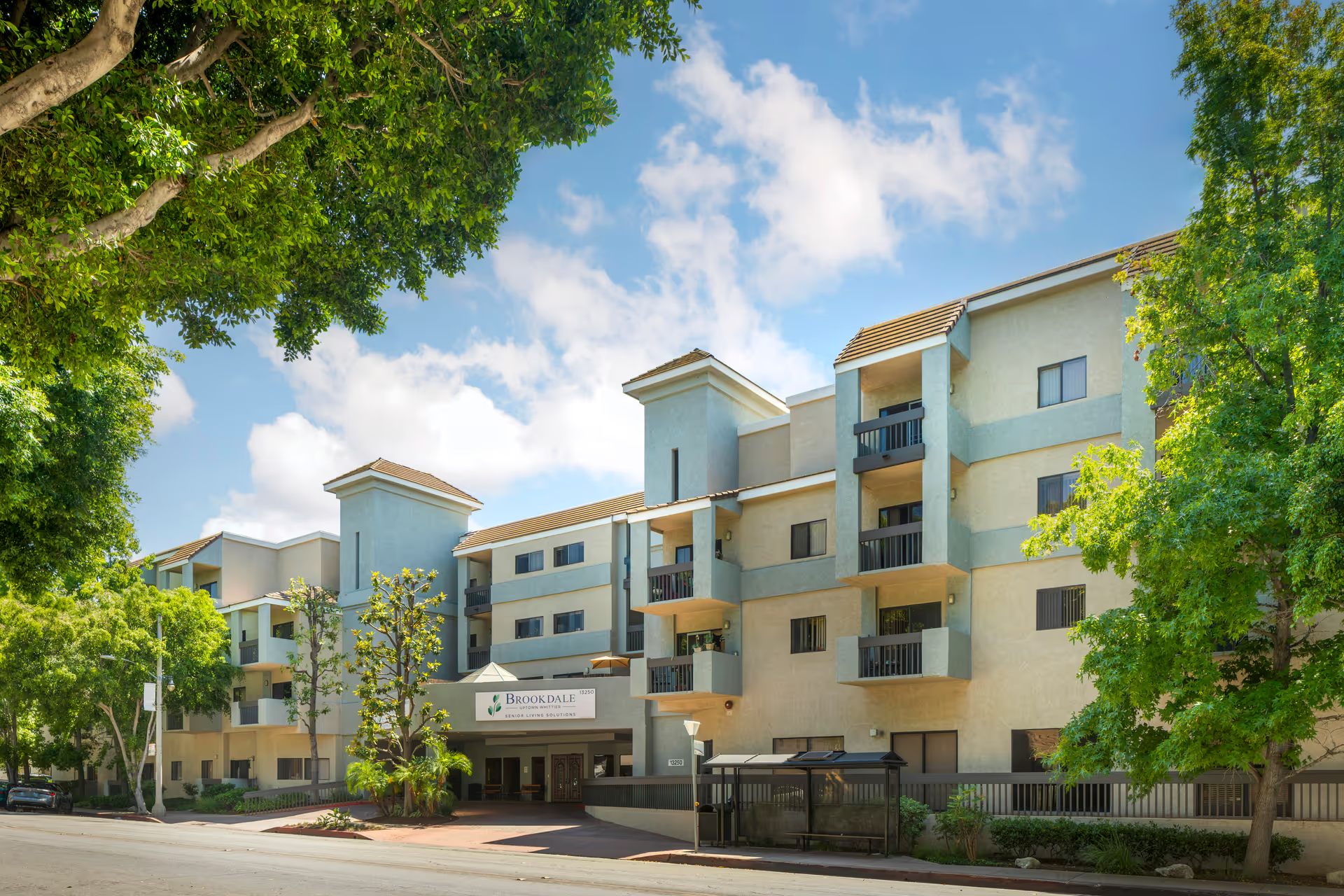
Bell Convalescent Hospital elicits a mixed but clearly patterned response from families and residents. A substantial number of accounts emphasize strong clinical strengths: compassionate, dignified nursing interactions; attentive certified nursing assistants; and an effective in‑house rehabilitation program that many families say led to measurable mobility improvements and successful transitions home. Reviewers also highlight supportive administrative coordination, including assistance with benefits such as Medi‑Cal, and efficient admissions and discharge processes. Dining quality and pleasant communal spaces — multiple outdoor patios and comfortable common areas — are repeatedly cited as contributors to resident well‑being.
Alongside those positives, there are recurring operational concerns that prospective families should consider. Several accounts describe inconsistent professionalism and responsiveness at the front desk and in case management, along with instances of problematic staff communication tone. Reviewers also raise issues that indicate lapses in routine care operations: interruptions in meal delivery and day‑to‑day assistance, variability in sanitation and incontinence care practices, and weaknesses in personal‑property tracking. Importantly, there are mentions of safety‑related incidents that point to gaps in transfer and incident‑prevention practices; these should prompt discussion about the facility's current fall‑prevention protocols and staffing for high‑risk residents.
Facility management receives both praise and critique. Many families commend visible teamwork across nursing, therapy, kitchen, and facilities staff and describe administrators as supportive and responsive. At the same time, perceptions of uneven professionalism among some office staff and a strict buzz‑in/out policy (described as a clinical, CDC‑style approach) have been noted; while intended for safety, that access control can feel restrictive to some families. Overall, the pattern suggests a facility with solid clinical and rehabilitative offerings and strong staff members, paired with operational inconsistencies that occasionally affect daily care, safety practices, and family communication.
Practical questions for prospective residents and families: ask for specifics about staffing levels and shift coverage, written meal‑service and missed‑meal protocols, current fall‑prevention measures and incident‑reporting processes, property‑management procedures, and how the facility monitors sanitation and incontinence care. Visiting at different times of day and speaking directly with therapy, nursing leadership, and admissions staff can help validate the aspects you prioritize (therapy outcomes, daily‑care consistency, and responsiveness to family concerns).