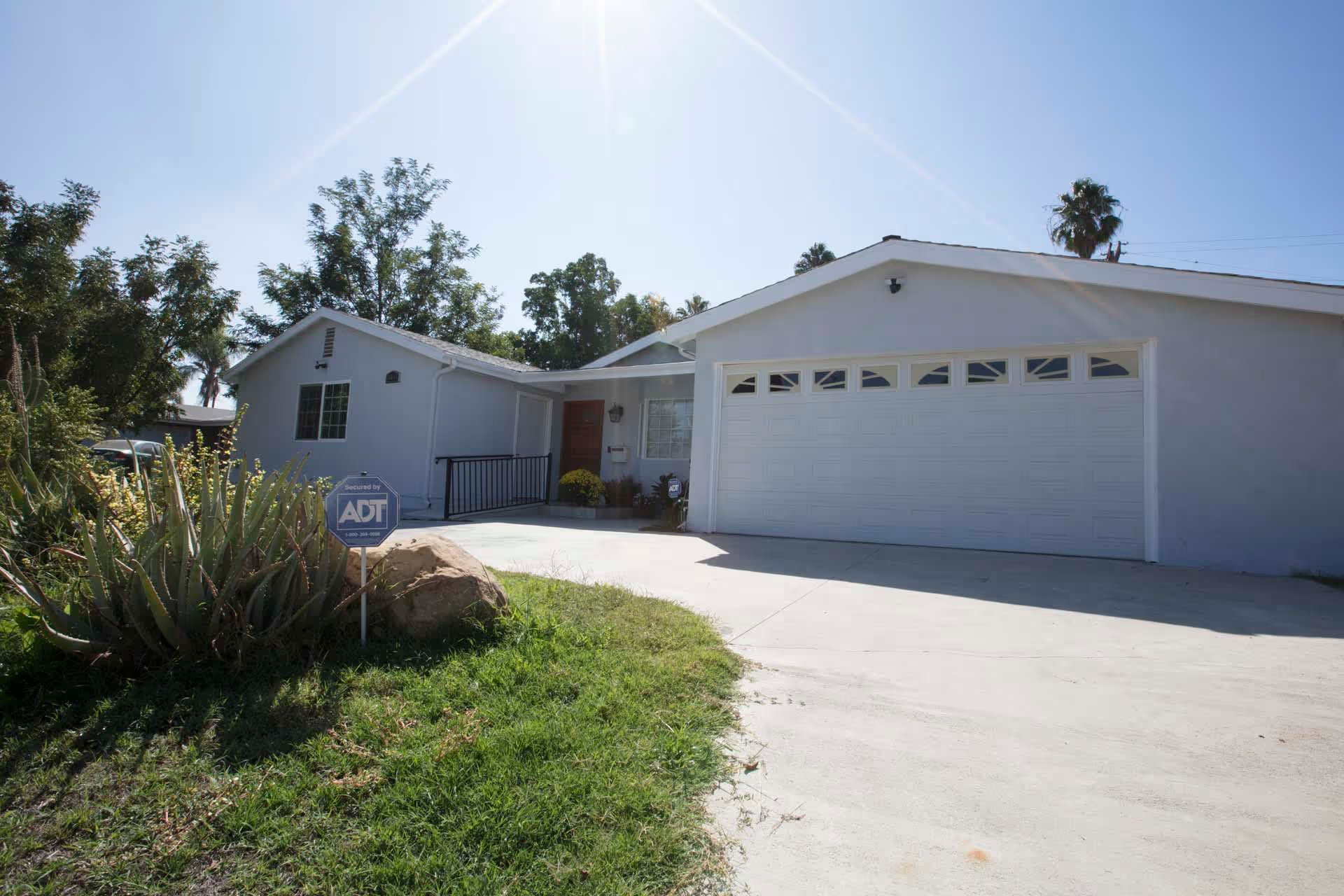
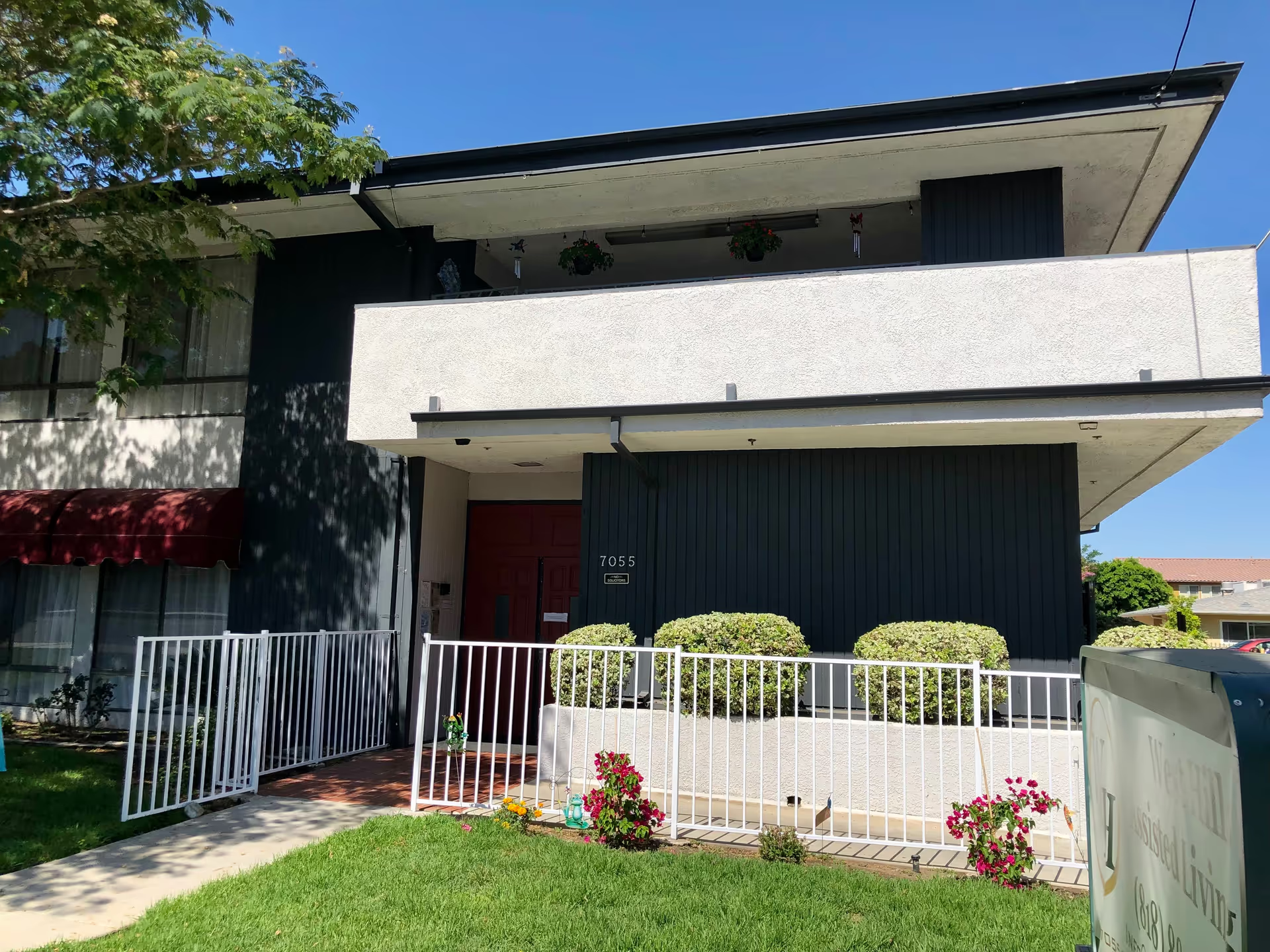
Topanga Terrace elicits polarized feedback that clusters around two clear themes: strong interpersonal care and rehabilitation services on the one hand, and operational inconsistencies on the other. Many reviewers highlight compassionate nursing and aide-level care, effective physical and occupational therapy, and proactive social-work and case-management interactions. Families commonly praised the activity program, accessible outdoor gathering spaces, home-like room touches and natural light, and staff members at reception and in rehab who helped navigate insurance and discharge planning. For prospective short-term rehabilitative stays these strengths—particularly the therapy team and attentive nursing when present—are presented as key assets.
At the clinical-safety and operations level there is notable variability. Several accounts describe medication-timing problems, occasional medication errors, and inconsistent therapeutic scheduling or assessments; this suggests uneven medication-management controls and variability in how therapy is assigned or prioritized. There are also concerns about emergency-response and on-call clinical coverage that family members described as gaps in urgent situations. One review raised an allegation of documentation irregularities; while this appears isolated in the dataset it highlights the need to confirm clinical documentation and review processes during any admissions conversation.
Dining and daily-life experiences are mixed. Many families appreciated the facility’s willingness to provide dietary accommodations and described meals as customizable and acceptable. Other reviewers described intermittent dissatisfaction with meal quality or service continuity, indicating variability between shifts or units. The activity program and social engagement were consistently cited as strengths—programming was described as inclusive and well run, and staff such as activity coordinators received repeated praise for resident engagement and family inclusion during events.
Facility environment and logistics also vary by account. Numerous reviewers described clean, well-maintained rooms, pleasant climate control, and user-friendly features such as sliding patio doors and ample parking. Conversely, some reviewers reported sanitation or room-maintenance issues, temperature-control variability, and crowded halls or small private rooms that limit space for visitors and equipment. Administrative experiences mirror this pattern: several families found admissions staff, case managers, and frontline clinicians to be helpful and communicative, while others experienced disorganization, delayed responses from supervisors, or uneven communication about care plans and discharge arrangements.
In summary, Topanga Terrace appears to perform well for residents seeking rehabilitation and personable bedside care when staffing and supervision are consistent. Prospective residents and families should weigh the facility’s strengths in therapy, social work, and activities against the variability in operational areas such as medication controls, emergency/on-call coverage, infection-prevention consistency, and room size. When considering admission, ask specific questions about current staffing levels, medication-safety protocols, emergency/on-call arrangements, and how individualized care plans and therapy assessments will be documented and communicated to family members.