Overview: The reviews present a mixed picture. Many families describe genuinely attentive, compassionate caregivers, responsive admissions staff, and useful social-work support; others describe operational and clinical shortfalls that affected safety, comfort, and clinical outcomes. Strengths and weaknesses appear unevenly distributed across units and shifts, producing polarized experiences that prospective families should evaluate carefully.
Care quality and clinical monitoring: Positive accounts highlight caring CNAs and helpful nursing staff who provide comfort, pain attention, and regular updates. Conversely, several families described gaps in clinical monitoring and care-plan adherence, including inconsistent turning schedules, weight loss, pressure injuries, delayed medication administration, missed pain control, and falls. These issues suggest variable implementation of nursing care plans and documentation practices rather than uniformly applied protocols.
Staff, professionalism, and communication: Staff behavior and management responsiveness were frequent determinants of overall satisfaction. Many reviewers praised individual staff members, therapists, and administrators for clear communication and problem resolution. At the same time, others described overstretched staff, slow intake responsiveness, unaddressed complaints, instances of perceived unprofessional conduct, and language or supervisory gaps that limited effective follow-up. These patterns point to variability in training, supervision, and staffing levels rather than a single consistent culture.
Dining and therapy services: Meal service drew both praise and critique: kitchen staff are credited in several accounts for accommodating dietary requests and replacing equipment, but other families reported cold meals, inconsistent meal quality, missed meal documentation, and challenges getting prescribed feeding adjustments approved. Rehabilitation and therapy services similarly produced mixed feedback—some families described strong, effective PT/OT programs that supported recovery, while others noted limited therapy availability or therapy that did not meet expectations.
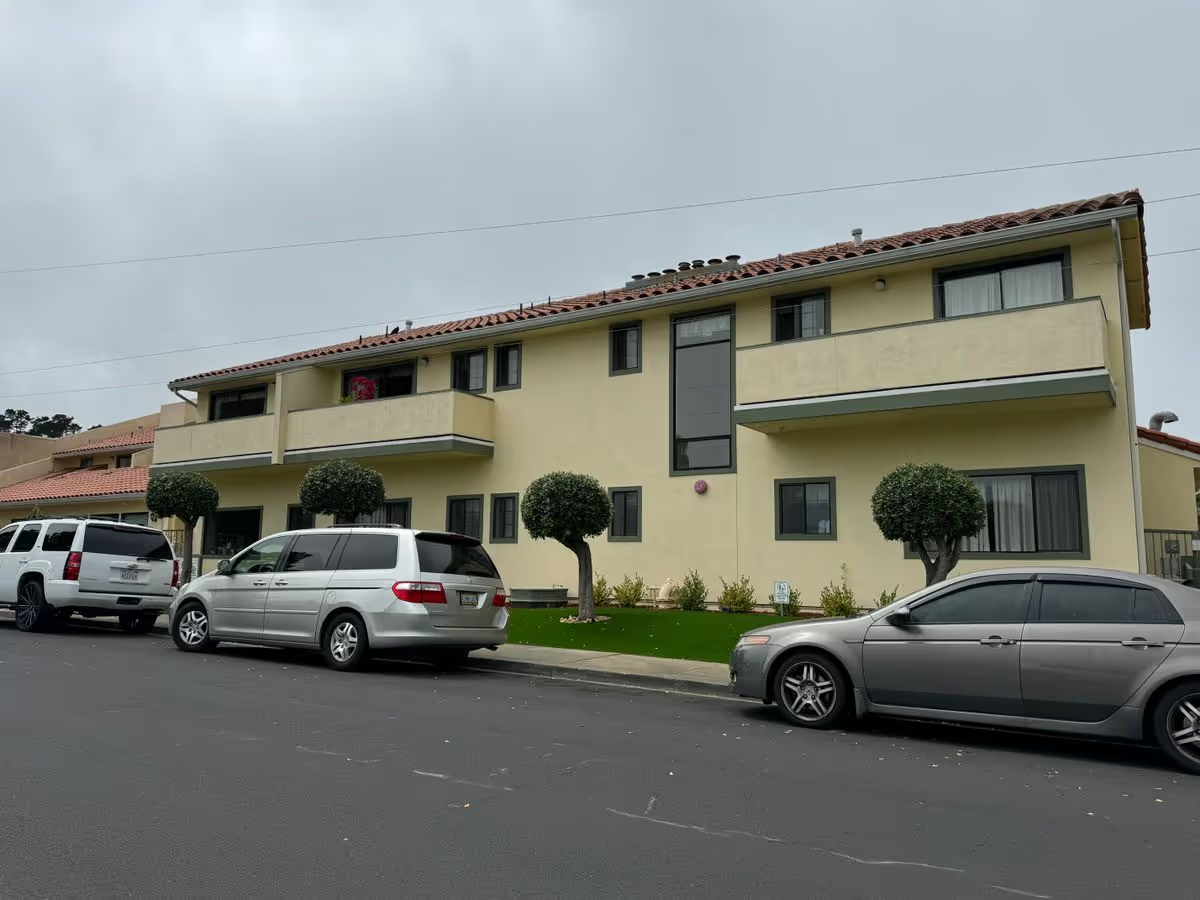
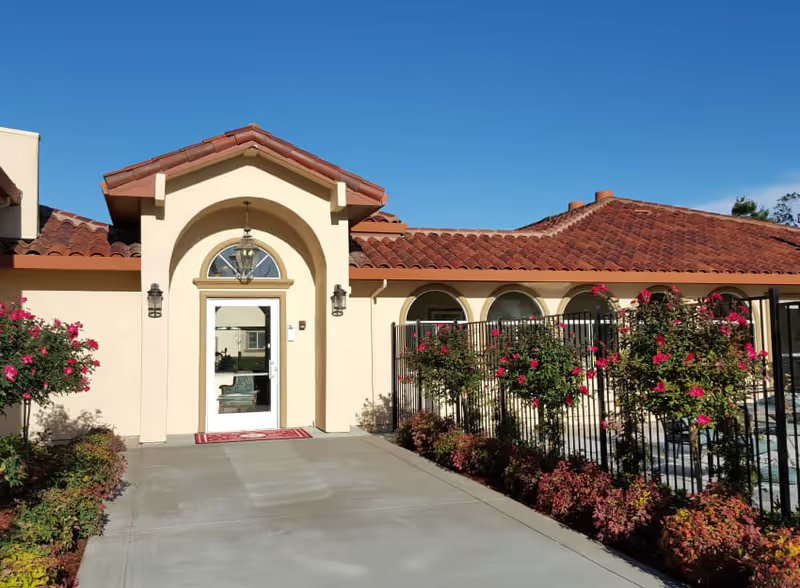
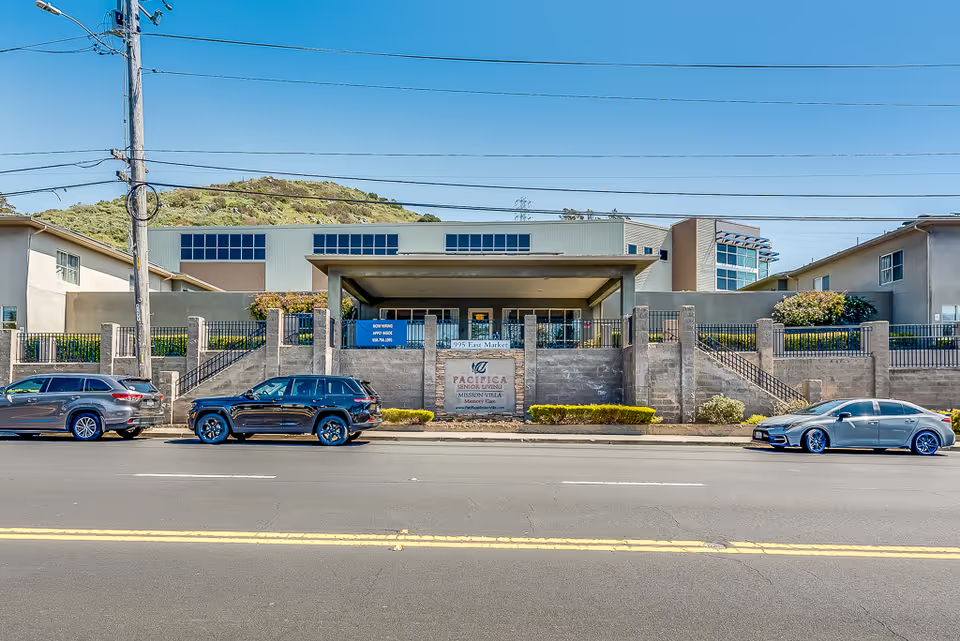
Facilities, cleanliness, and environment: Facility appearance and maintenance were described as uneven. Positive comments cite clean rooms, tidy common spaces, and prompt maintenance (e.g., mattress replacement). Critical comments note variable housekeeping (dust in corners, unclean doors, lobby-focused cleaning), aging mattresses and room equipment, cramped rooms, parking limitations, and noise/privacy concerns in shared rooms (e.g., roommate noise, lights left on). These indicate inconsistent facilities upkeep and environmental controls across the site.
Infection control, safety, and visitation: Infection-control and isolation practices were a concern in several accounts, including questions about cohorting, signage, and unit assignment during COVID events. Families also reported restrictive or inconsistent visitation policies at times. Safety concerns such as delayed call-bell responses and nighttime supervision variability were raised alongside praise for on-site nurses available during some shifts.
Notable patterns and considerations for families: The dominant pattern is variability: strong individual caregivers and departments coexist with operational weaknesses in staffing, housekeeping, clinical documentation, and management follow-up. Prospective residents and families should verify current staffing ratios, inquire about pressure-injury prevention protocols and documentation (turning schedules, weight/meal records), observe housekeeping on different shifts, review infection-control policies, confirm therapist schedules and goals, and ask how complaints are escalated and tracked. A multi-timepoint tour (including evenings or weekends) and direct questions about recent quality metrics will help determine whether the facility’s performance aligns with a family’s needs and priorities.